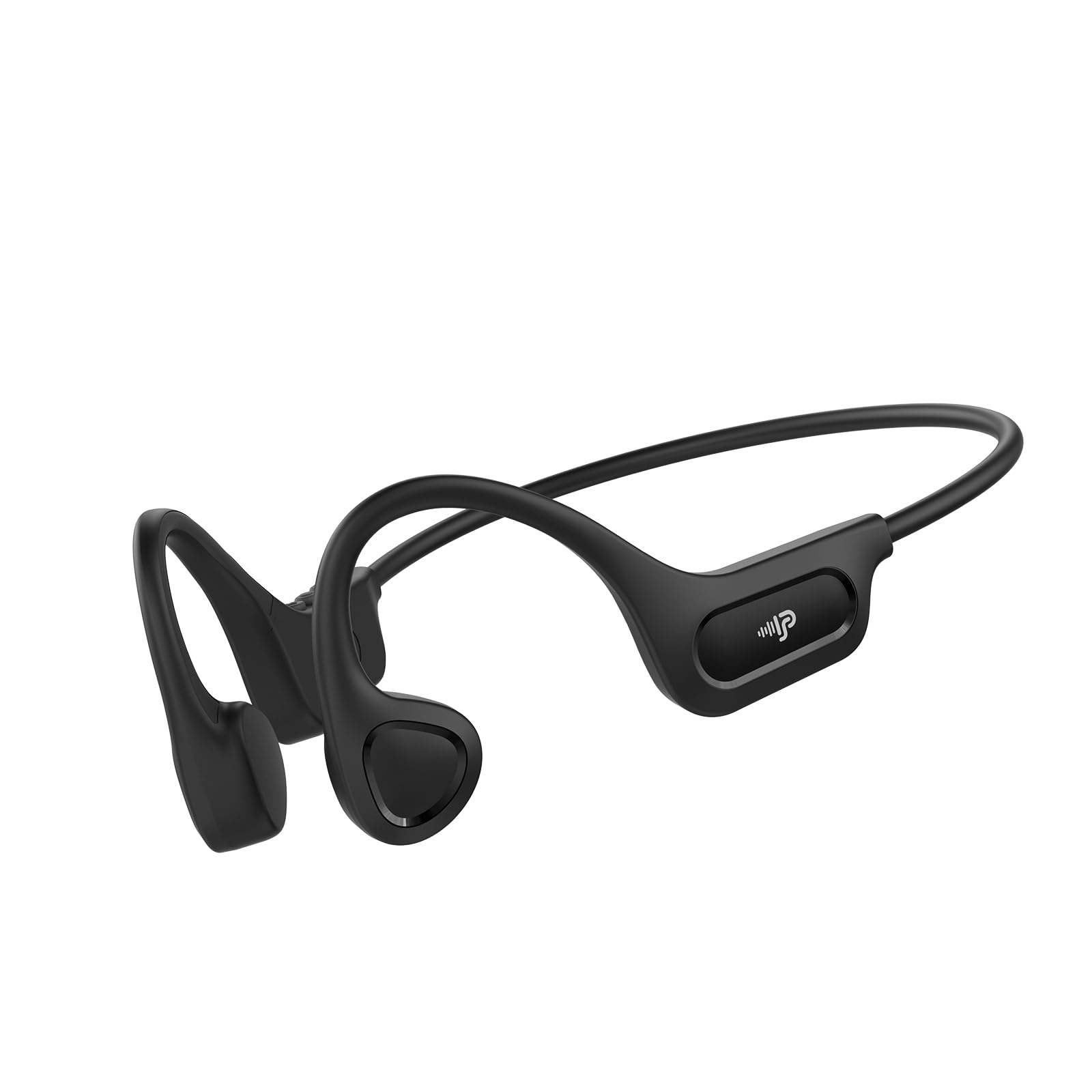
8 Best Bone Conduction Headphones of 2026: Buy for Real Training

The best bone conduction headphones for runners, cyclists, and gym-goers — matched to fit, water rating, and real-world battery needs.

Bone conduction headphones solve one problem well: keeping your ears open to traffic and conversation while you move. The trade-off is that you're choosing between thinner audio or a dual-driver design, and marketing specs like Bluetooth 6.0 don't always match what arrives.

The more consequential trade-off is between audio quality and battery life on one side and water resistance on the other. The best-sounding options may not be the ones you want in a heavy downpour, and the most weatherproof options may have shorter battery life or older Bluetooth. Choose based on how you actually train.

This guide sorts the category by real-world training scenarios: long road running, gym workouts, commuting, and all-weather cycling. The point is to match the headphone to your routine, not to the feature list. A model that fits your head and charging habits will serve you better than one that simply looks advanced on paper.

About the Sound Score: This comparative score is calculated from a product's published customer rating and review volume. It is not a laboratory measurement or a hands-on test result.

1

Best Overall

Shokz OpenRun Pro 2

89 /100
Sound Score Excellent

Key details

Charging
Magnetic
Battery Life
12 hours
Weight & Fit
30g fixed frame
Driver Design
Dual bone + air
View on Amazon

The OpenRun Pro 2 pairs a bone-conduction driver with an air-conduction transducer, and that dual-driver layout produces the fullest, most balanced open-ear sound in this product set. Bass has enough body to keep music engaging without the muffled quality that can accompany single-driver bone conduction, while dialogue stays clear for podcasts and calls. It is not an in-ear bass response, and it should not be judged against sealed headphones. Within the bone-conduction category, the Pro 2 offers more texture and separation than the alternatives, and it does so while leaving your ears open to traffic, announcements, and conversation.

Build quality reinforces the premium position. The titanium frame feels dense rather than hollow, and the 30g weight is low enough to forget during a run. Ear hooks hold their position through sprints, gym circuits, and road rides, so the headphone does not need constant readjustment. This is the secure-fit behavior that separates a well-finished training headphone from a cheap plastic band, and it makes the Pro 2 comfortable enough to leave on before and after a workout.

Battery life is where the OpenRun Pro 2 pulls away from the older OpenRun. 12 hours covers a long training session, an all-day outing, or a full work week of daily hour-long runs without a charging ritual. That headroom matters for cyclists who ride from sunrise to mid-afternoon and for gym goers who simply forget to charge between sessions; the Pro 2 is genuinely useful for all-day wear rather than just a spec-box number.

This is the pick for runners and cyclists who found single-driver bone conduction too thin and want premium open-ear audio while staying aware of traffic. Gym goers get a frame that holds position through a full session. IP55 means heavy downpours are riskier than with the IP67 OpenRun, so steady-rain training belongs to the older model. For everyone else, the water seal covers sweat, light rain, and trail dust while the dual-driver sound and battery headroom do the heavy lifting.

💡 Treat heavy rain as the boundary and keep the Pro 2 for dry, sweaty, and light-rain sessions.

Pros

  • Dual-driver audio delivers the richest, most balanced sound in this open-ear set.
  • Premium build and materials hold up to regular workouts without flex or creak.
  • Secure 30g frame stays in place during runs and gym sessions.
  • 12-hour battery covers long training days and all-day wear without daily charging.

Cons

  • Buyers who only need basic open-ear audio will pay extra for the dual-driver upgrade and 12-hour runtime.
  • Water resistance stops at IP55, a step below the IP67 rating on the older OpenRun.
Our verdict

For runners and cyclists who prioritize audio quality and battery endurance, the OpenRun Pro 2 is the open-ear headphone to beat.

Check Latest Price
2

Best All-Weather Value

Shokz OpenRun

91 /100
Sound Score Outstanding

Key details

Charging
Proprietary magnetic
Battery Life
8 hours
Weight & Fit
26g titanium frame
Driver Design
Bone conduction
View on Amazon

IP67 water resistance, a 26g titanium frame, and a 10-minute quick charge put the OpenRun in its own lane for foul-weather training. The top pick in this roundup adds richer dual-driver audio and a 12-hour battery, but the OpenRun's focus is on staying comfortable and audible through rain, sweat, and rinse-offs.

Runners and cyclists who train outdoors in all seasons get the most from its weatherproof build. The open-ear fit keeps traffic audible from both directions during road rides. The 8-hour battery covers daily sessions but not ultra-distance days, and the proprietary magnetic charging cable requires a cord you cannot share with your phone. If you have a smaller head, the Mini version of the same headset fits better.

The 26g frame sits light and secure enough for gravel climbs and track intervals. The titanium band spreads pressure evenly, so longer rides don't create hot spots behind the ears. Sound leans toward clear mids and enough bass for workouts, with the usual bone-conduction tradeoff of modest low-end compared to in-ear buds; it works better for podcasts and tempo runs than for critical listening. The IP67 sealing also means a quick rinse after a dusty ride is fine.

Pros

  • Open-ear audio keeps music clear while leaving traffic noise audible for safer road runs.
  • IP67 water resistance handles rain, heavy sweat, and quick rinse-offs after dirty rides.
  • 26g titanium frame stays comfortable and secure through intervals and gravel climbs.
  • Ten-minute charge adds 1.5 hours of playback ahead of a session.

Cons

  • Bluetooth 5.1 skips multipoint pairing, so switching between phone and laptop means a manual reconnect.
  • Battery capacity can fade with extended use, which shows up as added charging stops before you expect them.
Our verdict

Rain-proof open-ear audio and a secure 26g fit make this the kit-bag headset for weather-committed runners and cyclists.

Check Latest Price
3

Best Budget All-Rounder

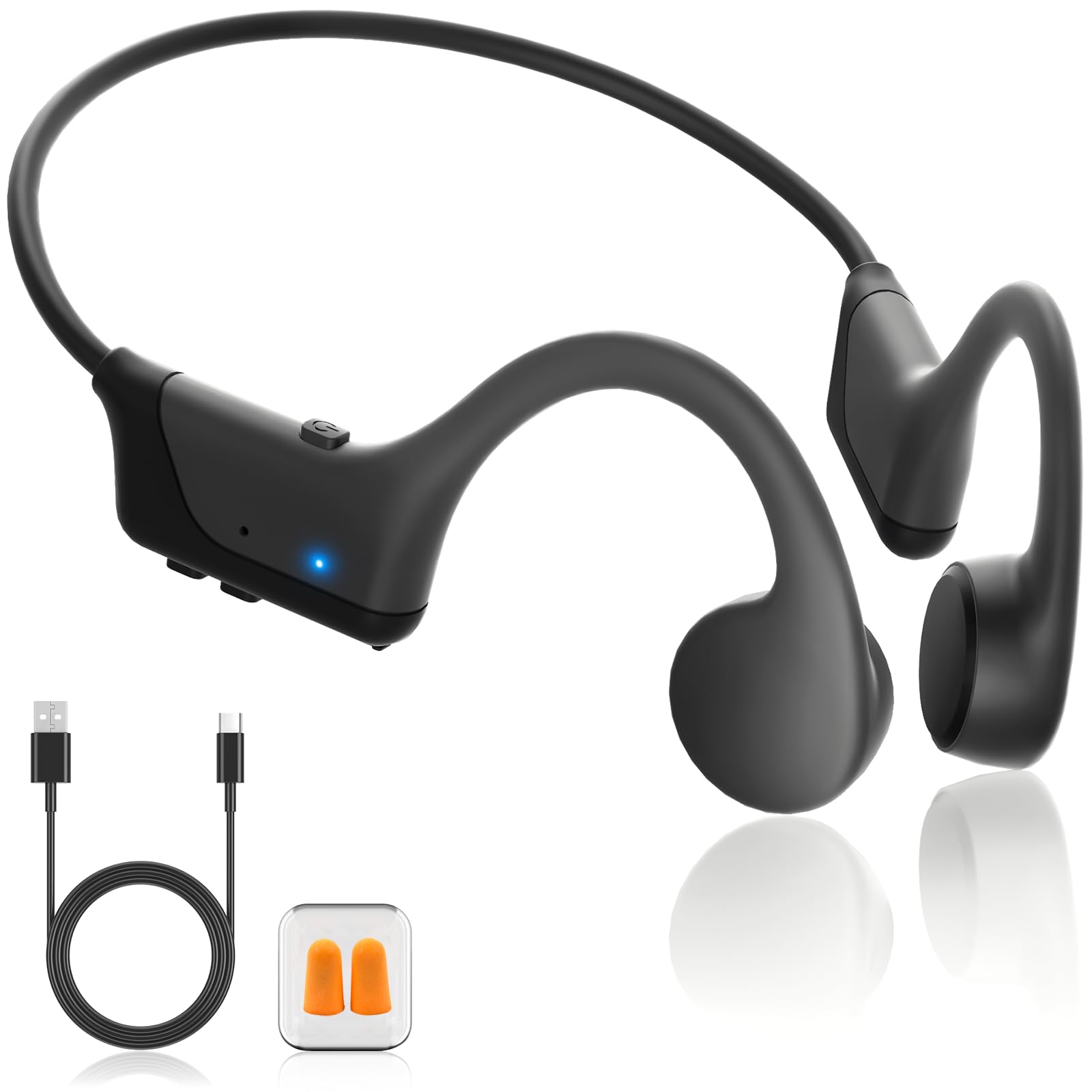
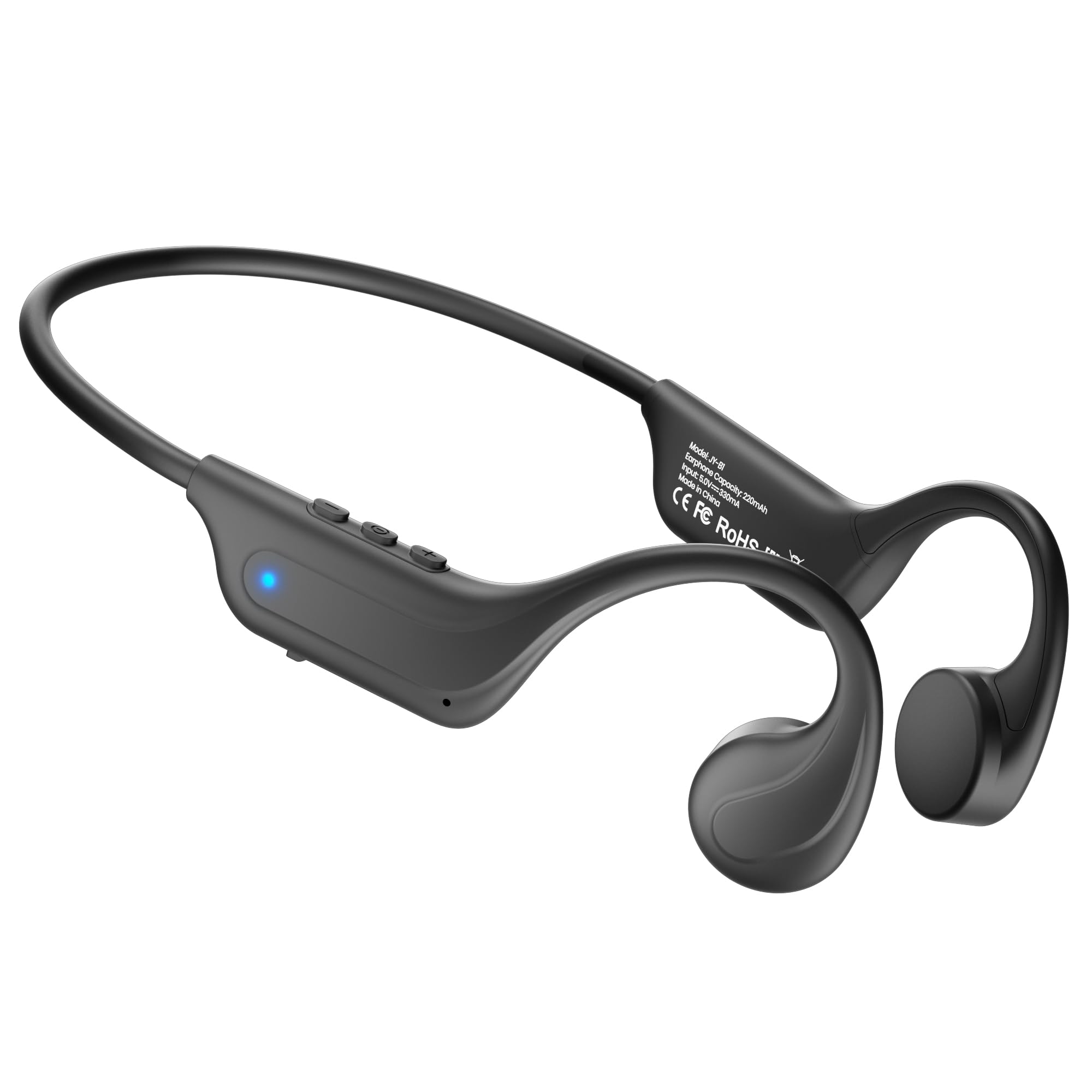
Gavhaio JY-B1

85 /100
Sound Score Excellent

Key details

Charging
Battery Life
10 hours
Weight & Fit
25g frame
Driver Design
Bone conduction
View on Amazon

The Gavhaio JY-B1 brings Bluetooth 6.0, IP65, dual-device connection, and three EQ modes to a price tier that usually skips those extras. Pairing is fast and stable, and switching between a phone and a running watch takes no extra steps. The 25g frame keeps the headphones secure without clamping the temples, so they stay comfortable through interval sessions and longer commutes. Alongside the entry-level budget option in this roundup, the JY-B1 is the one that feels like a more complete package rather than a bare-bones starter.

Sound is clear with enough body for podcasts and training playlists, and the open-ear design keeps traffic and gym announcements audible. The three EQ modes let you shape the response to taste, whether that means more low end for a workout mix or a brighter setting for spoken audio. For daily training and commutes, the JY-B1 covers the basics with a level of polish that belongs above its price.

Best for budget runners and gym-goers who want dual-device convenience without paying flagship prices. If you need multi-year durability under heavy use, treat the JY-B1 as a cost-effective entry rather than a long-term companion.

Pros

  • Clear open-ear sound with strong situational awareness for traffic and gym noise.
  • Lightweight 25g frame stays comfortable through long wear without clamping pressure.
  • Bluetooth 6.0 pairing is fast and stable, with dual-device connection between phone and watch.
  • Battery life covers daily training and commutes on a single charge.

Cons

  • Sweat and light rain are within the IP65 rating; sustained downpours or submersion sit outside it.
  • Battery life tops out around 10 hours, which is fine for daily sessions but short for all-day hikes or long trail runs.
Our verdict

For budget-conscious runners and gym-goers, the JY-B1 is a capable daily trainer with dual-device and EQ features that usually cost more.

Check Latest Price
4

Best Budget Lightweight

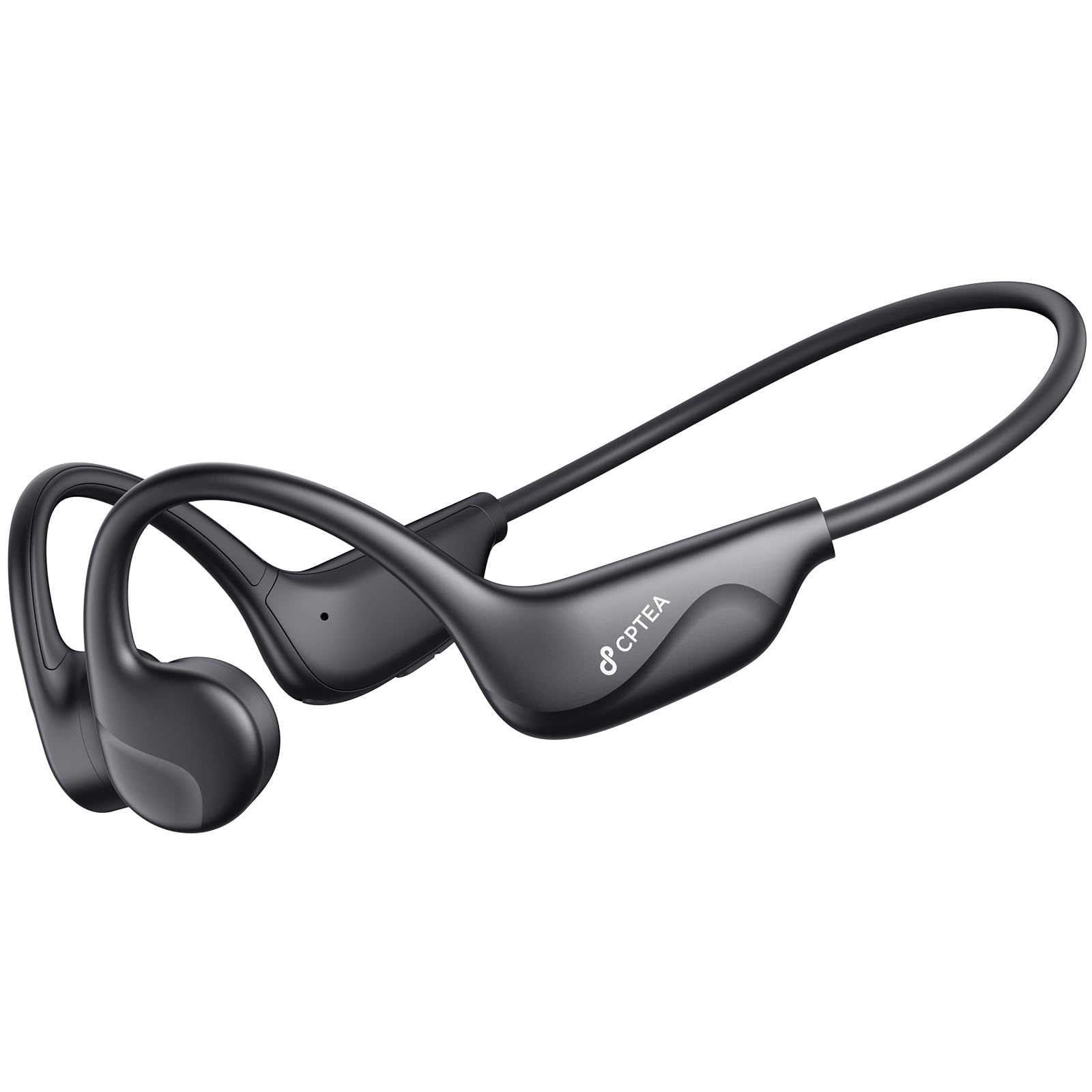
CPTEA X3

85 /100
Sound Score Excellent

Key details

Charging
USB-C
Battery Life
10 hours
Weight & Fit
27g frame
Driver Design
Bone conduction
View on Amazon

The 27g frame keeps this model light enough to forget during a run, and the open-ear design keeps traffic noise present for safer street workouts. It skips the app EQ and dual-device pairing of the budget all-rounder in this lineup, focusing on the core bone-conduction experience.

USB-C charging is a practical addition at this price, and the driver output stays clear at higher volumes without obvious distortion. The light frame also makes longer sessions less tiring than heavier alternatives.

The open-ear soundstage is the main practical payoff: music stays present during a run while nearby traffic or a conversation remains audible, so you can keep both ears open to your surroundings.

This is for budget-conscious runners, gym-goers, and first-time bone-conduction buyers who want a lightweight spare or an entry point without the flagship price. The plastic shell feels less premium than Shokz models, and the 10-hour battery is serviceable rather than class-leading. Those qualities are easy to accept when the goal is a simple, open-ear workout headphone that stays out of the way.

Pros

  • Clear, balanced open-ear sound with useful ambient awareness.
  • Secure 27g frame stays comfortable through runs and gym sessions.
  • Easy Bluetooth pairing with no complicated setup.
  • Good build quality for the price.

Cons

  • In loud gyms, bass-heavy tracks lose impact compared with in-ear buds.
  • IPX5 tolerates sweat and light rain, but heavy downpours are beyond its rating.
Our verdict

A lightweight, budget-friendly bone-conduction starter for runners and gym-goers who want the open-ear experience without flagship extras.

Check Latest Price
5

Best Adjustable Fit

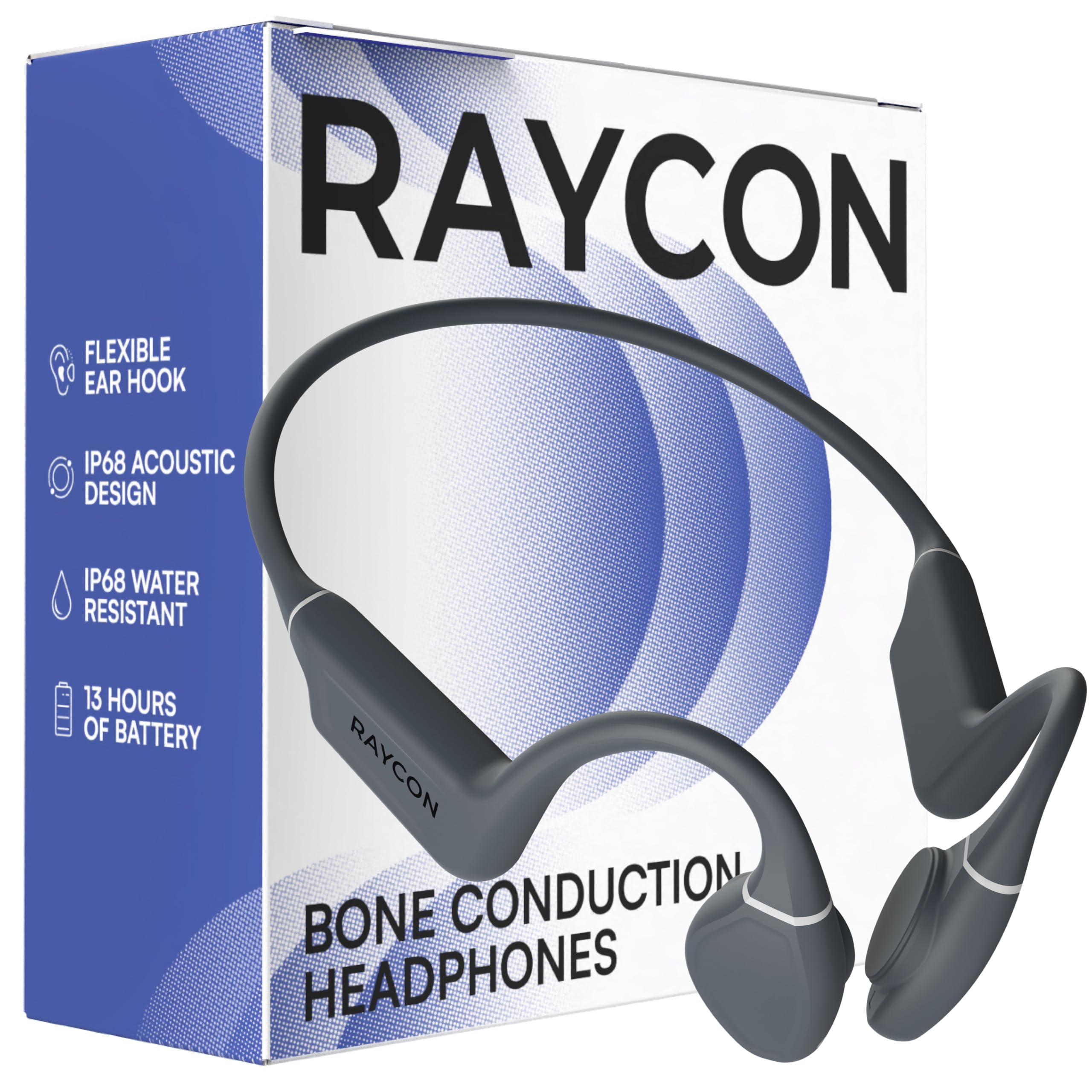
Raycon Bone Conduction

81 /100
Sound Score Excellent

Key details

Charging
Proprietary magnetic
Battery Life
13 hours
Weight & Fit
Adjustable earpieces
Driver Design
16mm driver
View on Amazon

Where the dual-driver flagship leads on sound, the Raycon leads with slide-adjustable earpieces you can reposition without taking them off. The 13-hour battery and IP68 claim give it a meaningful runtime and weather edge over many fixed-frame open-ear models, while Bluetooth 5.3 pairs cleanly with phones and cycling computers.

Call quality is the second standout. The open-ear design keeps traffic and gym noise present, but the bone-conduction driver keeps your voice clear enough for calls and everyday multitasking, so it behaves less like a training gadget and more like an everyday open-ear headset. For call-heavy days, the mic keeps you audible without shouting, and open-ear awareness keeps approaching traffic in earshot. Sound is solid for spoken content and open-air listening, though it won't match the richer dual-driver tone of the top pick.

This is for runners, cyclists, and gym-goers who value fit adjustability and call clarity over audiophile-grade sound. The proprietary charging cable and variable long-term build are the boundaries to weigh before purchase, so buyers who prefer USB-C or maximum long-term durability should consider the dual-driver flagship instead. It fits the mid-range price with adjustability and runtime that fixed-frame rivals don't offer.

Pros

  • Keeps surrounding noise audible while delivering clear audio for music, podcasts, and calls.
  • Handles phone calls and daily multitasking without needing a second pair of earbuds.
  • For an adjustable open-ear design, the feature set lands at a cost-effective price.

Cons

  • The open-ear frame may sit loosely or feel oversized on smaller heads.
  • Proprietary magnetic charger can detach if knocked and is not USB-C.
  • Long-term build consistency can vary; the charging connection can become intermittent.
Our verdict

The adjustable fit and call clarity make this a practical open-ear companion for daily training. Choose the dual-driver flagship when audio depth matters more.

Check Latest Price
6

Mid-Range Buyers

Gelecek 700

94 /100
Sound Score Outstanding

Key details

Charging
Battery Life
10 hours
Weight & Fit
29g titanium frame
Driver Design
Bone conduction
View on Amazon

The Gelecek 700 gives runners, riders, and gym-goers clear open-ear audio with noticeably less sound bleed than typical budget models, all in a 29g titanium memory-wire frame that stays comfortable through long sessions. Battery life and Bluetooth stability hold up across normal training blocks. The main boundary is long-term durability under heavy multi-season use, and that keeps this mid-range option below the guide's top picks; for athletes who want a light frame and clear audio now, the tradeoff is acceptable.

Pros

  • Clear sound with noticeably reduced sound leakage keeps audio focused on the listener.
  • Lightweight 29g titanium memory-wire frame stays comfortable for extended wear.
  • Sustained battery and stable Bluetooth connection support regular training sessions.

Cons

  • Listing title says Bluetooth 6.0; the spec sheet lists 5.4, so confirm the box before purchase.
  • IP55 handles sweat and light rain, but a full downpour exceeds its weather seal.
Our verdict

This is a solid mid-range fit for athletes who want a light titanium frame and clear open-ear sound without spending premium-tier money.

Check Latest Price
7

Ultra-Budget Shoppers

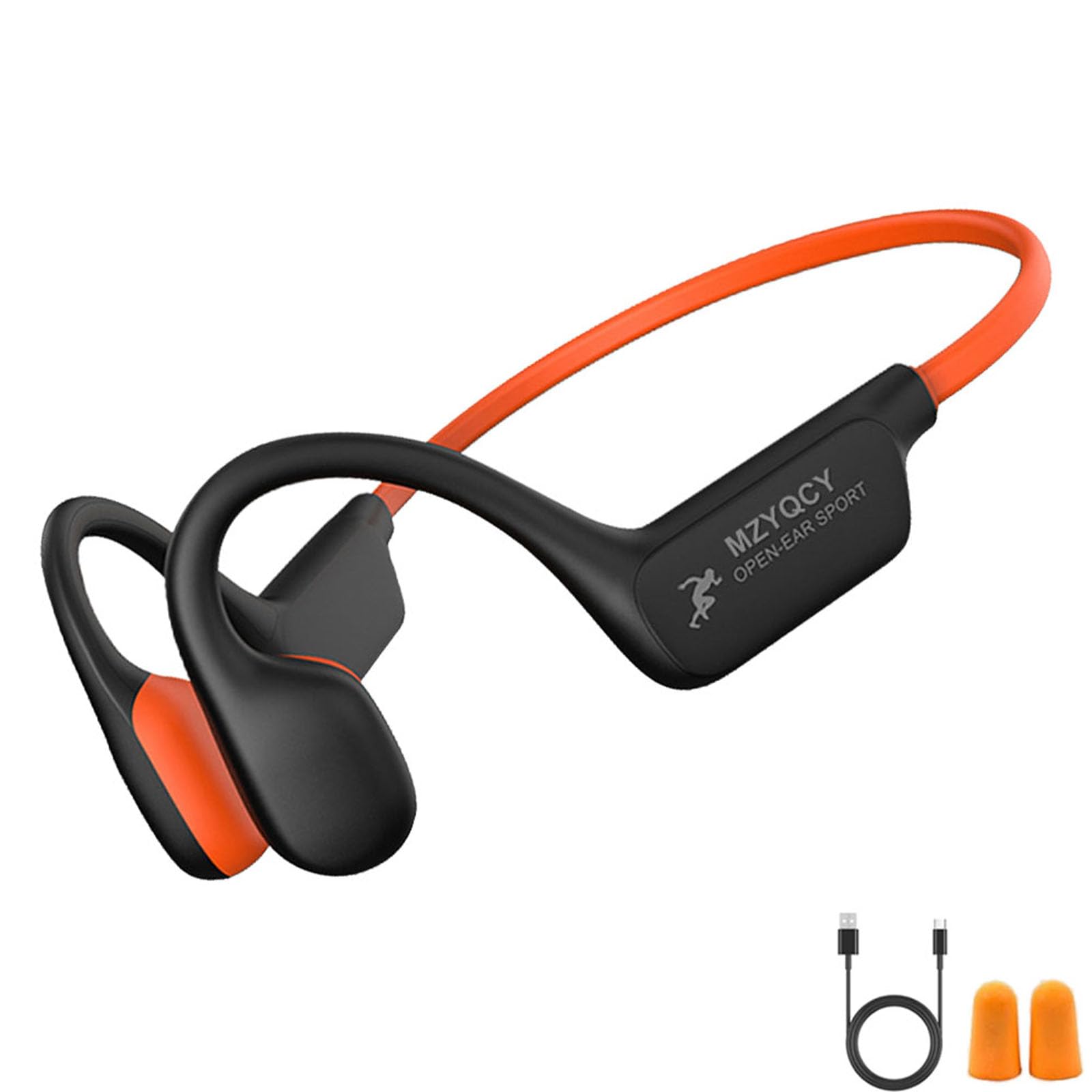
MZYQCY A28

82 /100
Sound Score Excellent

Key details

Charging
USB-C
Battery Life
15 hours claimed
Weight & Fit
29g frame
Driver Design
Bone conduction
View on Amazon

The MZYQCY A28 is an ultra-budget bone-conduction option with a bright sound, a comfortable open-ear fit, and IPX6 sweat resistance. USB-C charging and a light frame make it easy to live with. The advertised 15-hour battery is optimistic, and Bluetooth stability can be inconsistent, so buyers who need a full day at high volume or uninterrupted sessions should look elsewhere. Spec-sheet conflicts also keep it below the top budget picks despite the low price. Casual walkers and light gym users get the best fit.

Pros

  • Bright, clear open-ear sound keeps music audible without blocking surroundings.
  • Strong value for money for budget shoppers.
  • Solid build quality matches the low price.

Cons

  • High-volume use will cut the 15-hour estimate down substantially.
  • Workouts that depend on uninterrupted Bluetooth are a poor match.
Our verdict

It's a cost-effective open-ear entry point for casual walkers and light gym sessions.

Check Latest Price
8

Spec-Driven Budget Shoppers

PSIER X23

83 /100
Sound Score Excellent

Key details

Charging
Battery Life
10 hours
Weight & Fit
23g adjustable strap
Driver Design
Bone conduction
View on Amazon

The PSIER X23 brings Bluetooth 6.0, a 10-hour battery, app EQ, and a 23g frame to the budget end of bone-conduction. The adjustable strap helps the light frame settle on different head shapes, and IPX5 covers sweat and light rain during training. The listing's feature set is a composite of several PSIER models in the same family, so the shipped unit may not match every headline spec; the exact performance profile is hard to pin down until it's in hand. A quick check of the printed model name, charging port, and app pairing on arrival is worthwhile. This is the pick for spec-driven shoppers who accept that first-unit verification as part of the deal.

Pros

  • Bluetooth 6.0 with app EQ gives budget buyers the same wireless and sound-shaping features as pricier models.
  • A 23g frame and adjustable strap keep the headphones secure on runs, rides, and hikes.
  • 10-hour battery covers long half-day sessions on a single charge.

Cons

  • In a loud gym, the open-ear design lets ambient noise compete with audio; raising volume to compensate eats into the 10-hour runtime.
  • IPX5 covers sweat and drizzle, but sustained downpours are outside its protection; the IP67 all-weather option in this set is the safer wet-weather call.
Our verdict

This fits as a budget sports headphone when you're willing to verify the shipped unit's model name, charging port, and app pairing against the listing before relying on it.

Check Latest Price

How to Choose

Battery Life

Advertised runtimes are measured at moderate volume with a fresh battery. At higher volume or with constant music, most models fall closer to 80 percent of the claim, and some budget listings overshoot by a wide margin.

If you train for under an hour a day, a six-to-eight-hour headphone is enough. If you do all-day rides or marathon training, look for 10 hours or more and a quick-charge feature that gets you through a forgotten charge.

Water Resistance

IP rating tells you what liquid the unit can handle, but not for how long. IPX5 and IP55 handle sweat and light rain; IP67 and IP68 add dust protection and survive submersion, which is why trail runners prefer them.

A higher rating usually requires more sealing, which can complicate buttons and charging ports. That is why some premium models with richer sound carry only IP55 while simpler all-weather models stay at IP67.

Weight and Fit

Bone conduction relies on the transducers pressing lightly against your cheekbones. If the frame is too loose, the bass drops and the headphone slides; if it is too tight, pressure headaches appear within an hour.

Fixed titanium frames are light but one-size-fits-most. Adjustable earpieces solve fit problems for people between sizes, while mini frames work for smaller heads but not large ones.

Charging Convenience

Magnetic chargers are easy to click on, but proprietary connectors are easy to lose and can knock loose during charging. USB-C is the more practical standard because a cable is always nearby.

Charging problems are one of the most common reasons bone-conduction headphones stop working after a year. If you plan to keep a pair for daily commutes, choose USB-C where possible and keep the cable away from pets and bags.

Driver Design

Pure bone conduction sends vibrations through the skull and leaves the ear canal open. It preserves situational awareness but produces less bass and lower max volume than in-ear headphones.

Dual-driver models add a small air-conduction speaker to support the bone transducer, giving richer sound without fully plugging the ear. The trade-off is extra cost and sometimes a lower water-resistance rating.

Frequently Asked Questions