10 Best Headphones for Electronic Drums in 2026: Ones That Isolate

The right headphones for electronic drums are closed-back, easy to drive, and comfortable — here's how to match them to your module and practice routine.

A drum module doesn't care about marketing stickers. Headphones labeled 'studio monitor' or 'DJ' can still have the wrong enclosure, the wrong impedance, or the wrong cable for an electronic kit. The practical difference comes down to three things: a closed-back shell that keeps the click in and the room out, an impedance low enough for the module to drive, and a cable you can actually replace when it gets yanked.

Comfort is the second filter, and it matters more than the brand name on the earcup. Shallow pads and a stiff clamp turn a 40-minute practice session into a distraction, while velour or deep foam keeps you focused on the pattern. The right pair balances plush fit against the isolation and cable flexibility your setup needs.

About the Sound Score: This comparative score is calculated from a product's published customer rating and review volume. It is not a laboratory measurement or a hands-on test result.

1

Best Overall

Audio-Technica ATH-M50x

95 /100
Sound Score Outstanding

Key details

Cable
Detachable, 3 included
Comfort
Firm clamp, compact earcups
Enclosure
Closed over-ear
Impedance
38 ohm
View on Amazon

The ATH-M50x pairs studio-grade clarity with 45mm drivers and a 38Ω closed-back design that runs cleanly from a drum module, interface, or phone without an amp. Three detachable cables ship in the box — straight, coiled, and short — so switching between a module, mixer, and portable player is quick. The closed shell keeps sound from leaking into a practice space, and the crisp, slightly forward low end keeps kick and tom transients audible while tracking electronic drums. The earcups also swivel flat for packing into a gear bag.

For e-drummers monitoring from a module or interface, this is the flexible all-round choice: closed-back, easy to drive, and with enough cable options for studio, practice, and a quick switch to casual listening. That makes it a realistic one-headphone setup for players who don't want separate cans for practice and playback. The same strengths carry over to producers tracking with a module or mixing in a small room. Firm clamp and small earcups can fatigue larger heads in long sessions. If you need a neutral reference for critical mix judgment, the M-series sibling is the better tool.

💡 Rotate the swivel earcups so the pads align with your ears before adjusting headband tension.

Pros

  • Crisp, detailed sound keeps drum hits and samples clear during tracking and casual listening.
  • Solid build with a sturdy headband and swivel earcups holds up to regular use at a mid-range price.
  • Three detachable cables — straight, coiled, and short

Cons

  • Ear cups run small and the clamp is firm, so larger ears can feel pressure during long sessions.
  • After a year or two of heavy use, the swivel yoke can loosen or crack.
Our verdict

For e-drummers who want one closed-back wired headphone that moves from drum module to interface to phone without extra gear, the M50x is the pick.
Check Latest Price
2

Studio Reference Standard

Sony MDR7506

95 /100
Sound Score Outstanding

Key details

Cable
9.8ft fixed cord
Comfort
Shallow cups, firm clamp
Enclosure
Closed over-ear
Impedance
63 ohm
View on Amazon

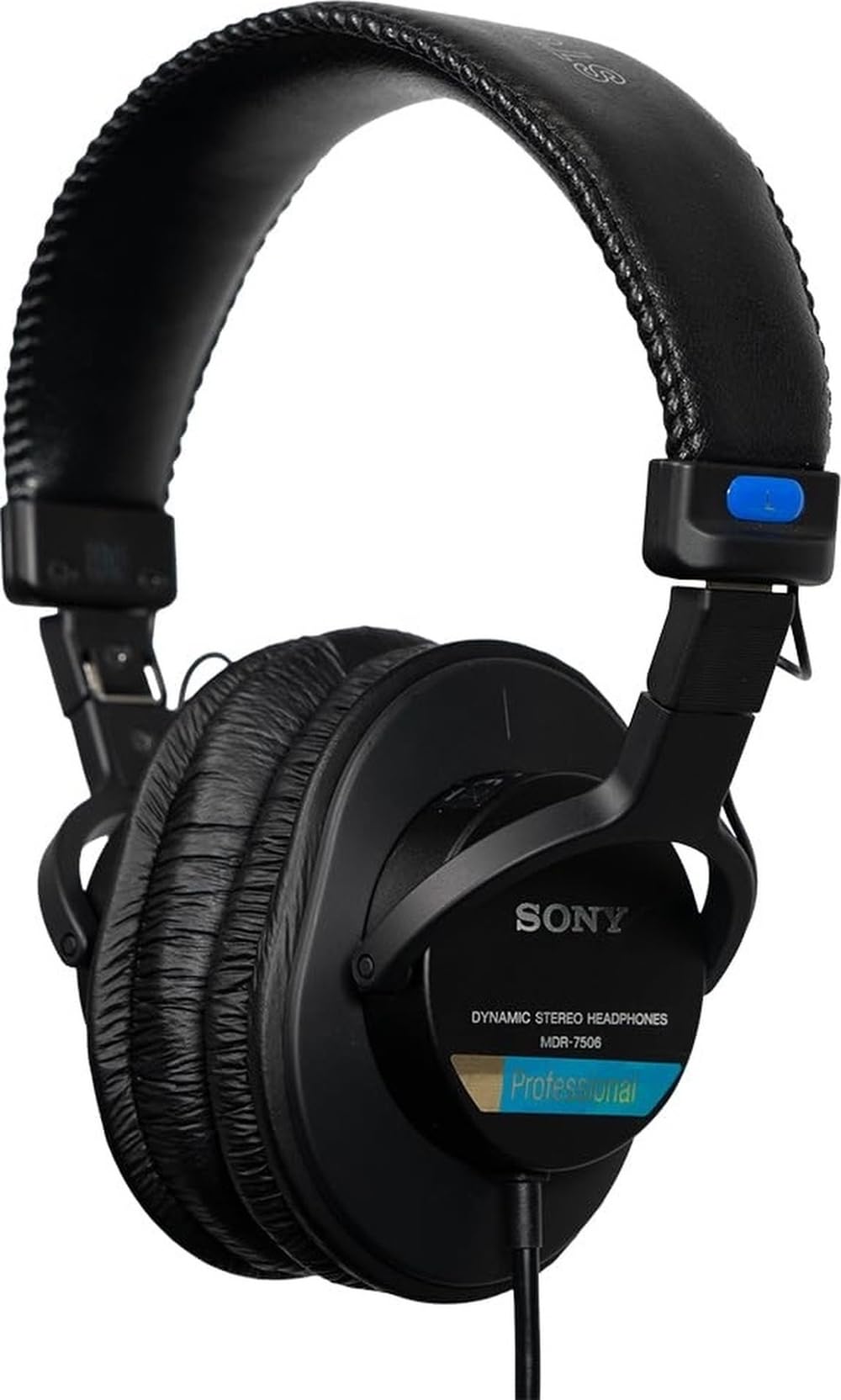
The Sony MDR7506 delivers a flat, honest studio reference that still defines what accurate monitoring sounds like. Its uncolored presentation exposes detail without hyping bass or treble, so e-drummers hear exactly what the module outputs. Compared with the detachable-cable M-series monitor in this set, the MDR7506 prioritizes signal accuracy and long-standing studio acceptance over modern convenience.

This is the pick for engineers and budget-conscious players who put accuracy first and accept a fixed 9.8ft cable. Shallow earpads and a firm clamp may bother some, and the permanent cord is not user-swappable, but those boundaries matter less during focused practice than during casual lounging. For e-drum monitoring with a closed-back shell and strong isolation, the MDR7506 is the cost-effective reference.

💡 Loop the long cable around the drum rack to keep the fixed cord from pulling at the jack.

Pros

  • Flat, honest tuning reveals exactly what the drum module outputs without hyped bass or treble.
  • Closed-back shell blocks outside sound and keeps e-drum audio inside the room.
  • Long-standing studio standard with an accessible price for monitoring work.

Cons

  • Shallow earpads can press against the ears and may heat up during longer sessions.
  • The permanently attached 9.8ft cable cannot be swapped out if damaged.
Our verdict

For e-drummers who want the raw signal above all, the MDR7506 is the value reference in this comparison.

Check Latest Price
3

Long-Session Comfort Pick

beyerdynamic DT 770 PRO

93 /100
Sound Score Outstanding

Key details

Cable
Non-detachable 3m
Comfort
Light clamp, velour pads
Enclosure
Closed over-ear
Impedance
80 ohm
View on Amazon

Robust German construction, plush velour pads, and strong closed isolation make the DT 770 PRO 80 Ohm a long-session monitor for electronic drummers. It delivers a well-balanced, clear sound with tight bass, and the 80Ω design suits modules and audio interfaces rather than phone headphone jacks.

This is for e-drummers who prioritize marathon practice comfort and serviceable parts over cable convenience. The velour earpads and headband padding hold up for long sessions, and the closed shell keeps kick and snare monitoring contained. Accept that the cable is permanently attached and that larger ears may touch the driver housing; both are tradeoffs of this design.

💡 Keep the cord away from chair wheels and pedalboards to protect the non-swappable cable.

Pros

  • Plush velour pads and light clamp make long practice sessions easy on the head.
  • Closed-back shell contains the sound, so kick and snare monitoring stays in your ears.
  • Metal parts and robust construction give a tank-like feel that holds up in a fixed studio setup.

Cons

  • Larger ear shapes can touch the internal driver housing, so a try-on is worth doing.
  • The permanently attached cable means cord damage requires repair rather than a quick swap.
Our verdict

The DT 770 PRO is the closed-back comfort alternative for marathon practice, prioritizing velour comfort and serviceable parts over cable-swap convenience.

Check Latest Price
4

Best Budget E-Drum Pick

OneOdio Pro-10

89 /100
Sound Score Excellent

Key details

Cable
Detachable, dual 3.5/6.35mm
Comfort
Soft pads, firm clamp
Enclosure
Closed over-ear
Impedance
32 ohm
View on Amazon

The Pro-10 is a closed-back DJ monitor with 50mm drivers, 110dB sensitivity, dual 3.5mm/6.35mm connectivity, and a share port for e-drum practice or guitar jams. The 32-ohm design drives easily from drum modules, audio interfaces, and portable players, and the closed shell keeps electronic drum sounds from spilling into the room.

This is the budget default for first-time e-drum players, DJ/guitar hobbyists, and anyone who needs both cable types out of the box. Padded ear cushions suit long practice sessions, but the clamp is tight for very large head sizes and the plastic yoke joints can crack under rough daily use; account for that before choosing this as your only heavy-duty studio headphone.

Pros

  • Powerful, clear 50mm sound with satisfying bass at a budget price.
  • Dual 3.5mm/6.35mm cables and a share port cover e-drum and DJ setups immediately.
  • Padded ear cushions keep long practice sessions comfortable.

Cons

  • Clamp is tight and earcups run small for very large head sizes.
  • Plastic yoke joints may crack when the headphone is subjected to rough handling.
Our verdict

The Pro-10 is the budget wired e-drum pick for players who want high output, dual-jack convenience, and a share port without spending more.

Check Latest Price
5

Neutral Budget Monitor

Audio-Technica ATH-M40x

93 /100
Sound Score Outstanding

Key details

Cable
Detachable, straight + coiled
Comfort
Tight clamp, small cups
Enclosure
Closed over-ear
Impedance
35 ohm
View on Amazon

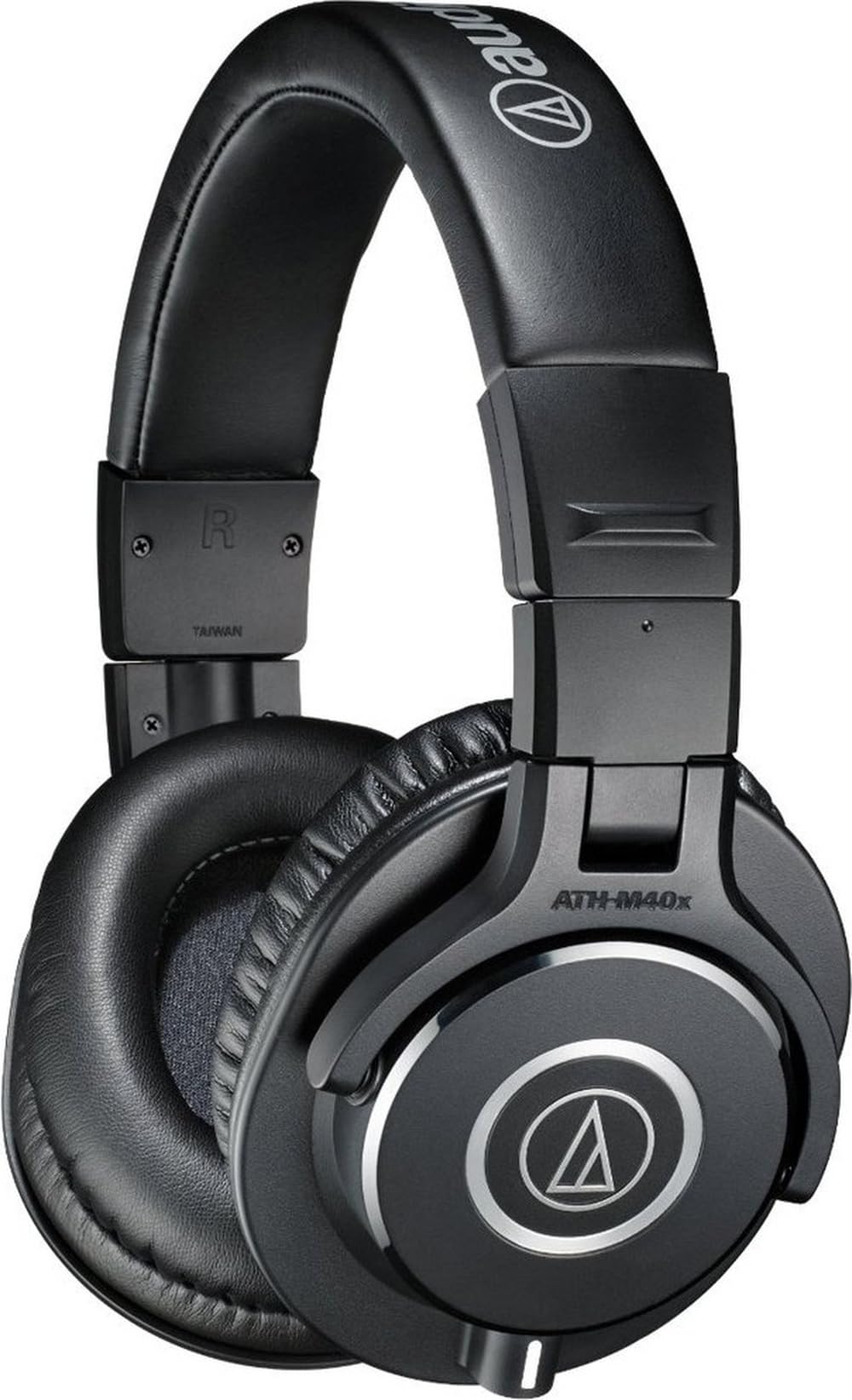
The M40x is the flattest-sounding monitor in the M-series, with clear mids that make e-drum module tones easier to separate than on the more hyped M50x. Detachable straight and coiled cables let you swap a damaged cord without replacing the headphone, and the 35Ω impedance plays cleanly from a drum module, audio interface, or laptop.

It suits e-drum players and budget producers who want an uncolored closed-back mix and a replaceable cord. The tradeoff is a tight clamp and small earcups, so longer sessions can turn warm and sore on larger heads; the plastic hinge area can wear under heavier use. Treat it as a practice-room monitor rather than a road headphone.

Pros

  • Flatter, articulate mix with clear mids that make e-drum module tones easy to balance.
  • Detachable straight and coiled cables let you replace a damaged cord instead of the whole headphone.
  • Closed-back seal keeps e-drum click in the room and room noise out of the mix.

Cons

  • Earpad coating can peel after extended use.
Our verdict

For e-drum players who want a flat, detachable-cable monitor without paying top-pick money, the M40x is the value choice.

Check Latest Price
6

Best Wireless/Wired Hybrid

OneOdio A70

89 /100
Sound Score Excellent

Key details

Cable
Bluetooth plus wired jacks
Comfort
Low clamp pressure
Enclosure
Closed over-ear
Impedance
32 ohm
View on Amazon

The A70 is the only headphone in this set that pairs 72-hour battery life with Bluetooth plus 3.5mm and 6.35mm wired jacks, so e-drummers can switch from low-latency wired monitoring to wireless practice without changing headphones. Its 40mm drivers sound clear across music and monitoring, and the closed-back shell contains stick and module noise.

This is best for players who want one budget-friendly headphone covering both wired e-drum sessions and wireless listening between practice. The clamp can be tight on some adult heads and too roomy for smaller ones, and unit consistency can vary, so checking fit before long sessions is worth the time.

💡 Keep the wired cable connected for e-drum sessions; Bluetooth handles casual listening between takes.

Pros

  • Clear closed-back sound that works for both monitoring and everyday music listening.
  • Bluetooth plus both 3.5mm and 6.35mm jacks lets one headphone handle wired and wireless use.
  • 72-hour battery life covers multi-day practice without frequent charging.

Cons

  • Clamp is tight for some adult heads and too large for small heads or children.
  • Unit-to-unit consistency can vary; some units may stop charging or lose one side.
Our verdict

If your practice setup has room for one headphone, the A70 is the budget dual-mode pick.

Check Latest Price
7

Amped Critical Listening

beyerdynamic DT 990 PRO

93 /100
Sound Score Outstanding

Key details

Cable
3m coiled, non-detachable
Comfort
Velour pads, light clamp
Enclosure
Open-back over-ear
Impedance
250 ohm
View on Amazon

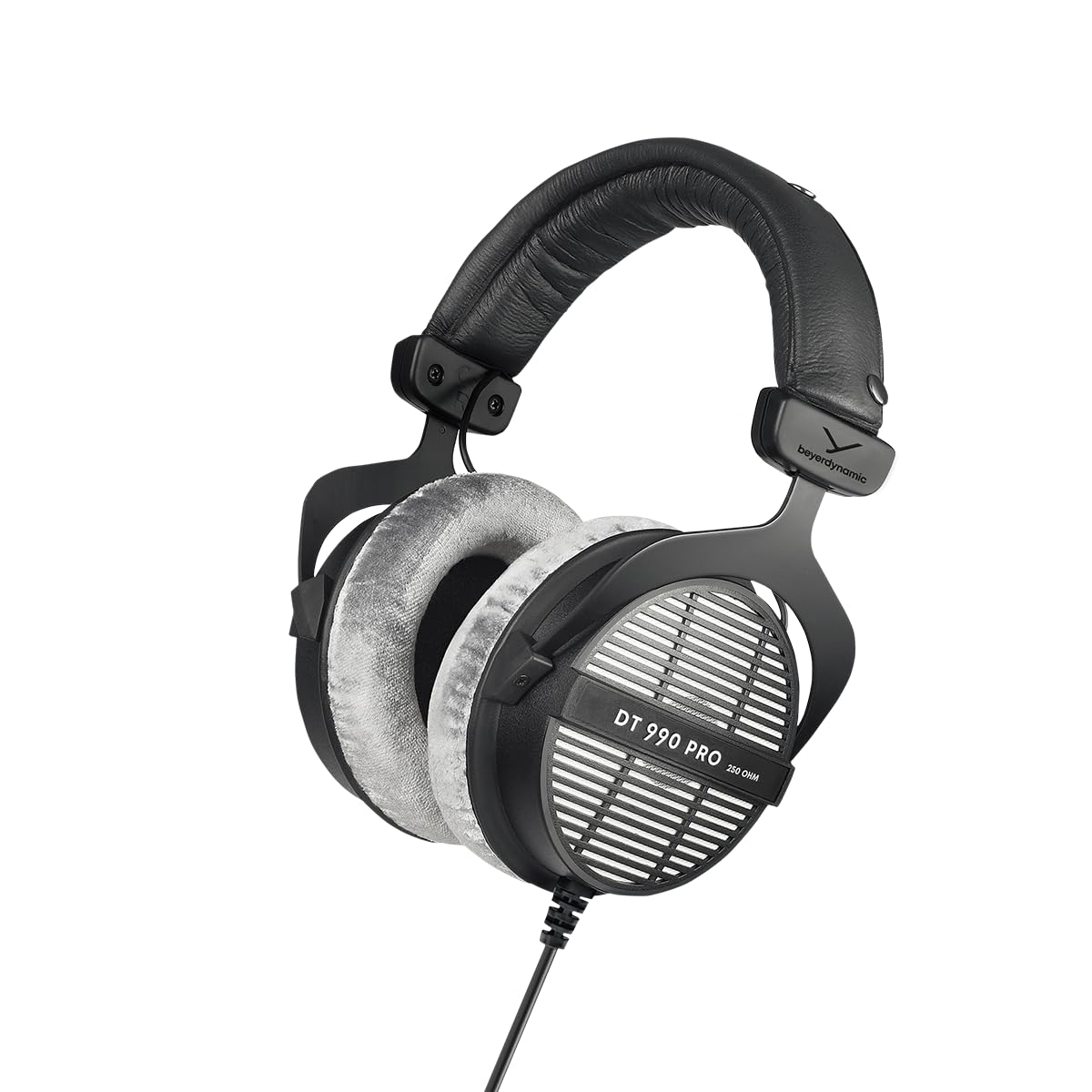
Open-back soundstage delivers the clarity and precise imaging audiophiles want, with velour-padded comfort for long sessions. But this is the wrong tool for e-drum monitoring: it leaks sound and lets room noise in, and 250-ohm impedance means a phone won't drive it properly. Best for audiophile drummers doing sound design in a quiet room with a headphone amp.

Pros

  • Wide, precise open-back imaging reveals detail for quiet-room sound design.
  • Plush velour earpads keep long listening sessions comfortable.

Cons

  • Open-back shell leaks sound and provides no isolation, disturbing others and letting room noise in.
Our verdict

Choose this only if you prioritize an open, detailed mix and already have a headphone amp — not if you need leak-free e-drum monitoring.

Check Latest Price
8

Maximum Isolation

Sennheiser HD 280 Pro

91 /100
Sound Score Outstanding

Key details

Cable
Coiled, replaceable
Comfort
High clamp force
Enclosure
Closed over-ear
Impedance
64 ohm
View on Amazon

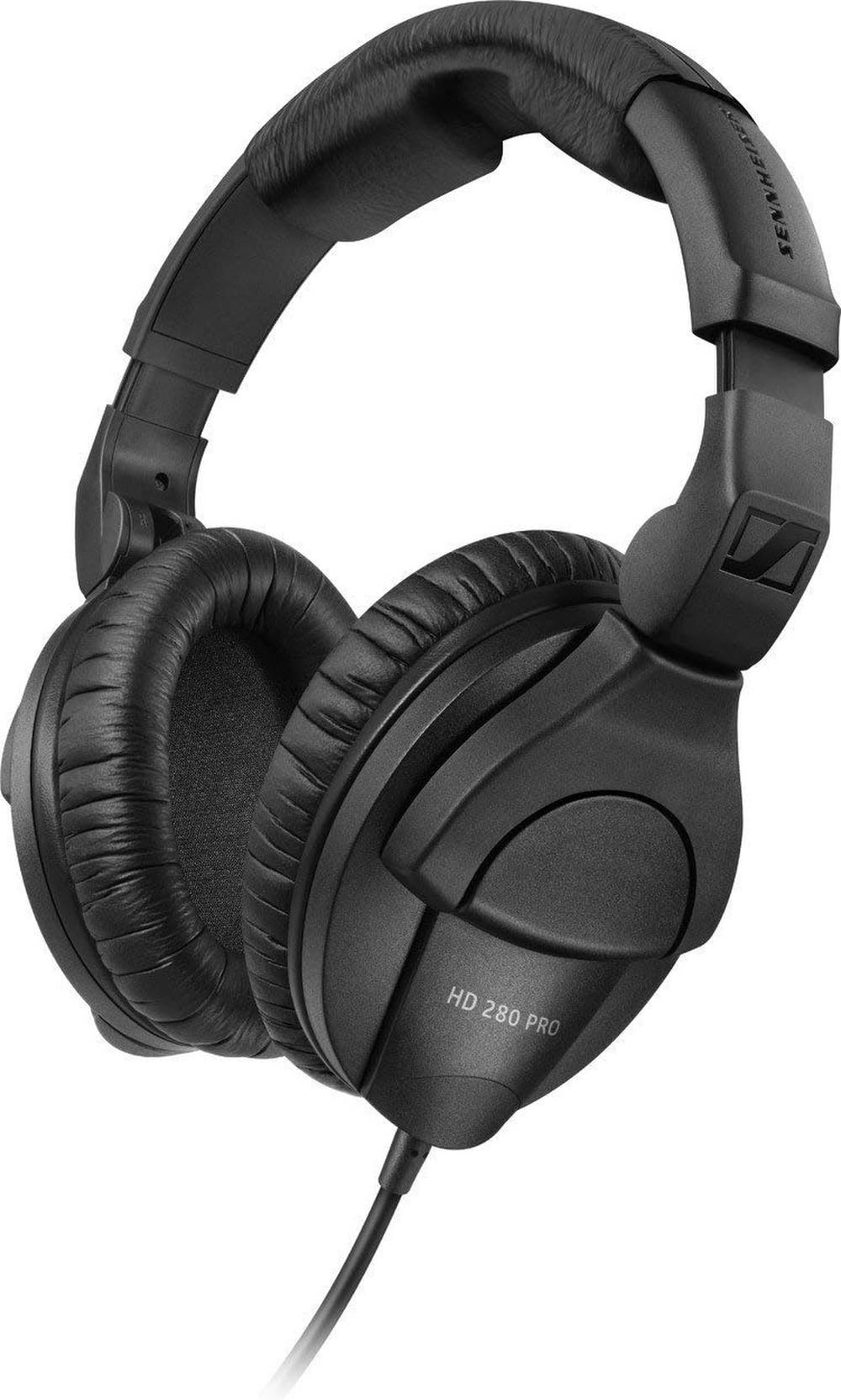
Thirty-two decibels of passive attenuation keeps electronic drum hits from leaking into shared rooms, and the crisp highs make kick and snare transients easy to identify. High clamp force and heat buildup are real, and some units show headband cracks or wiring faults, so this is a specialist for loud spaces rather than a top-tier comfort pick.

Pros

  • 32dB passive isolation contains electronic drum volume in shared living spaces.
  • Crisp, detailed sound keeps kick and snare transients clear during practice and recording.

Cons

  • Comfort for long practice sessions is the tradeoff for the strong isolation.
Our verdict

For drummers practicing in shared spaces, the 32dB isolation is the reason to choose this model.

Check Latest Price
9

Budget Critical Listening

AKG K240 Studio

91 /100
Sound Score Outstanding

Key details

Cable
Detachable 3m
Comfort
Self-adjusting headband
Enclosure
Semi-open over-ear
Impedance
55 ohm
View on Amazon

The self-adjusting headband, 55Ω impedance, and detailed midrange make this a sensible budget pick for critical listening in a quiet room. Semi-open construction leaks sound and admits room noise, which limits it for shared-space e-drum practice; isolation-minded buyers should look to closed-back monitors.

Pros

  • Clear, detailed midrange reveals drum hits and synth tones without harshness.
  • Self-adjusting headband keeps the fit stable through long practice sessions.

Cons

  • Semi-open shell leaks sound and admits room noise, so not for shared spaces or loud rooms.
Our verdict

Best for quiet-home e-drummers who want accurate sound and comfort without spending much; choose a closed-back monitor if isolation matters.

Check Latest Price
10

Budget Soundstage

Samson SR850

91 /100
Sound Score Outstanding

Key details

Cable
Fixed
Comfort
Velour pads, tight fit
Enclosure
Semi-open over-ear
Impedance
32 ohm
View on Amazon

An ultra-budget semi-open monitor with 50mm drivers, wide imaging, velour earpads, and a near-open soundstage. For home e-drum practice in a quiet room, its clarity reveals cymbal decay and kick articulation for little money, but the semi-open shell leaks sound and invites room noise. The lightweight plastic build, cable strain, and tight fit on larger heads are trade-offs.

Pros

  • Crisp highs and open imaging expose mix details that budget monitors mask.
  • Velour earpads keep long practice sessions comfortable.

Cons

  • Velour earpads can feel itchy for some skin types during extended use.
Our verdict

Fits the e-drummer who practices alone in a quiet room and wants maximum soundstage per dollar.

Check Latest Price

How to Choose

Closed vs Open Design

Closed-back headphones create a sealed chamber around the ear, which keeps the module's click and pad sounds inside your head and blocks room noise from bleeding into recording. Open-back and semi-open models vent that chamber: they image wider, but they leak sound in both directions. For electronic drums, that leak usually matters more than the wider soundstage.

Most e-drum practice happens in a living room, bedroom, or shared studio. If you play near other people or record while monitoring, closed-back is the only design that contains the noise. Buy open-back only when you practice alone and want the most natural mix for sound design.

Impedance and Amplifier Needs

Impedance determines how much voltage a headphone needs to reach a given volume. A 32–80Ω headphone will run cleanly from a drum module, audio interface, or laptop; a 250Ω model often sounds weak and dull until you add a dedicated headphone amplifier.

Modules and interfaces vary, but the headphone output is usually designed for low-impedance studio cans. If you already own a high-impedance pair, try it before buying an amp — some interfaces have enough gain to drive them fine.

Cable Type and Connectors

Detachable cables are the most underrated longevity feature in this category. The cord is the part that gets stepped on, yanked, and wrapped; when it breaks on a fixed-cable headphone, the repair cost can exceed the price of a new budget pair.

Look for 6.35mm or a dual 3.5/6.35mm plug so you can connect to a drum module or mixer without hunting for adapters. Coiled cables take up less slack on a kit, and a 3m straight cable gives more movement if you prefer standing while playing.

Comfort and Clamp Force

Clamp force and earcup depth decide whether a headphone lasts through a full practice session. A tight clamp holds the headphone in place but presses on the temples; shallow earcups let your ears touch the driver grille, which creates soreness after 30 minutes.

Velour pads breathe better than leather-style pads over an hour of playing, and larger over-ear cups spread pressure across a bigger area. If you have a large head or ears, look for low clamp force and deep earcups rather than relying on the words 'studio monitor.'

Durability and Repairability

The most common weak points in this category are plastic yokes, hinges, and the cable entry into the earcup. A headphone built for DJ use can still crack at the folding joint after a year of daily on-and-off wear.

Replaceable earpads extend the useful life because pads flatten and peel long before the drivers themselves wear out. A metal headband and metal yoke are the strongest indicators of longevity, but even plastic-bodied models can last if the joints are simple and the cable detaches.

Frequently Asked Questions