7 Best Planar Magnetic Headphones of 2026: Pick the Fit That Lasts

The best planar magnetic headphones for your head shape, amp, and listening space — so you get the open-back sound you paid for.

Planar magnetic headphones get marketed on magnet arrays and ultra-thin diaphragms, but the details that decide whether you keep them are more ordinary: how the headband sits, whether your source can drive them, and how much sound they leak into the room. A headphone with an impressive spec sheet can end up unused because it slides down or sounds thin from a phone jack.

That is why the best way to choose is to match the headphone to your head shape and your listening chain before comparing driver sizes. The models that work in the long run deliver enough clamp for a stable fit, respond properly to a basic amp or DAC, and fit the kind of room you listen in.

Open-back planars also leak sound outward and let room noise in. Budget for an amplifier, measure the headband against your head size, and treat them as home listening gear — that combination matters more than any single spec.

About the Sound Score: This comparative score is calculated from a product's published customer rating and review volume. It is not a laboratory measurement or a hands-on test result.

1

Best Overall

HIFIMAN Sundara

86 /100
Sound Score Excellent

Key details

Back Type
Open-back
Fit & Weight
372g, metal headband
Cables & Plugs
3.5mm
Amp Requirement
32Ω, 94dB
View on Amazon

The Sundara's planar driver produces fast, clean transients with a balanced tuning that stays neutral without sounding sterile. The metal headband feels more substantial than the plastic used on budget planars, and the 32Ω/94dB sensitivity lets a modest desktop amp drive it without excessive gain. The 372g weight is manageable for long sessions, and EQ behaves predictably: a small low-shelf boost or a gentle treble cut does not upset the midrange's composure. You get a dependable tonal foundation that stays put after one adjustment.

At a mid-range price, this remains the benchmark planar for tonal balance and detail retrieval. Imaging is precise, low-frequency distortion is low, and individual instruments keep a defined place in a centered stage. It does not inflate its soundstage the way the larger-cup Edition XS line does, but it presents a coherent, analytical picture with enough air around elements for critical listening. Its planar bass is quick: kick drums snap without lingering, and sub-bass rolls off gently unless you add a shelf. Mix engineers, home listeners, and former dynamic-headphone owners moving into planars will find the Sundara a suitable reference for checking tonal balance and mix decisions.

Planar headphones amplify the source chain, so a clean desktop amp sharpens pace and bass control. A phone jack will reach moderate volume, but a dedicated amp gives the low end more grip and helps the Sundara resolve the fine detail it was tuned to expose. The same amplifier discipline applies across the planar category; the Sundara just makes the benefit easy to hear.

Open-back construction vents heat well, which helps during long analysis sessions. It also leaks sound freely, so a private room or studio is the right setting rather than a shared workspace.

This is for the audiophile or studio listener who wants a balanced reference without chasing the widest stage. It suits stationary home listening near a desktop amp, and it is not the grab-and-go daily headphone. If your priority is maximum soundstage width, the larger-cup Edition XS line deserves a listen; if a safer all-round tuning and stable fit matter more, the Sundara is the call. Driver consistency can vary between units, so an early channel-balance check is part of the buyer's routine.

💡 A 2m aftermarket cable with a right-angle plug simplifies desktop amp placement.

Pros

  • Balanced, well-extended frequency response with clean EQ headroom.
  • Benchmark planar value at a mid-range price.
  • Fast, detailed reference-style planar sound.
  • Metal headband and 32Ω/94dB sensitivity work well with desktop amps.

Cons

  • Treble presence sits bright enough that sensitive listeners may want a gentle EQ cut.
  • Stock cable is stiff and short; a desk setup will likely want a longer aftermarket run.
  • Earpads can soften sooner than expected.
Our verdict

A balanced reference tuning, broad amp compatibility, and stable fit make it the default all-round planar at this price.

Check Latest Price
2

Best Value Soundstage

HIFIMAN Edition XS

83 /100
Sound Score Excellent

Key details

Back Type
Open-back
Fit & Weight
405g, large earcups
Cables & Plugs
3.5mm
Amp Requirement
18Ω, 92dB
View on Amazon

Stealth magnet planar drivers deliver a wide, natural presentation and deep bass at a mid-range price. Where the top pick stays neutral, the Edition XS emphasizes spatial scale: image placement is stable and airy, and orchestral or live recordings keep instruments separated across the stage. The 405g frame is noticeable, but the padding distributes it well over long home sessions.

The Edition XS undercuts far more expensive planars while keeping the HIFIMAN spatial character. Bass extension stays controlled without bleeding into the mids, and detail retrieval keeps the sound engaging rather than clinical. That combination of stage width and resolution is the main reason to choose it over the top pick.

Open-back planars reward a quiet room and a clean amp. The 18Ω/92dB drivers can run from a phone dongle, though a desktop amp adds dynamic headroom and tighter bass control. That flexibility makes it easy to pair with existing gear rather than demanding a new front-end.

Home listeners with average-to-large heads get the most out of the Edition XS. The earcups run large and the clamp is light, so smaller-headed listeners may struggle to keep them positioned; for a larger head, that same light clamp translates into comfortable all-day wear. If you listen at a desk and like to EQ, this pair is a strong alternative to the top pick.

Pros

  • Wide, natural soundstage with detailed imaging places instruments clearly in space.
  • Mid-range price undercuts far more expensive planars without losing scale or detail.
  • Stealth magnet planar driver adds deep, controlled bass for an open-back design.
  • Responds well to EQ, so listeners can shape the tuning around their preferences.

Cons

  • Build consistency can vary between units, so a quick visual check after unboxing is worthwhile.
  • Driver or 3.5mm connection issues can surface in some pairs, making an immediate left-right channel test sensible.
Our verdict

This is the pair to choose over the top pick when your listening sessions center on orchestral width and live-recording air.

Check Latest Price
3

Best Lightweight Studio Value

FiiO FT1 Pro

82 /100
Sound Score Excellent

Key details

Back Type
Open-back
Fit & Weight
374g, open-back frame
Cables & Plugs
Amp Requirement
20Ω
View on Amazon

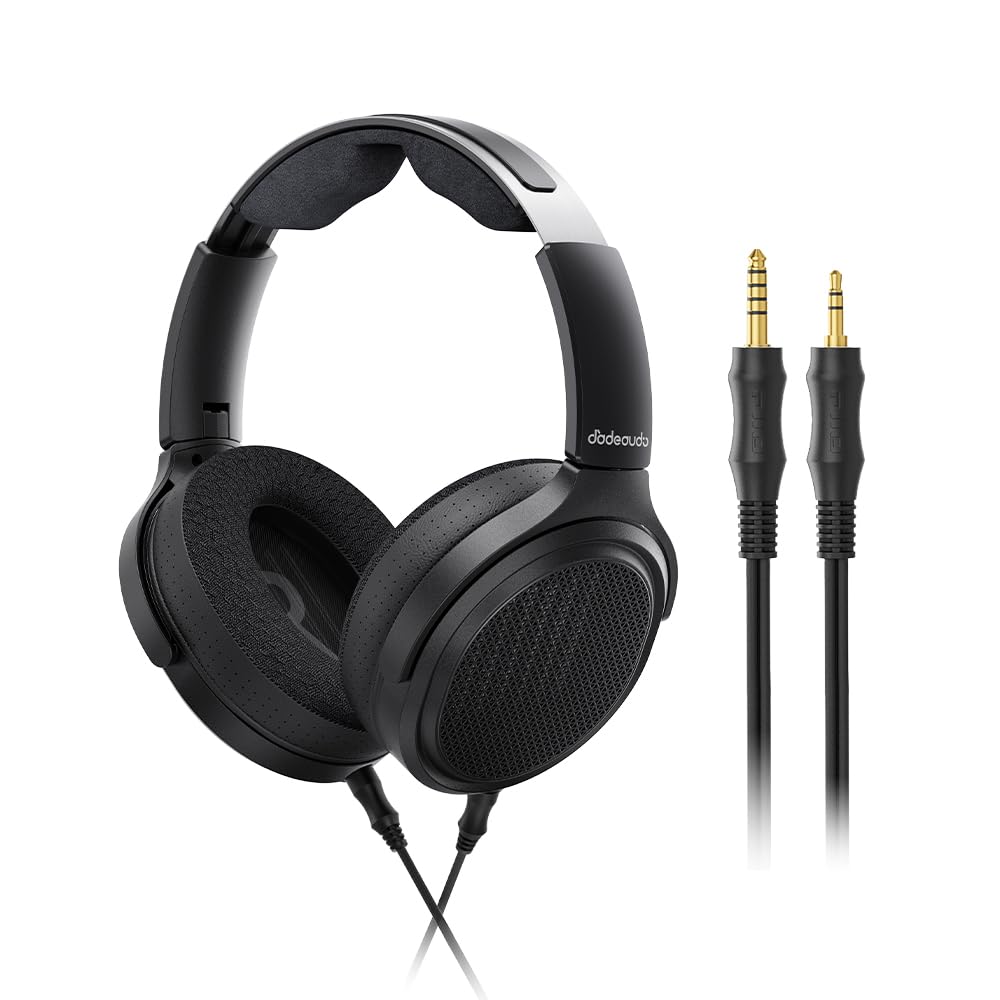
The FiiO FT1 Pro pairs a 95x86mm planar driver with a 1μm dual-coated diaphragm inside a 374g open-back frame, producing a clean, resolving sound that clears its mid-range price point. The weight advantage is immediately noticeable for listeners used to heavier planars, and the open-back shell keeps the presentation airy for studio monitoring. That combination sets it apart from the budget foldable planar in this set, which trades this design for portability.

The low 20Ω impedance also gives the FT1 Pro broad source compatibility: phones, laptops, and compact amps can drive it without a dedicated headphone amplifier. Around a desktop setup, that removes one more piece of gear from the purchase. The ultra-thin diaphragm keeps transients quick, so vocals and acoustic instruments stay articulate at moderate listening levels.

This is a studio/home headphone for listeners who want open-back clarity without the usual planar weight. It leaks sound and lets in ambient noise, so closed-back or portable buyers should move on. QC variance exists — some units show earcup housing cracks, driver rattle, or low-frequency distortion — so verify the unit after opening and use the warranty if needed. A quiet listening room gets the most from its fine detail, and a clean sample delivers a light, open sound that the heavier alternatives in this range don't share.

Pros

  • Clean, resolving sound that clears its mid-range price point.
  • 374g open-back frame keeps long listening sessions comfortable.
  • 20Ω impedance pairs easily with phones, laptops, and compact amps.

Cons

  • Individual units can show earcup housing cracks or channel pairing issues.
  • Low-frequency playback may include distortion or driver rattle on some samples.
Our verdict

For quiet studio and home listening, the FT1 Pro is the lighter alternative to the category's balanced reference when low weight and open-back clarity matter most.

Check Latest Price
4

Best Gaming/Audiophile Hybrid

ASUS ROG Kithara

81 /100
Sound Score Excellent

Key details

Back Type
Open-back
Fit & Weight
Light clamp
Cables & Plugs
3.5mm, 4.4mm, USB-C
Amp Requirement
View on Amazon

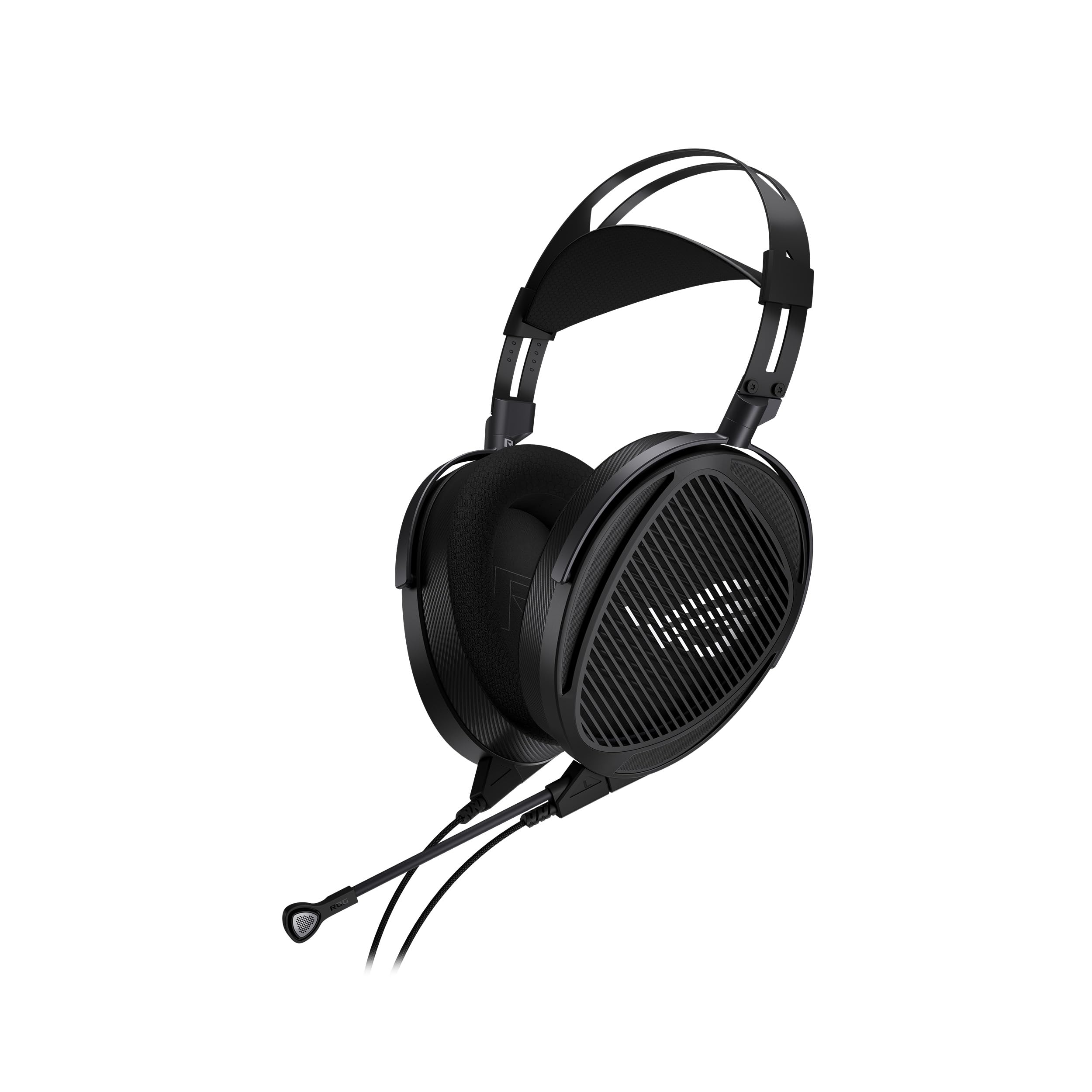
The Kithara is a different take on planar listening: a 100mm HIFIMAN driver in an open-back frame, a swappable 3.5mm/4.4mm/6.3mm/USB-C cable kit, and an on-cable MEMS boom mic. That mix is rare in a gaming-oriented headphone.

The soundstage is wide enough to separate footsteps from environmental cues, and distortion stays low when volume climbs. The headband carries the feel of a pricier audiophile can, and the light clamp keeps pressure low during long sessions. Comfort is a clear strength for marathon use.

The cable set lets you move from a desktop amp to a phone to a console controller by swapping cables rather than carrying multiple headphones. The open-back shell creates that airy stage but needs a quiet room; background noise moves in both directions.

The natural buyer is a desk-bound gamer who wants planar staging and a mic without managing separate audio gear. The top pick in this roundup remains the safer route for pure music listening, but the Kithara is the gaming-first path to planar sound.

Pros

  • Wide soundstage with low distortion at high volume keeps directional cues clear for gaming and music.
  • Premium-feeling headband with a light clamp stays comfortable through long sessions.
  • Swappable 3.5mm, 4.4mm, 6.3mm, and USB-C cables cover most sources.

Cons

  • The boom mic can pick up background noise, and Xbox compatibility is not guaranteed.
  • The light clamp can let the headset slide when you turn your head quickly.
Our verdict

For desk-bound gamers who want planar staging and a boom mic on the same cable, the Kithara covers PC and console duty without clutter; pure music listeners should look at the top pick.

Check Latest Price
5

First-Time Planar Buyers

FiiO JT7

88 /100
Sound Score Excellent

Key details

Back Type
Open-back
Fit & Weight
318g, foldable frame
Cables & Plugs
3.5mm, 4.4mm
Amp Requirement
18Ω, 92dB/mW
View on Amazon

The FiiO JT7 pairs a 95x86mm planar driver with a 318g foldable frame, and the result is a wide, open soundstage that makes budget planar listening feel lively rather than constrained. Folding for storage and travel is rare at this price, and the padding keeps wear comfortable over longer sessions. The boundary is source power: listening from a phone jack or USB dongle can sound thin, while a basic amp or DAC unlocks the driver's full-stage presentation. That makes the JT7 a first-planar prospect rather than a plug-and-play universal.

Pros

  • Wide soundstage and clear full-range audio for the money.
  • Foldable 318g frame with comfortable padding, a rare combination at this price.
  • Strong budget value for a genuine planar magnetic driver.

Cons

  • Open-back shell leaks sound and admits room noise, so quiet, private listening suits it best.
  • Tuning leans toward wide-stage enjoyment over analytical neutrality, which limits studio-reference use.
Our verdict

The JT7 is the portable first planar for budget buyers who want the planar stage without high-end spending.

Check Latest Price
6

Bass-Focused Home Listening

Monolith M1060

82 /100
Sound Score Excellent

Key details

Back Type
Open-back
Fit & Weight
Cables & Plugs
3.5mm
Amp Requirement
50Ω, 10W max
View on Amazon

Open-back wooden cups house 106mm planar drivers whose warm, impactful bass and wide soundstage make long home listening sessions easy; plush pads and the included case add to the home-listener appeal. This is a bass-first planar for home use, not a portable one. Its frame weight points it to a stand rather than a coat pocket, the stock cable is short and kink-prone, and headband-yoke or wood-cup quality can vary between units. That combination keeps it out of the top ranks, but a cable swap and an early inspection make the tradeoffs manageable.

Pros

  • Warm, impactful bass and a wide, easy-listening stage give home listeners a big planar presentation.
  • The included case and solid overall construction keep setup and storage simple.
  • Strong budget audiophile value from a large 106mm driver with real bass weight.

Cons

  • Stock cable is short and kink-prone; a replacement removes the limitation.
  • Frame weight can cause fatigue in long sessions, and glued earpads complicate replacement.
Our verdict

For bass-first home listeners willing to work around its home-only quirks, the M1060 delivers a large, warm stage for the money.

Check Latest Price
7

Design-Forward Home Listening

Fosi Audio i5

85 /100
Sound Score Excellent

Key details

Back Type
Open-back
Fit & Weight
Cables & Plugs
Amp Requirement
28Ω, 98dB
View on Amazon

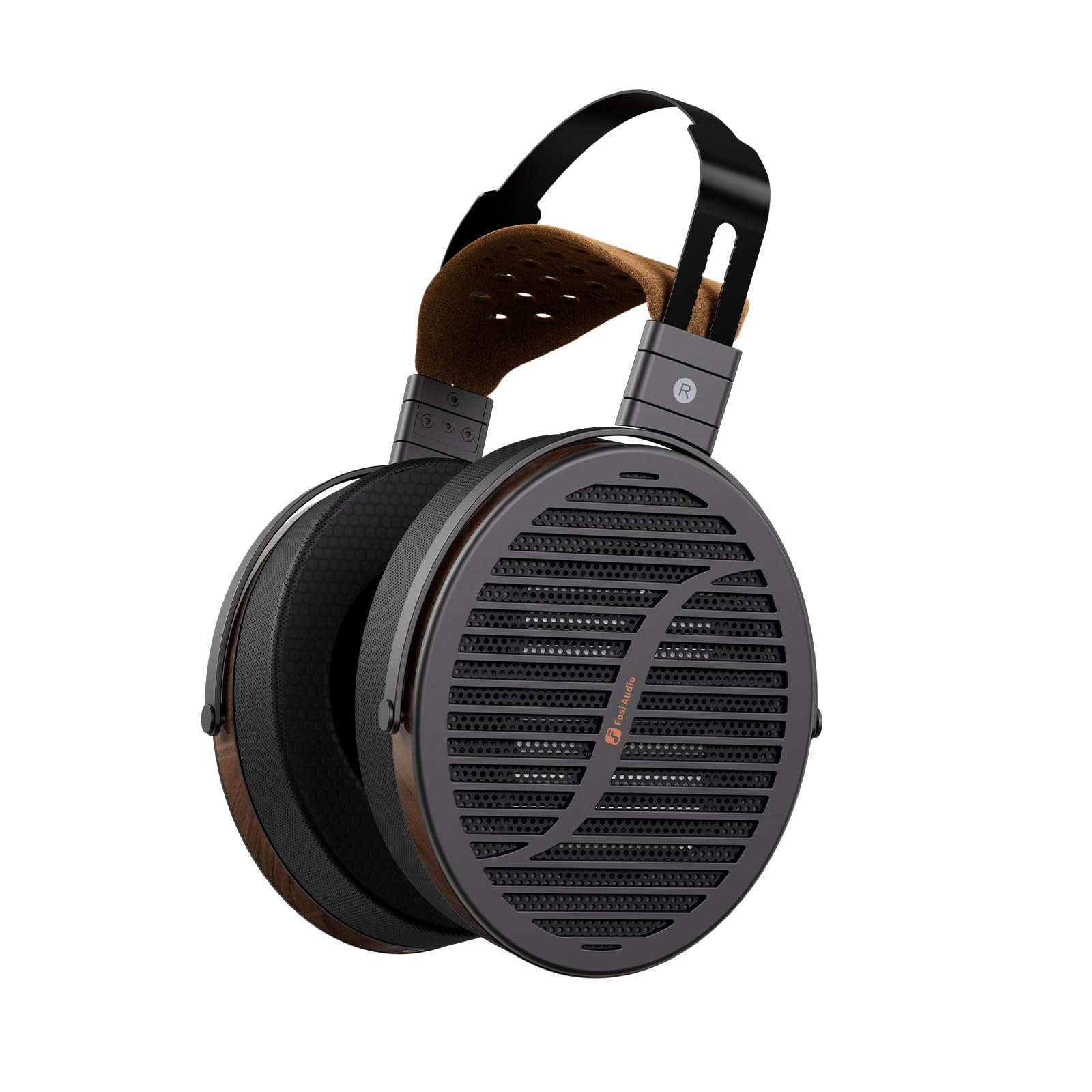
The i5 stakes its case on a 97mm planar driver, 98dB sensitivity, and a walnut/CNC aluminum shell. The materials give it a real furniture-grade presence, and those electrical specs promise an effective pairing with modest desktop gear. The catch is positioning: this is a design-forward premium option, not the balanced all-rounder in the category. The top pick offers a more familiar sound signature and fit, so the i5 asks buyers to confirm their own satisfaction. Buy with a return policy and test channel balance and driver behavior immediately.

Pros

  • Walnut earcups and CNC aluminum yokes create a tactile, furniture-grade finish.
  • 28Ω impedance and 98dB sensitivity keep the i5 within reach of basic desktop sources.
  • The 24-month warranty covers the driver and build for two years.

Cons

  • Open-back cabinet leaks audio and admits room noise, so shared or portable use is not realistic.
  • High sensitivity can surface background hiss through noisy headphone jacks or low-end adapters.
Our verdict

The i5 suits a home listener who values crafted materials and is willing to decide on sound quality after a proper listen.

Check Latest Price

How to Choose

Driver Size and Diaphragm

Larger drivers move more air, which is why 100mm-plus planars sound bigger and more open. But driver size also adds weight and cup depth, so a large-driver headphone can feel imposing during long desk sessions.

Ultra-thin diaphragms respond faster and reveal more detail, but they are also more sensitive to pressure changes and QC issues. Treat thin diaphragms as a tuning choice, not a reliability guarantee.

Amplifier Needs

Low impedance and high sensitivity look portable, but planar drivers are current-hungry. A phone jack can produce volume without the control needed for tight bass, which is why most owners pair planars with a basic amp or DAC.

A low 18Ω load can be harder for a weak source to control than a 32Ω dynamic. Test the headphone with your actual source before deciding whether you need to budget for amplification.

Fit and Weight Distribution

Clamp force and earcup geometry decide whether the headphone stays put. Light clamp models reduce pressure but slide on smaller heads; heavy clamps hold secure but tire over long sessions.

Weight distribution matters more than total weight. A 380g model with a wide headband can feel lighter than a 320g one with a narrow pressure point.

Cables and Connectors

Stock cables are a common weak point: stiff, short, or cheap-feeling examples kink and fail at the connector. Plan for an aftermarket cable on several models.

Connector flexibility also shapes use. Balanced 4.4mm outputs deliver more power from capable amps, while swappable 3.5mm and USB-C plugs make it easier to move between sources.

Open-Back vs Closed-Back

Open-back planars produce a wider stage and more natural timbre, but they leak sound and let room noise in. They suit quiet home listening, not shared offices or commutes.

Closed-back planars isolate better but are rarer and usually trade some stage width. Pick based on your listening environment, not just the frequency chart.

Frequently Asked Questions