Best Overall

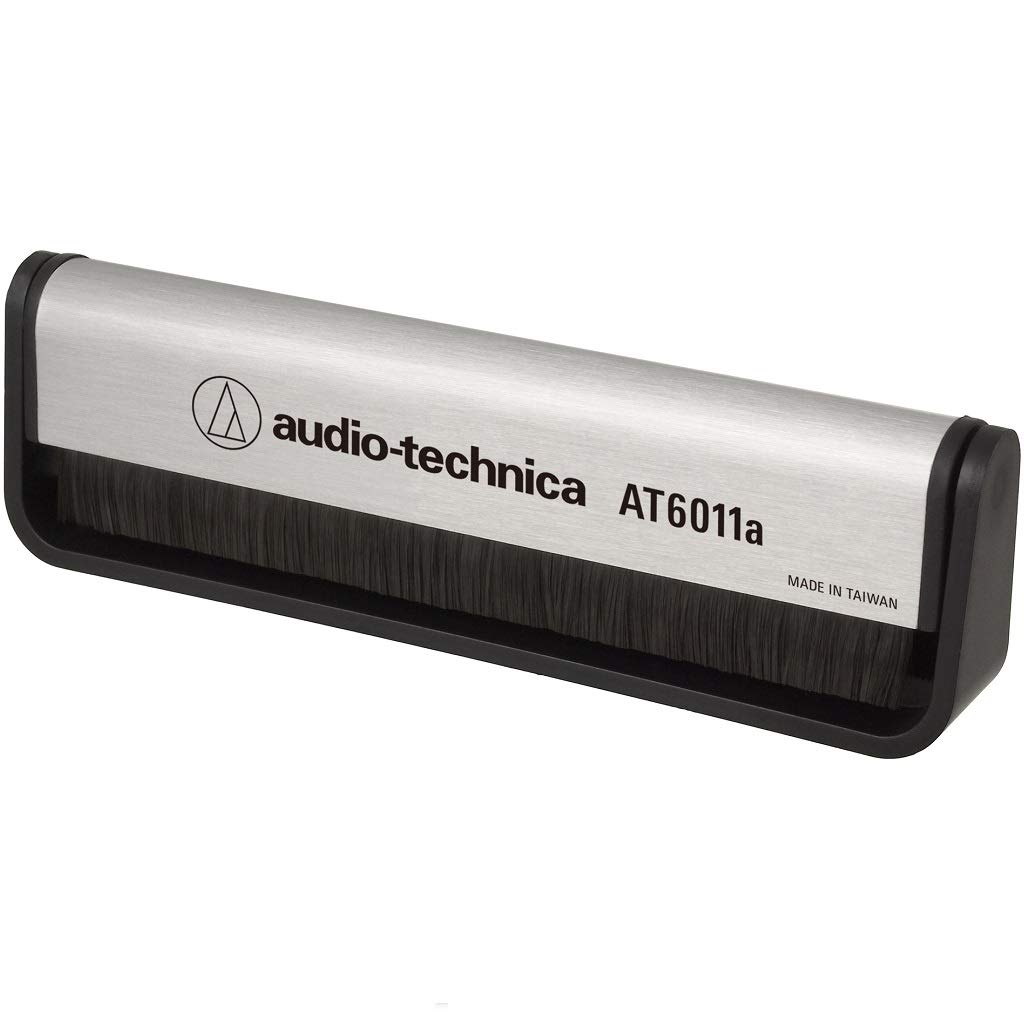
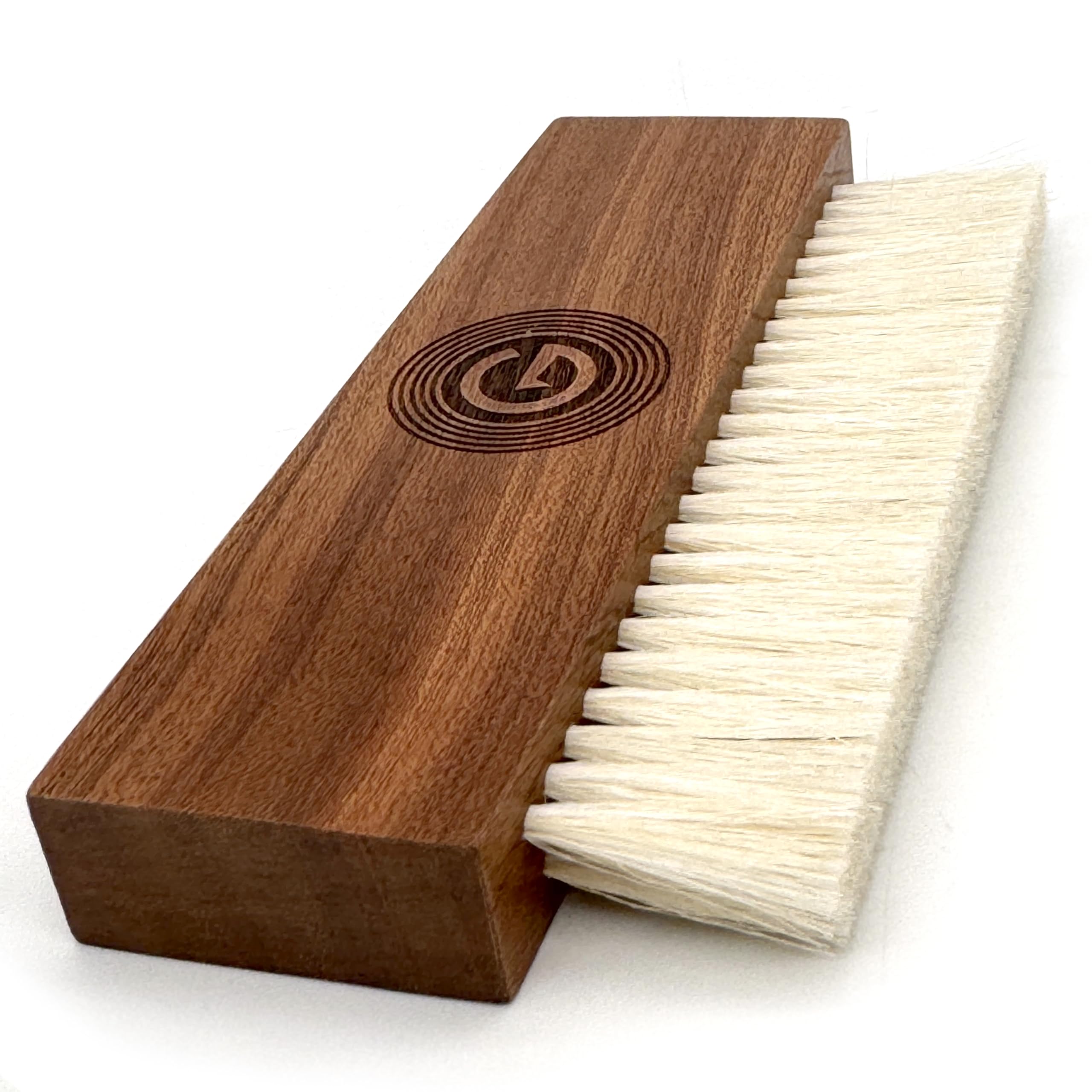
Boundless Carbon Fiber Brush
Key details
- Wet Or Dry
- Dry only
- Static Control
- Patented hand discharge
- Handle Material
- Aluminum and plastic
- Bristle Material
- Dual-row carbon fiber
The Boundless Audio brush centers on a real static-discharge path: the patented connection runs through the aluminum handle into your hand, so surface charge has a route to ground instead of lingering on the vinyl. Other carbon brushes can move charge around without giving it a way out, and that charge may settle back onto the record between sweeps. Dual-row extra-soft carbon fiber covers enough width for a full LP sweep, and the self-cleaning slot wipes the bristles without a separate comb. The handle's aluminum section also gives a stable grip, so the brush does not twist in your hand mid-sweep.
For the dust that lands between plays, a few light sweeps lift the layer before the stylus sits in the groove. The slide-out cleaning channel keeps the carbon rows tidy between records, so the brush does not become its own dust source. Because the body is compact, full rotations are easy even on a crowded turntable plinth, and the brush stays out of the way when flipped to the B-side.
First-time vinyl owners and daily listeners are the primary audience here, especially anyone who wants one brush next to the turntable with no bottles or pads involved. Gift buyers get a practical record-player accessory that is easy to explain and easy to use. This is a dry brush, not a wet cleaner, and it will not replace a deep-cleaning session for records with sticky residue. It also does not suit collectors who prefer velvet or natural-hair brushes over carbon fiber. Quality control varies between individual brushes, so check the bristle row when the brush arrives; the ones that come in good shape hold up well as daily tools.
The aluminum and plastic handle carries enough weight to feel substantial during a sweep, and the compact 4.45 by 1.3 by 0.67-inch body stores easily under a dust cover. At a mid-range price, it lands near other single-purpose carbon brushes that lack a conductive path, and the static-discharge design is the difference. For a first brush or a replacement, this is the benchmark in the category.
For listeners upgrading from a cheap felt brush, the difference shows up immediately: the carbon rows do not bend flat under pressure, and the static path means the brush is not just pushing charge around. That places it above the cheapest dry brushes while remaining below the cost of a full cleaning kit. It is a daily tool rather than a restoration tool, which is exactly why it fits the listener who just wants records to play clean.
💡 Slide the brush through its self-cleaning channel after each side; run it from edge to edge in one direction.
Pros
- Patented static-discharge path gives static a route through your hand instead of leaving it on the record.
- Dual-row carbon fiber lifts surface dust without wetting the grooves, keeping the cleaning routine dry.
- Self-cleaning handle clears the bristles after each side, so the brush is ready for the next record.
- Aluminum-and-plastic build feels solid at the price and sits comfortably over a spinning LP.
- Mid-range price fits first turntable setups without requiring a full cleaning kit.
Cons
- Carbon bristles can shed after months of regular use, so the brushing edge becomes less even over time.
- The brush body can contact the record if you press heavily, and that contact risks scratches.
Keep this next to the turntable for everyday surface dust, and reserve a fluid-based cleaner for records that have gone too long without a wash.