9 Best Studio Headphones of 2026: Workhorse Picks That Last

The best wired studio headphones for tracking, mixing, and voice-over work — with neutral tuning, replaceable cables, and long-session comfort.

The 'studio monitor' label gets applied to everything from DJ cans to gaming headsets. The real divide in this category is whether a pair has a replaceable cable and hinges that hold up after a year of daily use.

Wired studio headphones also force a design choice: closed-back models isolate for tracking but narrow the soundstage, while open-back models reveal mix detail but leak sound both ways. Neither is better; each fits a different session.

Match the design to your room and your job, and a modestly priced pair can outperform a flagship used in the wrong setting.

About the Sound Score: This comparative score is calculated from a product's published customer rating and review volume. It is not a laboratory measurement or a hands-on test result.

1

Best Overall

ATH-M50x

95 /100
Sound Score Outstanding

Key details

Build
Plastic hinges
Cable
3 detachable cables
Design
Closed-back, over-ear
Comfort
Snug clamp, shallow cups
View on Amazon

The ATH-M50X pairs studio-grade monitoring with everyday convenience: three detachable cables, 90-degree swivel cups, and a 38Ω impedance that drives cleanly from an interface, laptop, or phone. Its closed-back 45mm dynamic drivers deliver crisp, well-balanced sound with enough bass to keep tracking sessions engaging without turning every mix into a party. The tuning is work-oriented rather than flashy: you hear the vocal pocket, the kick transient, and the room tone without needing to push volume.

The swivel cups fold flat for travel, and swapping between the coiled, straight, and short cables takes seconds. The closed-back shell contains click tracks and live takes well enough for recording sessions, while the 6.3mm adapter makes the move from interface to phone easy. For home studios that need one headphone from overdubs to late-night listening, this practical flexibility is the real draw. Mobile producers get the same benefit: the folded package slips into a backpack side pocket, and the short cable avoids the usual tangle.

This is a fit for home studio owners who want a single headphone for tracking, mixing, and casual listening. No dedicated amplifier is required, so the same pair can move from a mixer to a laptop without changing setup. The clamp runs snug for larger heads, and hinge and earpad durability can vary under heavy travel use. For a desk-bound studio setup, those concerns recede and the everyday usability takes over.

The rare-earth drivers also work at low volume, which matters for late-night sessions and shared spaces. The bass stays present without smearing the midrange, so vocal and guitar edits remain easy to hear at moderate levels. The closed-back shell also keeps click tracks from bleeding into the room, a practical advantage for late-night recording. That combination of low-volume clarity and closed-back isolation separates it from open-back alternatives in this range.

At a mid-range price, the M50X sits between budget entry monitors and premium studio cans. The detachable-cable system and easy-to-drive impedance mean you are not locked into a fixed cord or a dedicated headphone amp. That is the value equation: you pay for cables, swivel cups, and tuning, and those are exactly the parts that make it work as a daily studio tool.

💡 If the clamp feels tight, stretch the headband gently over a stack of books for a day or two.

Pros

  • Crisp, balanced sound keeps tracking sessions honest and casual listening engaging.
  • Three detachable cables plus a 6.3mm adapter make a damaged cord a quick swap instead of a service visit.
  • 90-degree swivel cups and a folding frame let the M50X travel flat and sit one-ear for quick checks.
  • Build feels solid for the mid-range price, with high perceived durability.
  • Mid-range pricing pairs studio-grade sound with a practical cable system that avoids forced upgrades.

Cons

  • Shallow earcups can make long sessions uncomfortable for larger ears.
  • The voicing leans slightly fun rather than strictly neutral, so mix-reference work may be better served elsewhere.
Our verdict

For a home studio that needs one wired headphone from tracking to late-night listening, the ATH-M50X covers the full session without a second pair or a dedicated amp.
Check Latest Price
2

Pro Tracking Workhorse

Sony MDR7506

95 /100
Sound Score Outstanding

Key details

Build
Folds flat, rugged build
Cable
Fixed coiled cable
Design
Closed-back, over-ear
Comfort
Firm clamp, pleather pads
View on Amazon

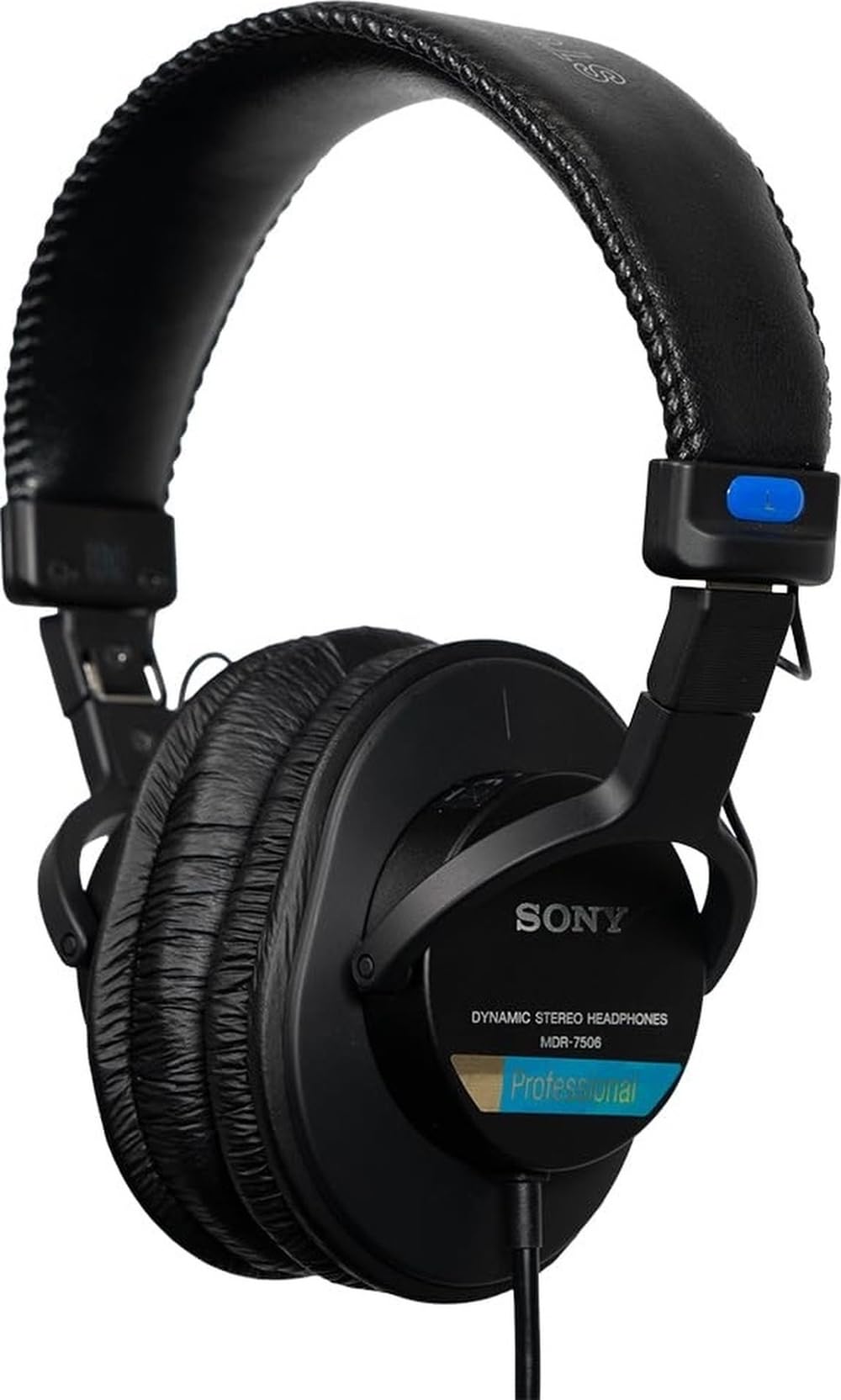
The Sony MDR7506 is the transparent closed-back that voice-over artists and vocalists reach for when they need to hear exactly what the microphone hears. Its mid-forward voicing stays more neutral than the top pick's slightly fun signature, and the lower mid-range price makes it the cost-effective choice for a dedicated tracking can over the flexible all-rounder.

Forty-millimeter neodymium drivers reproduce sibilance, room tone, and vocal chest without hype, and the sealed shell keeps cue bleed down during takes. The 63-ohm impedance drives cleanly from standard audio interfaces, so this can live at a voice-over booth without a dedicated headphone amp.

Metal yokes and padded earcups take the abuse of daily studio use, and the fold-flat frame slips into a bag for location sessions. The closed-back design also gives vocalists a clear monitor mix without bleeding into the microphone.

Buyers who want swap-out cables or swivel cups should take the top pick. The MDR7506 is for voice-over artists and vocalists who accept a permanently attached coiled cable and a no-frills studio fit; it is not a plush-cushion lounge headphone for marathon listening. If that cord is damaged, the whole headphone needs service rather than a quick cable replacement. That tradeoff is acceptable for a dedicated tracking can that stays on one desk.

Pros

  • Neutral, mid-forward voicing reveals vocal detail and sibilance exactly as the microphone sees them.
  • Studio-standard construction that withstands daily use and folds flat for transport.
  • Comfortable for full workdays once the headband settles; the clamp is deliberate, not punishing.
  • Mid-range price delivers monitoring reference clarity that outclasses several premium-priced alternatives.

Cons

  • Stock earpads retain heat, so long sessions in warm rooms can get sweaty.
  • The clamp is firm, and larger heads can feel pressure before the headband settles.
Our verdict

The MDR7506 is the transparent voice-over reference — honest mids, sealed isolation, and a price that undercuts the multi-cable top pick.

Check Latest Price
3

Premium Closed-Back for Recording

Beyerdynamic DT 770 Pro

93 /100
Sound Score Outstanding

Key details

Build
German serviceable build
Cable
Fixed straight cable
Design
Closed-back, over-ear
Comfort
Plush velour, firm clamp
View on Amazon

The DT 770 Pro is a sealed over-ear monitor built for the tracking room: plush velour pads, strong passive isolation, and an 80Ω impedance that drives cleanly from typical audio interfaces. It contains bleed and blocks room noise, so a vocal mic stays clean while the performer monitors. The German construction is serviceable, with replacement earpads and headband parts available, which turns a premium-priced studio tool into a long-term investment.

This is the pair for studio owners tracking vocals or instruments with a sealed monitor, and for radio or audio producers who wear headphones for hours at a time. The fixed cable and V-shaped tuning are the compromises for mix-critical listening: if your sessions hinge on a neutral, detachable reference, the open-back sibling or the top pick's swivel-cup design fits that role better.

Mixing engineers who prefer an open soundstage will find the DT 990 sibling more transparent for revealing depth on a mix bus. The DT 770 Pro answers that limitation by staying closed-back: it is the can that keeps a live room quiet and a take clean. For the tracking-focused buyer, that tradeoff is the point.

Pros

  • Sealed sound stays clear and composed when tracking vocals or instruments.
  • Velour pads distribute clamp pressure for long sessions.
  • Serviceable German build with replacement parts available.
  • Closed-back shell blocks room noise and keeps mic bleed out.

Cons

  • The plastic fork joint at the headband can crack after years of heavy studio use.
Our verdict

For sealed tracking and all-day monitoring duties, this is the pair to keep on the headphone hook. When the session shifts to critical mix decisions, switch to an open-back reference.

Check Latest Price
4

Open-Back Mixing & Mastering

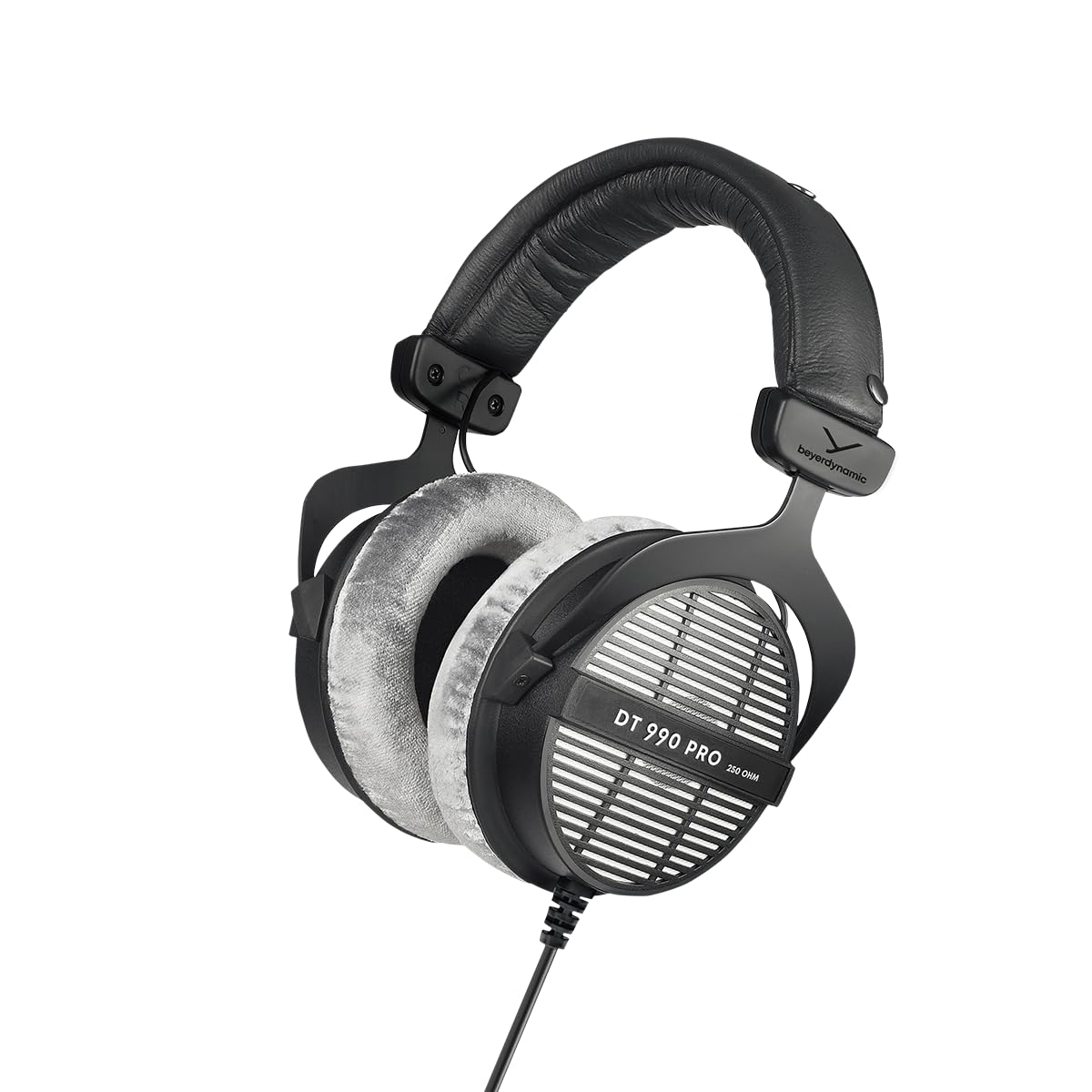
Beyerdynamic DT 990 Pro

93 /100
Sound Score Outstanding

Key details

Build
German build, plastic yokes
Cable
Fixed coiled cable
Design
Open-back, over-ear
Comfort
Plush velour, open fit
View on Amazon

The DT 990 Pro is the open-back option in this roundup, and that shape defines its job: wide, detailed imaging that reveals mix depth in a way the closed-back candidates cannot. Panning, reverb tails, and layer separation become easier to place, which makes it a strong mixing reference. The plush velour earpads and comfortable clamp support long sessions without becoming a distraction, and the 250Ω voicing rewards the kind of patient listening that mixing demands.

Build quality is solidly German, and the fixed 3m coiled cable reaches across a desk setup with an included 6.3mm adapter for interface outputs. The open-back voicing keeps the sound from feeling boxed in, and the velour pads stay comfortable over hour-long sessions. This is a tool that disappears on your head, leaving the mix as the focus.

This headphone is for engineers with a dedicated headphone amp already in the signal chain — not for anyone relying on a phone or laptop jack. The open-back design leaks sound both ways, so vocal tracking and live recording are out of its lane; a closed-back sibling like the DT 770 handles those duties. In a treated room, the lack of isolation is a feature, not a problem.

💡 Run it from an interface or dedicated headphone output; the 250Ω drivers need that current to open up.

Pros

  • Open-back imaging is wide enough to reveal mix depth, making panning and reverb decisions easier.
  • Plush velour pads and light clamping support long mixing sessions.
  • German build quality handles daily studio use without feeling fragile.
  • Premium-priced but strong value as a reference-grade open-back.

Cons

  • Plastic yoke pieces on the headband can crack over time.
  • Open-back design offers zero isolation, so it leaks sound and lets room noise in.
  • 250Ω impedance requires a dedicated amp or interface output, not a phone or laptop jack.
Our verdict

The DT 990 Pro is the open-back reference for engineers who already have the amplification chain in place. It suits treated-room mixing, not tracking or portable listening.

Check Latest Price
5

Best Budget Studio Entry

ATH-M20x

93 /100
Sound Score Outstanding

Key details

Build
Plastic headband
Cable
Fixed single-side cable
Design
Closed-back, over-ear
Comfort
High clamp force
View on Amazon

The ATH-M20x is the lowest-cost path into Audio-Technica's M-series closed-back monitoring sound, and it behaves like a studio tool rather than a lifestyle accessory. The 40 mm drivers give clear highs and a balanced enough signature for basic tracking and editing, while the closed-back shell keeps bleed out of a vocal mic. It won't reveal the last bit of high-frequency detail in a mix, but at this price the priority is a workable monitoring reference.

This fits a first-time producer or student setting up a wired home-studio desk on a strict budget. Leave it plugged into the interface for vocal comps, podcast takes, and edit sessions, and it will do the job without demanding extra gear. The fixed cable and snug clamp are the budget tradeoffs; if you need a replaceable cord or swivel cups for a mobile engineering bag, the next tier up is the better call.

The passive isolation is enough to keep a metronome or keyboard bleed out of a take in a quiet room, and the simple frame stays low-key on a desk. The 47-ohm impedance works straight from an audio interface or laptop, so an external headphone amp is not required for this level of work.

💡 Stretch the headband over a stack of books for a day or two if the fit feels tight at first.

Pros

  • Clear, honest closed-back sound for entry-level tracking and editing.
  • Strong value for a first studio setup: M-series tuning at a budget price.
  • Simple construction and useful passive isolation for quiet recording rooms.

Cons

  • Over months of daily desk use, the earcup cushions can crack and the plastic headband feels light-duty.
  • In a long tracking session, the clamp can tire larger heads or glasses wearers.
Our verdict

For a first wired studio headphone on a small budget, the M20x gives you a real closed-back monitoring reference without asking for extra hardware.

Check Latest Price
6

Budget Semi-Open Alternative

AKG K240 Studio

91 /100
Sound Score Outstanding

Key details

Build
Lightweight, plastic yokes
Cable
Detachable 3 m cable
Design
Semi-open, over-ear
Comfort
Self-adjusting headband
View on Amazon

The AKG K240 Studio is the budget semi-open classic in this roundup, pairing a self-adjusting headband and a detachable cable with an airy, detailed voicing. Where the closed-back monitors around it isolate, the K240 opens the soundstage, making reverb tails and stereo placement easier to follow during quiet-room mix checks.

Crisp highs and a clear midrange keep long editing sessions comfortable, while the 30 mm XXL drivers handle 55Ω loads with enough output for audio interfaces and dedicated headphone amps. The 3 m cable detaches with a 3.5 mm connection and includes a screw-on 6.3 mm adapter, so replacing a damaged cord doesn't require opening the earcup.

Owners with a wide range of head sizes get a light fit from the self-adjusting headband, and the semi-open voicing holds onto detail without the closed-in pressure of sealed cups. This is the kind of headphone that works best when you are the only one in the room.

For songwriters and editors working alone, the K240 delivers real detail and comfort; zero isolation and flimsy headband yokes set the boundary, so keep it out of live tracking duty.

Pros

  • Airy semi-open sound keeps vocals and reverb tails clear through long mix sessions.
  • Self-adjusting headband and light weight make all-day wearing easy.
  • Budget price includes a detachable cable and a studio-focused voicing.
  • Lightweight frame suits a wide range of head sizes.

Cons

  • Semi-open design leaks sound both ways, so live-mic tracking needs a closed-back.
  • Headband yokes can feel flimsy; careful handling is part of the deal.
Our verdict

For quiet-room mixing and editing, the K240 Studio is the budget semi-open that gets out of the way and lets the music speak.

Check Latest Price
7

Ultra-Budget Practice

OneOdio A71

91 /100
Sound Score Outstanding

Key details

Build
Plastic hinges
Cable
Detachable dual plugs
Design
Closed-back, over-ear
Comfort
Soft padding, small headband
View on Amazon

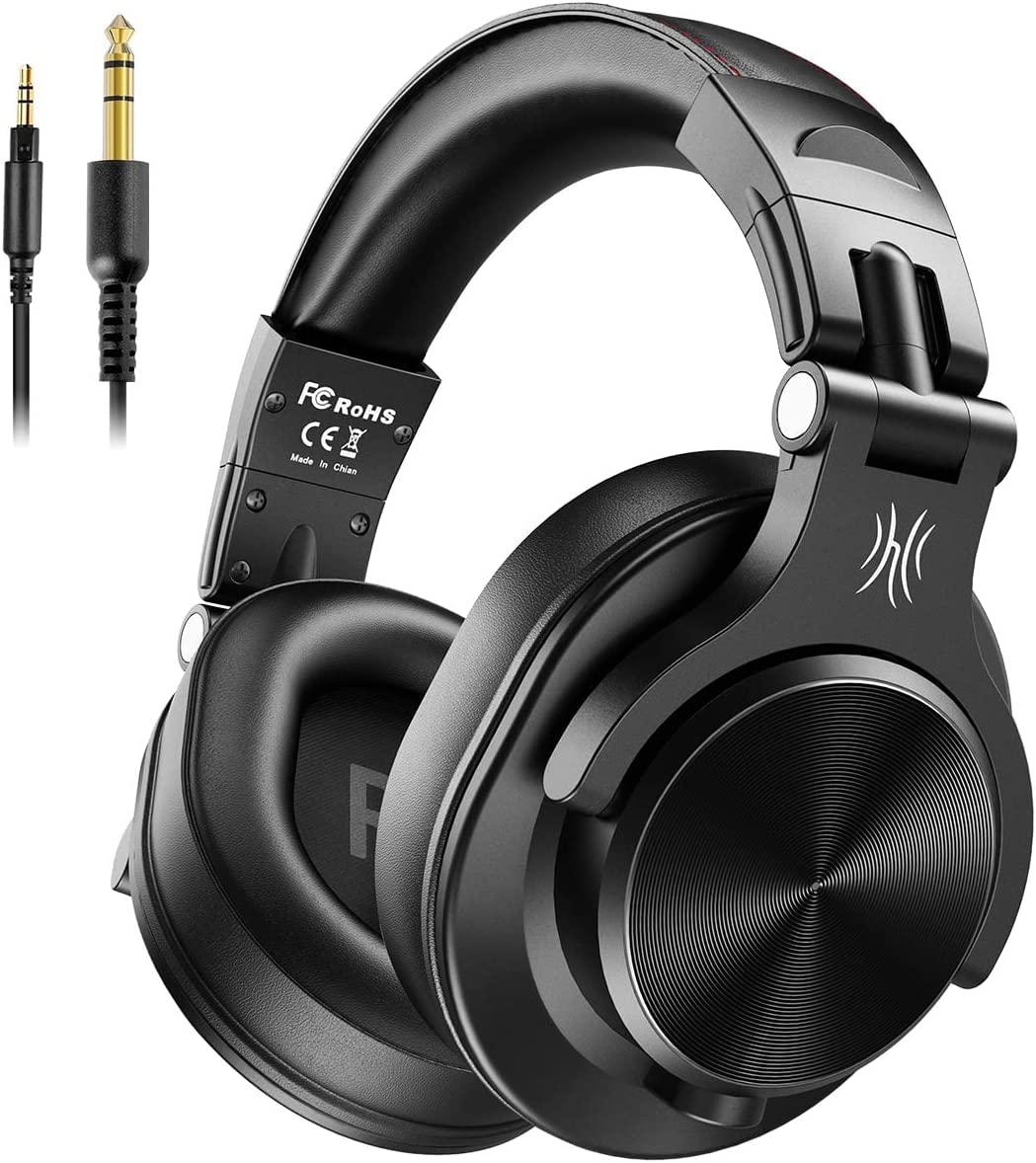
The A71 covers the studio-monitor essentials at a price that invites experimentation: clear, well-defined closed-back sound, soft pads, and a detachable dual-cable setup with 3.5mm and 6.35mm plugs plus a share port. The build feels solid for the money, and the low weight makes it easy to reach for during quiet keyboard or guitar practice. What keeps it below the established budget monitor in this set is tradeoff tolerance: the headband runs snug on larger heads, plastic yokes can wear after months of folding, and single-channel audio dropout has appeared in some units. For intermittent beginner home-studio use, these limits are easy to live with; for daily tracking sessions or heavy travel, a more established model is the safer call.

Pros

  • Clear, well-defined closed-back sound keeps quiet keyboard and guitar practice engaging without listener fatigue.
  • Soft ear pads and light weight keep longer practice sessions comfortable.
  • Budget-friendly dual-cable package with 3.5mm and 6.35mm plugs plus a share port for shared setups.

Cons

  • Single-channel audio dropout can occur, so a spare cable will not solve every silence.
  • Plastic yokes can crack or loosen after months of folding, and the headband clamp is snug on larger heads.
Our verdict

Keep it for late-night keyboard practice or a beginner home studio where budget matters more than long-haul durability; if the headphones will be folded and transported daily, the established budget monitor in this set is the safer long-term buy.

Check Latest Price
8

Loud-Source Tracking

Sennheiser HD 280 Pro

91 /100
Sound Score Outstanding

Key details

Build
Plastic headband, collapsible
Cable
Coiled replaceable cable
Design
Closed-back, over-ear
Comfort
High clamp force
View on Amazon

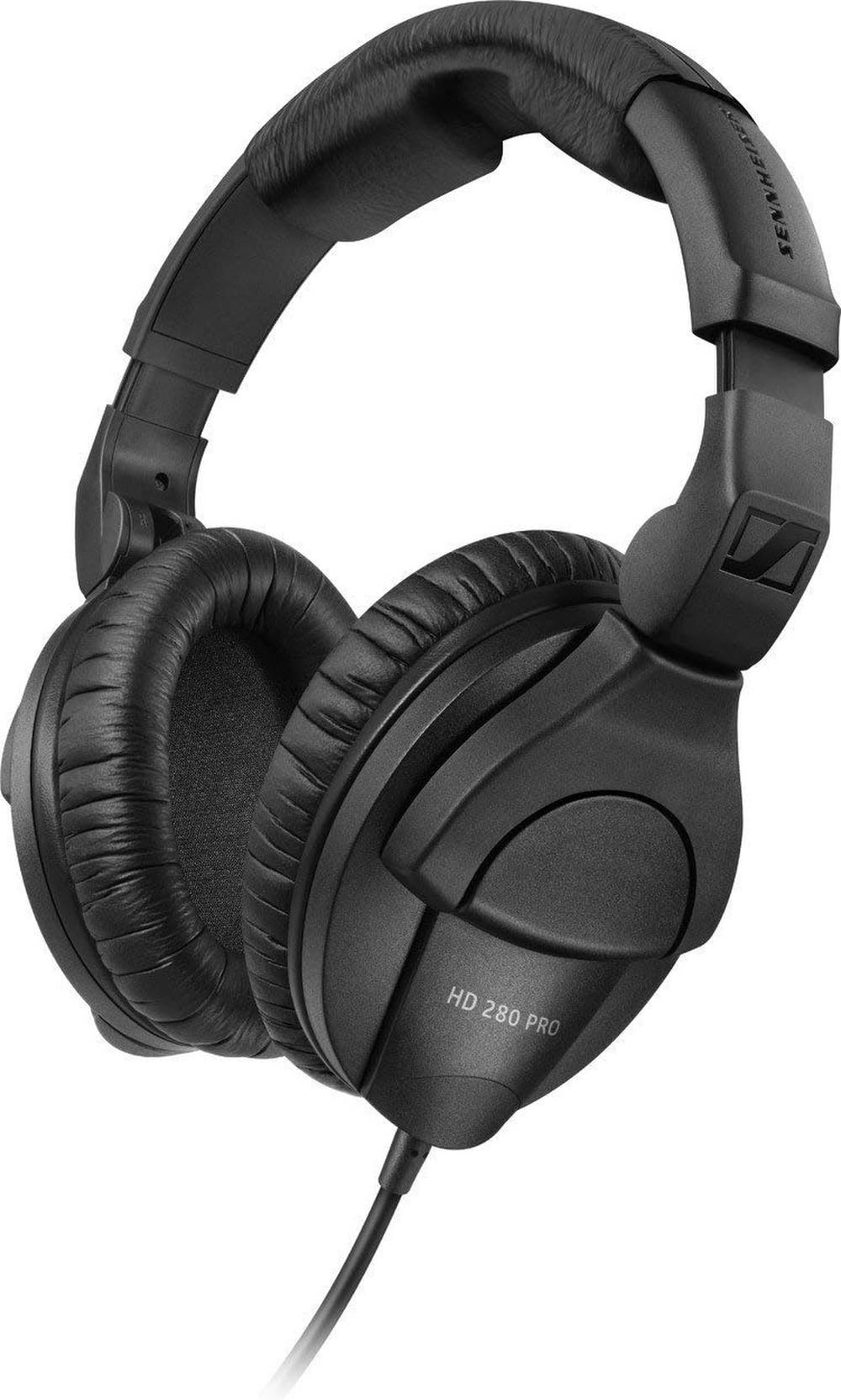
The HD 280 Pro delivers the strongest passive isolation in this closed-back set: 32dB of attenuation keeps drum bleeds and amp noise out of the mic, and the collapsible frame is easy to pack. That isolation depends on a firm clamp, so sensitive listeners will feel pressure around the ears and headband during the first sessions. The headband plastic can also crack under repeated travel stress. These mechanical limits make it a specialized tracking tool for loud rooms rather than a comfort-first all-day monitor, and the plush velour alternative above it offers a longer-wearing fit for less intense environments.

Pros

  • 32dB passive isolation keeps loud sources out of the microphone in tracking sessions.
  • Crisp highs and solid bass give closed-back monitoring a clear, energetic signature.
  • Sturdy, well-made build holds up in a gear bag.

Cons

  • Strong clamp pressure can make early sessions uncomfortable for sensitive heads.
  • Headband plastic can crack and right-channel wiring may cut out in some units.
Our verdict

Choose the HD 280 Pro when loud acoustic sources are the problem and you can tolerate a firm fit. For long daily sessions, the plush velour closed-back option above it is the better companion.

Check Latest Price
9

Neutral Monitoring

Shure SRH440A

88 /100
Sound Score Excellent

Key details

Build
Locking cable design
Cable
Detachable locking cable
Design
Closed-back, over-ear
Comfort
Adjustable headband
View on Amazon

The SRH440A is a closed-back studio monitor that pairs a detachable locking cable with neutral, transparent voicing — a practical combination for recording and mixing sessions where a damaged cable shouldn't end the session. The collapsible frame and 6.3 mm jack fit a home studio or a rolling bag. Where it falls short of the established fixed-cable standard in this group is passive isolation: background noise intrudes more in live or noisy rooms, so it suits quiet-room mixing and voice-over work better than loud live tracking.

Pros

  • Accurate, transparent sound keeps mix decisions honest.
  • Detachable locking cable means a damaged cord doesn't end the session.
  • Comfortable, adjustable fit suits a range of head sizes for longer sessions.

Cons

  • Earpads can slide off the mounts and the fit can feel on-ear for larger ears.
  • Passive isolation is weaker than category leaders, so background bleed intrudes in loud tracking rooms.
Our verdict

Quiet-room mixers and voice-over engineers who want a replaceable cable and neutral voicing at a mid-range price can use the SRH440A without issue — just don't rely on it for loud live tracking.

Check Latest Price

How to Choose

Closed-Back vs. Open-Back Design

Closed-back earcups create a sealed chamber that stops sound from escaping and keeps room noise out. That seal is why closed-back models are the default for vocal tracking, drum sessions, and field recording.

Open-back earcups use grilles that let air move through the driver, which widens the soundstage and makes mix details easier to hear. The tradeoff is that sound leaks in and out at almost the same level, so an open-back pair is only useful in a quiet room with no live microphones.

Impedance and Amp Needs

Impedance is the electrical load the headphone presents to your output stage. Higher impedance, like 250Ω, needs more voltage to reach normal listening levels; plugging into a phone or laptop usually results in a thin, quiet signal.

Lower impedance, roughly 32–80Ω, works cleanly with audio interfaces, mixers, and most portable gear. If you already own a dedicated headphone amp, high-impedance models can sound more controlled; if you do not, avoid them.

Detachable vs. Fixed Cable

The cable is the most stressed part of any wired headphone. A detachable cable turns the inevitable wear into a quick replacement; a fixed cable turns it into a service visit or a new pair.

Locking connectors, like the mini-XLR on some modern studio models, add a layer of protection against accidental pull-outs during takes. If a headphone has a fixed cable, check whether the cord routes through the headband before you commit.

Comfort and Clamp Force

Clamp force is the pressure the headband applies to your ears and skull. High clamp force improves the acoustic seal and isolation but is the most common cause of fatigue in long sessions, especially for glasses wearers.

Earcup depth and pad material matter too. Plush velour pads breathe better than synthetic leather, and deep cups prevent larger ears from pressing against the driver housing.

Build Quality and Replaceable Parts

The plastic yokes around the earcups are where budget headphones give out first. Repeated flexing, folding, or a drop concentrates stress on those joints, so choose metal or serviceable designs if the headphones will travel.

Serviceability is the pro feature that extends a pair's life: replaceable earpads, headbands, and cables keep a good driver working long after cheap components wear out. A sealed plastic shell with fixed parts ends the product's life when the first component gives out.

Frequently Asked Questions