9 Best AKG Headphones of 2026: Match Enclosure to Your Room

AKG headphones share consistent studio tuning; the right model depends on enclosure type, amp requirements, and cable serviceability. Match them to your room and gear.

The most important AKG decision has nothing to do with driver size or price. It is enclosure type: closed-back models contain the sound for mic-friendly tracking, while semi-open and open-back designs trade isolation for a wider, airier stereo image. Choose the wrong shell and the same neutral tuning that sounds great in a quiet studio will feel thin and leaky at a shared desk.

AKG's studio tuning is consistently accurate, so the practical long-term questions are mechanical: Is the cable replaceable, are the earpads serviceable, and does the impedance match the gear you already own? A fixed cable or an underpowered headphone jack can turn a good-sounding pair into a frustrating one. Those details decide whether the headphone becomes a daily tool or a drawer ornament.

This guide sorts AKG's lineup by enclosure type, amp requirements, and serviceability so you can match the headphone to your room, your interface, and your listening habits.

About the Sound Score: This comparative score is calculated from a product's published customer rating and review volume. It is not a laboratory measurement or a hands-on test result.

1

Best Overall

AKG K240 Studio

91 /100
Sound Score Outstanding

Key details

Cable
Detachable 3m, 3.5/6.3mm
Driver
30mm Varimotion
Impedance
55 Ohm
Enclosure Type
Semi-open
View on Amazon

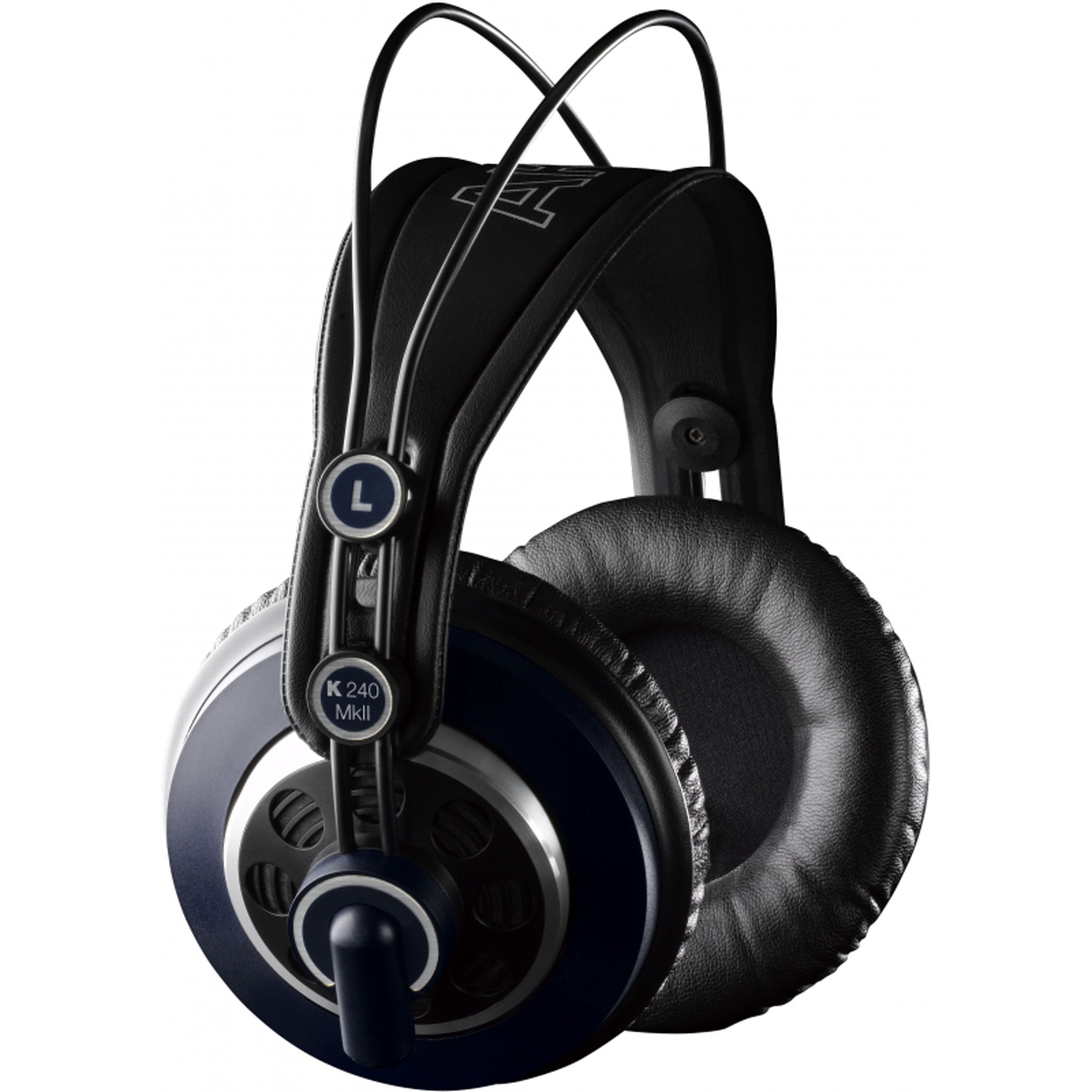
The K240 Studio's tuning is the reason to look here: balanced, detailed, and genuinely neutral at a price where comparable wired models color the sound. Instruments and vocals stay separated, so mix decisions are easy to hear without cranking the volume. The 30mm XXL Varimotion driver is a long-running design by now, but it still delivers the kind of clarity that budget-priced headphones sacrifice for extra bass. The 55-ohm impedance is easy for interface headphone outputs to drive, and the frequency response reaches from 15 Hz to 25 kHz, a wider range than typical wired models in this price tier.

The self-adjusting headband spreads pressure evenly, and the over-ear pads are compliant enough for multi-hour sessions. The fit covers a wide range of head sizes without detents or manual adjustment. The detachable 3m cable terminates in both 3.5mm and 6.3mm, so it connects to interfaces and consumer gear alike; if the cable ever wears out, a replacement is easier to source than on fixed-cable models. The 104 dB sensitivity also keeps volume comfortable even on modest outputs.

At its price, the K240 Studio undercuts comparable closed-back models while keeping a more neutral signature. The value case is the combination of low cost and a sound that supports real mixing decisions, not just casual playback. Entry-level audiophiles get a studio classic without paying extra for features that do not matter in a home studio setting. For that reason, it is the natural entry point to AKG's studio line.

This is the right AKG for home and project studio mixing, neutral critical listening on a budget, and entry-level audiophiles who want a studio classic rather than a consumer-tuned playback headphone. The semi-open shell is the boundary: it leaks sound both ways, so it is not the tool for live-mic tracking in the same room or for quiet listening in a noisy space. Headband and earpad wear can accelerate under heavy daily use, and replacement parts may be needed down the road. Consumer listeners expecting a bass-heavy signature without EQ will find the tuning too lean.

In AKG's current lineup, the K240 Studio sits at the value end of the semi-open family. The step-up semi-open model adds a second detachable cable and swappable pads, and the premium open-back models offer a wider soundstage, but both require a noticeably larger investment.

Pros

  • Balanced, detailed tuning that stays accurate across the frequency range.
  • Self-adjusting headband and over-ear pads keep long sessions comfortable.
  • Strong price-to-performance ratio at budget pricing.
  • Accommodating fit across a wide range of head sizes.

Cons

  • Plastic headband parts can feel flimsy on some units.
  • Channel balance can vary from unit to unit, so a quick stereo check is worthwhile.
Our verdict

Neutral tuning, long-session comfort, and a budget price make the K240 Studio the practical starting point for critical listening.

Check Latest Price
2

Best Closed-Back Studio Pick

AKG K371

83 /100
Sound Score Excellent

Key details

Cable
Detachable mini-XLR
Driver
50mm titanium-coated
Impedance
32 Ohm
Enclosure Type
Closed-back, foldable
View on Amazon

The K371 is the closed-back AKG that brings 50mm titanium-coated drivers, a detachable mini-XLR connection, and a foldable shell to studio-focused listening. It steps up from the budget closed-back in the same lineup with a more balanced driver response and a user-swappable cable, while keeping the 32-ohm, 114 dB sensitivity that is easy to drive from laptops and small interfaces.

For podcasters and streamers, the sealed shell cuts mic bleed and keeps takes clean without requiring a quiet room. The closed-back tuning stays coherent when you are checking balances, which helps when a mix needs to translate beyond the headphones themselves. Comfort is something to verify before buying: headband pressure can be an issue for some head shapes, and earpads or plastic parts have shown early wear in some cases.

The bass stays controlled at moderate levels, and the treble does not exaggerate sibilance, so long listening sessions are less likely to fatigue. The stock cable is functional, though it can pick up handling noise; the mini-XLR connection keeps a replacement simple. The included straight and coiled cables plus a 3.5mm adapter cover the usual studio and portable connections without a separate purchase.

Pros

  • Neutral, accurate sound with enough detail for closed-back monitoring and tracking.
  • Cost-effective tuning: the neutral voicing holds up at this price.
  • Detachable mini-XLR cables and a foldable shell make packing and servicing easier.

Cons

  • Closed-back shell reins in the wide, airy staging of open-back AKG models.
  • Stock cable can pick up handling noise when it rubs against clothing.
Our verdict

Closed-back monitoring, podcasting, and mobile sessions are where the K371 fits; a detachable cable and neutral voicing carry the value. The semi-open budget model in this lineup is the alternative when a wider stage and lower entry price matter more.

Check Latest Price
3

Best Semi-Open Studio Upgrade

AKG K240 MKII

91 /100
Sound Score Outstanding

Key details

Cable
Two detachable cables
Driver
30mm Varimotion
Impedance
55 Ohm
Enclosure Type
Semi-open
View on Amazon

Two detachable cables ship in the box, alongside velour and leatherette pads, so the wear-prone parts can be swapped without soldering. The budget semi-open model in this lineup offers the same family sound but without that flexibility, making the MKII the better option for studio users who intend to keep a pair running through long-term use.

The sound is clear and wide, with a natural sense of space across the frequency range. The 55-ohm impedance is easy enough for an audio interface to drive, and the semi-open cabinet keeps the presentation airy rather than boxy. Long sessions are comfortable; velour pads are included for times when you want a softer contact surface.

This is for a studio owner who wants the classic semi-open AKG character, values replaceable parts, and works in a room where the shell can leak sound in and out. The self-adjusting headband may sit loosely on smaller heads, so a quick fit check matters before a long mix session. Closed-back isolation and backpack-friendly portability are not part of this design; the closed-back models in this lineup cover those needs.

💡 Use the coiled cable for desk work and the straight cable when routing around an audio interface.

Pros

  • Clear, wide soundstage with natural separation suits mixing and critical listening.
  • Comfortable for long sessions, with velour and leatherette pads included in the box.
  • Good value: two detachable cables and swappable pads at a mid-range price.

Cons

  • Self-adjusting headband may sit loosely on smaller heads, so fit should be checked.
  • Semi-open shell passes sound in and out, which matters around live microphones.
Our verdict

For a desk-bound studio setup, this is the K240 variant that lets you swap cables and pads when the original parts wear out.

Check Latest Price
4

Best Open-Back for Audiophiles

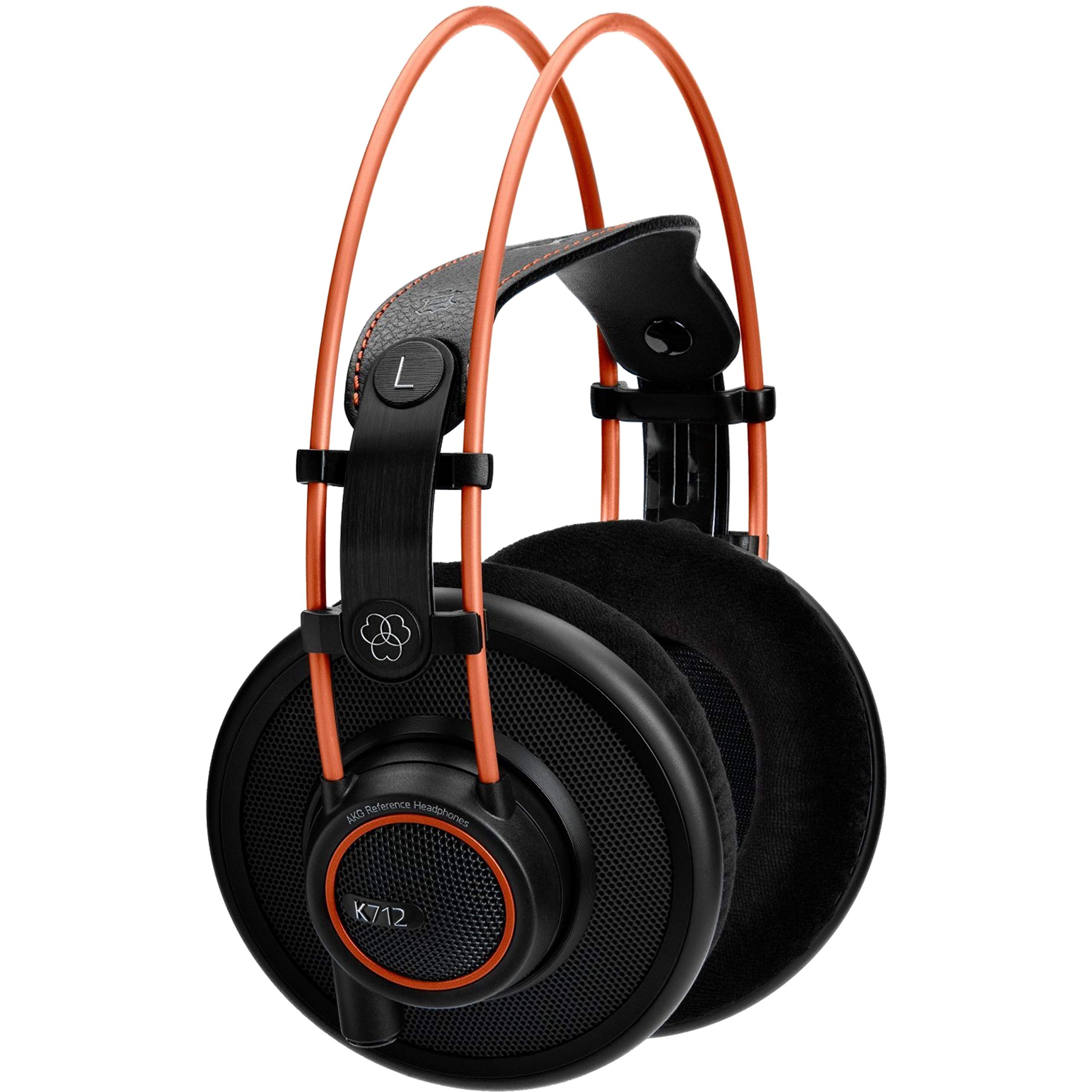
AKG K712 PRO

86 /100
Sound Score Excellent

Key details

Cable
Detachable cable
Driver
Flat-wire voice coil
Impedance
62 Ohm
Enclosure Type
Open-back
View on Amazon

The K712 PRO is AKG's premium open-back reference in this lineup, built around a wide, layered soundstage and flat-wire voice coils that keep instruments well separated. The self-adjusting headband and soft earpads support long mastering or classical listening sessions without pressure points, and the tonal balance stays natural across acoustic material.

This is a desktop headphone for a listener who can sit in a quiet room; the open-back shell needs that environment to reveal its full width and imaging. It is not a portable phone-first option, and the plastic headband adjusters can feel under-built at a premium price even while the earpads remain comfortable.

The detachable cable is a meaningful upgrade over the more accessible open-back AKG in this lineup, whose cable is fixed. The 62-ohm driver stays comfortable with studio interfaces and desktop headphone amplifiers, giving the K712 PRO enough room to open up on detailed mixes.

💡 A quiet, fixed listening position lets the open-back shell sound its best; treat this as part of the setup, not an afterthought.

Pros

  • Wide, detailed staging gives clean separation for mixing and mastering work.
  • Soft earpads and self-adjusting headband keep long sessions comfortable.
  • Natural tonality and strong imaging suit classical and acoustic music.
  • Detachable cable simplifies replacement and desk setup.

Cons

  • Plastic headband adjusters can feel under-built for a premium-priced headphone.
  • Open-back shell leaks sound and admits ambient noise, so shared spaces and live mic tracking are poor fits.
Our verdict

This is the higher-priced open-back for the listener who puts imaging, tonal naturalness, and long-session comfort first.

Check Latest Price
5

Best Budget Closed-Back

AKG K72

89 /100
Sound Score Excellent

Key details

Cable
Driver
40mm dynamic
Impedance
32 Ohm
Enclosure Type
Closed-back
View on Amazon

AKG's K72 is the value-priced closed-back workhorse in its wired studio lineup. The 40mm drivers deliver a clean, mid-focused sound that suits vocal tracking and podcast monitoring, and the 32-ohm impedance means a phone or basic interface can drive them without a separate amp. The closed shell also provides passive isolation, cutting down on mic bleed while recording, and the 112 dB sensitivity leaves enough output for loud monitor levels.

Best for first-time studio buyers, podcasters, and streamers who need a closed-back for voice work and want a simple budget option. Long-term durability can vary, especially internal wiring and plastic parts, so it suits careful users rather than a shared rehearsal room.

Comfort is a genuine plus: the lightweight frame and padded earpads keep the K72 wearable across long sessions, and the sound stays composed at normal tracking levels. That makes it a sensible first closed-back for voice work, not a statement piece. If you need a more refined closed-back with stronger detail retrieval, the pricier modern AKG closed-back in this lineup is the step up; the K72 exists for buyers who want the essential studio functions at entry-level cost.

Pros

  • Clean, balanced sound for vocal tracking and monitoring.
  • Lightweight and comfortable over long studio sessions.
  • Budget-friendly entry point with predictable performance.
  • Solid all-around quality for the money.

Cons

  • Audiophile-grade critical listening sits beyond the K72's budget tuning; the sound favors tracking clarity over analytical detail.
Our verdict

The K72 is the closed-back starter AKG for voice work—clean monitoring, easy driving, and passive isolation at an entry-level price.

Check Latest Price
6

Best Wireless/Wired Hybrid

AKG K361BT

79 /100
Sound Score Very Good

Key details

Cable
Bluetooth, wired 3.5mm
Driver
50mm dynamic
Impedance
32 Ohm
Enclosure Type
Closed-back, foldable
View on Amazon

AKG's wireless/wired hybrid brings the brand's closed-back tuning to commuters and creators: Bluetooth 5 covers cable-free listening, the 24-hour battery handles multi-day commutes, the foldable shell slots into a bag, and the 3.5mm input removes latency when you need to monitor directly. At a mid-range price, it keeps the core AKG sound in a package that suits both desk and field use without forcing a wired-only setup.

The 50mm driver and 32-ohm impedance drive cleanly from phones, laptops, and small audio interfaces, so no dedicated headphone amp is required. The tuning is clear and detailed for a wireless studio-oriented headphone, with enough separation to keep streaming, vocals, and podcasts natural without exaggerating bass. That balance reads more like AKG's studio character than consumer Bluetooth bass, which makes the wireless freedom easier to trust.

This suits commuters and content creators who want one headphone for wireless listening and wired monitoring without latency. Long-term durability is less established than the wired closed-back model in this lineup; in some cases, hinges or channel wiring can show early wear, so a quick check of both swivels and the 3.5mm output is reasonable before relying on it daily.

Pros

  • Clean, detailed sound with good separation across wireless and wired listening.
  • Up to 24 hours of battery plus a foldable shell suits daily commutes and travel.
  • Wired 3.5mm input gives latency-free monitoring when Bluetooth is not appropriate.

Cons

  • For critical mixing, a wired closed-back studio model remains the lower-risk choice.
Our verdict

The K361BT is the right fit for commuters and creators who want AKG tuning with a wireless option and a wired backup.

Check Latest Price
7

Budget Closed-Back Listening

AKG K92

89 /100
Sound Score Excellent

Key details

Cable
Driver
40mm dynamic
Impedance
32 Ohm
Enclosure Type
Closed-back
View on Amazon

The K92 is a budget-friendly AKG closed-back with 40mm drivers, 32-ohm ease, and passive isolation; its clean, crisp sound and matte black styling make it an easy first studio headphone. The plastic shell feels light and inexpensive in the hand, and the firm clamp can squeeze some head shapes, so this suits tracked listening and practice in noisy rooms rather than a luxurious daily driver. The other budget closed-back in this lineup is the more established choice; the K92 makes sense when the fit feels right and you want AKG tuning without active noise cancellation or a premium price.

Pros

  • Clean, crisp sound in a budget-friendly closed-back shell.
  • All-day comfort and passive isolation keep focus during long tracking sessions.
  • Strong budget value for an entry-level AKG closed-back.

Cons

  • Handling reveals a lightweight plastic shell rather than a premium one.
  • Firm clamping force can make longer sessions feel tight on some head shapes.
Our verdict

The K92 fits best when you want AKG's clear, crisp tuning and passive isolation in a budget closed-back for noisy-room practice, and the firm clamp isn't a dealbreaker.

Check Latest Price
8

Open-Back Reference Monitoring

AKG K612 PRO

81 /100
Sound Score Excellent

Key details

Cable
Fixed 3m cable
Driver
Impedance
120 Ohm
Enclosure Type
Open-back
View on Amazon

The AKG K612 PRO delivers near-reference open-back tuning and a huge soundstage at a lower price than the K712 PRO, making it a strong entry point for critical listening on a budget. The 120-ohm driver requires a dedicated headphone amp; weak phone or tablet outputs will leave it thin and under-driven. The fixed 3m cable is the main compromise: it is long, non-detachable, and can be cumbersome at a desk. Some units can also develop channel dropouts in one ear, so an early left/right balance check is worth doing. These tradeoffs keep it behind the K712 PRO for a top-tier recommendation, but listeners who stay within its boundaries get a wide, balanced window into studio reference sound.

Pros

  • Wide, well-balanced staging gives classical and acoustic tracks a clear sense of space.
  • Lightweight shell stays comfortable through long sessions without hot spots.
  • Cost-effective entry into near-reference open-back tuning for critical listening.

Cons

  • Fixed 3m cable cannot be swapped if damaged and may tangle at a desk.
  • Channel dropouts can occur in one ear, so an early balance check is worthwhile.
Our verdict

The K612 PRO fits a dedicated listening chair: quiet room, amplifier on tap, and nothing but the music.

Check Latest Price
9

Premium Closed-Back Monitoring

AKG K553 MKII

78 /100
Sound Score Very Good

Key details

Cable
Detachable cable
Driver
50mm transducers
Impedance
32 Ohm
Enclosure Type
Closed-back
View on Amazon

The K553 MKII combines a sturdy closed-back shell, 50mm transducers, and a detachable cable with easy 32-ohm sensitivity, so it slots into a studio setup without a dedicated headphone amp. Imaging is clear, and the build feels more substantial than budget closed-backs. Closed-back isolation is useful for tracking, but the premium price and the specific voicing keep this a specialized option rather than the default closed-back recommendation. Neutral-leaning mixers who want a sturdy shell and closed-back isolation will appreciate it.

Pros

  • Sturdy closed-back shell with solid build and a detachable cable.
  • Clear imaging and a balanced midrange for neutral monitoring.
  • 32-ohm sensitivity drives cleanly from laptops and USB interfaces.

Cons

  • Sub-bass is lean, so bass-heavy genres sound restrained.
  • Earpads can feel firm, and the fit is not comfortable for every head shape.
Our verdict

The K553 MKII suits neutral-leaning mixers who want closed-back isolation and a sturdy shell.

Check Latest Price

How to Choose

Enclosure Type

Closed-back earcups create a sealed chamber that blocks outside noise and keeps headphone sound from reaching a microphone. Semi-open and open-back designs vent that chamber, which widens the soundstage but allows sound to leak in and out.

If you record with a live mic or work in a room with conversation and HVAC noise, closed-back is the safer shell. If you can sit in a quiet room and want the most natural stereo imaging, semi-open or open-back is worth the leakage.

Impedance and Sensitivity

Impedance controls how much voltage a headphone needs to reach a given volume. A 32-ohm model with high sensitivity will run cleanly from a phone, laptop, or basic audio interface; a 120-ohm reference model may sound quiet and thin without a dedicated headphone amp.

The trade-off shows up at the listening session, not at the spec sheet: low-impedance models are convenient but more sensitive to hiss from noisy outputs; high-impedance models reward better amplification with more control.

Driver Size and Tuning

Driver size is part of the story, not the whole story. A 50mm dynamic driver moves more air and can produce stronger low-end pressure, but AKG's studio tuning often keeps bass intentionally restrained for neutral monitoring.

The enclosure also affects perceived bass: open and semi-open designs let low frequencies escape, so a 30mm open headphone can sound airier than a 40mm closed-back while having less bass extension. Match the driver and tuning to the use, not the marketing.

Cable Serviceability

A fixed cable is a common problem. When it gets snagged, bent, or corroded, a non-detachable design turns a small repair into a full replacement.

Detachable cables turn a worn cord into a replaceable part. Models with detachable mini-XLR or 3.5mm cables are easier to own over time, especially in studios where cables get stepped on.

Comfort and Weight

AKG's self-adjusting headband spreads pressure across the top of the head, which helps during long sessions. But 'one size fits most' is not 'one size fits all': low clamp pressure can feel loose on smaller heads, while higher clamp pressure gives a more consistent seal at the cost of jaw fatigue.

Weight matters less than distribution. A lightweight open-back can feel more comfortable than a heavier closed-back because the load sits evenly, but fit matters if you have a smaller head or wear glasses.

Frequently Asked Questions