9 Best Audiophile Earbuds of 2026: Tuning, Fit, and Cable Life

Best audiophile earbuds for critical listeners who want wired IEMs with the right fit, tuning, and detachable-cable longevity.

Most wired audiophile earbuds look impressive on a spec sheet, but the everyday experience is decided by fit, tuning, and cable longevity. A high driver count does not guarantee better sound if the nozzle does not seal in your ear or the detachable cable cuts out after three months.

This guide sorts through that gap by focusing on what actually changes daily satisfaction: which IEMs keep a stable fit, which tunings suit critical listening versus stage monitoring, and which detachable cable standards are easiest to replace. The result is a set of picks matched to specific ears and listening jobs, not a list of measurement trophies.

An entry-level IEM that fits well and uses a common detachable cable can outlast a premium hybrid that fights your ear shape. Fit and serviceability matter more than a long driver list.

About the Sound Score: This comparative score is calculated from a product's published customer rating and review volume. It is not a laboratory measurement or a hands-on test result.

1

Best Overall

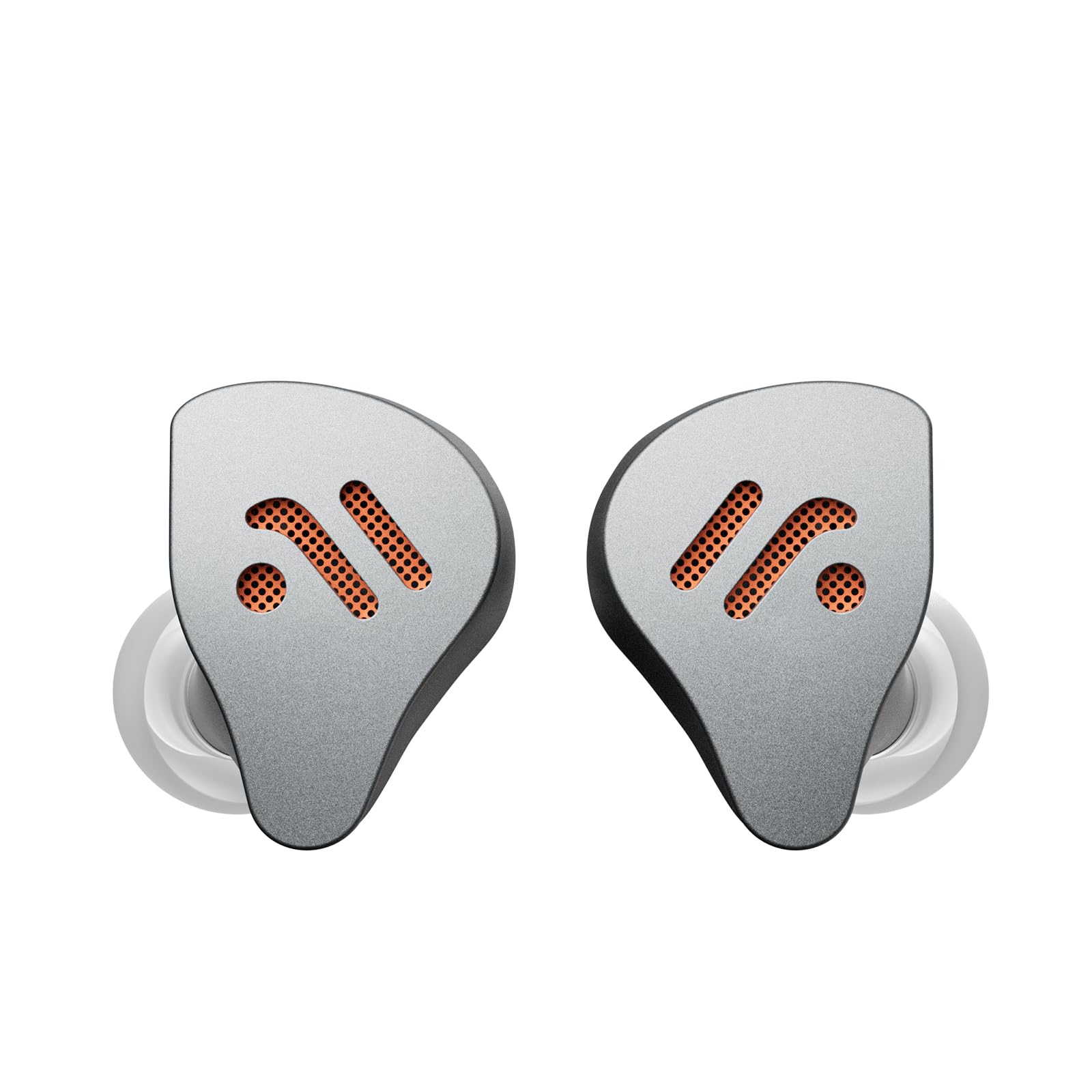
SIMGOT EW300

86 /100
Sound Score Excellent

Key details

Fit & Nozzle
CNC alloy shell, swappable nozzles
Detachable Cable
0.78mm 2-pin, silver-plated OFC
Tuning Flexibility
Gold, copper nozzles
Driver Configuration
1DD, 1 planar, 1 PZT
View on Amazon

The SIMGOT EW300 puts a 1DD+1Planar+1PZT hybrid into a CNC alloy shell and adds swappable brass and copper tuning nozzles. The sound leans energetic rather than clinical: sub-bass has enough weight to anchor basslines, the planar layer keeps midrange transients clean, and the PZT driver gives cymbals and strings definition without making the top end brittle. This wired earphone asks for critical listening sessions instead of background streaming.

The swappable nozzles are the main reason to choose the EW300 over fixed-tuning hybrids. The brass nozzle puts more body in the low end and relaxes the highs, which suits EDM and hip-hop; the copper nozzle opens the upper midrange for vocals, acoustic guitars, and detail-heavy gaming cues. The 28-ohm load and 121dB sensitivity make it easy to drive from a laptop, console controller, or mobile dongle, so the tuning change remains audible across source devices rather than only on a dedicated amp.

The CNC alloy shells feel dense without being heavy, and the rounded inner face allows long music sessions without hotspot pressure. The 0.78mm 2-pin silver-plated OFC cable is replaceable, so a worn cable does not make the earphones disposable. The fit stays stable enough for desktop listening and travel, and the included case keeps the nozzle set together.

Against the studio-grade multi-driver reference in this set, the EW300 trades ruler-flat neutrality for everyday flexibility. Critical listeners still get the resolution and soundstage depth to pick apart mixes, but the tuning nozzles let the same set switch from analytical listening to a warmer entertainment profile. That makes the EW300 the stronger all-rounder, while the reference model stays the tool for flat response work.

The SIMGOT EW300 is for wired audiophile listeners who want one all-rounder for critical listening, gaming, and travel, and who will swap the nozzles instead of leaving them in the box. It fits buyers moving up from budget IEMs who want a hybrid sound without paying flagship prices. It is not the flat studio reference pick in this set; that model is the choice when zero-deviation monitoring matters. For daily entertainment and tactile tuning, the EW300 gives more room to adapt. Right-channel output can become intermittent in some units, so checking the warranty path matters before committing to daily use.

Pros

  • Sub-bass presence, clear midrange, and non-fatiguing treble
  • Swappable brass and copper nozzles shift tuning without EQ
  • CNC alloy shells with comfortable ergonomics for long sessions
  • Detachable 0.78mm 2-pin cable keeps the purchase serviceable
  • Hybrid driver array handles music, gaming, and travel from one set

Cons

  • Cable length may feel short for desktop setups that need slack
  • Deep shell barrels can tire smaller ears during long listening sessions
Our verdict

The SIMGOT EW300 is the wired IEM for listeners who want one hybrid all-rounder across critical listening, gaming, and travel, and who will actually use the swappable tuning nozzles.
Check Latest Price
2

Best for Musicians & Stage

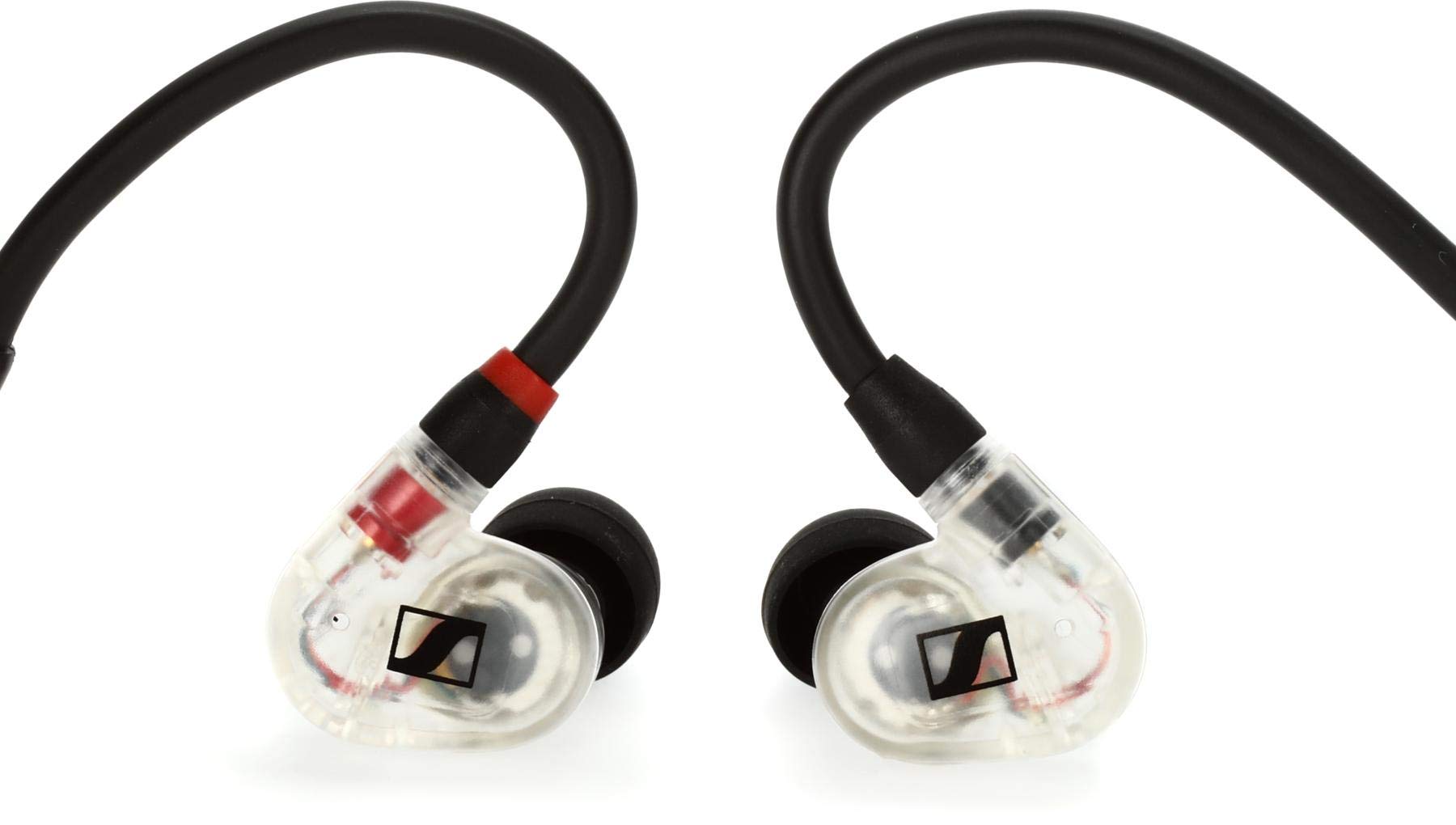
Sennheiser IE 100 Pro

85 /100
Sound Score Excellent

Key details

Fit & Nozzle
Slim stage shell
Detachable Cable
Detachable stage cable
Tuning Flexibility
Foam and silicone tips
Driver Configuration
10mm dynamic broadband
View on Amazon

High sensitivity, a 20-ohm load, and a detachable stage cable make the Sennheiser IE 100 Pro a monitor-first earphone for live performance. The 10mm dynamic driver puts vocal and instrument intelligibility ahead of a consumer bass shelf, which separates it from the tiny neutral listener pick in this set. For stage use, that output and cable serviceability matter more than driver-count marketing.

Driven by a bodypack receiver or entry-level headphone amp, it reaches workable stage levels without a desktop DAC. The shells stay compact enough for long rehearsals, and the included foam and silicone tips allow a tailored fit. In a dense live mix, guitars, click tracks, and vocals remain distinct enough to anchor a performance. The detachable cable gives stage users a direct replacement path if a cable or connector gets stressed.

Musicians, drummers, worship teams, and live performers are the core buyers for this IEM. Occasional channel or cable durability concerns make the detachable cable a serviceable part rather than a full replacement. Listeners who want a consumer-tuned earbud should look elsewhere.

💡 Spend time with the included foam and silicone tips before a live set; a deeper seal tightens low-end weight and stability.

Pros

  • Stage-monitor value sits in a sensible mid-range for working musicians.
  • Comfort can hold up through long sets with foam or silicone tips.
  • Build quality and midrange clarity support monitoring duties.
  • Vocal and instrument clarity stands out in dense stage mixes.

Cons

  • Fit can be shape-dependent; the buds may feel uncomfortable or slip with certain ear shapes.
  • Bass response is lean, so consumer listeners expecting a warm low end may be let down.
Our verdict

It belongs in a stage kit, not a commuter bag. The IE 100 Pro makes sense when monitoring clarity and detachable cable service are the priority.

Check Latest Price
3

Best Open-Back Soundstage

Fosi Audio IM4

88 /100
Sound Score Excellent

Key details

Fit & Nozzle
Open-back aluminum shell
Detachable Cable
0.78mm 2-pin
Tuning Flexibility
Brass, aluminum nozzles
Driver Configuration
10mm beryllium-coated dynamic
View on Amazon

The Fosi Audio IM4 separates itself from sealed stage monitors by pairing an open-back shell with a 10mm beryllium-coated dynamic driver. Swappable brass and aluminum nozzles sit at the front, so treble tuning changes are mechanical rather than software-based, and a detachable 0.78mm 2-pin cable keeps the setup serviceable.

The soundstage is the headline: width and layering lean toward open-back headphones, not the closed-in feel of many IEMs. Instruments stay separated through busy passages, vocal timbre remains natural instead of brittle or metallic, and the tuning nozzles shift treble presence more noticeably than minor eartip swaps.

The compact metal shells are light enough for long listening sessions, and the fit benefits from the adjustable nozzle and eartip combos. This set rewards a few minutes of experimentation to find the right balance of treble energy and seal, after which it disappears into background comfort.

This set suits quiet-room listeners who want headphone-like openness in an IEM and are willing to trade isolation for that air. Commuters, office floor users, and stage performers should not buy here; the open-back shell lets ambient sound in and your music out.

💡 Give the nozzle and eartip combos a few minutes at a quiet desk before settling on a final tuning.

Pros

  • Open-back soundstage with natural timbre and instrument separation
  • Lightweight metal shells stay comfortable through long sessions
  • Swappable nozzles and eartips allow tactile tuning changes
  • Strong mid-range value for a tuneable open-back IEM

Cons

  • Open-back shells leak sound and isolate less than closed IEMs
Our verdict

For quiet-room listeners who value soundstage and nozzle tuning over isolation, the IM4 is a focused mid-range alternative to sealed hybrids.

Check Latest Price
4

Best for Studio-Grade Detail

Kiwi Ears Astral

87 /100
Sound Score Excellent

Key details

Fit & Nozzle
Large acrylic shell
Detachable Cable
Modular 3.5mm, 4.4mm
Tuning Flexibility
Driver Configuration
1DD, 6BA
View on Amazon

The Astral separates itself from the tuning-nozzle hybrid in this set by prioritizing a studio-grade reference presentation. A 1DD+6BA array per side gives the upper register high-resolution separation, while the dynamic driver keeps sub-bass tactile and controlled rather than overbearing. Imaging resolution is precise enough for mixing and monitoring decisions, especially when dense material needs clear left-right placement and depth. The modular cable includes both 3.5mm and 4.4mm terminations, so balanced sources are covered without an immediate aftermarket cable.

Studio engineers, mixing and monitoring users, and detail-focused audiophiles with average or larger ears get the most from this tuning. The acrylic shells are built noticeably large, so smaller ears may encounter a comfort boundary during long sessions. The treble stays revealing rather than smoothed, which helps catch sibilance and transients but can read as sharp for sensitive listeners. Buyers who want reference-style clarity for critical listening, not casual playback or a small-form-factor fit, are the target.

The premium pricing aligns with the build and tuning for a working listener. Casual playback does not need this much retrieval, but for critical listening and mix decisions the value is stronger than the driver count alone suggests.

💡 Try aftermarket eartips in a smaller size to reduce shell contact pressure during long sessions.

Pros

  • High-resolution detail retrieval with deep sub-bass and precise imaging for critical mix checks.
  • Premium acrylic shells with a high-end finish that matches the asking price.
  • Modular cable includes 3.5mm and 4.4mm terminations, covering single-ended and balanced sources.
  • Strong value for a professional-grade hybrid for monitoring and detailed listening.

Cons

  • Upper treble energy may expose harshness in bright recordings for sensitive listeners.
  • Large acrylic shells can create pressure during long sessions for smaller ears.
Our verdict

A studio-minded reference IEM for critical listening that prioritizes resolution and balanced output for working engineers.

Check Latest Price
5

Best Budget Entry

Moondrop Chu II

85 /100
Sound Score Excellent

Key details

Fit & Nozzle
Metal shell
Detachable Cable
3.5mm detachable
Tuning Flexibility
Replaceable acoustic nozzle
Driver Configuration
10mm Al-Mg alloy dome
View on Amazon

The Chu II separates itself from the ultra-budget dual-dynamic in this set by pairing a 10mm Al-Mg alloy dome driver with a metal shell and replaceable acoustic nozzles. The nozzle system is the practical hook: it lets a listener change high-frequency character without buying another IEM. The detachable 3.5mm cable and 18-ohm impedance keep the setup simple for phone or dongle listening.

Sound quality follows a clean, controlled path rather than a thick low-end tilt. The 10mm Al-Mg alloy dome driver keeps highs articulate and bass present without masking midrange detail. The fit holds the seal well across a range of ear shapes, which keeps the low end consistent during longer critical-listening sessions.

Budget audiophiles seeking an entry-level critical-listening set with a more substantial shell are the target buyer. This is also for mobile listeners who want replaceable nozzles and can accept a shorter stock cable for the benefit of a compact carry. Buyers who need assured long-term durability and a longer stock cable should place those expectations elsewhere, because unit variance can show up as a muffled or quiet channel after a few months.

💡 An aftermarket cable with more length is the simplest fix for seated or desktop listening.

Pros

  • Clear, controlled sound with present detail across highs and lows.
  • Strong entry-level value for metal-shell build and tuning flexibility.
  • Comfortable, secure fit that preserves bass response.
  • Dense metal shell gives the IEM a more finished feel than typical budget plastic.

Cons

  • Stock cable length may sit short for some seated or desktop setups.
  • Channel consistency can vary after months, with occasional muffled or quiet output.
Our verdict

This is the metal-shell budget pick for listeners who want tuning adjustments and clean, controlled sound, with the understanding that long-term endurance and cable reach are part of the tradeoff.

Check Latest Price
6

Best Neutral Reference Under $100

Truthear Zero: Red

86 /100
Sound Score Excellent

Key details

Fit & Nozzle
Large nozzle, long shell
Detachable Cable
0.78mm 2-pin
Tuning Flexibility
Included bass adapter
Driver Configuration
Dual dynamic, 10mm, 7.8mm
View on Amazon

Truthear Zero: Red takes a stricter neutral path than the hybrid all-rounder in this set. Its dual dynamic drivers produce clean imaging and treble detail for critical listening, while the included bass adapter adds low-end weight for gaming or electronic tracks without changing the main frequency response.

Build quality and the detachable 0.78mm 2-pin cable support cable swaps and daily use. The stock eartip selection helps achieve a seal across a range of ear shapes. For listeners who want positional clarity in competitive games or a neutral look at a mix, the separation stays uncolored.

This is for critical listeners and gamers who want a neutral reference, not a warm relaxed consumer sound. The large nozzle and long shell can cause discomfort for smaller ears, so the right buyer has average-to-large ear canals. EQ-savvy users who treat the bass adapter as a measured low-end shelf will get the most from the design.

Value holds up against pricier neutral-tuned IEMs, and the detachable cable makes maintenance less costly than a fixed-cable alternative. The neutral response rewards a clean source and well-recorded material; it will expose flaws in poorly mastered tracks rather than softening them.

💡 Eartip rolling can improve comfort and seal before considering aftermarket tips.

Pros

  • Clean neutral tuning with clear imaging and treble detail for critical listening.
  • Detachable 0.78mm 2-pin cable and solid build support cable swaps.
  • Included bass adapter adds low-end weight without changing the main tuning.
  • Mid-range value for a neutral reference with this level of imaging.

Cons

  • Large nozzle and long shell can cause discomfort for smaller ears.
  • Channel output can become muffled after several months in some units.
Our verdict

The Zero: Red is the reference listener's runner-up: choose it when a stricter neutral target and positional clarity matter more than the all-rounder's tuning flexibility.

Check Latest Price
7

Neutral Portable Listening

Sennheiser IE 200

80 /100
Sound Score Excellent

Key details

Fit & Nozzle
Tiny shell, dual eartip positions
Detachable Cable
MMCX, 3.5mm
Tuning Flexibility
Dual bass-tuning eartip positions
Driver Configuration
7mm TrueResponse dynamic
View on Amazon

The Sennheiser IE 200 delivers neutral, detailed sound from its 7mm TrueResponse dynamic driver once the eartips seal correctly, and the dual-position bass-tuning tips shift low-end presence without EQ. The obstacle is mechanical rather than acoustic: the eartip seal is finicky, and the stock MMCX cable feels flimsy. That keeps it below the top pick for listeners who want a more consistent out-of-box experience. This is a patient tip-roller's neutral IEM, not a stage monitor; those wanting a stage-ready fit should consider the stage-focused dynamic model instead.

💡 Try the bass-tuned eartip position and a deeper-fitting third-party tip before judging the low end.

Pros

  • Neutral, detailed driver performance once a proper seal is achieved
  • Tiny, light shells stay comfortable for smaller ears after tip-fitting
  • Dual bass-tuning eartip positions adjust low-end presence without EQ

Cons

  • Bass response can thin if the eartip loses its seal during movement.
  • The stock MMCX cable can produce channel cutouts until it is replaced.
Our verdict

The IE 200 fits a patient listener who wants neutral Sennheiser voicing in a tiny shell and accepts tip-fitting plus an aftermarket MMCX cable as part of the setup.

Check Latest Price
8

Design-Conscious Listening

Meze Audio Alba

81 /100
Sound Score Excellent

Key details

Fit & Nozzle
Metal shell
Detachable Cable
2-pin braided SPC
Tuning Flexibility
Driver Configuration
10.8mm dynamic
View on Amazon

Design-first listeners get a portable wired IEM with a 10.8mm dynamic driver, a metal shell, and an included USB-C DAC adapter for phones without a headphone jack. The sound signature stays spacious and musical, with strong bass and clean highs, and the fit is comfortable for long sessions. The main boundary is the thin tangle-prone cable, which makes this better for careful desktop or seated use than active movement. Beautifully made, the Alba is not a clear value leader among mid-range rivals once that cable friction enters the picture.

Pros

  • Spacious, musical tuning with strong bass and clean highs.
  • Premium metal construction gives the Alba a far more expensive feel.
  • Comfortable shape for long listening sessions.

Cons

  • The 2-pin connectors can work loose over time, adding occasional cable reseating.
  • Fit security varies; the earpieces can slip out during movement.
Our verdict

The Alba fits seated, style-driven listening where the metal build and included USB-C adapter add practical value. For movement-heavy sessions, mid-range rivals make a stronger case.

Check Latest Price
9

Budget Musicians

CCA C12

90 /100
Sound Score Outstanding

Key details

Fit & Nozzle
Over-ear design
Detachable Cable
8-strand detachable
Tuning Flexibility
Driver Configuration
5BA, 1DD
View on Amazon

The CCA C12 centers on a 5BA+1DD array and an 8-strand detachable cable, which gives budget-conscious musicians crisp highs and clear mids without a bulky stage monitor. The V-shaped tuning suits monitor mixes and live use, while neutral-reference listeners may find it too colored. Small-eared buyers should plan on eartip swapping, and long-term channel consistency can vary by unit. It also lacks the tuning flexibility of the top pick and sits as a budget alternative rather than the dedicated stage monitor in this set.

Pros

  • Crisp highs and clear mids give a lively V-shaped monitor presentation.
  • Build quality feels substantial for the price.
  • Strong value for a multi-driver IEM.

Cons

  • Stock eartips may not suit smaller ears; aftermarket tips can restore a secure seal.
  • One channel may lose output after months, making this a backup rather than a main stage monitor.
Our verdict

This is a budget hybrid for musicians who want crisp V-shaped monitor playback in practice and backup roles, not for neutral referencing.

Check Latest Price

How to Choose

Driver Configuration

A hybrid array does not automatically beat a single dynamic driver. Multi-driver setups must split frequencies cleanly through a crossover, and a poorly integrated crossover can make treble edgy or mids hollow.

A well-tuned single dynamic often sounds more coherent than a mediocre hybrid, so treat driver count as an implementation detail rather than a score.

Impedance and Sensitivity

Low-impedance, high-sensitivity IEMs get loud from a phone or dongle, but that same sensitivity can expose hiss from noisy headphone jacks. High-impedance models may require more amplifier voltage, which matters less with a dedicated DAP or dongle DAC.

This is a pairing issue, not a sound quality issue.

Detachable Cable Standard

The cable is the first wear point on an IEM. 0.78mm 2-pin and MMCX connectors both make replacement possible, but MMCX sockets can loosen with repeated rotation and cause intermittent cutouts.

Check whether replacement cables are commonly stocked before committing, because a dead cable should not mean a dead earphone.

Fit and Nozzle Size

Perceived bass and clarity change with fit more than with any driver upgrade. If the nozzle does not reach the ear canal or the shell sits loose, low frequencies leak out and the sound becomes thin.

Aftermarket tips of different sizes and lengths fix more tuning complaints than replacing the cable or source, so start there.

Tuning Flexibility

Swappable nozzles and bass adapters let you move between a neutral reference and a warmer sound without buying a second IEM. The tradeoff is that each mechanical connection is another point of tolerance, so cheaper tuning systems can introduce channel imbalance if swapped often.

For critical buyers, tuning flexibility works best when the stock sound is already close to what you want.

Frequently Asked Questions