7 Best Audiophile Wired Earbuds of 2026: Fit, Seal, and Last

Find the audiophile wired earbuds that fit, seal, and keep both channels playing — and skip driver-count hype that doesn't improve sound.

Good wired earbuds should last longer than a phone cable. Yet in this category, the most common complaint is a channel that drops out after a few months, often at the connector. The second is bass that disappears when the fit shifts. Both are avoidable if you buy around them.

It's also easy to overvalue a long spec sheet. More drivers and tuning switches don't automatically mean better sound; they mean more complexity. A clean single-dynamic design can out-deliver a five-driver stack when the tuning and shell are done right.

This guide focuses on the choices that actually shape daily use: driver and tuning, cable connector and reliability, impedance, shell shape, and seal. Extra flexibility is useful, but only if it doesn't make the earbuds harder to live with.

About the Sound Score: This comparative score is calculated from a product's published customer rating and review volume. It is not a laboratory measurement or a hands-on test result.

1

Best Overall

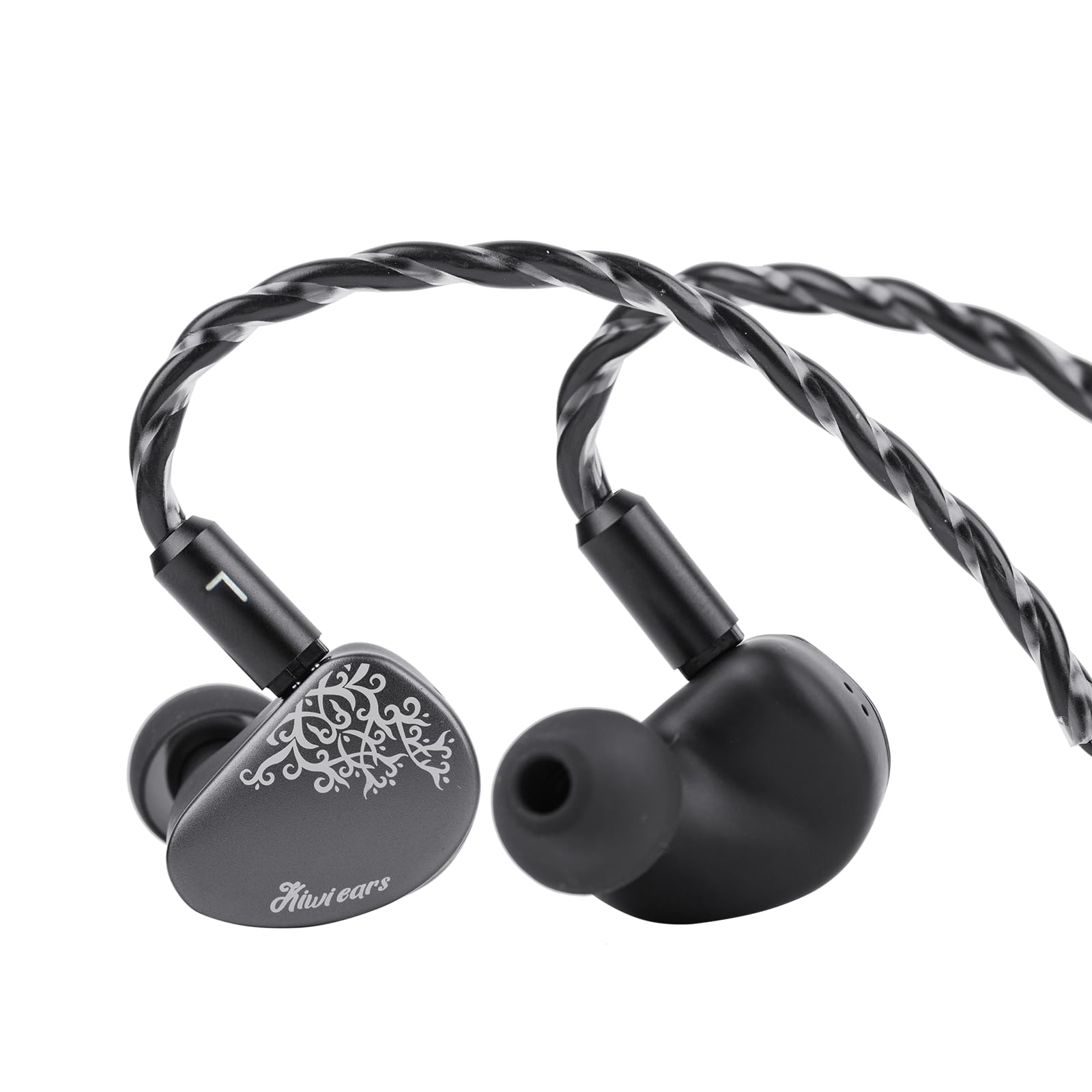
Kiwi Ears Cadenza II

85 /100
Sound Score Excellent

Key details

Bass & Seal
Sub-bass boost tuning
Shell & Fit
Cable Connector
0.78mm 2-pin
Driver & Tuning
10mm titanium dynamic, KARS 2.0
View on Amazon

Single-driver coherence is what separates the Cadenza II from spec-sheet plays. The 10mm titanium dynamic keeps bass, mids, and highs in step, so vocals don't get separated from the instruments around them. Sub-bass is clearly boosted and gives kick drums genuine weight, but the boost stays out of the lower midrange, so male voices and guitars keep their body. KARS 2.0 shapes that resonance into a musical balance rather than a one-note thump. Male vocals carry natural body, and electric guitars keep enough bite to stay engaging. Rock, pop, electronic, and R&B all get an energetic presentation without needing to crank the volume.

Comfort and cable behavior decide whether a daily IEM actually gets used. The compact shell seats securely in typical ears, and its rounded shape avoids the nozzle pressure that some multi-driver hybrids create. The stock 0.78mm 2-pin cable is flexible, with minimal memory and a firm grip in the socket, so there is no rotating collar to fuss with. For someone moving from consumer earbuds, that combination keeps the focus on the music.

The Cadenza II is for first-time audiophile buyers who want a fun, musical tuning and a comfortable daily fit. The warm, bass-assisted voicing is part of the appeal; if you need a strict neutral/reference monitor for critical listening, this is not the IEM for you.

The 18-ohm impedance is low enough for a phone dongle or laptop jack to drive it to normal listening levels, so no separate amplifier is needed to hear what the tuning does. A basic USB-C dongle competes with dedicated players more fairly; this IEM does not demand premium source gear. The standard 0.78mm connector also keeps future cable upgrades simple if you want a longer cable or a different material later.

Hybrid rivals with swappable nozzles offer tuning flexibility, but they bring a larger shell and more connector points into the signal path. The Cadenza II avoids that complexity with one dynamic driver and a simple 2-pin socket. For a listener who wants a single wired monitor for daily listening rather than a tunable experiment, that simpler setup is the more sensible fit. The tradeoff is less tuning variety, but the stock signature is comfortable to live with across genres.

Pros

  • Single 10mm titanium dynamic produces coherent, musical sound with strong sub-bass weight.
  • Compact shell seats securely and stays comfortable across varied ear shapes.
  • Stock cable is flexible and uses a standard 0.78mm 2-pin connector for easy replacement.
  • 18-ohm impedance works with phone dongles and laptop jacks without extra amplification.

Cons

  • Treble headroom is smooth rather than airy, so listeners seeking maximum sparkle may want a brighter IEM.
Our verdict

The Cadenza II is the low-risk first wired IEM: one well-tuned driver, a comfortable shell, and a cable ready for daily use.

Check Latest Price
2

Best Hybrid/Tunable

SIMGOT EW300

86 /100
Sound Score Excellent

Key details

Bass & Seal
Sub-bass presence
Shell & Fit
Long nozzle
Cable Connector
0.78mm 2-pin
Driver & Tuning
1DD+1Planar+1PZT hybrid
View on Amazon

The EW300 joins a 1DD+1Planar+1PZT driver stack with interchangeable nozzles, so one wired IEM can move from bass-assisted warmth to leaner treble detail without a second purchase. The two included nozzles alter the frequency balance enough to suit a track, a genre, or a shift in listening mood.

The sub-bass presence and layered detail carry across the nozzle options, and the lightweight shell keeps long sessions comfortable for most ears. The detachable 0.78mm cable is the right call for a hybrid at this price, but the right channel can drop after several months; reseating or swapping the cable is the first fix.

This is for tuning tinkerers who treat nozzle swaps as part of the listening ritual, not for small-eared listeners or buyers who want maximum long-term certainty. The longer nozzle can feel tiring in smaller ear shapes, and the right-channel cutout is the main reason the top pick is the safer all-rounder. If you fall between those boundaries, the EW300 gives you more tuning range than the single-dynamic favorite at a mid-range price.

💡 Store the unused nozzle set in the case while you listen so the extra tuning options don’t get separated.

Pros

  • Three-driver hybrid delivers high-resolution sound with sub-bass presence.
  • Interchangeable nozzles let you switch tuning without buying a second IEM.
  • Lightweight shell keeps long listening sessions comfortable for most ear shapes.

Cons

  • A right channel can drop after several months; reseating or replacing the 0.78mm cable is the first fix.
  • Longer shell and nozzle can feel tiring for small ears, so tip selection matters.
Our verdict

If you want multiple tuning flavors from one wired IEM and accept connector upkeep, the EW300 is the flexible pick; everyone else should start with the single-dynamic top pick.

Check Latest Price
4

Best Isolation & Stage Use

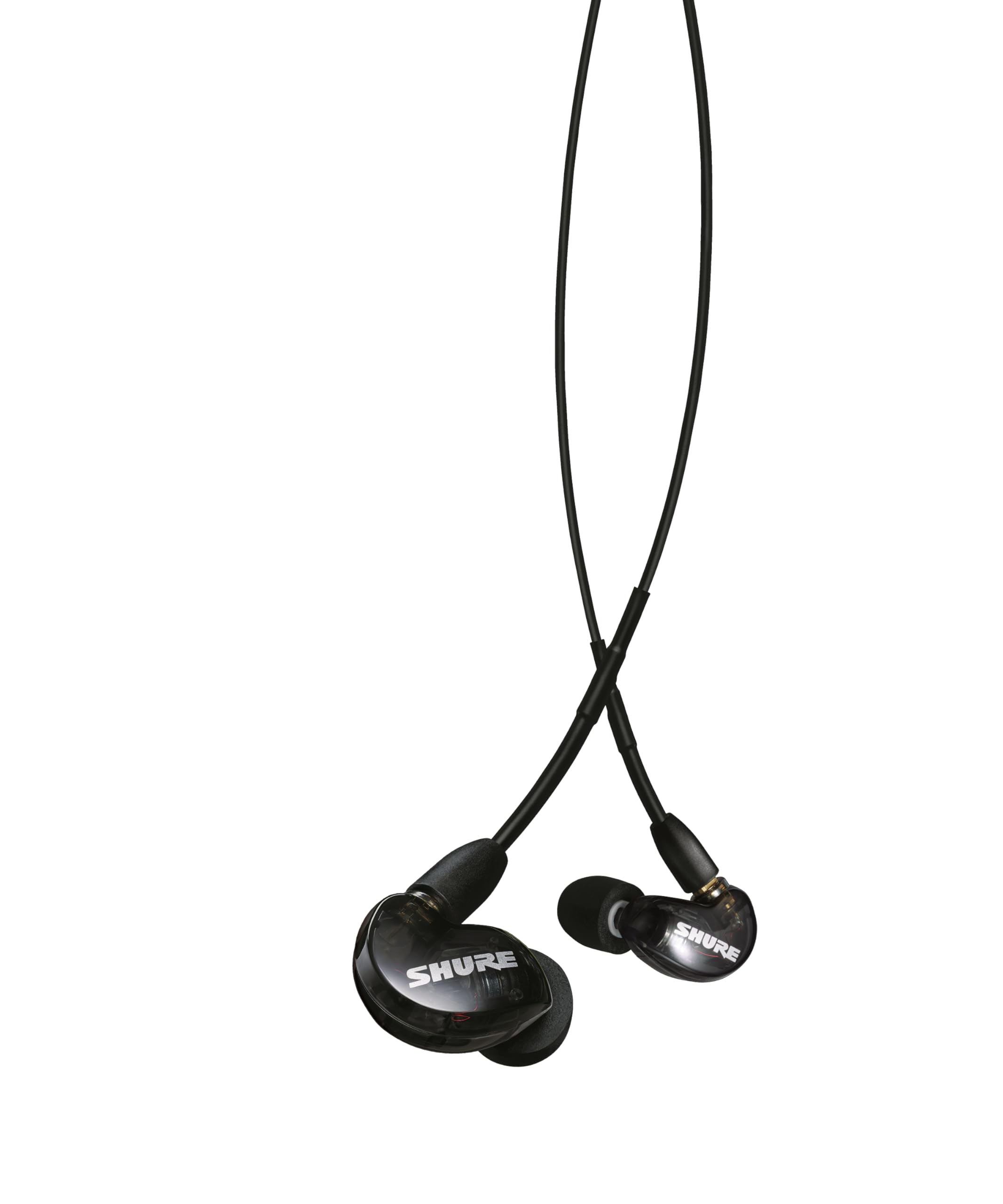
Shure SE215 Pro

87 /100
Sound Score Excellent

Key details

Bass & Seal
Up to 37 dB isolation
Shell & Fit
Over-ear cable design
Cable Connector
MMCX
Driver & Tuning
9.2mm dynamic MicroDriver
View on Amazon

The SE215 PRO sits at the isolation end of this wired roundup: up to 37 dB of attenuation, a detachable MMCX cable, and a single 9.2mm dynamic driver housed in a shell built for regular stage and transit use.

This is the right profile for stage musicians and commuters who want outside noise cut before it reaches the mix, and for first-time buyers who want a respected pro IEM rather than a driver-count spec sheet. The shell fits deep in the ear; some ear shapes can feel cartilage pressure around the 30-minute mark, so a quick fit check matters before long sessions. Sweat or rough handling can stress the MMCX joint, with occasional one-side audio cutouts as the symptom, which makes the replaceable cable a practical service point rather than an accessory.

Tonally, the single dynamic driver balances a rich low end with clear highs. That tuning keeps live drums and loud transit legible, while listeners who chase analytical micro-detail will find a dual-driver model in this set better suited to reference listening. With a 22 Hz to 17.5 kHz response and 17 ohm impedance, the SE215 also runs cleanly from a phone or portable player.

💡 Loop the cable over your ear before inserting the nozzle to keep the housing seated.

Pros

  • Rich bass and clear highs combine in a balanced signature that suits stage and transit listening.
  • Up to 37 dB of sound isolation removes commuter noise before it reaches your music.
  • The detachable MMCX cable and sturdy shell give this IEM a long service life.
  • Premium-priced but cost-effective for first-time IEM buyers who need a pro-grade workhorse.

Cons

  • The over-ear cable adds security, but listeners who prefer straight-down routing will find it intrusive.
  • The single-dynamic tuning is warm and forgiving; strict reference analysis is better served by the dual-driver option here.
Our verdict

For isolation-first listening in loud rooms or transit, this is the workhorse pick of the group.

Check Latest Price
5

Best Budget Hybrid

CCA C12

89 /100
Sound Score Excellent

Key details

Bass & Seal
Bass-forward tuning
Shell & Fit
Zinc alloy shell
Cable Connector
Detachable 2-pin
Driver & Tuning
1DD + 5BA hybrid
View on Amazon

The CCA C12 combines five balanced-armature drivers with a single dynamic driver in a zinc-alloy shell, and its tuning gives bass weight without burying vocal clarity. The detachable 2-pin cable and 24-ohm impedance make it easy to pair with a phone or a USB dongle, while the shell carries the kind of heft usually reserved for more expensive IEMs.

Where the KZ ZS12 Pro 2 leans toward treble and positional imaging, the C12 sits lower in the mix: kick drums and bass lines stay round, yet cymbal and string details remain readable. The stock cable is workable, and the 2-pin connector lets you upgrade later without replacing the whole IEM.

This is the right hybrid for bass-friendly listeners who want multi-driver layering and a premium metal feel without leaving the budget tier. Large shells can be uncomfortable for small ears, and long-term durability is a variable, so buyers who need a compact fit or maximum longevity are better served by the top pick. For listeners who can accommodate the larger shell, the C12 still delivers a lot of driver detail for the money.

💡 Try the smallest eartips and a shallow insertion angle to reduce pressure from the larger shell.

Pros

  • Crisp, clear sound with good balance and bass weight for bass-friendly listeners.
  • Zinc-alloy shell provides a solid, premium feel at a budget-friendly price.
  • Strong value for a multi-driver hybrid with a detachable 2-pin cable.

Cons

  • Large shells can create pressure or discomfort for small-eared listeners.
  • Long-term durability varies; a channel can go silent after extended use.
Our verdict

For bass-first listeners who want multi-driver detail and a metal-shell feel at a budget price, the C12 delivers on core sound; fit and long-term consistency are the boundaries that separate it from the top pick.

Check Latest Price
6

Ultra-Budget Listeners

KBEAR KS1

90 /100
Sound Score Outstanding

Key details

Bass & Seal
Bass-boosted tuning
Shell & Fit
High-density PC shell
Cable Connector
Fixed cable
Driver & Tuning
Single dynamic, dual magnetic circuit
View on Amazon

The KBEAR KS1 pairs a single dynamic dual-magnetic driver with clear, bass-rich tuning that sets a high bar for ultra-budget wired IEMs. At this price, it delivers real detail and weight for casual audiophile listening without demanding an amp. The over-ear cable routing keeps the fit secure, though it will feel unusual if you prefer straight-down cables. Cable quality can vary between units, and one-sided audio may appear on some examples; a static fuzz or hum can also show up with certain sources. That variance is what keeps it below the top tiers, but for a first wired IEM bought on a tight budget, the sound-per-dollar is hard to match.

Pros

  • Delivers clear, bass-rich sound from a single dynamic dual-magnetic driver at an entry-level price.
  • Costs little while providing detail and weight that make it a strong starting point for wired listening.
  • Secure over-ear fit supports extended wear; shell stays comfortable during longer sessions.

Cons

  • With certain sources, a faint static fuzz or hum can appear in the background.
  • Cable quality can vary between units; one-sided audio may show up on some examples.
Our verdict

For a first wired IEM on a tight budget, the KS1's sound quality outweighs its cable caveats. If you want a worry-free everyday cable, spend a little more for a more forgiving build.

Check Latest Price
7

Budget Metal Build

Moondrop LAN

85 /100
Sound Score Excellent

Key details

Bass & Seal
Shell & Fit
MIM stainless steel shell
Cable Connector
0.78mm 2-pin
Driver & Tuning
10mm beryllium-plated dynamic
View on Amazon

The MIM stainless steel shell and 10mm beryllium-plated dynamic give the Moondrop LAN a physical presence that typical budget IEMs skip, and the detachable 0.78mm 2-pin cable leaves a clear upgrade path. That combination makes it a strong match for buyers who value metal build quality over the safest possible tuning. The LAN is a taste-dependent buy, so the top pick in this set offers a more settled tuning and fit consensus for those who want one easy daily IEM. Buyers who want a dense shell and cable flexibility at a mid-range price have a clear reason to choose the LAN.

Pros

  • MIM stainless steel shells feel dense and well-constructed for the price.
  • Strong value for a mid-range wired IEM with a metal shell and detachable cable.

Cons

  • Treble can sound bright and may fatigue listeners with upper-frequency sensitivity.
  • Channel imbalance is possible on individual units, which matters for critical listening.
Our verdict

The dense shell and upgradeable cable make this the budget IEM to choose when build quality comes first.

Check Latest Price
8

Analytical Neutral Monitoring

Shure SE425 Pro

87 /100
Sound Score Excellent

Key details

Bass & Seal
Low-bass tuning, seal-dependent
Shell & Fit
Cable Connector
MMCX
Driver & Tuning
Dual high-definition driver
View on Amazon

SE425's dual-driver tuning delivers clear, even mids and crisp highs that pull individual instruments out of a mix, and its isolation keeps room noise from smearing those details. The flip side is a lean bass and a tight nozzle fit that can become uncomfortable for some ears, which makes this a niche pick for analytical listeners rather than a casual first IEM or a stage workhorse. The dual high-definition driver layout and 22-ohm impedance are easy to drive from a phone or a dedicated player, but the signature stays neutral.

Pros

  • Clear, even mids and crisp highs make it easy to follow instrument lines in dense recordings.
  • Strong noise isolation keeps room tone and commotion out of the listening space.
  • Professional build with a detachable MMCX cable allows future cable swaps without replacing the shells.

Cons

  • The premium price is a harder sell for casual listeners than for detail-focused monitoring.
  • Intermittent one-side audio can occur through the MMCX connection; reseating or swapping the cable is the practical fix.
Our verdict

Choose the SE425 when your priority is resolving midrange detail in a quiet room; that is the scenario where its narrow tuning makes sense.

Check Latest Price

How to Choose

Driver Configuration and Tuning

Driver type sets the presentation. Single-dynamic models use one moving coil for the full range, which keeps tuning coherent but limits extreme detail. Hybrids split the work between dynamic and balanced-armature drivers, adding resolution but also crossover complexity.

That complexity is the hidden trade-off: more drivers mean more connections that can develop imbalances or drop-outs. A well-tuned single dynamic often satisfies for vocals and acoustics; hybrids make sense when you chase micro-detail and soundstage.

Detachable Cable Connector

Detachable cables extend the life of an IEM, but the connector becomes the wear point. MMCX connectors rotate and can loosen, while 0.78mm two-pin connectors are stiffer but can bend if yanked.

Stock cable quality varies widely. If a channel cuts out when you move your head, the culprit is almost always the cable, not the driver; check that replacement cables are easy to source.

Impedance and Sensitivity

Impedance dictates the voltage needed. Low-impedance models in the 16 to 32 ohm range suit phones and dongles; higher impedance models like 140 ohm require an amp. High sensitivity can reveal hiss from cheap outputs.

Match impedance to your source. Phone listeners should favor low-impedance, high-sensitivity designs; amp owners can use higher-impedance models for cleaner control.

Shell Shape and Fit

Nozzle depth and shell contour determine long-session comfort. Small ear canals often struggle with long nozzles and large shells. Over-ear cable routing distributes weight but can feel intrusive.

Fit also changes sound: a shallow or shifting seal makes balanced IEMs sound thin. Test with multiple tips and wear them for 30 minutes before judging.

Bass Consistency and Seal Dependence

IEM bass depends on a sealed ear canal. When the tip leaks, low-frequency energy escapes, producing the phantom 'no bass' problem. Nozzle angle, tip material, and ear shape decide how repeatable the seal is.

Open-back models vent the rear chamber for more natural bass, but they leak sound and let noise in. Closed, sealing designs suit commuters; open-backs suit quiet rooms.

Frequently Asked Questions