9 Best Closed-Back Headphones for Streaming in 2026: Seals That Fit

Closed-back headphones for streaming that isolate your mic from bleed without punishing your head — wired picks for podcasters and home studio users.

Closed-back headphones are the standard for streaming because they keep your microphone track clean: the cups isolate room tone and reduce audio bleed from the headphones into the feed. The catch is that budget models often create that seal with stiff pads and firm clamp force, so a long session can turn into ear fatigue.

The useful way to shop this category is to separate passive isolation from noise-cancelling marketing. A wired headphone at this price does not remove background noise electronically; it physically blocks it. The right model is the one whose seal works with your head shape, your glasses, and your streaming setup.

That means choosing between a simpler design with a sturdier shell and a feature-loaded design with more extras but more plastic joints. The picks in this guide balance those trade-offs for different streaming workflows.

About the Sound Score: This comparative score is calculated from a product's published customer rating and review volume. It is not a laboratory measurement or a hands-on test result.

1

Best Overall

Audio-Technica ATH-M20x

93 /100
Sound Score Outstanding

Key details

Cable
Fixed 3.5mm
Design
Closed-back
Driver
40 mm
Comfort
Circumaural pads
View on Amazon

The ATH-M20x is a closed-back monitor with a clean, balanced tone: high-frequency detail stays clear without turning harsh, and the 40mm drivers handle voice and mid-range instruments honestly. The circumaural pads form a passive seal that cuts a meaningful amount of ambient noise, so a keyboard or PC fan is less likely to bleed into a voice track. At 47 ohms, it runs directly from laptop headphone jacks, USB interfaces, or basic mixers without an extra amp. The 96 dB sensitivity also gets loud enough for tracking without pushing interface gain. The build is not premium, but it holds together in a fixed studio setup.

Closed-back construction also keeps audio from leaking outward, which matters when a microphone is sitting a few inches away. The non-swiveling earcups keep the fit simple, and the headphone stays put during a recording session. It is not a portable or foldable option, but for a fixed desk setup it behaves predictably.

First-time streamers and podcasters who need low-leakage monitoring for voice recording get a dependable wired monitor here. The clamp applies steady pressure, which can fatigue ears during long sessions for some head shapes, and earpad cushions may crack after heavy use — a consideration for daily all-day wear rather than weekly episode tracking.

Pros

  • Clear balanced sound with good high-frequency detail for monitoring voice and instruments.
  • Closed circumaural pads block enough ambient noise to protect live mic tracks.
  • Entry-level build holds up in home studio use without a premium price.

Cons

  • Long single-sided cable can be awkward on small desk setups.
  • Non-detachable cable limits replacement options if the cord wears out.
Our verdict

If you need a simple wired monitor for streaming or podcasting, the M20x gives you clean isolation without demanding extra gear.

Check Latest Price
2

Best for Podcast & Voice-Over

MAONO MH601

91 /100
Sound Score Outstanding

Key details

Cable
Detachable 3.5/6.35mm
Design
Closed-back
Driver
50 mm
Comfort
Plush over-ear pads
View on Amazon

The MH601 is built around podcast workflows: swiveling earcups make one-ear monitoring easy, the coiled 3.5mm/6.35mm cable stays tidy at a mixer, and the 50mm voicing keeps vocals clear and present.

Podcasters, voice-over artists, and streamers with an interface or mixer get the most from this headphone: the zero-latency wired path keeps your voice cue in sync, and the plush earpads suit long sessions. No built-in mic means you supply your own, and hinge durability plus pad wear are the tradeoffs to accept if you handle gear roughly.

💡 Keep the coiled cable slack while recording so it doesn't pull the connector from the mixer's jack.

Pros

  • Dialogue-heavy work — podcasts, voice-overs, streaming
  • Swiveling single-ear monitoring with a detachable coiled 3.5mm/6.35mm cable set works well at mixers and interfaces.
  • Plush over-ear pads maintain comfort through long podcast sessions and keep clamp pressure manageable across extended recordings.

Cons

  • Passive isolation is moderate
  • The coiled cable can feel bulky on small desks, and the connector may sit loose in some jacks.
Our verdict

For podcasters and voice-over artists with their own mic and interface, the MH601 delivers creator-focused monitoring — and a 3-year warranty backs the budget price.

Check Latest Price
3

Best Budget Value

OneOdio Pro-10

89 /100
Sound Score Excellent

Key details

Cable
Detachable 3.5/6.35mm
Design
Closed-back
Driver
50 mm
Comfort
Padded over-ear cups
View on Amazon

The Pro-10 packs a 50mm bass-forward driver, dual detachable 3.5/6.35mm cables, and an audio-sharing port into a low-cost wired shell. Closed-back pads keep bleed down for a home podcast mic, and the 32-ohm impedance will drive from a laptop or interface without extra gain. Wired-only construction keeps latency and connection quirks out of the signal path.

The plastic swivel/yoke area is the durability weak point, so this is a desk-bound monitor for budget podcasters and home studio users rather than tour gear. At entry-level pricing, the closed-back design and swivel cups still cover the essential streaming, podcasting, and cue-monitoring jobs.

Pros

  • Big, clear 50mm sound with powerful bass for cue and voice monitoring.
  • Dual detachable 3.5/6.35mm cables plus an audio-sharing port for guest cueing.
  • Padded cushions and adjustable headband support long sessions for average head sizes.

Cons

  • Passive isolation is modest; it won't replace active noise cancellation in a busy room.
  • Clamp can feel tight for larger heads and small around the ears.
Our verdict

The Pro-10 is a cost-effective desk monitor for podcasters who want dual cable flexibility in a wired setup.

Check Latest Price
4

Best for Detailed Monitoring

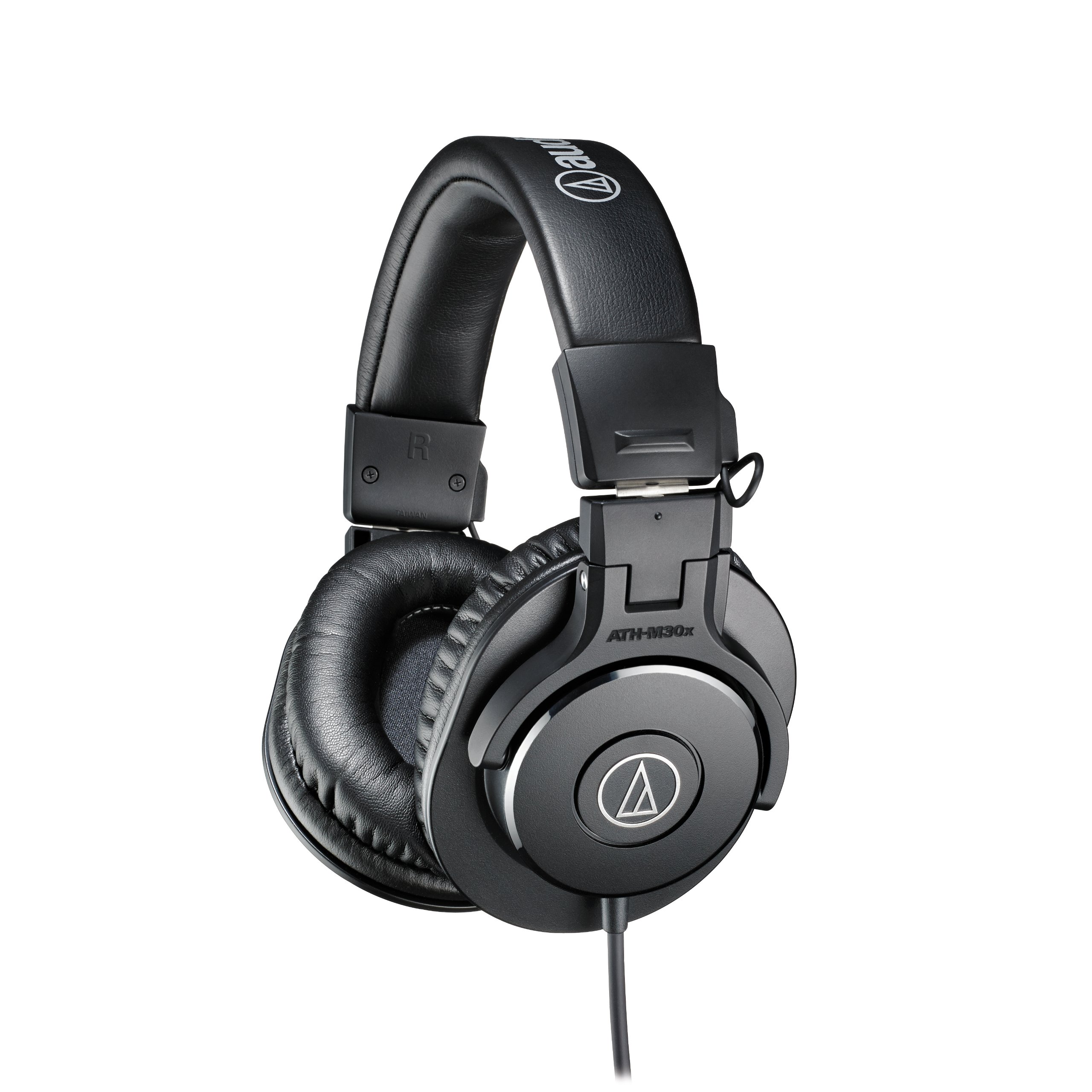
Audio-Technica ATH-M30x

93 /100
Sound Score Outstanding

Key details

Cable
Fixed 3.5mm
Design
Closed-back
Driver
40 mm
Comfort
Collapsible frame
View on Amazon

The M30x pulls more mid-range detail out of voices and instruments than the entry-level model, while the aluminum-reinforced yokes make the collapsible frame feel sturdier. It is a wired closed-back monitor, so it isolates passively and keeps sound from bleeding into a live mic.

For streamers doing light mix-checking or vocal editing, that added clarity is the reason to move up from the baseline. It folds down for transport, but glasses wearers may feel the clamp pressure sooner than expected.

Pros

  • Clear, balanced sound with good mid-range definition for vocal edits and instrument detail.
  • Aluminum-reinforced frame feels sturdier than the entry-level build and folds for transport.
  • A real step-up from the budget monitor without leaving the mid-price tier.

Cons

  • Long-term padding and plastic trim can wear down with heavy daily use.
  • Long cable can be awkward on compact desks.
Our verdict

For closed-back studio monitoring and streamer voice checks, the M30x is the step-up that gives you clearer mids and a collapsible build.

Check Latest Price
5

Best Wired/Wireless Hybrid

OneOdio A70

89 /100
Sound Score Excellent

Key details

Cable
Bluetooth, wired
Design
Closed-back
Driver
40 mm
Comfort
Soft over-ear pads
View on Amazon

Unlike a wired-only budget monitor, the A70 adds Bluetooth 5.3 without dropping the 3.5mm and 6.35mm inputs for mixer or interface hookups. The built-in HD mic covers stream chat without an extra headset, and the 40mm drivers deliver clear highs in both modes.

Streamers who switch between Bluetooth convenience and wired monitoring are the right audience. Real-world Bluetooth playtime can fall short of the advertised multi-day figure, and pairing is inconsistent on some units, so keep the wired cable within reach for scheduled streams.

Pros

  • Clear highs in both wired and Bluetooth modes, with a sound signature that suits voice and music monitoring.
  • Built-in mic, Bluetooth 5.3, and wired 3.5mm/6.35mm inputs pack a lot of utility into a budget-friendly package.
  • Soft over-ear pads keep long sessions comfortable for streamers and podcasters.

Cons

  • Clamp pressure runs tight on larger heads and loose on smaller heads, so pad contact varies.
  • One-sided audio or charging issues can occur in individual units.
Our verdict

The A70 makes sense for streamers who treat the wired link as the primary connection and Bluetooth as a convenience.

Check Latest Price
6

Budget Tracking

AKG K72

89 /100
Sound Score Excellent

Key details

Cable
Fixed 3.5mm
Design
Closed-back
Driver
40 mm
Comfort
Lightweight frame
View on Amazon

Lightweight AKG build and balanced sound make the K72 a comfortable closed-back budget monitor for voice tracking. Passive isolation is moderate, so it suits quiet rooms rather than loud shared spaces. Internal wiring can develop an intermittent connection in one earpiece, and that combination keeps it out of the main runner-up group.

Pros

  • Balanced, clear sound suits budget studio monitoring and voice tracking.
  • Solid AKG build for the price.

Cons

  • Sound can escape around the earpads at higher listening levels.
Our verdict

For comfort-first voice tracking on a budget, the K72 is a competent home-studio pick.

Check Latest Price
7

Lightweight Podcasting

FIFINE HD8

89 /100
Sound Score Excellent

Key details

Cable
Detachable 3.5/6.35mm
Design
Closed-back
Driver
50 mm
Comfort
Lightweight soft pads
View on Amazon

FIFINE HD8 is a lightweight closed-back monitor with 50mm drivers, dual detachable cables, and a soft frame for comfort-first streamers. Voice work sounds clear on a wired setup, and the low-weight shell suits long podcast sessions. It doesn't rank higher because its passive isolation is limited in noisy rooms.

Pros

  • Clear, well-balanced sound for podcasts, gaming, and studio work
  • Dual detachable 3.5mm/6.35mm cables make cable swaps simple for budget monitoring

Cons

  • Fit can be tight or awkward for some head sizes, so trying them on matters before long sessions
Our verdict

For a quiet home studio, the HD8 is a sensible budget closed-back option for light podcasting and voice tracking.

Check Latest Price
8

Ultra-Budget Starter

TASCAM TH-02

88 /100
Sound Score Excellent

Key details

Cable
Fixed 3.5mm
Design
Closed-back
Driver
50 mm
Comfort
Small ear pads
View on Amazon

The TH-02 offers a recognizable pro-audio name, 50mm drivers, and a 6.35mm adapter for closed-back entry-level monitoring. Small earpads and a tight clamp make long sessions tiring, and one-ear audio issues can surface in some cases; those limits keep it below the top tier. Students and entry musicians can use it for short basic tracking in a quiet room.

Pros

  • Build quality feels more solid than the budget price suggests.
  • Sonic performance is surprisingly strong for an entry-level closed-back monitor.

Cons

  • The fixed cable is long and can get in the way on a small desk.
Our verdict

For non-critical tracking sessions on a strict budget, this wired closed-back monitor covers the essentials.

Check Latest Price
9

Bass Monitoring

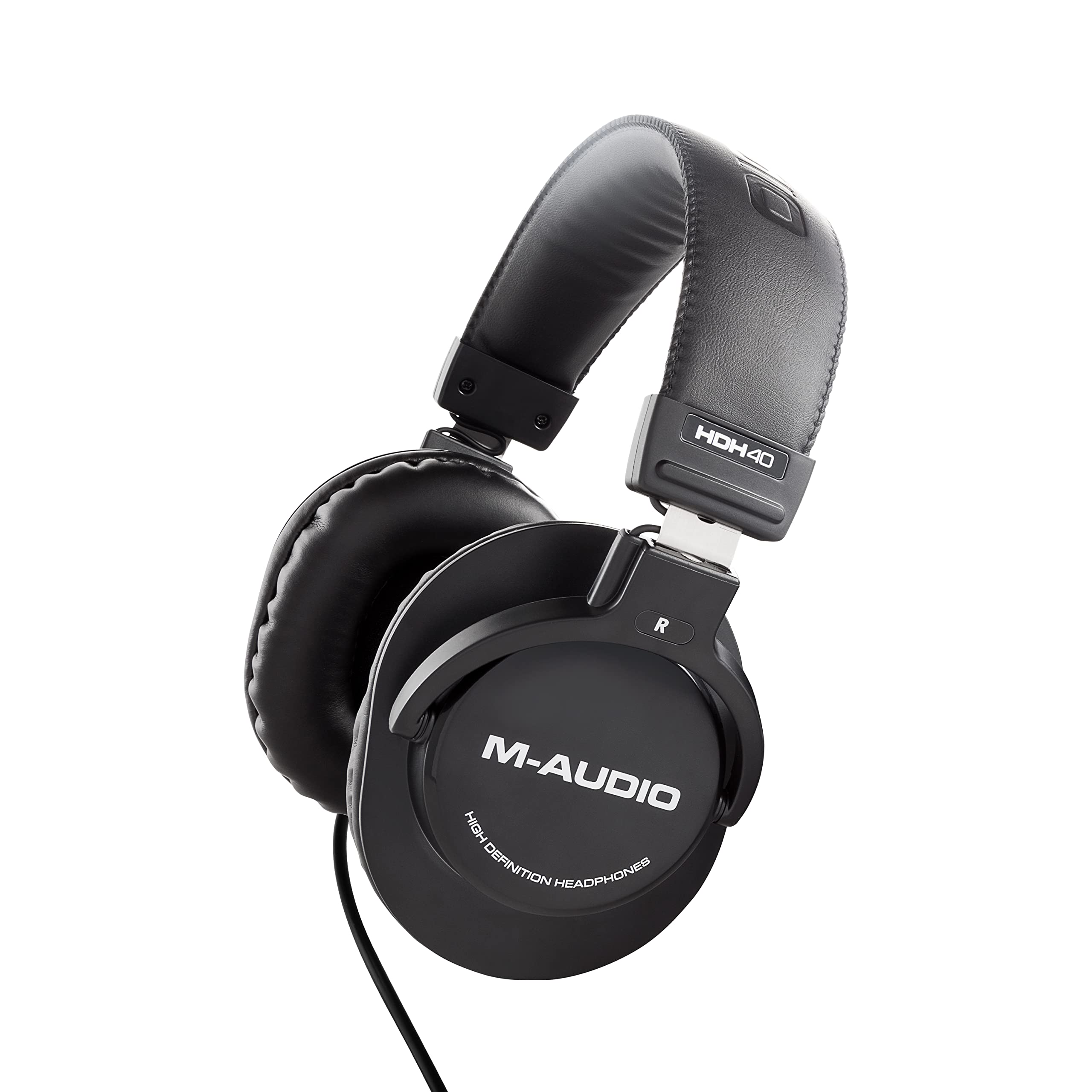
M-Audio HDH40

89 /100
Sound Score Excellent

Key details

Cable
Fixed 3.5mm
Design
Closed-back
Driver
40 mm
Comfort
Over-ear cups
View on Amazon

The HDH40's closed-back 40mm driver and flexible headband make voice tracking comfortable, and its long fixed cable with 6.35mm adapter connects easily to interfaces. Its low-end tilt suits bass-heavy listening and light tracking, but it is not neutral enough for critical mix translation.

Pros

  • Solid build for the price, with a flexible headband that suits varied head shapes.
  • Plugs into audio interfaces and mixers without extra gain, making basic recording setups easy.

Cons

  • For some head shapes, the earcups sit on ears rather than around them, so fit is worth checking before long sessions.
Our verdict

For budget streamers and podcasters who want a comfortable closed-back with interface-friendly wiring, the HDH40 is a practical entry pick before spending more.

Check Latest Price

How to Choose

Isolation vs. Leakage

Closed-back cups create a physical seal that keeps room tone out of your mic and keeps your headphone audio from bleeding into the recording. That seal is passive isolation, not active noise cancellation. It depends on pad material, clamp pressure, and how completely the cup surrounds your ear.

A tighter seal blocks more noise but pushes harder on your head and glasses. Quiet rooms need only moderate isolation; shared rooms demand a firmer seal and more clamp pressure.

Driver Size and Tuning

Larger 50mm drivers move more air and often produce a bass-heavy sound. Smaller 40mm drivers usually favor balance and vocal clarity, which is useful when you need to hear your own diction while editing a stream.

The hidden trade-off is that bass-forward tuning can make music sound exciting but can mask sibilance and plosives in your voice. For podcast and voice-over work, a mid-forward 40mm driver is easier to trust than a 50mm driver tuned for DJ use.

Impedance and Sensitivity

Low-impedance 32-ohm headphones reach useful volume from phones, laptops, and audio interfaces without extra gear. A 47-ohm model still works with an interface but may sound quiet on a weak headphone jack.

Sensitivity controls how efficiently the driver turns power into volume. A 110dB model needs less gain than a 96dB model, so it can expose interface noise. Match the headphone to the device you stream on.

Cable and Connectors

Detachable 3.5mm and 6.35mm cables are the most practical feature in this category because a damaged cable is replaceable without opening the headphone. Fixed cables keep cost down, but when the wire wears out at the strain relief, the whole headphone becomes a repair project.

Coiled cables add reach without tangling, but a tight coil can tug on the earcup. On compact desks, a long fixed cable is the bigger annoyance.

Comfort and Clamp Force

Comfort comes from headband pressure, earcup depth, and pad material. Budget closed-backs often use firm clamp to create the seal, so glasses wearers and large-headed users notice it within the first hour.

Protein leather seals well but traps heat; velour breathes but leaks sound. A break-in period eases clamp, but daily streamers should prioritize deeper pads over a tighter seal.

Frequently Asked Questions