12 Best Earmuffs for Kids in 2026: Match the Fit, Not Just the dB

How to choose the best earmuffs for kids by head size and real-world durability, not the highest dB number.

Most earmuff listings say 'noise cancelling,' but these are passive protectors: they reduce sound, not erase it. That distinction matters because a pair with a higher dB number won't protect a child if it slips off or pinches after ten minutes.

Fit and durability decide whether hearing protection actually works. Kids outgrow or lose earmuffs quickly, and the cheapest pairs can develop cracked joints or detached ear cushions just when you need them. The right starting point is head size and age, not the loudest spec.

That creates a trade-off: earmuffs built for a newborn fit differently from a pair meant to stretch from toddler to teen. This guide separates those use cases so you can match one pair to your child's shape and to the events you actually attend.

About the Sound Score: This comparative score is calculated from a product's published customer rating and review volume. It is not a laboratory measurement or a hands-on test result.

1

Best Overall

Baby Banz Infant Ear Muffs

95 /100
Sound Score Outstanding

Key details

Age Range
3-36 months
Durability
Sturdy build, plastic sliders
Portability
Foldable, 135 g
Cushion & Clamp
Soft low-pressure cushions
View on Amazon

Baby Banz infant earmuffs are built around the one thing that matters for this age group: babies keep them on. The 26dB passive reduction takes the edge off fireworks, races, and stadium noise, while the low-pressure cushions keep the seal comfortable enough for a nap. At 135g, the headband is light enough that younger infants carry it without fuss, and it sits over the crown rather than pressing on the temples.

At a fireworks show or a youth sports event, the earmuffs stay planted through noise bursts and head-turning. The arms fold flat for a diaper bag, and babies sleep through the noisiest stretch of an event without the band shifting. The padding stays soft after repeated folding, so the seal doesn't need a hard clamp to reduce loud bursts.

This is the pair for parents of infants and younger toddlers who need hearing protection at loud events, and for babies who are sensitive to sudden sounds. The birth-to-about-3 age window means larger toddlers may find the headband snug; families who want one pair to grow into school age should look at the wider-fitting options in this guide.

Pros

  • Stays planted during fireworks, races, and games without constant re-adjustment.
  • Soft low-pressure cushions let babies nap through loud stretches.
  • Reduces loud bursts while keeping normal conversation audible for nearby adults.

Cons

  • Slider plastic can feel flimsier than the rest of the headband when adjusting.
  • Larger toddlers near the top of the stated range may find the headband snug.
Our verdict

For the under-three set, this is the pair that makes hearing protection a non-event.

Check Latest Price
2

Best Budget & Broad Fit

Dr.meter EM100 Kids Ear Muffs

93 /100
Sound Score Outstanding

Key details

Age Range
Toddler to adult
Durability
Ear-cup joint cracks
Portability
Foldable, 8 oz
Cushion & Clamp
Adjustable headband
View on Amazon

One affordable pair with telescopic arms covers a toddler and an older sibling, with certified 27dB protection and enough adjustment range to keep serving as kids grow. The headband extends well past typical kid sizes and folds down for a glove box, so it rides along easily.

This is the budget buy for families heading to Monster Jam, fireworks, or parades with several children. Clamp pressure can feel tight on sensitive heads, and the ear-cup joints can crack after a hard drop — limits worth accepting when the priority is a wide fit range and a low price.

Pros

  • Certified 27dB reduction tames loud event noise while keeping voices audible enough for conversation.
  • Telescopic headband spans toddler through adult sizes, so one pair can be shared across kids.
  • Strong noise blocking for the price, making it a cost-effective family backup pair.

Cons

  • Slider arms can be stiff to adjust on a new pair, so size changes may take two hands.
Our verdict

One budget pair that moves from toddler to teen, with certified protection and a headband that grows along with the child.

Check Latest Price
3

Best for Older Kids & Sensory Needs

Alpine Muffy Kids Ear Muffs

93 /100
Sound Score Outstanding

Key details

Age Range
5-16 years
Durability
Red Dot build
Portability
Foldable, travel bag
Cushion & Clamp
Low-clamp comfort headband
View on Amazon

Kids with sound sensitivity wear the Alpine Muffy through class, parades, and homework without the clamp headache adult earmuffs can cause. A Red Dot Award-winning shell weighs just 174g, so low pressure stays comfortable through long stretches.

This is the school-age sensory pick: ages 5-16, with an adjustable headband and foldable travel bag. Classroom focus, concerts, parades, and homework fit its strengths. It is not for babies under five, and the 22-25dB attenuation reduces overload rather than creating silence — so families who need maximum cut for extreme noise will want a higher-attenuation pair.

💡 Adjust the headband so the cushions sit fully over the ears before long sessions.

Pros

  • Low-clamp comfort keeps sensory-sensitive kids wearing it through class, parades, and homework.
  • Quality materials and a foldable build hold up in school-bag use without feeling cheap.
  • Effective at dialing down overstimulating sound so focus and calm are easier at school.

Cons

  • In very loud venues, the 22-25dB cut reduces rather than isolates sound.
Our verdict

For a sensory-sensitive grader who needs low-clamp comfort at school and events, this is the pair.

Check Latest Price
4

Best Budget Baby Pick

BBTKCARE Baby Ear Muffs

93 /100
Sound Score Outstanding

Key details

Age Range
3 months-3 years
Durability
Portability
Lightweight, 1.76 oz
Cushion & Clamp
Lightweight soft cushions
View on Amazon

Babies sleep through flights, parades, and races in a pair that weighs only 1.76 ounces. Soft cushions and an adjustable headband keep the muffs in place, while the passive cups cut harsh peaks without sealing off normal sounds. That makes it an easy first pair or a spare for the diaper bag.

This is for parents of infants and younger toddlers who want a light, carry-anywhere protector. Near age 3, larger heads can get snug, and the 23dB rating is the tradeoff for the featherlight build — fine for ordinary loud events, less ideal if maximum isolation is the priority.

Pros

  • Lightweight enough to live in a diaper bag without adding bulk.
  • Adjustable headband keeps the muffs on small heads during parades and flights.
  • Cuts harsh noise peaks while leaving some ambient sound for sleeping babies.

Cons

  • Attenuation is lower than the strongest child protectors, so very loud venues pass more sound through.
Our verdict

Parents who want a light diaper-bag spare for napping through loud events get a functional pair here.

Check Latest Price
5

Best Toddler-Plus Outdoor Pick

BANZ Kidz Ear Muffs

93 /100
Sound Score Outstanding

Key details

Age Range
2+ years
Durability
Plastic headband can snap
Portability
Cushion & Clamp
Stretch-fit headband
View on Amazon

The Kidz version brings the BANZ fit to toddlers and preschoolers while adding UPF 50+ fabric and quick-dry material for outdoor events. The sound-blocking effect stays consistent at fireworks, concerts, and loud sporting events, and the cushions stay comfortable over longer stretches.

Buy this for a child past infant size who spends more time outside at parades, races, or yard work. There is no published NRR/SNR spec, and the stretch fit can run snug on larger toddler heads; the baby-focused top pick is the better newborn call.

Pros

  • Blocks fireworks, concerts, and loud sporting events well enough for toddler outings.
  • UPF 50+ fabric and quick-dry material suit sunny parades, races, and yard work.
  • Cushions stay comfortable for toddler and preschool heads over longer wears.

Cons

  • A hard fall or a strong tug can crack the plastic headband.
Our verdict

This is the outdoor toddler-and-preschooler pair: enough sound blocking for loud events and UPF 50+ fabric for sun-soaked outings. Keep the baby-focused top pick for infant heads.

Check Latest Price
6

Best High-Attenuation Value

iClever EM01 Kids Ear Muffs

92 /100
Sound Score Outstanding

Key details

Age Range
Kid to small adult
Durability
Stainless steel frame
Portability
Foldable, 0.39 kg
Cushion & Clamp
Adjustable telescopic arms
View on Amazon

The highest certified attenuation in the mid-price group lands at 29dB SNR, with a steel-reinforced headband and telescopic arms that extend to small-adult sizes. That reach makes it a practical classroom or shared-family pair.

Strong blocking in crowded spaces supports concentration and sensory-sensitive kids, and the build feels solid. Folding hinges can be stiff, and the headband may hold a slight bend in some units. This pair is best for older kids and small adults; babies and younger toddlers are better served by the baby-focused picks.

💡 Unfold the arms gently and store the muffs flat to keep the folding mechanism aligned.

Pros

  • Turns down loud classrooms, parades, and other noisy spaces for kids who need focus or sensory support.
  • Telescopic arms extend 38mm per side, so one pair can be shared between an older child and a small adult.
  • Certified 29dB SNR attenuation at a mid-range price.

Cons

  • Folding hinges can be stiff, and the headband may hold a slight bend in some units.
Our verdict

When one pair needs to cover an older child and a small adult, this delivers certified high attenuation without premium pricing.

Check Latest Price
7

Budget First Pair

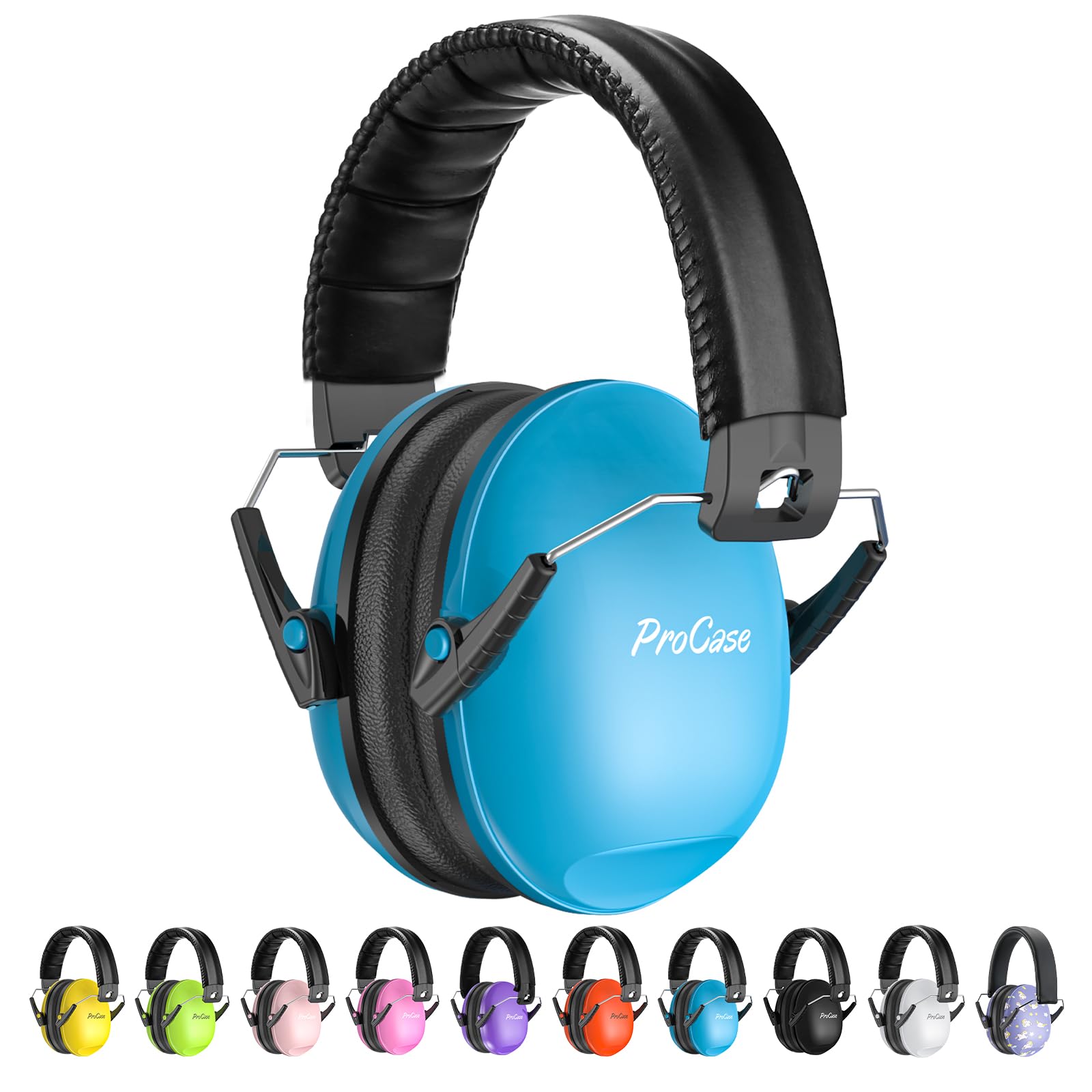
ProCase Kids Ear Muffs

93 /100
Sound Score Outstanding

Key details

Age Range
Ages 1-7 (reported)
Durability
Portability
Foldable
Cushion & Clamp
Snug break-in fit
View on Amazon

Certified to ANSI S3.19 and CE EN352-1, this entry-level pair delivers 27dB SNR protection for toddlers and preschoolers at fireworks, Monster Jam, and school events. Telescopic arms fold flat, and the cup pressure suits smaller heads. The headband can feel snug before it stretches out — a fit variable that separates it from the top pick.

Pros

  • Certified 27dB SNR protection at an entry-level price for a first pair.
  • Toddlers with sound sensitivity tolerate loud venues longer with these on.

Cons

  • Fit can feel snug on larger-headed kids until the headband loosens up.
Our verdict

Pick this for a first pair for toddlers and preschoolers in loud venues, provided you accept the snug break-in period.

Check Latest Price
8

Newborn Soft-Band

Alpine Muffy Baby Ear Muffs

89 /100
Sound Score Excellent

Key details

Age Range
Newborn-4 years
Durability
Soft-band hardware
Portability
Cushion & Clamp
Velcro soft-band fit
View on Amazon

Soft-band newborn earmuffs with no hard headband — a Velcro strap keeps hard plastic off the skull while delivering certified protection. Babies sleep through loud events, though the band can slide off active babies or cover eyes on certain head shapes, making it less secure than over-the-head designs for mobile kids.

Pros

  • Babies sleep through fireworks, engines, and other loud events with solid noise cancellation.
  • Soft-band adjustability lets the fit adapt to different baby head shapes.

Cons

  • The soft band can slide off active babies or cover their eyes on certain head shapes.
Our verdict

Choosing the Muffy Baby makes sense for newborns and calm babies who sleep through events; active toddlers are better served by an over-the-head fit.

Check Latest Price
9

Smaller Heads

Vanderfields 33dB Ear Muffs

93 /100
Sound Score Outstanding

Key details

Age Range
Smaller kids, 3-6
Durability
Cosmetic QC issues
Portability
Cushion & Clamp
Compact fit
View on Amazon

The Vanderfields 33dB Ear Muffs offer maximum passive attenuation in a compact child size: strong muffling for fireworks, concerts, and sensory-sensitive outings. The headband is genuinely small, so even some 3-5 year olds can find it tight; children with broader heads or older kids will need more room. For smaller-headed young children, this is an exceptionally quiet budget pick.

Pros

  • Delivers strong sound blocking for young children at fireworks, concerts, and sensory-sensitive outings.
  • Fits comfortably on small heads without the clamp pressure of larger earmuffs.

Cons

  • The headband runs very small; even some 3-5 year olds can find it too tight.
Our verdict

For smaller-headed toddlers and young children who need maximum passive reduction without spending much, this budget pair fits the job — provided the head size is a match.

Check Latest Price
10

Siblings, Two Sets

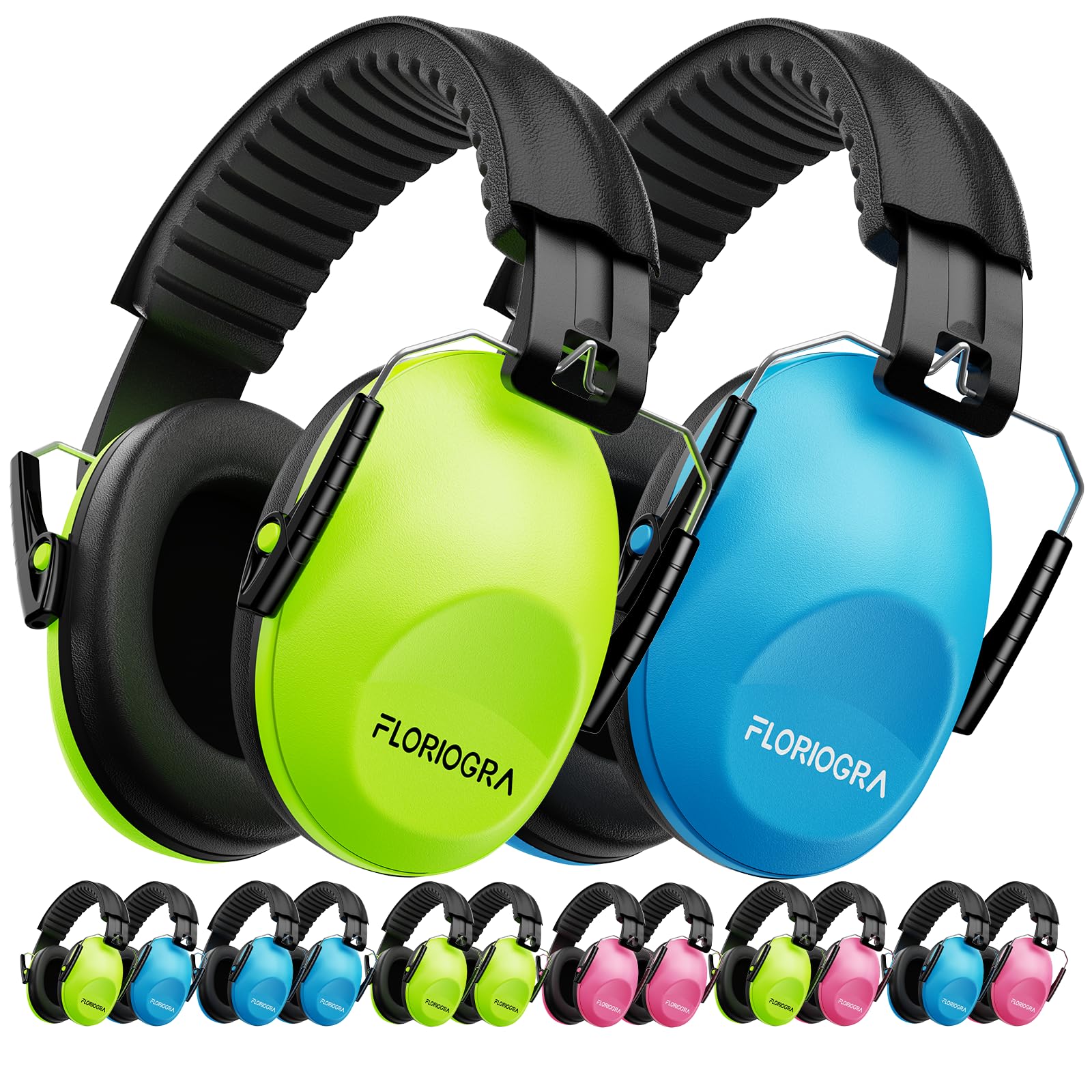
Floriogra 2-Pack Ear Muffs

91 /100
Sound Score Outstanding

Key details

Age Range
Younger kids up to 10
Durability
Drop breakage possible
Portability
2-pack
Cushion & Clamp
Easy-adjust headband
View on Amazon

Covers siblings or school-and-home use with certified protection that works at sporting events, theaters, and monster truck shows. The padded headband adjusts easily, and the 26dB reduction helps younger kids stay calm through loud outings. Fit runs small near age 10, so older kids need a larger single pair; plastic cups can crack if dropped.

Pros

  • Two certified pairs give siblings simultaneous protection at loud events or one spare for school and home.
  • Padded headband adjusts easily and helps younger kids stay comfortable through noise-heavy outings.

Cons

  • Plastic cups can crack if the ear muffs are dropped on hard surfaces.
Our verdict

For two younger kids who need hearing protection at the same event, this two-pack is a practical budget buy.

Check Latest Price
11

Colorful School-Age

PROHEAR 032 Kids Ear Muffs

91 /100
Sound Score Outstanding

Key details

Age Range
3-12 years
Durability
Ear-pad separation risk
Portability
Foldable, 6.88 oz
Cushion & Clamp
Snug fit reported
View on Amazon

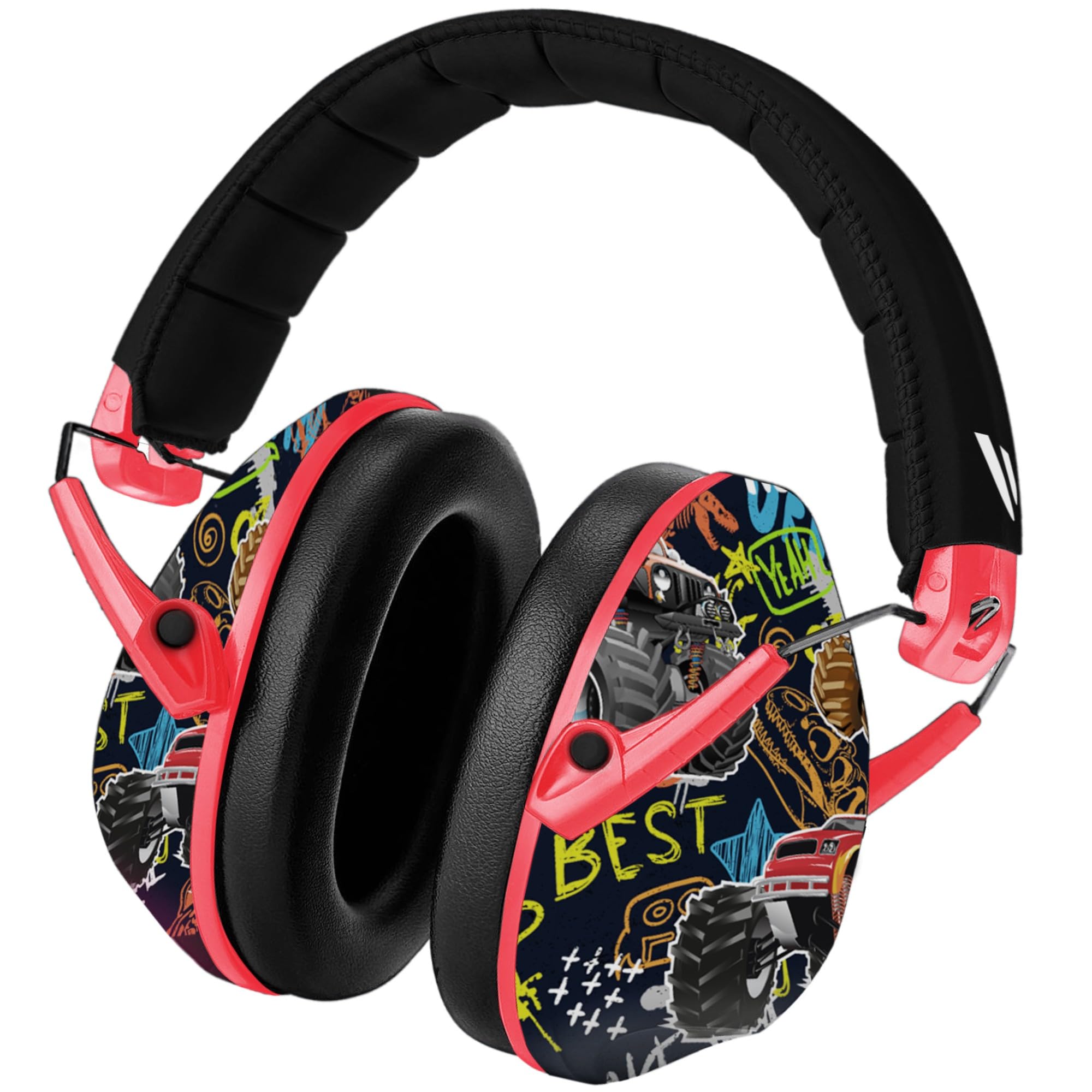
Certified 25dB NRR and playful prints make these a budget-friendly pick for elementary-age kids who want color at loud events. Fit runs snug for the youngest wearers, and the ear cushions can detach after repeated use — those boundaries keep this out of the top tier.

Pros

  • Certified 25dB NRR takes the edge off fireworks, Monster Jam, and school events.
  • Bright colors and playful prints make kids more willing to wear them.

Cons

  • For heavy daily use, the budget build may not last as long as a pricier pair.
Our verdict

A budget-friendly match for elementary-age kids who want colorful certified protection at occasional loud events.

Check Latest Price
12

Animal-Themed Sensory

cumunebula PinkFox Ear Muffs

92 /100
Sound Score Outstanding

Key details

Age Range
Young children
Durability
Portability
Foldable, 200 g
Cushion & Clamp
View on Amazon

The fox design is a hit with younger children, and the certified 28dB SNR reduction handles fireworks, parades, and Monster Jam-style noise. The fit is aimed at smaller toddlers through young kids, so older children will need the wider adjustment range of the broad-fit market leaders.

Pros

  • Fox design that younger children happily keep on.
  • Certified 28dB SNR protection tames fireworks, parades, and Monster Jam-level noise.

Cons

  • Decorative fox ears can flop during handling.
Our verdict

For a younger child who loves animal themes, this is a cost-effective first pair.

Check Latest Price

How to Choose

Noise Reduction Rating

Kids' earmuffs are passive hearing protectors. The NRR or SNR number describes how many decibels of sound the cushion blocks in lab testing, but real-world reduction is lower because hair, head shape, and seal gaps all leak sound.

That is why a 23dB pair that fits well can outperform a 27dB pair that sits crooked on a toddler. Look for certified models and treat the rating as a floor, not a promise of silence.

Age Range and Head-Size Fit

Age ranges are a starting point, not a guarantee. A three-year-old at the 90th percentile can outgrow a pair labeled '3 months to 3 years' months before the birthday.

The practical trade-off is between wide adjustability and targeted infant fit. A telescopic band that stretches from toddler to adult may feel too loose on a baby, while a fixed infant shape sits securely only for a short window.

Cushion Softness and Clamping Force

Softer cushions and lower clamping force are more comfortable over hours, but they also relax the pressure that creates an acoustic seal. If the cushions are plush enough to nap in, some noise will leak around the edges.

For fireworks and Monster Jam, a slightly firmer clamp tends to deliver better protection; for autism-related daily wear, comfort wins because the child will actually keep them on.

Durability and Joints

The most stressed point is the joint where the ear cup meets the headband. Kids drop, throw, and sit on earmuffs, so a thin plastic hinge or a glued cushion can separate after a few outings.

Look for continuous headband construction and replaceable cushions; avoid pairs with obvious adhesive seams around the ear pads if the child is rough on gear.

Portability and Pack Count

Folding earmuffs take up less space in a diaper bag, but every folding joint is another potential break point. A non-folding pair with a solid arc may last longer, while a folding pair is easier to keep on hand.

Two-packs solve the lost-and-forgotten problem and give siblings matching protection, but only make sense if the fit matches both children. A one-size-stretches setup rarely fits a baby and a ten-year-old equally well.

Frequently Asked Questions