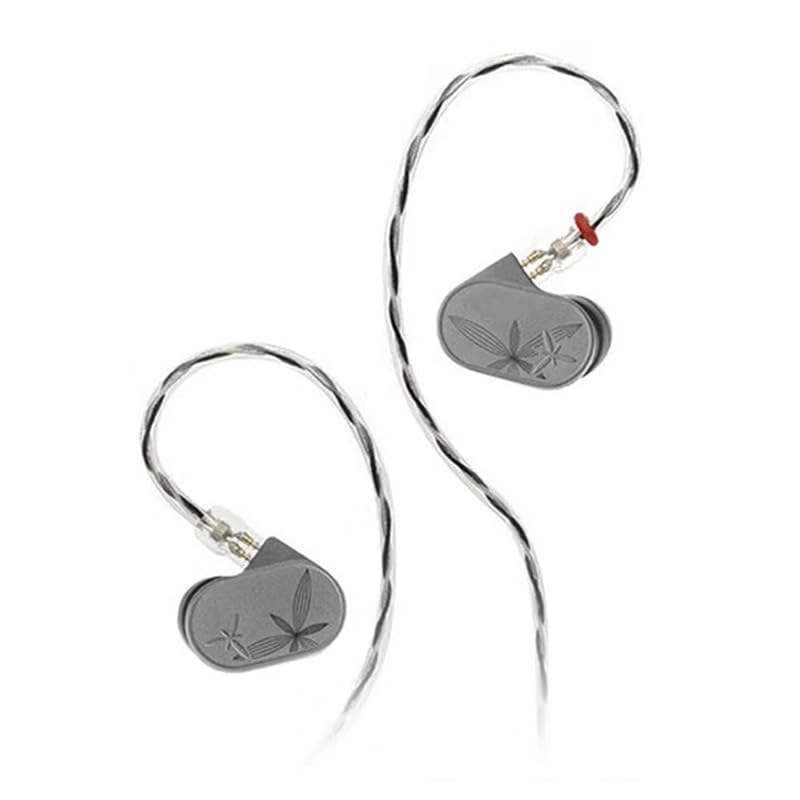
6 Best Moondrop IEMs 2026: Proven Budget Gems, Flagship Auditions

Which Moondrop IEMs deliver proven everyday sound — and which premium hybrids are audition-only calls for detail chasers.

Moondrop's wired IEM range spans entry-level single dynamics to ambitious tribrids, but the confidence buyers can have in each purchase follows a different pattern. The budget models carry the longest real-world track records, while several premium hybrids remain powerful spec sheets rather than proven daily drivers.

That gap does not make higher-end models a bad choice; it makes them an audition-first choice. The key is matching your tolerance for risk and tuning preference to the right hardware: a proven budget earphone for everyday listening, or a technically ambitious hybrid that you try before you commit.

Channel balance, filter upkeep, and paint durability show up as real ownership concerns, especially on certain metal-shell designs. The picks in this guide sort those trade-offs by use case, so the right Moondrop IEM feels like a long-term tool rather than a short-term experiment.

About the Sound Score: This comparative score is calculated from a product's published customer rating and review volume. It is not a laboratory measurement or a hands-on test result.

1

Best Overall

Moondrop CHU II

85 /100
Sound Score Excellent

Key details

Shell Material
Metal shell
Detachable Cable
3.5mm detachable
Tuning Signature
—
Driver Configuration
Single dynamic, Al-Mg alloy dome
View on Amazon

The 10mm dynamic driver with an Al-Mg alloy dome gives the CHU II a crisp, detailed presentation that favors clarity without turning thin. Treble stays articulate, and the midrange keeps vocals and acoustic instruments easy to separate. Bass carries enough weight for rock, pop, and electronic material, though the tuning is clarity-first rather than bass-heavy. That balance makes the CHU II a natural step up from bundled earbuds to a dedicated wired monitor.

The detachable 3.5mm cable and replaceable acoustic nozzles bring serviceability into a price band where fixed cables are the norm. A damaged cable or dirty nozzle does not mean replacing the entire earphone, and both parts are easy to source for a wired IEM owner. The metal shells add substance and feel less disposable than the budget price would imply, giving the package a more serious fit-and-finish than expected.

Fit is another area where this model overdelivers. The shell shape sits securely without creating pressure, and the interchangeable tips help find a seal that supports the low end. Long sessions at a desk or during light movement stay comfortable, and the earphone remains stable once seated. The secure fit also reduces the need to recable or reposition during a commute or a focused listening block.

Long-term channel balance can vary, and filter maintenance may be needed if one side goes quiet. The replaceable nozzle design offsets part of that burden, but the CHU II asks for slightly more attention than a fully sealed earphone. Humid or sweaty use makes occasional nozzle inspection worth doing, and users who prefer never opening a nozzle should consider a different ownership style.

The CHU II fits budget-conscious first-time IEM buyers who want a wired monitor with clear, detailed sound and do not need the stronger shell credentials of the steel sibling in this lineup. That sibling may feel more robust, but this model has the clearest consensus around sound, fit, and value at the entry-level price. Listeners moving from Bluetooth or bundled earphones will notice the difference in separation before running into any maintenance routine.

On the technical side, 18Ω impedance and 119dB sensitivity make the CHU II easy to drive from a phone, laptop, or dongle without a dedicated amplifier. That keeps the entry path simple: source, cable, and a tip choice are enough to get the intended tuning. Low source requirements also mean the earphone does not demand a more complex desktop chain to sound as intended.

💡 Use a low-gain source or clean the replaceable nozzle filters if quiet-listening static becomes audible.

Pros

  • Clear, detailed treble that keeps vocals and instruments legible
  • Strong value for money at the entry tier
  • Detachable cable and replaceable acoustic nozzles add serviceability
  • Secure, comfortable fit with interchangeable tips
  • Metal shell feels substantial and premium for a budget earphone

Cons

  • Static or low-level buzzing may be audible with certain sources in quiet listening
  • Long-term channel balance may vary after months of use
Our verdict

For budget-conscious first-time IEM buyers, the Moondrop CHU II is the clearest entry point into wired audiophile listening in this set: crisp detail, a stable fit, and serviceable parts at an ownership cost that stays approachable.

Check Latest Price
2

Best Budget Build Quality

Moondrop LAN

85 /100
Sound Score Excellent

Key details

Shell Material
MIM stainless steel
Detachable Cable
0.78mm 2-pin
Tuning Signature
Bright
Driver Configuration
Single dynamic, beryllium dome
View on Amazon

The Moondrop LAN separates itself from the top pick in this set through its MIM stainless steel shell, beryllium-plated 10mm dynamic driver, and 0.78mm detachable cable. The shell has a dense, cool feel that gives the earphone a premium presence at a budget level, while the detachable cable turns a worn cable into a simple replacement part rather than a reason to retire the IEM.

The beryllium-plated dome driver keeps transients crisp and the upper register articulate, which makes acoustic instruments and vocal-forward material easy to follow. String attacks and consonant detail stay intelligible, and the tuning avoids artificial low-end bloat, so the focus remains on clarity.

The compact shell stays in place during long listening sessions, and the small profile works for shallow ears. The steel housing adds heft over plastic builds, but the shape keeps it from drifting, which makes it a practical daily carry for desk use and short commutes.

Budget buyers who prioritize build materials, fans of bright, detailed treble, and users who want a modular cable system at low cost are the closest match. The main tradeoff is tonal: the LAN leans bright and bass-light for some listeners, and channel balance can vary between units, so a quick left/right check on arrival is a sensible step.

💡 Give the left and right outputs a quick check on arrival, and keep the 2-pin sockets straight when swapping cables.

Pros

  • Stainless steel shell gives a dense, premium feel at a budget price.
  • Compact shape stays in place for long listening sessions.
  • Detachable 0.78mm 2-pin cable allows cable swaps without replacing the IEM.
  • Strong budget value as an everyday build-first IEM.

Cons

  • Acoustic filter retention can weaken over time, leaving filters loose or detached.
  • The 0.78mm 2-pin socket can be damaged by rough handling or angled pulls.
Our verdict

For build-first budget buyers, the LAN is the steel-shell alternative to the top pick in the Moondrop set. The detachable cable and compact fit support everyday use, while the treble-forward character stays true to its intent.

Check Latest Price
4

Best for Tuning Tinkerers

Moondrop Starfield 2

77 /100
Sound Score Very Good

Key details

Shell Material
Cast alloy CNC-milled
Detachable Cable
—
Tuning Signature
Bright, replaceable filters
Driver Configuration
10mm single dynamic
View on Amazon

Where the budget single-dynamic option in this lineup keeps things simple, the Starfield 2 adds a cast alloy CNC-milled shell with an iridescent finish and threaded brass acoustic nozzles. Those nozzles turn the single-dynamic design into a serviceable platform: changing a filter is a physical tuning tweak rather than a cable or source change.

The metal shell has a heavy, premium feel that gives the design more presence than typical plastic or painted shells. A 10mm dynamic driver stays focused for a mid-range single-dynamic upgrade, and the mid-range price puts the emphasis on finish and modular filters.

This is for Moondrop buyers drawn to starry-night aesthetics and the feel of a solid alloy shell, especially listeners who like the idea of swapping brass nozzles instead of replacing the whole IEM. Some units may develop channel imbalance, and bright tuning can fatigue treble-sensitive listeners; treat those as boundaries rather than universal behavior.

Treble-tolerant buyers who want a visually distinctive single-dynamic and do not expect a maintenance-free ownership model will find the value equation reasonable. The budget consensus pick remains the default for maximum simplicity, but this model separates itself through finish and filter flexibility.

💡 Keep spare acoustic filters and reseat the thread slowly after any nozzle swap to confirm even output.

Pros

  • The CNC-milled alloy shell and iridescent finish deliver a premium, starry-night look with real weight.
  • Replaceable brass acoustic nozzles allow treble and voicing changes without replacing the IEM.
  • Mid-range pricing sits at a fair value for the finish and modular filter system.
  • Single dynamic driver keeps the listening focus coherent for a mid-range upgrade.

Cons

  • Spending more here does not bring a durability advantage over the budget option.
  • Brass acoustic filter tolerances may vary, so a nozzle swap can alter left-right balance.
Our verdict

A style-first option for listeners who value the starry-night shell and tuning flexibility enough to accept occasional nozzle comparisons.

Check Latest Price
5

Best Flagship Tribrid Detail

Moondrop Variations

78 /100
Sound Score Very Good

Key details

Shell Material
—
Detachable Cable
0.78mm 2-pin
Tuning Signature
—
Driver Configuration
1DD+2BA+2EST tribrid
View on Amazon

The Variations sets itself apart in Moondrop's wired IEM line with a 1DD+2BA+2EST tribrid layout: a 10mm liquid crystal diaphragm dynamic driver, two balanced armatures, and two electrostatic drivers. A 3D-printed physical filter and frequency divider handle the acoustic handoff, a more segmented architecture than the upper-midrange hybrid in this set.

Detail retrieval and sub-bass presence are the main draw. The tribrid array resolves fine spatial cues and low-end texture with speed when the nozzle angle and tip depth produce a stable seal. The electrostatic drivers add an open, airy treble that single-dynamic Moondrop models do not emphasize as heavily. The result is an analytical, spacious listen that favors complex, well-recorded material.

This is a specialized option for high-end Moondrop listeners who want maximum resolution, EST treble air, and deep sub-bass and are willing to audition before committing. Tuning is polarizing: some listeners hear a thin or bass-light presentation despite strong detail, so buyers who prefer a safe, neutral tuning or a fuller midrange should treat the Variations as a boundary rather than a universal upgrade. Detail chasers who match its voicing may see flagship performance for the price.

💡 Audition this set before committing, and compare ear tip depths to confirm the treble and sub-bass balance match your preference.

Pros

  • High-resolution detail and sub-bass presence reward ears that match its voicing.
  • Flagship-level clarity and imaging can justify the price for detail chasers.
  • EST drivers add open, airy treble that less segmented Moondrop sets do not emphasize.
  • Focused driver handoff preserves resolution across bass, mids, and treble.

Cons

  • Tuning is polarizing, with some listeners perceiving a thin or bass-light sound despite high detail.
Our verdict

For the right ears, it delivers near-flagship clarity and sub-bass speed that few Moondrop wired sets approach.

Check Latest Price
6

Reference Balanced Output

Moondrop LAN II REF

78 /100
Sound Score Very Good

Key details

Shell Material
MIM stainless steel
Detachable Cable
0.78mm 2-pin, 4.4/3.5mm
Tuning Signature
Reference
Driver Configuration
Single dynamic, glass dome
View on Amazon

The 10mm glass-dome composite driver and MIM stainless steel shell give this wired IEM a substantial build for a budget single-dynamic set, and the included 4.4mm balanced cable with a 3.5mm adapter covers balanced and single-ended listening. The reference voicing sits apart from the brighter steel-shell sibling, keeping midrange and treble structure forward for classical and instrumental material. Real-world tuning and channel consistency remain unverified on this model, so the strong spec sheet should be treated as a focused starting point rather than a fully predictable everyday pick.

Pros

  • 4.4mm balanced output comes standard without stepping up a price tier.
  • MIM stainless steel shell gives the IEM a sturdier, more substantial feel.
  • REF tuning keeps instrumental separation and midrange clarity forward for classical listening.

Cons

  • Single-ended listening depends on a small 3.5mm adapter that can be misplaced between uses.
  • REF tuning keeps bass reserved, so low-end impact can feel limited on pop or electronic tracks.
Our verdict

For classical and instrumental listening from a balanced source, this is a focused budget reference IEM with a sturdy shell and cable flexibility.

Check Latest Price
7

Hybrid Technical Listeners

Moondrop Blessing 3

79 /100
Sound Score Very Good

Key details

Shell Material
Stainless steel faceplate
Detachable Cable
0.78mm 2-pin
Tuning Signature
—
Driver Configuration
2DD+4BA hybrid
View on Amazon

The 2DD+4BA hybrid triple-range design gives technical listeners a six-driver architecture anchored by a stainless steel faceplate and a 3D-printed high-precision filtering nozzle. That hardware set sits below flagship tribrid pricing while still targeting an upper-midrange, detail-first presentation. Real-world tuning and QC sit outside the spec sheet, so this is an audition-led choice rather than a blind buy. Value-driven shoppers may find the budget single-dynamic picks easier to justify, but the Blessing 3 still appeals to buyers seeking a premium hybrid with detachable 0.78-2pin cables.

Pros

  • Hybrid triple-range architecture delivers a layered, detailed presentation for analytical listening.
  • Stainless steel faceplate gives the shell a durable, premium feel during long listening sessions.
  • Detachable 0.78-2pin cable makes cable replacement or balanced wiring upgrades simple.

Cons

  • At this price, value-driven shoppers may find the budget single-dynamic Moondrop picks easier to rationalize.
  • The upper-midrange tuning may not suit listeners who prefer a warmer, more relaxed low-end response.
Our verdict

Technical listeners with access to an audition can treat the Blessing 3 as a premium hybrid step below the flagship tribrid. Value-driven buyers may be better served by the budget single-dynamic Moondrop set.

Check Latest Price

How to Choose

Driver Configuration

Single dynamic drivers move one diaphragm across the full frequency range, which keeps phase and timbre coherent. Hybrid, BA, and EST arrays split frequencies among specialized drivers, adding detail and extension but also crossover complexity.

A hybrid that measures well on paper can still sound disjointed if the crossover transitions aren't tuned to your ear. For most buyers, a well-executed single dynamic is the safer daily listen; multi-driver designs reward listeners who know the tuning they want.

Detachable Cable and Connector Type

0.78mm 2-pin connectors are standard across most Moondrop models, so cable swaps are possible when the stock cable feels stiff or microphonic. The hidden trade-off is termination: a 4.4mm balanced plug only helps if your source has a balanced output.

Otherwise, the included 3.5mm adapter or plug is what you actually use. Sockets can loosen over repeated swaps, so minimize cable changes once you find a combination that fits.

Shell Material and Finish Durability

MIM stainless steel and machined zinc alloy shells hold up better than painted finishes, but painted metal can chip at edges with normal handling. The physical risk isn't structural; it's cosmetic wear that shows early on high-contact areas. If you pocket your IEMs without a case, choose an unpainted or anodized shell, or accept visible patina.

Tuning Signature and Replaceable Filters

Moondrop models vary from bright and detail-forward to reference and bass-lean. Replaceable acoustic nozzles let you alter or restore tuning, but their small screens trap moisture and wax. A clogged filter often mimics a dead driver by making one side sound faint, so filter maintenance is part of ownership for models that include them.

Source Compatibility

Most Moondrop IEMs are low-impedance and high-sensitivity, so they get loud from a phone dongle or USB-C adapter. That same sensitivity exposes noise from a noisy source, producing hiss before the music starts. If you hear a low-level hum, the fix is a cleaner source or dongle, not more power.

Frequently Asked Questions