5 Best MP3 Player of 2026: Picks That Match How You Listen

Find the best MP3 player for your music, Bluetooth use, and budget — matched to how you actually listen.

Most budget MP3 players lead with Bluetooth 5.3, big storage numbers, and 'Hi-Fi' audio. The lived reality is more uneven: wireless pairing is often the first casualty, and advertised capacity can depend on a microSD card you buy separately. Figuring out which of those features you actually need matters more than the sticker claims.

A clip-on model for a run is not the same tool as a pocket player for wired IEMs. Physical buttons suit sweaty hands; a touchscreen suits playlist browsing; a built-in speaker drains battery faster than a 3.5mm output. This guide keeps those trade-offs in view so the recommendation matches the way you listen, not the way the box describes it. Storage type and control layout matter more after a month than the chipset number on the box.

About the Sound Score: This comparative score is calculated from a product's published customer rating and review volume. It is not a laboratory measurement or a hands-on test result.

1

Best Overall MP3 Player

AGPTEK M3 64GB

83 /100
Sound Score Excellent

Key details

Battery Life
User Interface
2.4in TFT, buttons
Built-in Storage
64GB internal plus card slot
Bluetooth Stability
Bluetooth 5.3
View on Amazon

The AGPTEK M3 covers the broadest set of offline listening needs in this budget group. It ships with 64GB of built-in storage and accepts another 128GB microSD, for a maximum of 192GB of music on a player that does not need a phone or streaming subscription. Bluetooth 5.3 with auto-reconnect handles wireless headphones, while FM radio, a speaker, line-in, voice recorder, and pedometer sit around the core playback features. Files transfer by drag-and-drop, which keeps setup time near zero.

The 64GB built-in storage removes the first frustration of budget MP3 players: card-only devices that cannot play music until an empty microSD arrives. Here the memory is ready before the first charge, and the expansion slot is a bonus rather than a requirement. The 2.4-inch TFT screen is basic but readable, and the menu layout does not demand a manual.

A full charge takes about 2.5 hours and stretches through a commute plus a gym session, which covers the daily pattern a typical buyer will ask of it. The chassis feels solid rather than hollow, and the weight is low enough for a shirt pocket or a child's backpack. The body holds up to regular handling, and the battery does not disappear after a few dozen charge cycles.

FM radio and the built-in speaker make the M3 more than a digital jukebox: it can sit on a kitchen counter for talk radio or fill a small room with music. The speaker is a convenience feature for casual listening, and the line-in port expands its role as a playback hub for other devices. The pedometer and voice recorder are small additions that do not get in the way. It is not a replacement for a dedicated speaker, but it is enough for a bedroom or office.

This is the player for parents buying a durable first MP3 player, commuters who want FM and offline music together, and gym-goers who prefer leaving their phone behind. The 64GB internal storage plus expansion card allows a large library without much curation pressure. Audiophiles chasing reference-grade wired sound should look elsewhere, and Bluetooth is included but the 3.5mm jack is the dependable output for consistent listening. For everyone else, the M3 is a practical, cost-effective offline companion.

Pros

  • 64GB built-in storage plus a microSD slot leaves room for huge offline libraries without streaming.
  • Solid construction and durable feel hold up to daily handling in a budget-priced body.
  • Battery life covers normal commutes and gym sessions without frequent charge interruptions.
  • Feature set at this price includes FM radio, speaker, line-in, and recorder without subscription costs.
  • Lightweight body stays comfortable in a pocket or bag while still feeling firm.

Cons

  • At high volumes, the headphone and speaker outputs can sound tinny or screechy, so moderate levels sound clearer.
  • Bluetooth pairing can require repeated attempts with some headsets, and signal dropouts may occur in busy wireless environments.
  • Occasional firmware freezes or lockups can interrupt playback, and a restart may be needed.
Our verdict

The M3 is the practical anchor for buyers who want offline music, FM radio, and speaker output from one modestly priced device.
Check Latest Price
3

Best Wired Sound for Budget Audiophiles

FiiO Echo Mini

79 /100
Sound Score Very Good

Key details

Battery Life
Approx. 15 hours
User Interface
1.99in IPS, physical controls
Built-in Storage
8GB internal plus card slot
Bluetooth Stability
Bluetooth 5.0
View on Amazon

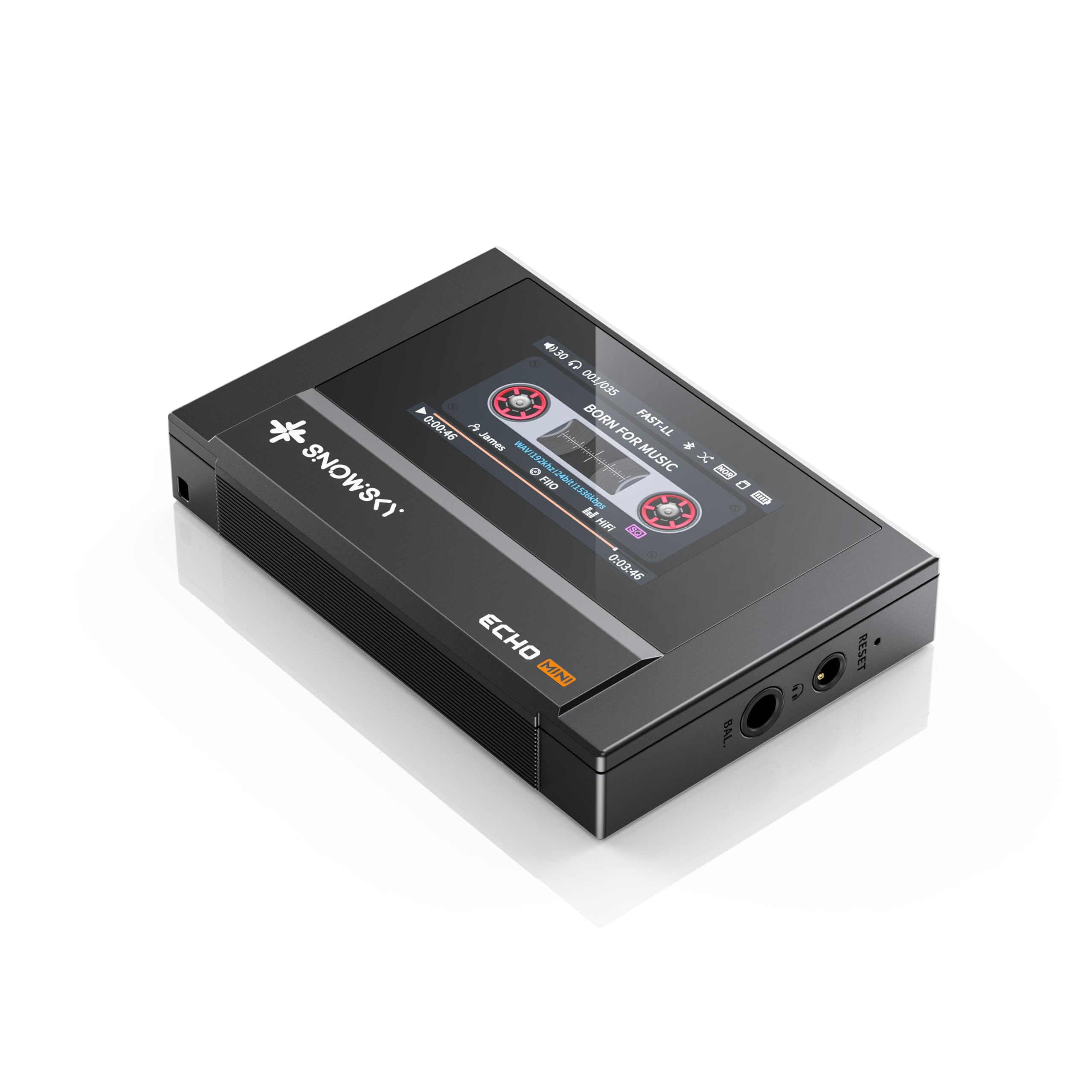
The FiiO Echo Mini combines a 4.4mm balanced headphone output with broad Hi-Res format support inside a retro cassette-inspired shell that slips into a pocket. It skips the touchscreen streaming route, so it stays focused on wired playback rather than competing with the Android-based players in this category.

Wired sound is the payoff. Both the 3.5mm single-ended and 4.4mm balanced outputs deliver clear, Hi-Res-grade audio with a body that budget USB dongles often miss. The 8GB internal storage pairs with a microSD slot that accepts up to 256GB cards, and battery life around 15 hours covers a full day of listening without charging.

The 4.4mm balanced output is a rare sight in this price tier, and it gives wired IEMs more headroom than a standard 3.5mm jack. That audio focus explains why the Echo Mini passes on extras like a speaker, FM tuner, or streaming apps that appear on the all-rounder in this category.

This is a starter digital audio player for budget audiophiles who already own wired IEMs or headphones and want balanced output in a small package. The retro UI can be slow and the firmware may freeze during a media library refresh; those rough edges are part of the trade-off for the compact size and audio-first focus. If you're moving from phone streaming, expect a learning curve, but the wired sound reward is real.

Pros

  • 4.4mm balanced output and broad Hi-Res format support in a small player.
  • Pocket-size body with comfortable heft that carries well.
  • Retro cassette-inspired design that stands out from generic black slabs.
  • Budget-friendly entry into dedicated digital audio.

Cons

  • Bluetooth pairing can be inconsistent, so wireless listening may require repeated attempts.
  • Buttons may require a second press when skipping tracks.
  • Gapless playback is missing, so playlist-heavy listening has pauses between tracks.
Our verdict

For wired listeners on a budget, the Echo Mini is the audio-focused alternative with balanced output, real Hi-Res appeal, and no phone needed.

Check Latest Price
4

Best for Streaming & Touchscreen

ZAQE 80GB Android

80 /100
Sound Score Excellent

Key details

Battery Life
Up to 35 hours
User Interface
4.02in touchscreen
Built-in Storage
16GB ROM plus 64GB card
Bluetooth Stability
Bluetooth 5.0
View on Amazon

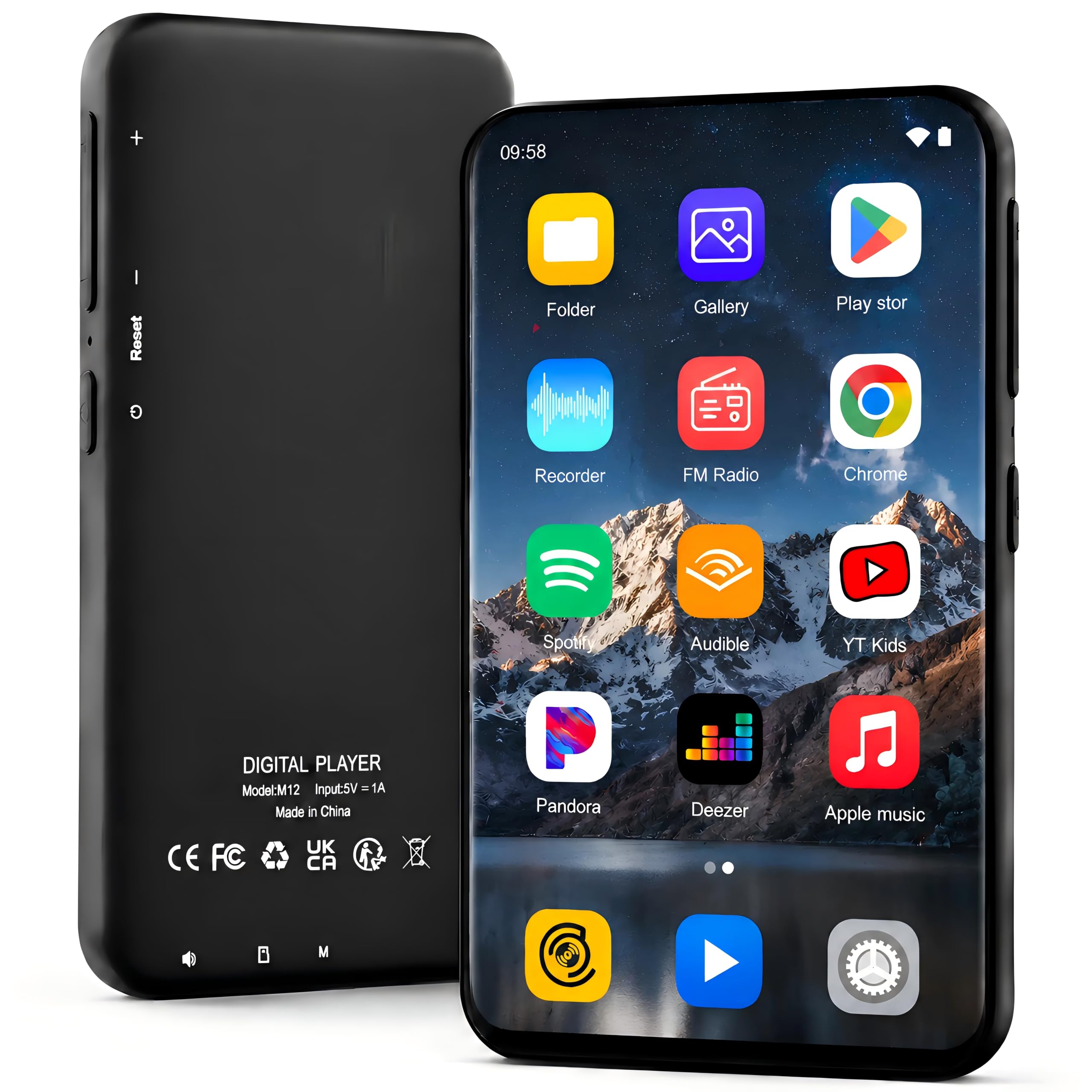
The ZAQE is the only streaming-first player in this set: an Android-based portable with WiFi, a 4.02-inch touchscreen, and 80GB of combined storage so Spotify, Amazon Music, and Audible playlists can be downloaded for offline use. That puts it in a different lane from the wired-audiophile-focused alternative here, which prioritizes local file playback and balanced output over app access.

The Android layer is heavier in operation than a dedicated music player, and app behavior depends on the OS build. That complexity is acceptable when the goal is offline streaming on a device separate from a phone, though it is not as immediate as the direct file-transfer experience offered by the simpler players in this category.

This suits media fans who want a larger touchscreen, video playback, and app-based audio away from their phone. The included 64GB microSD card brings storage to a working level out of the box, dual-band WiFi handles playlist downloads, and Bluetooth 5.0 covers wireless earbuds and speakers. The larger display also makes on-screen playback controls easier to hit than tiny button layouts. Buyers who dislike Android navigation or want immediate drag-and-drop use should look at the top pick in this roundup instead.

💡 Complete account sign-ins and app downloads before the first offline session; that prep happens once.

Pros

  • Offline Spotify, Amazon Music, and Audible on a device separate from your phone.
  • Large 4.02-inch touchscreen supports video playback beyond audio-only players.
  • 80GB total storage is usable immediately, with expansion up to 1TB.
  • Bluetooth 5.0 and dual-band WiFi cover wireless earbuds and faster downloads.

Cons

  • Around a jacket pocket or carrying case, the 4.02-inch touchscreen and Android hardware add noticeable weight versus simpler players.
  • Streaming over WiFi with the screen active reduces run time below the 35-hour local-playback estimate.
Our verdict

Pick this for offline Spotify, Amazon Music, or Audible on a dedicated touchscreen player; choose a simpler drag-and-drop model if you want instant file transfer instead.

Check Latest Price
5

Best Ultra-Portable Clip Player

YOTON YM03 Clip

81 /100
Sound Score Excellent

Key details

Battery Life
Approx. 8 hours
User Interface
1.4in LED, clip button
Built-in Storage
No internal storage, card required
Bluetooth Stability
Bluetooth 5.2
View on Amazon

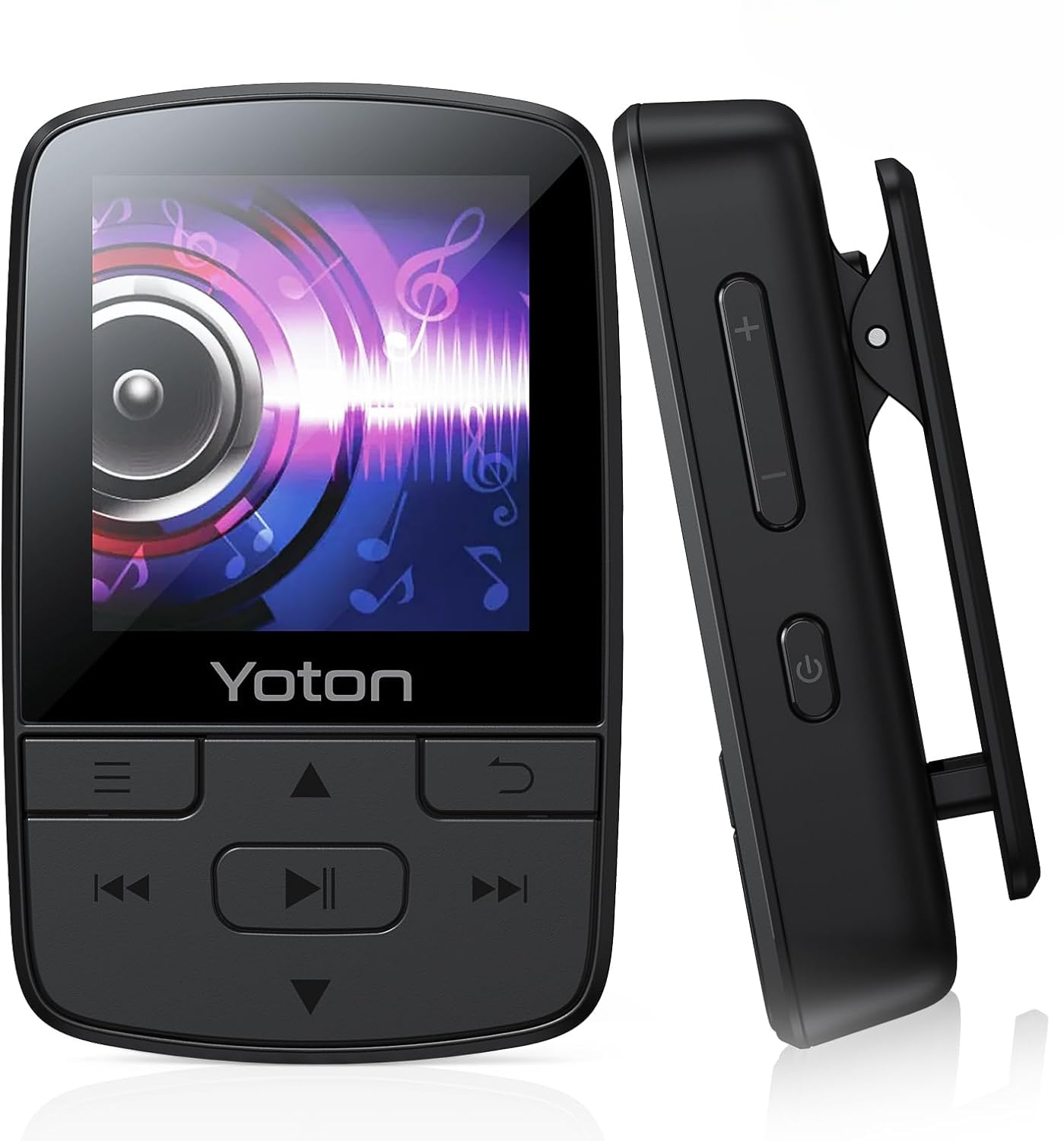
At 28g with a built-in clip, the YM03 disappears onto a collar or waistband while keeping Bluetooth 5.2, FM radio, and physical playback controls in reach. The 1.4in LED screen shows track info without turning this into a pocket tablet, so the focus stays on movement.

Bluetooth 5.2 pairs with wireless headphones or speakers for cable-free listening, and the included wired earphones give a simple fallback. FM radio and voice recorder add offline options without a touchscreen. Battery life reaches about 8 hours of playback, which covers a long run or full day on the trail before recharging.

Physical controls let runners skip or adjust tracks without breaking stride, and the clip keeps the player in place through movement. The 3.5mm output works with any wired set, while Bluetooth audio handles the wireless side. This is a player built for quick access over menu browsing, which suits active listening.

The YM03 is for runners and hikers who already own a microSD card and want the lightest clip-on player in this set. It has no built-in storage, so a card must be bought and inserted before it can play anything; that ends any ready-to-play expectation. Buyers who want large built-in storage or a larger screen should look at the bulkier all-rounder in this comparison.

Pros

  • Weighs 28g with a built-in clip, so it stays on a collar or waistband during movement.
  • Bluetooth 5.2 pairs with wireless headphones or speakers for cable-free listening.
  • Physical controls let runners adjust tracks without looking at the screen.
  • FM radio and voice recorder add offline functions beyond music playback.

Cons

  • Card capacity tops out at 64GB, which limits total library size for large collections.
  • A microSD card is not included, so first playback waits until a compatible card is purchased.
Our verdict

For movement-focused listeners, the YM03 is the lightest way to get offline music with wireless audio.

Check Latest Price
6

Kids and Seniors

Xidehuy 16GB MP3

92 /100
Sound Score Outstanding

Key details

Battery Life
Approx. 6 hours
User Interface
1.8in LCD, buttons
Built-in Storage
16GB internal card included
Bluetooth Stability
View on Amazon

The Xidehuy 16GB MP3 player covers the offline basics — drag-and-drop playback, FM radio, voice recorder, and an e-book reader — in a low-cost, no-fuss shell. It best serves a kid, senior, or budget-limited first-time buyer who wants a pocket player without app accounts, subscriptions, or wireless pairing. The clear boundary: no Bluetooth output, so wired earphones are the only option, and 16GB of storage holds a moderate playlist rather than a deep collection. That keeps it below the runner-ups for anyone who needs wireless listening or a large media library, while remaining a cheap offline starter for home or a coat pocket.

Pros

  • Budget-friendly price puts a dedicated offline player within reach for kids and seniors.
  • FM radio and voice recorder are built in, so school, kitchen, or bedtime listening needs no extra device or app.
  • Drag-and-drop file loading over USB requires no app store, subscription, or sync software.

Cons

  • The 1.8-inch LCD makes e-book, photo, and AMV video modes feel like extras rather than core features.
  • Around six hours of playback per charge can mean recharging after a full school or work day for steady listeners.
Our verdict

A simple offline starter for a child, senior, or first-time user who will keep the collection small and the earphones wired.

Check Latest Price

How to Choose

Built-in Storage vs Card Slots

Built-in memory and a card slot are not the same. A card slot expands storage, but the player scans the card at boot, and slow cards make menus lag. Built-in storage is ready immediately and avoids the extra cost of a card.

Look for at least 64GB internal plus a microSD slot for large libraries. 'Card required' models are cheaper only until you buy a card, and the card often becomes the bottleneck.

Bluetooth Connection Stability

Bluetooth 5.3 sounds new, but the version number does not guarantee a stable link. Antenna design and shared processing with FM and UI affect dropouts more. Connection weakens when your body sits between player and headphones.

Treat Bluetooth as a convenience, not the core promise. A clean 3.5mm output gives a wired fallback when wireless drops, and wired playback uses less battery. If you rely on wireless earbuds, test the unit quickly and exchange it if dropouts appear.

Battery Life in Real Use

Battery ratings usually come from wired headphones at low volume. Bluetooth, a speaker, and a bright screen draw from the same cell, so real playtime can be half the claim. A 2000mAh Android player with WiFi will drain faster than a simpler offline player with the same-size battery.

For daily commutes, 10-15 hours wired is enough. For multi-day trips, avoid models that need charging after every ride. Match battery headroom to your listening habits.

Buttons or Touchscreen

Physical buttons let you skip tracks without looking at the screen, but menus can feel deeper and buttons may need harder presses over time. Touchscreens make browsing easier but force you to look at the device and consume more battery.

Match the interface to your environment: runners need raised playback controls, commuters can accept a larger screen. A responsive control layout matters more than screen size if you operate the player one-handed.

Audio Format Support

Lossless formats such as FLAC and WAV only matter if the player's DAC and amplifier can reproduce them. A 4.4mm balanced output is a stronger indicator of wired sound quality than a 'Hi-Res' badge. DSD support also points to a DAC designed for serious wired listening.

If you listen mostly on Bluetooth earbuds, format support has little audible effect because Bluetooth compresses the signal. Budget audiophiles with wired IEMs should prioritize FLAC/DSD support and a clean headphone stage.

Frequently Asked Questions