8 Best Samson Microphone 2026: USB That Grows Into XLR

Which Samson microphone fits your room, budget, and upgrade path — from portable USB clips to XLR studio condensers.

A Samson microphone can sound right on paper and still surprise you in a live room. The biggest split in the lineup is not price; it is connection. A USB mic gives instant plug-and-play convenience, while an XLR mic needs an interface and, for condensers, phantom power. Many buyers choose wrong because they look at the mic alone instead of the room and the audio chain around it.

The practical question is what happens after the first recording. A desktop condenser captures detail, and that detail includes keyboard clatter and air conditioning. A dynamic capsule rejects more of that background clutter. Portability also matters: a clip-on mic travels well but has no place in a permanent podcast setup.

The smart Samson setup accounts for tomorrow. A USB/XLR hybrid covers both stages of a common path: USB now, XLR later, no replacement needed. For most home studios, that combination is the middle ground. If you truly need backpack-friendly size, expect to trade away noise rejection and an upgrade path.

About the Sound Score: This comparative score is calculated from a product's published customer rating and review volume. It is not a laboratory measurement or a hands-on test result.

1

Best Overall

Samson Q2U

91 /100
Sound Score Outstanding

Key details

Capsule
Dynamic handheld
Form Factor
Handheld, tripod stand
Connectivity
USB-C, XLR
Polar Pattern
Cardioid
View on Amazon

A dynamic handheld capsule with USB-C and XLR outputs makes the Q2U the Samson mic that can start on USB and move to an interface later. Speech clarity is strong for podcast and voice-over work, and the kit arrives with a tripod stand, mic clip, windscreen, and cables. The included windscreen also keeps plosives in check during close speech.

The cardioid pattern keeps the focus on the voice rather than the room, so it works in everyday living rooms and home offices without heavy acoustic treatment. The dynamic capsule responds best when you work close, which is why it flatters speech over ambient room tone. The USB-C output handles plug-and-play recording, while the XLR output slips into a mixer or interface when the setup grows. This is a speech-first dynamic, which matches the intended podcasting use.

The Q2U suits podcasters, streamers, and voice-over recording in untreated rooms. The dual USB/XLR path matters most to buyers who will move to an interface later, though the USB connection can be intermittent on a small number of units. Priced in the mid-range for a microphone kit, the value comes from not needing a second mic when you add an interface.

Pros

  • Clear speech capture for podcast and voice-over work.
  • USB/XLR hybrid covers an easy USB start and a later interface upgrade.
  • Strong value for a complete mic kit at a mid-range price.

Cons

  • Room tone is reduced but not eliminated; placement and gain shape how much ambience reaches the track.
  • The bundled desk stand and cable are the weakest physical parts of the kit.
Our verdict

The Q2U is the Samson mic for podcasters who want one purchase to cover USB now and XLR later.

Check Latest Price
2

Best for Travel & Video Calls

Samson Go Mic

91 /100
Sound Score Outstanding

Key details

Capsule
Mini condenser
Form Factor
Clip-on, desktop mini
Connectivity
USB plug-and-play
Polar Pattern
Switchable polar patterns
View on Amazon

The Go Mic's clip-on body and carry case make it the most portable Samson USB mic in the lineup. It connects instantly and delivers clear voice pickup for calls, online teaching, and field recordings. Switchable polar patterns add a little flexibility without adding bulk.

This is for travelers, remote workers, and online teachers who need a real laptop-audio upgrade without desk clutter. It is a convenience tool, not a studio podcasting mic: the condenser will pick up room and keyboard noise, and there's no hardware mute — muting happens in software.

Pros

  • Clip-on design with carry case fits in a laptop bag for travel.
  • Clear voice pickup for calls and recordings without extra setup.
  • Plug-and-play USB works immediately with laptops.

Cons

  • Clip can be awkward on some laptop lids.
Our verdict

For travel-first buyers, this is the Samson USB mic to grab; desktop podcasters should look at the hybrid XLR/USB option instead.

Check Latest Price
3

Best for Musicians & Streamers

Samson G-Track Pro

92 /100
Sound Score Outstanding

Key details

Capsule
Condenser
Form Factor
Large desk station
Connectivity
USB
Polar Pattern
Cardioid, bidirectional, omnidirectional
View on Amazon

Built-in 1/4-inch instrument input with switchable cardioid, bidirectional, and omnidirectional patterns makes the G-Track Pro a standalone recording hub for guitar and voice without a separate interface. Podcast and stream voices come through with a clean, present tone, and the 3.5mm headphone output provides zero-latency monitoring while recording. The 24-bit/96kHz path handles loud sources up to 120 dB SPL. This is a desk-bound choice for musicians and streamers who want vocal plus instrument in one USB device; the several-pound body needs a sturdy mount, and a light arm may struggle under the weight.

Pros

  • Clear, pro-style voice capture for podcast and streaming work.
  • Built-in audio interface and instrument input make it a one-device capture tool for guitar and voice.
  • Stable build and durable construction keep the mic secure during long sessions.

Cons

  • USB connection can be finicky; reseating or replacing the cable may clear cutouts.
Our verdict

The G-Track Pro fits when the session includes a guitar or synth line plus vocals over one USB connection.

Check Latest Price
4

Best Budget Desktop USB Condenser

Samson Meteor Mic

91 /100
Sound Score Outstanding

Key details

Capsule
25mm large diaphragm
Form Factor
Desktop, folding tripod
Connectivity
USB plug-and-play
Polar Pattern
Cardioid
View on Amazon

The Meteor Mic puts a 25mm large-diaphragm capsule inside a zinc die-cast body with a folding tripod base, so it reads as a desktop instrument rather than a travel accessory. Voice capture comes through warm and detailed for a budget USB microphone, and plug-and-play operation gets first-time podcasters recording without driver hassles. The 3.5mm headphone output with level control makes personal monitoring easy.

Budget podcasters and YouTubers who record at a desk will find it a natural fit. It is desktop-only and not a clip-on travel mic, and it will not feed an XLR studio chain. The USB connection can vary between units, so a quick cable and port check after unboxing is worthwhile.

💡 Use the folding base to tilt the capsule toward your mouth; the cardioid pattern rewards that alignment.

Pros

  • Warm, detailed voice capture that suits speech and casual music recording.
  • Solid zinc die-cast body and folding tripod base make it a sturdy desktop centerpiece.
  • Plug-and-play USB setup with headphone monitoring and level control.

Cons

  • The cardioid pattern favors close voice work, so it won't act as a whole-room mic.
Our verdict

For first-time USB buyers who want a studio-style look without a studio budget, the Meteor is the Samson to start with.

Check Latest Price
5

Best XLR Studio Condenser on a Budget

Samson C01

91 /100
Sound Score Outstanding

Key details

Capsule
Large-diaphragm condenser
Form Factor
Mic-stand mounted
Connectivity
XLR, 48V phantom
Polar Pattern
Cardioid
View on Amazon

The Samson C01 pairs a large 19mm diaphragm with a gold-plated XLR output, giving interface-based home studios a budget-friendly route to crisp vocal and acoustic recordings. The build feels solid for the price, and the cardioid pattern keeps the focus on the source. This is not a USB plug-and-play mic, so 48V phantom power and an interface are part of the setup.

Home studio vocalists and acoustic players who already have an XLR interface will get the most from it. Self-noise becomes audible with budget preamps at high gain, so clean preamps and careful gain staging are part of the equation; with that in place, the C01 delivers clear tracks at a friendly price.

💡 Keep the capsule close to the source and set interface gain conservatively to avoid pushing the noise floor.

Pros

  • Crisp, clear reproduction of vocals and acoustic instruments for the price.
  • Solid build and professional feel for a home-studio budget.
  • Strong value for a large-diaphragm XLR condenser.

Cons

  • Faint hiss can surface with budget preamps under high gain.
Our verdict

The C01 gives entry-level home studios a clear-sounding XLR condenser without pushing them toward premium-priced gear.

Check Latest Price
6

Best Conventional USB Studio Condenser

Samson C01U Pro

91 /100
Sound Score Outstanding

Key details

Capsule
19mm diaphragm
Form Factor
Desk stand mount
Connectivity
USB
Polar Pattern
Supercardioid
View on Amazon

The C01U Pro pairs a supercardioid capsule with zero-latency headphone monitoring in a simple USB format. Unlike the hybrid top pick, it is USB-only, so there is no XLR output or instrument input for a future setup. It also skips multi-pattern controls, which keeps the price in mid-range territory.

This fits podcasters and YouTubers who want a focused voice upgrade in a quiet home office or voice-over booth. The supercardioid pattern rejects room ambience but rewards consistent positioning, so stay centered while recording. If you plan to move to an interface later, the hybrid model is the better Samson.

Pros

  • Crisp, clear vocal capture for podcasting and simple recording.
  • Zero-latency headphone monitoring helps you hear your voice cleanly.
  • Cost-effective USB design for a focused desktop voice mic.

Cons

  • A unit can develop static or connection noise.
Our verdict

For a fixed desk setup and a voice-first recording routine, this USB condenser does the job without interface clutter.

Check Latest Price
7

Stereo Instruments, Choir

Samson C02

92 /100
Sound Score Outstanding

Key details

Capsule
Small-diaphragm pencil pair
Form Factor
Pencil pair, stand mount
Connectivity
XLR
Polar Pattern
Cardioid
View on Amazon

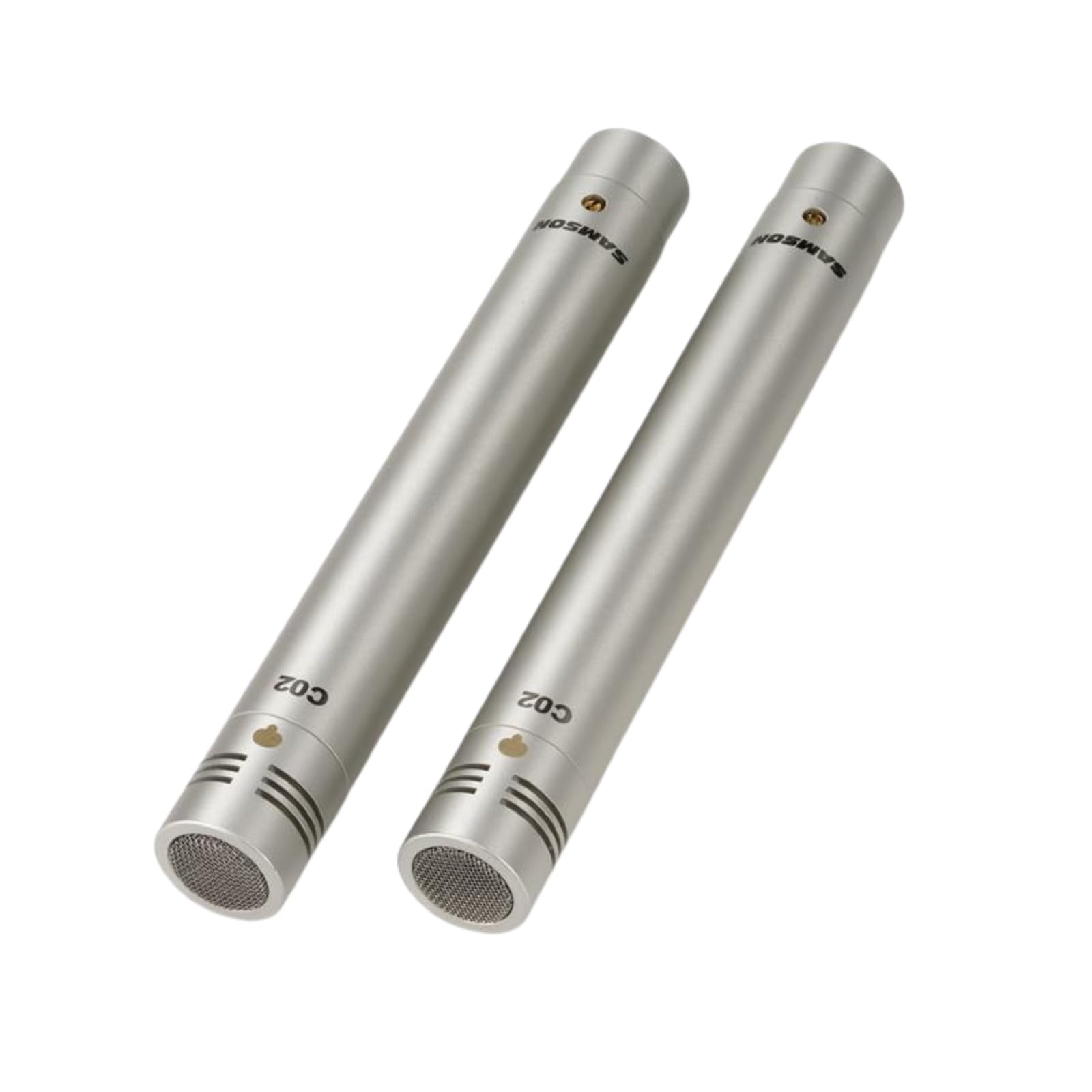
Matched small-diaphragm cardioid pair with shock mounts, windscreens, and case gives home studios a cost-effective route into stereo instrument, drum, and choir recording. It needs an interface with two XLR inputs; clean preamps and gain staging matter. More specialized than the mainstream USB Samson picks, but the payoff is stereo placement rather than single-mic voice capture.

Pros

  • Clean, detailed sound for instruments and dialogue.
  • Strong value for a matched pair.

Cons

  • Self-noise is higher than premium pencil mics.
Our verdict

The right Samson when the session calls for two placed microphones instead of one at the desk.

Check Latest Price
8

Live, Karaoke, Groups

Samson R21 3-Pack

88 /100
Sound Score Excellent

Key details

Capsule
Dynamic vocal
Form Factor
Handheld, live use
Connectivity
XLR
Polar Pattern
Cardioid
View on Amazon

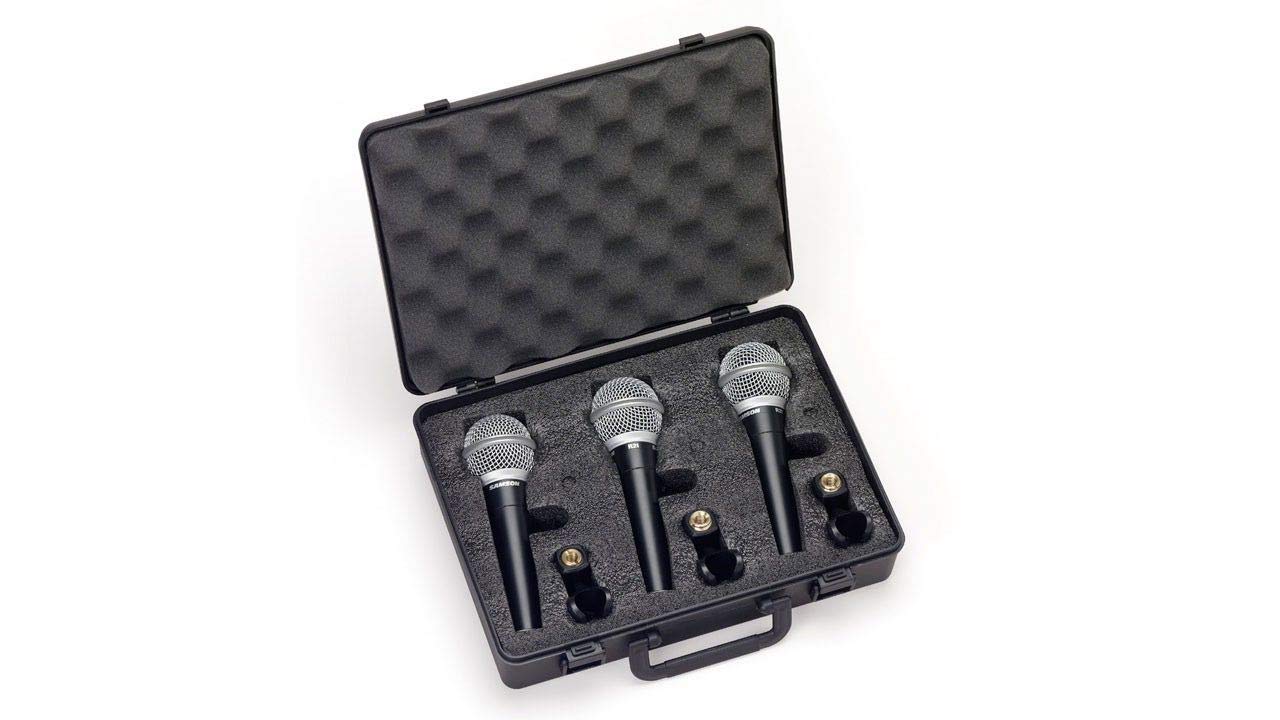
Three gold-plated XLR dynamic mics, clips, and a padded case deliver clear vocal reproduction for live PA, karaoke, and rehearsal. The lightweight plastic body and missing on/off switch are acceptable for group use, but this is a quantity-first bundle rather than a precision studio mic.

Pros

  • Clear vocal reproduction with cardioid pickup for live stage and rehearsal.
  • Three mics, clips, and a padded case keep a group ready without buying extras.

Cons

  • The plastic body feels lightweight, and there is no on/off switch on the mic.
Our verdict

Best for a band, church, or karaoke host that needs several usable XLR mics at one budget-friendly price.

Check Latest Price

How to Choose

USB, XLR, or Both

USB mics convert audio inside the capsule, so they work with any laptop without extra gear. XLR mics send an analog signal to an external interface, and that interface's preamp and converter shape the final sound. A USB-only mic is simpler on day one, but its signal path is fixed. A USB/XLR hybrid preserves the option to move to a proper interface later.

If you expect to add a mixer, record an instrument, or grow beyond a single USB input, the hybrid route avoids replacing your first mic. If you know you will never buy an interface, a USB-only model cuts desk clutter and cost. Connection choice is really a timeline decision.

Polar Patterns and Room Noise

Cardioid pickup rejects sound from the rear better than from the sides, so a keyboard to the left can still bleed into the track. Supercardioid narrows the front lobe but adds a rear pickup lobe, which makes precise placement more important. Omnidirectional pickup grabs the whole room and is rarely the right choice for noisy home recording.

In an untreated room, cardioid or supercardioid is the realistic option. If you plan to record two people around one mic, a bidirectional pattern or two separate mics will serve better than an omni.

Capsule Choice: Dynamic vs. Condenser

A dynamic capsule uses a moving coil and is less sensitive, which helps in rooms with background noise and lets it handle loud sources cleanly. A condenser has a thinner diaphragm and captures more high-frequency detail, but it also captures room tone, keyboard clicks, and HVAC hum.

The trade-off is detail versus isolation. For spoken word in a typical office or bedroom, a dynamic is the easier, more forgiving choice. For a treated booth or a quiet space, a condenser reveals more texture in the voice.

Form Factor and Mounting

A clip-on mic solves travel and video-call clutter but depends on placement and cannot swing out of the way on a crowded desk. A desktop mic with a folding tripod or heavy base is stable but takes up permanent space. A stand-mount mic needs a boom arm or mic stand, which adds cost and setup time.

Think about where the mic will sit on an average workday, not just the first recording session. The best form factor is the one that puts the capsule at mouth height without forcing your posture into a compromise.

Built-in Features That Matter

Zero-latency headphone monitoring lets you hear yourself without the delayed return that makes many USB mics feel unnatural. Multi-pattern switching adds flexibility but only if you know which pattern the recording actually needs. An instrument input makes a USB mic a mini audio interface for guitar or keyboard.

Each extra feature adds weight and complexity. If the job is clean voice capture, a simple mic with monitoring is easier to troubleshoot than a feature-dense hub.

Frequently Asked Questions