7 Best Sennheiser Headphones of 2026: Match the Model to Your Gear

Match Sennheiser headphones to your listening setup: wireless ANC, open-back wired, studio, DJ, or TV models with the right trade-offs.

Sennheiser's headphone lineup spans wireless ANC models, open-back audiophile classics, studio closed-backs, DJ on-ears, and TV RF systems. That breadth is useful, but it also invites mismatches: an open-back pair marketed with isolation language will not block a noisy office, and a 300-ohm audiophile model plugged into a laptop will sound polite instead of revealing.

The deciding factor is not the Sennheiser name, but the listening architecture: closed-back or open-back, wired or wireless, amp-friendly or low-impedance. Wireless models trade a little reliability for convenience; open-back models trade isolation for soundstage. Once you choose the architecture, the right model becomes obvious.

This guide separates each model by job: commuter wireless, studio workhorse, entry-level open-back, TV room, and DJ booth. The picks respect that each job has a different buying test, and they keep the long-term caveats visible.

About the Sound Score: This comparative score is calculated from a product's published customer rating and review volume. It is not a laboratory measurement or a hands-on test result.

2

Best Value Open-Back Wired
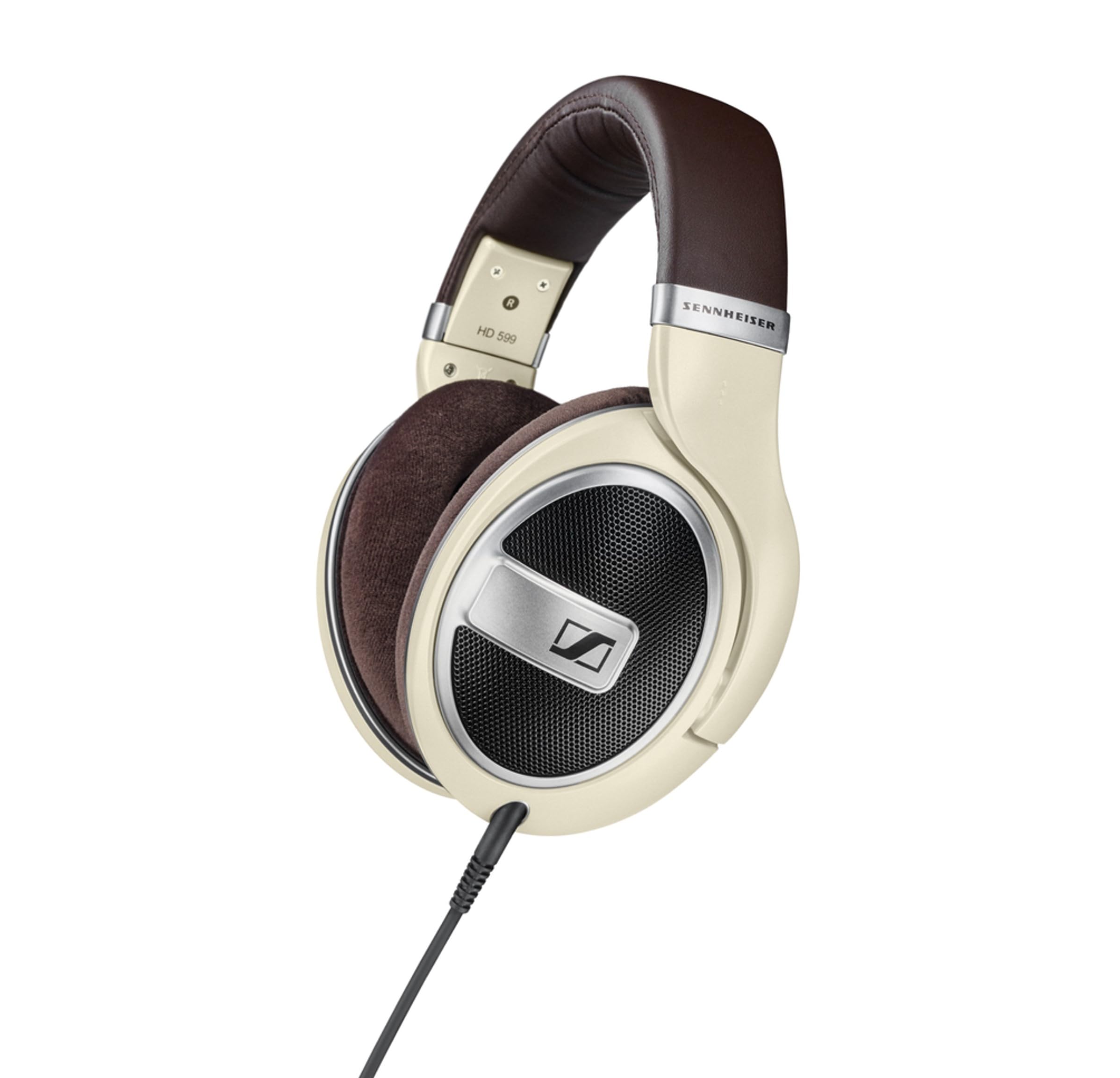
HD 599

93 /100
Sound Score Outstanding

Key details

Impedance
50 Ω
Open/Closed Back
Open-back
Replaceable Parts
Pads, cables
Connection & Battery
Wired
View on Amazon

The HD 599 is the friendliest open-back in Sennheiser's wired lineup: a 50-ohm design that runs from a laptop or phone without an amplifier, velour earpads, and a relaxed tuning that keeps long sessions easy. It trades the analytical edge of the other open-back in this comparison for a warmer, more forgiving sound.

First-time open-back buyers and home-office listeners in a private room will get the best results from this headphone. Classical, jazz, and vocal recordings sound natural and unhurried. The open-back design leaks sound and provides no isolation, so shared desks and commutes are the wrong environment. If wireless or ANC matters more than soundstage, the wireless top pick in this lineup is the better direction.

The dual detachable cables cover both desktop and portable use: a 3m cable with a 6.3mm plug for a receiver, and a 1.2m cable with a 3.5mm plug for a phone or laptop. The wide frequency response exceeds typical hearing needs, but the practical benefit is a composed presentation across genres rather than an aggressive one. Detachable cables mean a worn cord can be replaced without sending the headphone away. At a mid-range price, this is the least demanding route into Sennheiser's open-back staging. The ivory finish is an unusual touch in a category full of black and silver.

Pros

  • Spacious open-back staging with a relaxed tone that suits classical, jazz, and vocals.
  • Velour earpads keep listening sessions comfortable for hours.
  • Build quality feels better than the price implies, with a classic Sennheiser look.
  • Low 50-ohm impedance runs from a laptop or phone without extra gear.

Cons

  • Bass impact is modest, so bass-heavy genres lack the weight some listeners expect.
  • Build consistency can vary between units; a quick inspection on arrival is worthwhile.
Our verdict

For a first open-back, the HD 599 asks less from your setup and your ears than any other model here.
Check Latest Price
3

Best Budget Closed-Back Studio

HD 280 Pro

91 /100
Sound Score Outstanding

Key details

Impedance
64 Ω
Open/Closed Back
Closed-back
Replaceable Parts
Pads, cables
Connection & Battery
Wired
View on Amazon

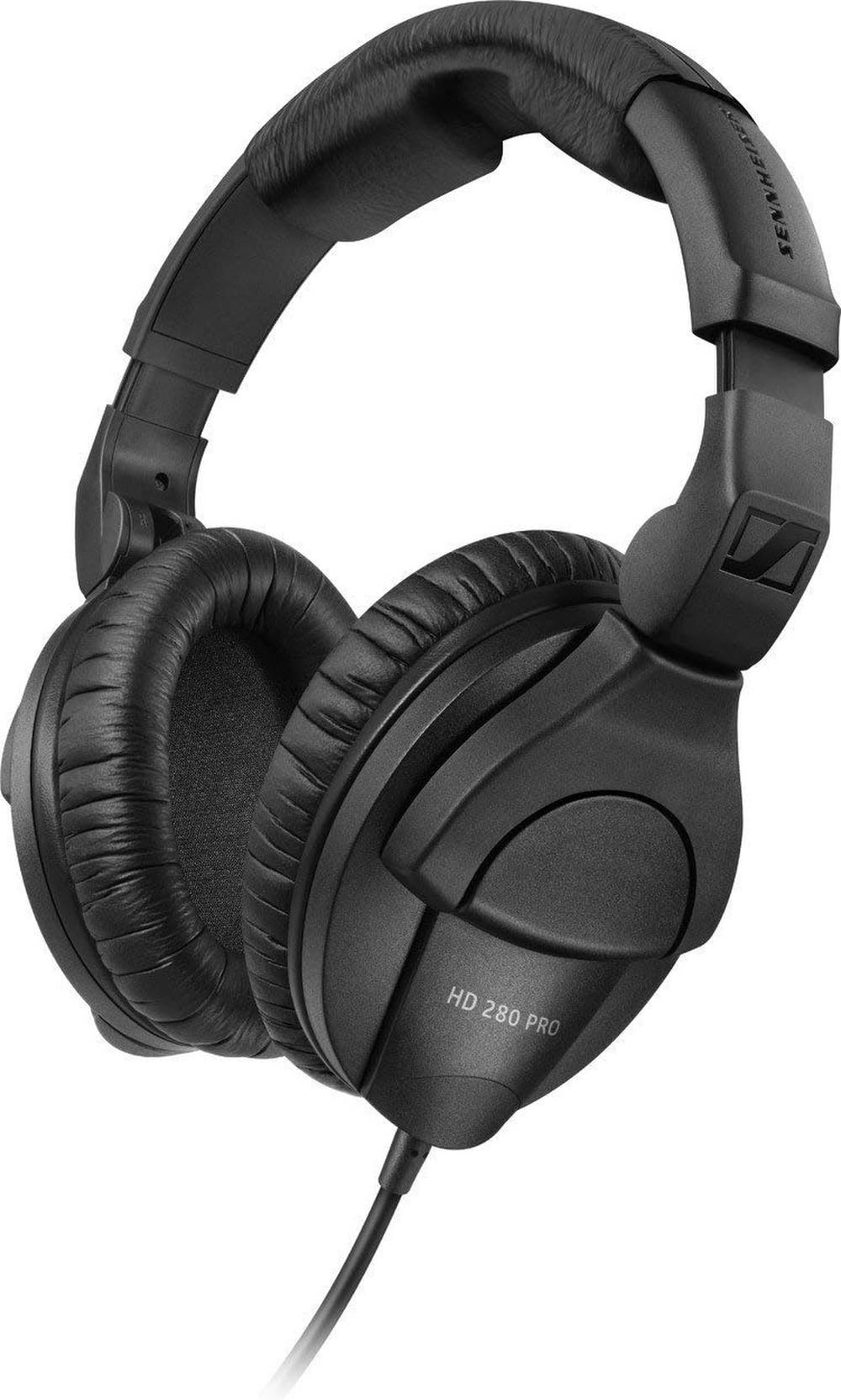
Sennheiser's HD 280 Pro is the budget closed-back workhorse in this comparison: 32 dB of passive attenuation, a clear full-range response, and user-replaceable pads and cable. It is not the plush everyday option; that role belongs to the lighter low-impedance closed-back pair in this set. The HD 280 Pro is aimed at jobs where isolation matters more than softness.

Buyers who need closed-back isolation for studio monitoring, location recording, or band practice get a budget-friendly wired tool with a working seal. This is a monitoring headphone first, not a lounging pair; the firm fit is part of the isolation bargain. For larger heads, long sessions can bring fatigue, so trying the fit before committing is the practical move.

The 64-ohm impedance is easy to drive from mixers, audio interfaces, and laptops, and the coiled cable stays out of the way while tracking. The frequency response reaches high enough for hi-hats and low enough for kick drums without exaggeration. When pads or cable eventually wear, replacements are available, so the HD 280 Pro remains a cost-effective tool instead of a disposable one.

💡 To ease the initial clamp, stretch the headband over a stack of books for a day or two.

Pros

  • Accurate, clear full-range sound keeps monitoring honest across instruments and mixes.
  • Solid construction at a budget price holds up in studio and rehearsal settings.
  • 32 dB of passive isolation blocks room noise and keeps sound from leaking out.
  • Replaceable pads and cables make this a serviceable tool for years of use.

Cons

  • Headband plastic and internal wiring can show wear after years of heavy use.
  • Firm clamp can cause fatigue during long tracking or mixing sessions.
Our verdict

For isolation-first studio work on a budget, the HD 280 Pro is the wired closed-back to compare others against.

Check Latest Price
5

Best TV Wireless Pick

RS 175-U TV Wireless

88 /100
Sound Score Excellent

Key details

Impedance
Open/Closed Back
Closed-back
Replaceable Parts
Connection & Battery
RF wireless, 18 hr
View on Amazon

The RS 175-U is the home-theater specialist in a lineup full of portable and amp-driven models. Its dedicated base accepts analog and digital TV inputs, and the 100m RF reach is aimed at whole-home listening rather than Bluetooth convenience. Unlike the wireless flagship in this comparison, it is a fixed-base product, not a travel companion.

Dialogue comes through with clarity, and the surround and bass modes add weight to quiet scenes without burying speech. The over-ear fit stays comfortable through a full movie, and the charging base parks the headset between sessions.

With an optical connection, the base sends the TV feed to the headset, which is how late-night viewing stays private without raising the TV volume. Using the digital input avoids the noise that analog TV connections can pass along. Voices remain the focus of the tuning, so effects and score do not wash out conversation.

This is for TV watchers who want individual volume without waking the house, hard-of-hearing viewers who need direct dialogue, and families sharing one screen at different levels. It is not a music-critical or multipoint Bluetooth headphone, so verify your TV has an optical or analog output the base needs before buying. If you already own a general-purpose wireless pair, this can serve as the dedicated TV headphone in your setup.

💡 Use your TV's PCM or stereo output for the cleanest digital feed.

Pros

  • Clear TV dialogue with surround and bass modes that add body without hiding speech.
  • Comfortable over-ear fit stays easy through a long movie or viewing session.
  • RF signal reaches rooms beyond the TV with no Bluetooth pairing or line-of-sight requirement.

Cons

  • RF audio can cut out when nearby wireless interference is strong.
  • The charging cradle can lose contact over time, leaving power delivery inconsistent.
Our verdict

The RS 175-U is built around one scenario: TV audio at your preferred volume, with enough RF reach to leave the TV room behind.

Check Latest Price
6

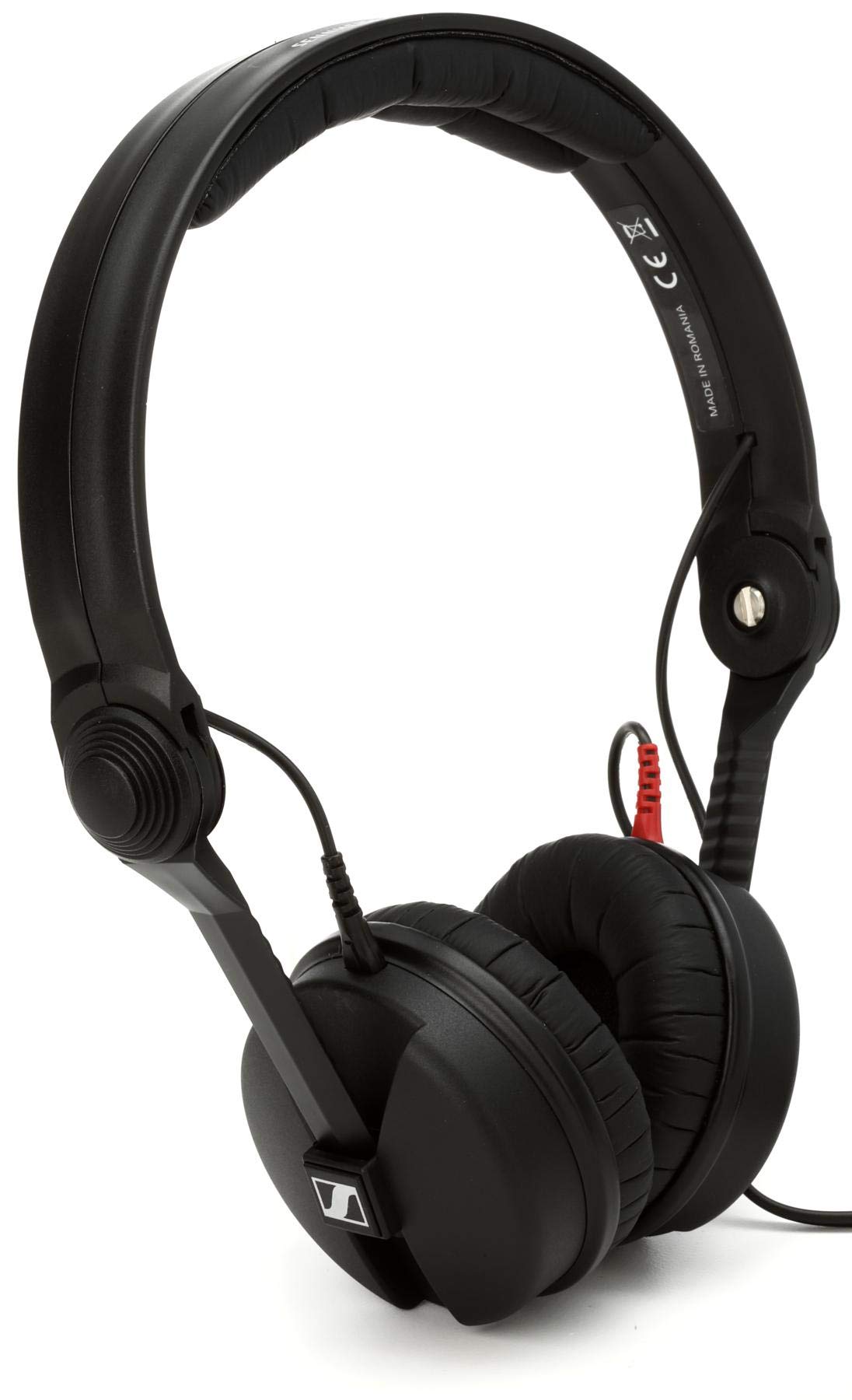
Best On-Ear DJ Pick

HD 25

92 /100
Sound Score Outstanding

Key details

Impedance
70 Ω
Open/Closed Back
Closed-back
Replaceable Parts
Pads, cables
Connection & Battery
Wired
View on Amazon

The HD 25 weighs 140 g and delivers punchy, high-SPL sound that holds its shape at loud monitor levels. The split headband and closed-back shell make it a wired travel-friendly tool for DJ booths and stage work, not a wireless lifestyle model. The 120 dB output ceiling gives enough headroom for cueing in loud rooms without pushing the driver into obvious strain.

Passive isolation is strong enough to keep cues clear in noisy rooms, and the tuning favors impact over the deep bass shelf of consumer headphones. That is the right balance for monitoring a mix rather than sitting back with a warm pair. The on-ear clamp is a personal-fit trade-off, so anyone planning long sessions should test the fit before committing.

This is for DJs, stage engineers, and travelers who want a lightweight closed-back that works in loud rooms and survives a gig bag. It is not an all-day around-ear comfort headphone, nor a big-bass consumer-tuned model. Buyers who need wireless ANC or open-back soundstage are choosing a different architecture, not a different tweak; the HD 25 does not try to cover those jobs.

💡 Between sets, take the headband off rather than forcing an all-day around-ear fit.

Pros

  • Punchy, high-SPL sound keeps detail intact in loud environments.
  • Lightweight 140 g build is easy to carry and stays out of the way during sessions.
  • Strong passive isolation separates cues in noisy rooms without active noise cancelling.
  • Serviceable construction with replaceable parts reduces the cost of long-term wear.

Cons

  • Stock cable can short out or feel thin, but it is user-replaceable.
  • On-ear clamp can become uncomfortable over long sessions, so test the fit before heavy use.
Our verdict

A budget-friendly, high-output wired monitor for DJs and stage work, with user-replaceable parts that keep it working in loud venues.

Check Latest Price
7

Gaming, Mixing

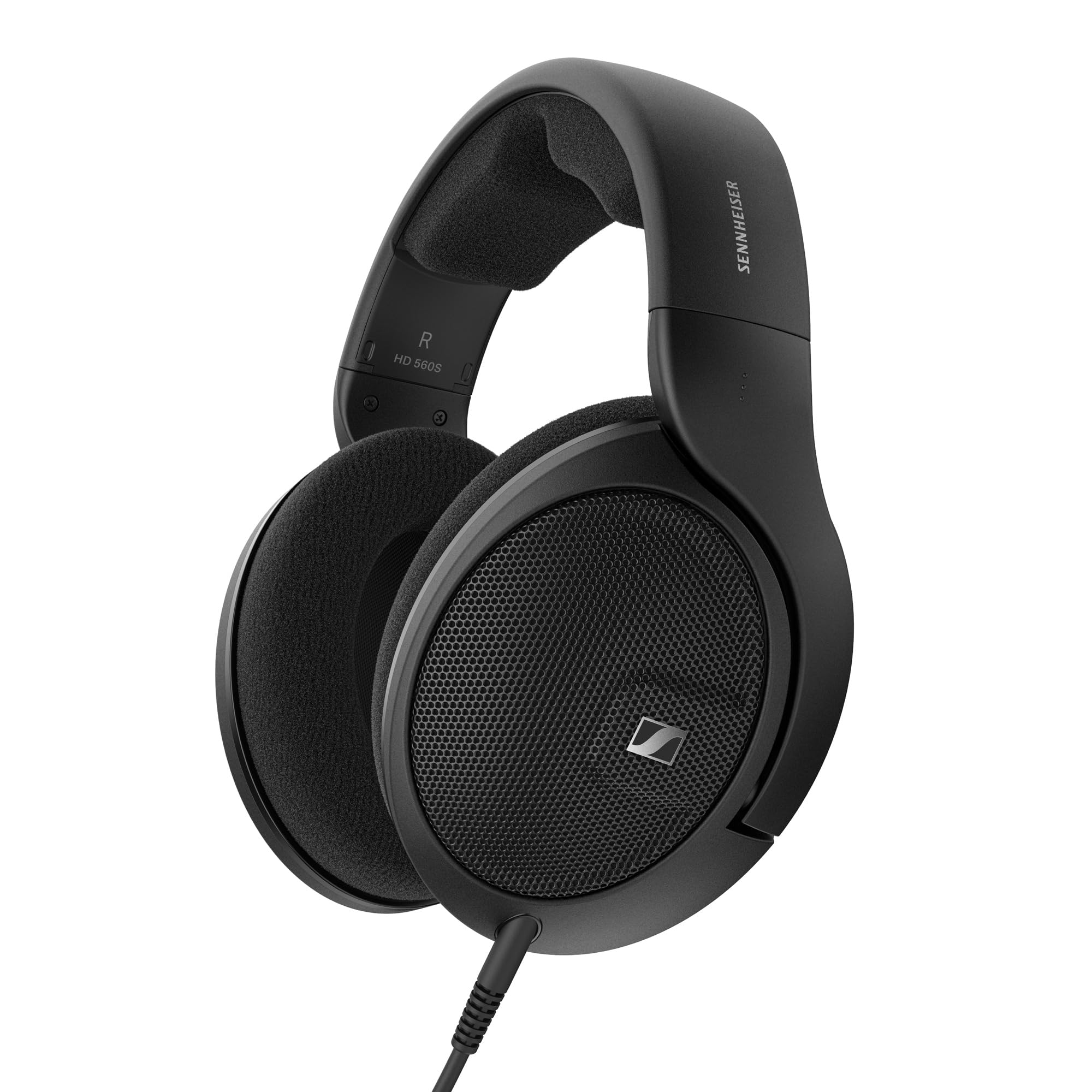
HD 560S

91 /100
Sound Score Outstanding

Key details

Impedance
120 Ω
Open/Closed Back
Open-back
Replaceable Parts
Cables
Connection & Battery
Wired
View on Amazon

The HD 560S is the analytical option in Sennheiser's open-back line: neutral tuning, a wide soundstage, and imaging that places instruments and footsteps with unusual precision. That combination makes it a strong fit for home studio work and competitive gaming, where detail matters more than warmth.

Its 120-ohm impedance benefits from a modest amp or desktop DAC; from a phone or laptop it will sound quieter and less open than it should. The initial clamp is snug and the earcups can feel stiff before break-in, and the plastic build may creak if twisted. Those tradeoffs are acceptable for neutral-listening buyers, but they steer casual listeners toward the more forgiving HD 599.

Pros

  • Neutral, detailed sound with a wide soundstage for positional audio and studio work.
  • Strong price-to-performance for entry-level audiophile listening.
  • Excellent for music production and gaming detail.

Cons

  • Initial clamp is tight and earcups feel stiff before break-in, so long first sessions may feel snug.
  • Plastic build can creak when earcups are twisted, which undercuts the premium feel.
Our verdict

Pick the HD 560S if your priority is neutral clarity and accurate imaging for gaming or home studio use and you have a modest amp to drive it.

Check Latest Price
8

Wireless Audiophile

HDB 630

81 /100
Sound Score Excellent

Key details

Impedance
Open/Closed Back
Closed-back
Replaceable Parts
Connection & Battery
Wireless, dongle, 60 hr
View on Amazon

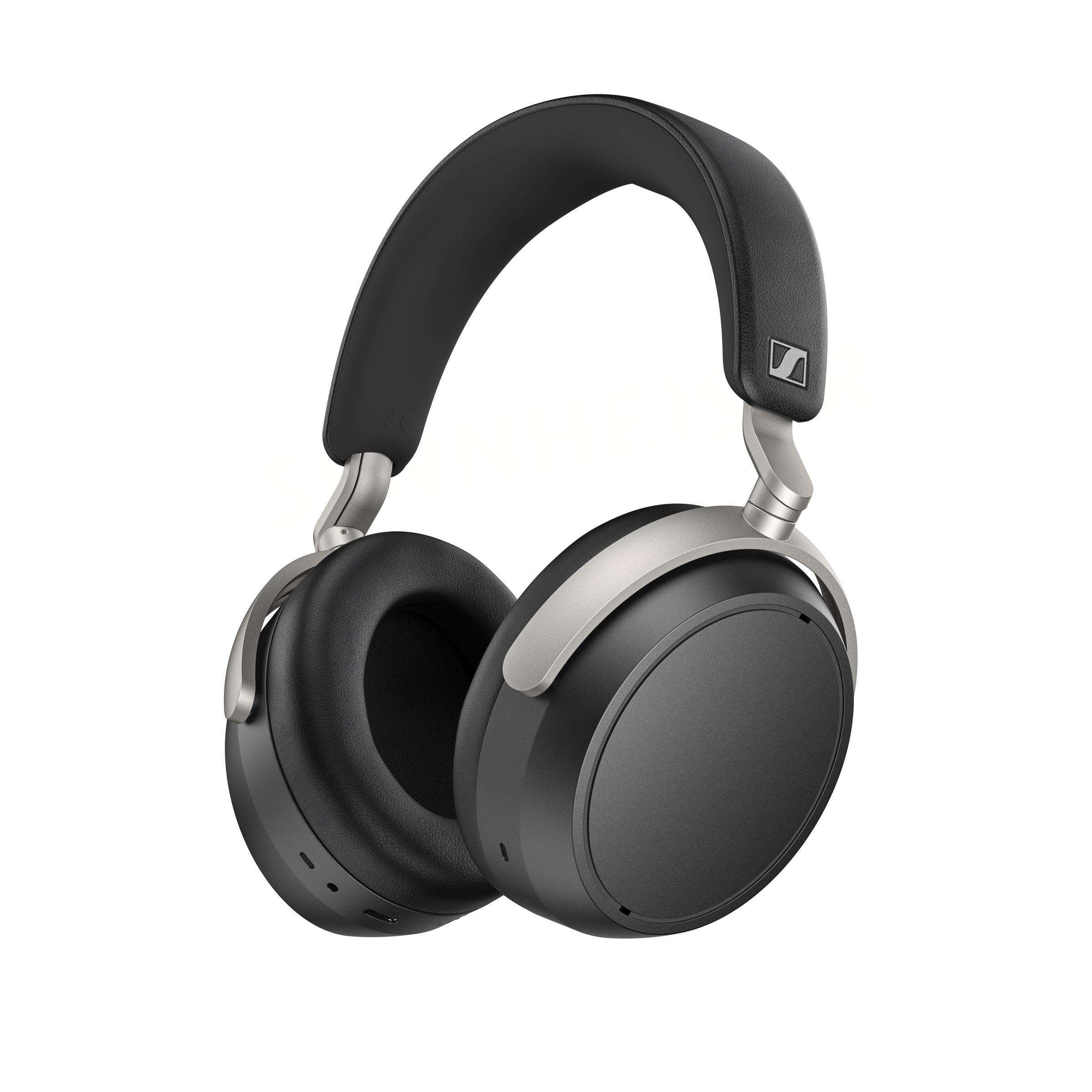
The included BTD 700 dongle is the differentiator: it unlocks USB-C lossless audio and parametric EQ, turning the HD-BT 630 into a wireless headphone with wired-grade tuning control. Battery life stretches to a claimed 60 hours, and wired/wireless inputs make source switching painless. The qualifiers are the fit and the default tuning: earcups clamp tightly and may be too small for larger ears, while Bluetooth-only playback can sound flat until the app EQ is engaged. That niche combination, alongside a premium price, keeps it from being the simpler all-around wireless pick.

Pros

  • BTD 700 dongle unlocks lossless USB-C audio and parametric EQ, giving wireless listening wired-style tuning control.
  • 60-hour battery life covers long trips and multi-day use between charges.
  • Detailed, natural sound emerges once the dongle or EQ is engaged, especially compared with plain Bluetooth.

Cons

  • Adaptive ANC reduces low-end hum but may let voice-range noise through, so it suits calm listening rather than loud commutes.
  • Earcups clamp tightly and may be too small for larger ears, so long-session comfort depends on your head size.
Our verdict

For wireless listeners who will use the dongle and EQ workflow, this is a distinctive premium hybrid; the mainstream wireless flagship remains the simpler pick if you want a one-box answer.

Check Latest Price
9

Budget Closed-Back

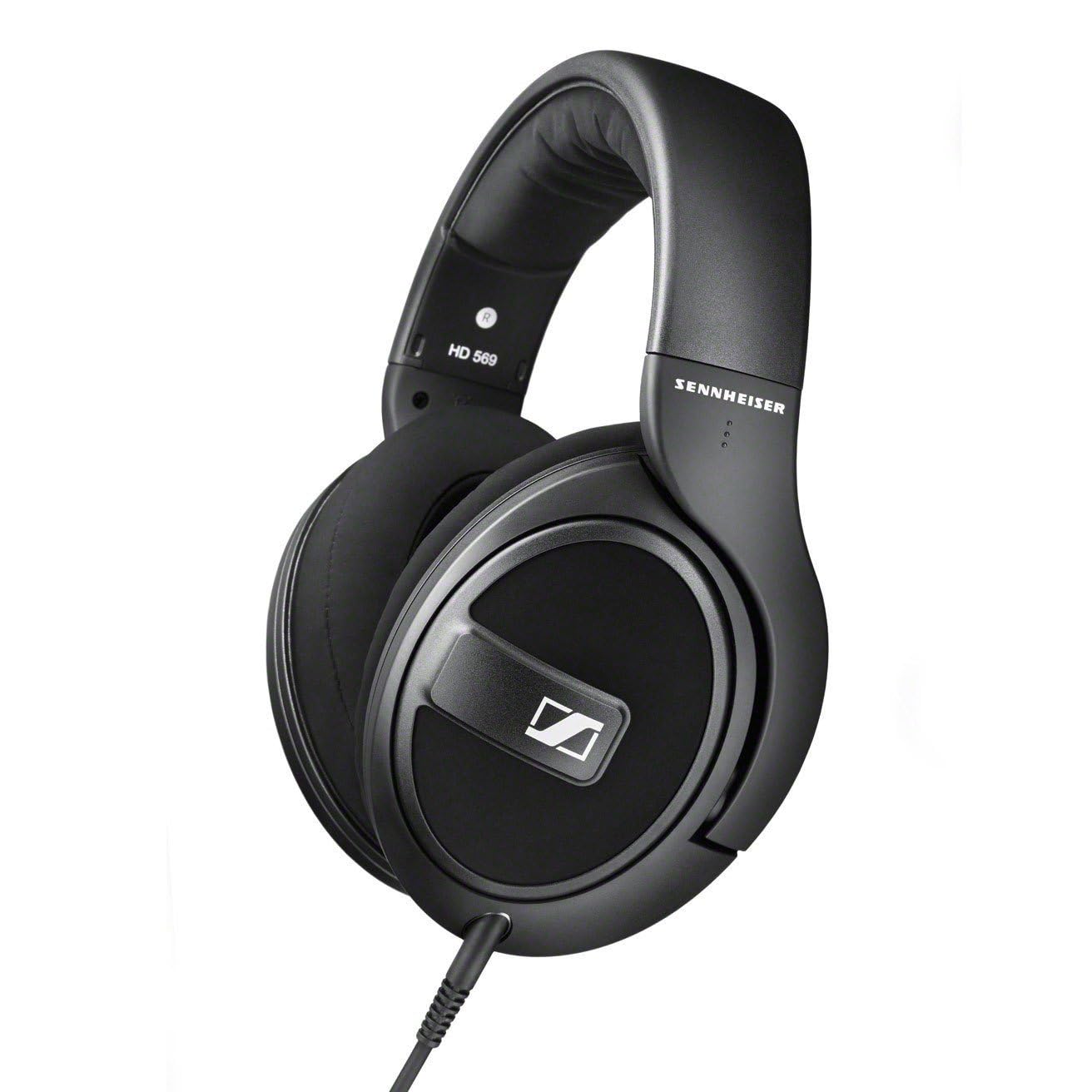
HD 569

90 /100
Sound Score Outstanding

Key details

Impedance
23 Ω
Open/Closed Back
Closed-back
Replaceable Parts
Pads, cables
Connection & Battery
Wired
View on Amazon

The HD 569 is a budget-friendly closed-back wired headphone that pairs low impedance with soft over-ear pads, so it runs cleanly from a phone, laptop, or desk setup. The detachable cable adds an inline mic for calls, and the sound is clear and crisp without harsh edges. This suits office workers or students who want closed-back privacy without an amplifier.

No active noise cancellation and only moderate passive isolation make it a step behind the sealed studio workhorse in this range and not ideal for loud spaces. It gives up the open-air detail of the entry open-back, yet the easy drive keeps it an accessible wired everyday option.

Pros

  • Clear, crisp sound with smooth delivery suits long listening sessions.
  • Soft over-ear pads keep comfort consistent through long listening sessions.
  • Build quality feels appropriate for the price, with replaceable pads and cables.

Cons

  • On larger heads, the over-ear clamp can be tight.
  • Ear pads and headband padding can degrade over time under repeated daily use.
Our verdict

For desk or dorm listening centered on a simple wired connection and long-wear comfort, and with no need for sub-bass rumble, the HD 569 is the budget-friendly closed-back pick.

Check Latest Price

How to Choose

Open-Back or Closed-Back

Open-back headphones vent the rear of the driver, which creates a wide, natural soundstage but also lets room noise in and music out. Closed-back models seal the driver for isolation and bass body at the cost of a smaller stage, so choose open-back only for a quiet listening room and closed-back for offices, commutes, and tracking.

Wired or Wireless

Wireless Sennheiser models add ANC, battery management, and firmware to the list of things that can go wrong, but they also remove the cable and enable true portability. Update firmware on day one and test Bluetooth with your own devices before the return window closes; if you prioritize absolute consistency, a wired model remains the safer tool.

Impedance and Amplifier Needs

Impedance determines how much voltage the driver needs. A 300-ohm model like the HD 600 or HD 650 sounds veiled from a phone because the source cannot deliver enough current, while 23-50 ohm models reach full performance from laptops and interfaces. Buy a low-impedance pair unless you already have a headphone amp or DAC.

Comfort and Clamp Force

Clamp force and pad depth matter more than weight on paper. Studio and DJ models clamp hard to hold an acoustic seal, and that pressure can become uncomfortable after a couple hours; on-ear models press directly on your ears. For daily all-day wear, prioritize a light over-ear fit with plush pads and a known easy clamp.

Replaceable Parts

Detachable cables and replaceable pads are the longevity spec. A fixed cable that gives out at the strain point can end the headphone's life, while a replaceable cable is a small repair; pads also compress over time and change both comfort and bass. Pro and DJ Sennheiser models are serviceable, so check parts availability before buying a wireless consumer model.

Frequently Asked Questions