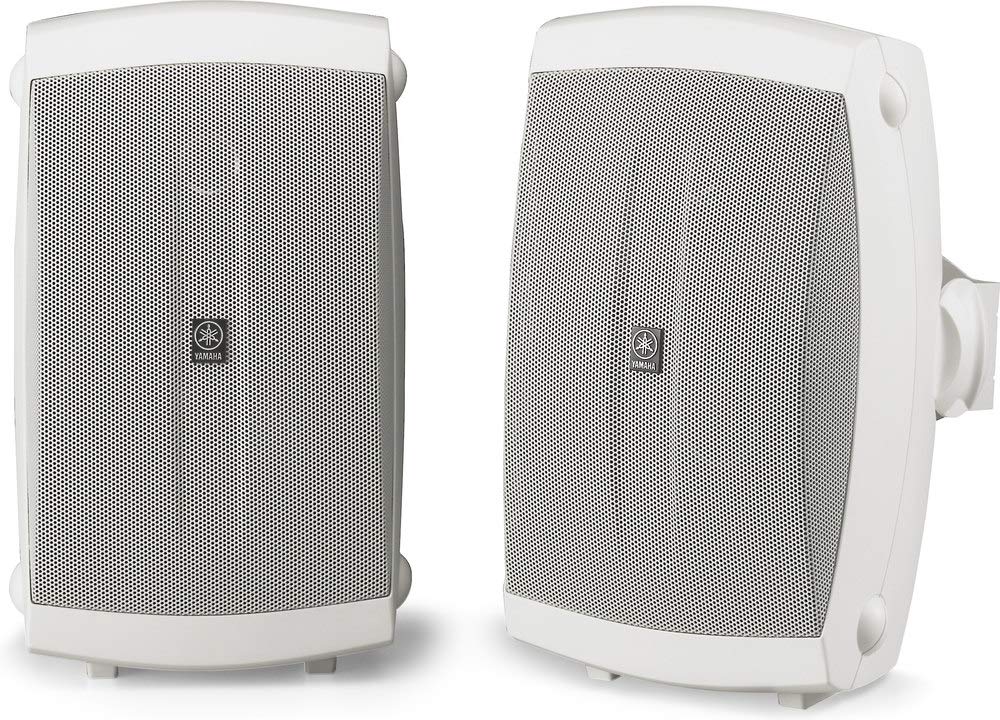
Best Overall

Yamaha HS5 Pair
Key details
- Mounting
- —
- Driver & Bass
- 5-inch cone, 1-inch dome
- Inputs & Amps
- XLR, TRS
- Power Handling
- 45W LF + 25W HF
The HS5 pair delivers the kind of flat, balanced response that makes mix decisions transfer cleanly. Balanced XLR/TRS inputs, a 54 Hz–30 kHz frequency range, and a 5-inch woofer paired with a 1-inch tweeter put a genuinely neutral reference at mid-range pricing. That uncolored voicing is the point: vocals, snare hits, and synth lines appear in the mix as they actually sit rather than as the speaker flatters them. This is what makes it a working monitor, not a consumer toy, and why it holds up in project studios that have to stay honest about what is in the recording.
Long mixing sessions are where this pair earns its keep. The bi-amped 45W LF and 25W HF arrangement keeps transients defined, and the imaging across a desktop setup is precise enough to place elements in the stereo field. The 1-inch dome tweeter handles the top end without harshness, so cymbals and sibilant vocals stay listenable at working levels. This is a speaker meant to be heard close-up; it rewards a desk layout with an even sweet spot. At low volumes it keeps the same tonal balance, which is a practical advantage for late-night sessions in shared spaces.
The intended buyer is a music producer, mixer, or desktop listener who values accuracy over low-end rumble. Home studio owners in small to mid-sized rooms get the most from this pair. Bass-heavy work needs a subwoofer because the 54Hz roll-off is real; casual listeners expecting entertainment-style bass should treat that as the boundary it is. The strength of the HS5 is that it shows the relationship between instruments rather than masking them with added output. That makes EQ and compression decisions easier because you are hearing the mix, not the speaker's interpretation of it.
Within Yamaha's standalone speaker lineup, the HS5 pair is the studio-first option. The compact 4.5-inch sibling in this set is more desk-friendly, but it gives up output authority; the outdoor and PA models cover patios and stages, not mix translation. The HS5 instead balances accuracy, price, and practical size for a wired desktop mixing station, and it holds that balance from conversation-level volumes up to working monitor levels. The cabinet feels solid, and the controls are simple enough to leave alone once set. For buyers comparing Yamaha's full range, this is the model that sets the reference point for every other speaker in the lineup.
Pros
- Flat, balanced frequency response with uncolored tone for mix translation.
- Mixing and mastering performance carries across without exaggerated coloration.
- Balanced XLR/TRS inputs connect directly to studio interfaces.
- Cost-effective value among mid-range studio monitors.
Cons
- Consumer gear with only RCA or headphone outputs needs an adapter or interface before these monitors can be driven.
- A large room may expose the limits of the 5-inch woofer, which is built for close listening.
An accurate wired nearfield monitor for mix work and critical listening.