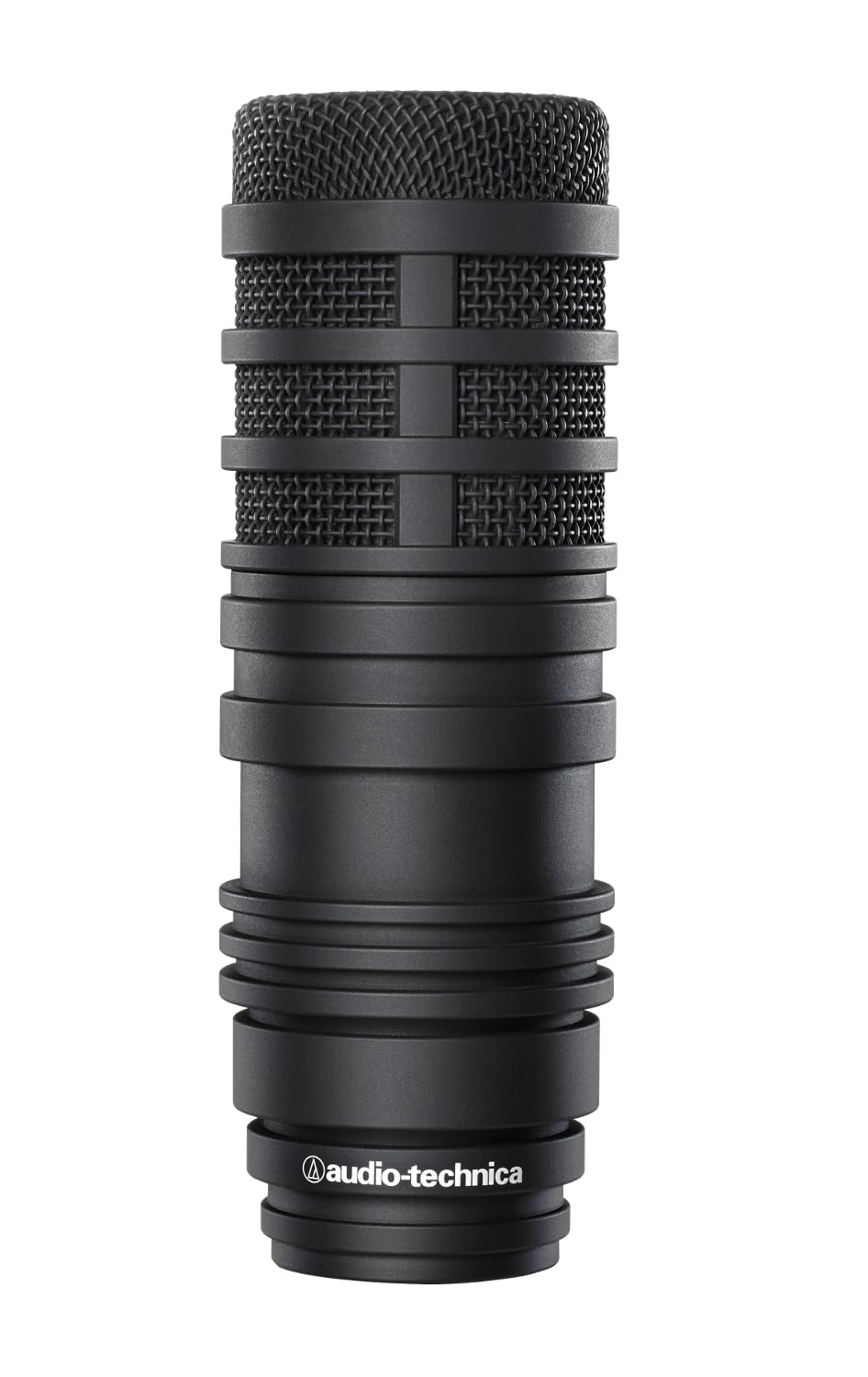
10 Best Audio-Technica Microphone of 2026: Match the Mic to Your Rig

Find the best Audio-Technica microphone for your setup — USB, XLR, condenser, or dynamic — and avoid costly signal-chain surprises.

Most Audio-Technica microphone buyers pick the capsule first and the signal chain second. That is how a capable XLR mic ends up unused until the buyer also budgets for an interface and cable. The real purchase, for many buyers, is the microphone plus the gear it needs to make a sound.

The practical split is simple: USB mics are plug-and-play and cover streaming, podcasting, and voice calls with no extra gear. XLR mics require an interface and, for condensers, phantom power, but they leave room for better preamps and cleaner signal paths down the line.

Room acoustics are the other half of the decision. Condensers capture detail and also capture echo, keyboard clatter, and fan rumble. Dynamic hypercardioid mics reject background noise but need closer, more deliberate speaking. Match both choices to the space you record in, and the right Audio-Technica becomes obvious.

About the Sound Score: This comparative score is calculated from a product's published customer rating and review volume. It is not a laboratory measurement or a hands-on test result.

1

Best Overall

AT2035 XLR

96 /100
Sound Score Outstanding

Key details

Capsule Type
Condenser, large diaphragm
Connectivity
XLR, interface required
Polar Pattern
Cardioid
Built-in Convenience
HPF, 10 dB pad
View on Amazon

The AT2035 captures voice and acoustic instruments with a natural, open tone, and its low self-noise keeps quiet passages clean. The all-metal body and consistent tonal balance give it a durable, professional feel, while the bundled shock mount, 80 Hz high-pass filter, and 10 dB pad cover the setup details that XLR buyers would otherwise source separately.

The shock mount stops stand noise before it reaches the capsule, and the high-pass filter trims low-end rumble without dulling the voice. Close-miked vocals stay clear and present, while acoustic guitar keeps its body when the mic is moved back a bit. The cardioid focus keeps the on-axis voice forward without exaggerated proximity effect.

This is for vocalists, podcasters, and streamers who already have an XLR interface or are ready to buy one. The microphone itself is XLR-only, so phantom power and a cable belong to the signal chain; anyone expecting USB plug-and-play should stay with Audio-Technica's USB line. Singer-songwriters get solid results on voice and acoustic guitar, and the pad keeps louder sources from overloading the input. It is a practical step up for streamers leaving USB behind.

Pros

  • Natural, detailed sound that flatters voice and acoustic instruments.
  • All-metal body and bundled shock mount make the kit feel complete for studio use.
  • Low self-noise and the 80 Hz filter/pad make clean starts on voice or acoustic guitar.

Cons

  • Mid-range pricing sits above entry-level XLR mics, which is a stretch for strict budgets.
  • In untreated rooms, the cardioid capsule picks up ambience and reflections, so a bare space can sound boxy.
Our verdict

For interface owners, the AT2035 is the complete XLR starting point: filter, pad, and shock mount are already in the box.

Check Latest Price
2

Best USB-C Plug-And-Play

AT2020USB-X

88 /100
Sound Score Excellent

Key details

Capsule Type
Condenser
Connectivity
USB-C, 24-bit/96 kHz
Polar Pattern
Cardioid
Built-in Convenience
Mute, LED, headphone jack
View on Amazon

The AT2020USB-X captures voice and acoustic guitar with strong detail over a modern USB-C connection, using 24-bit/96 kHz conversion and a soft-touch mute that keeps streams free of button clicks. No interface or external audio chain is needed.

This suits streamers, podcasters, and home-studio voice artists on Mac or PC who want high-quality voice from a small desktop setup. The included USB-A adapter keeps older computers in the mix. The USB-only design means XLR users should look elsewhere, and connection or power issues can appear after months — so test the unit early and stay within the return window.

Pros

  • Clean recording quality with no hum or electrical buzz in the signal.
  • One-cable USB-C setup fits a desktop workspace easily.
  • Headphone output makes real-time monitoring easy during takes.

Cons

  • In untreated rooms, the condenser capsule picks up more background sound than a dynamic mic would.
Our verdict

For USB-C desktop creators, this is the practical middle ground between older USB mics and the XLR top pick.

Check Latest Price
3

Best Budget XLR Condenser

AT2020 XLR

95 /100
Sound Score Outstanding

Key details

Capsule Type
Condenser
Connectivity
XLR, interface required
Polar Pattern
Cardioid
Built-in Convenience
View on Amazon

The AT2020 is the entry-level XLR condenser with crisp cardioid sound and a durable all-metal build. For first-time studio buyers, it captures vocals and acoustic guitar with clarity that sits well above its price, and the metal body feels sturdy on the included stand mount.

It needs an XLR interface with 48V phantom power, and room noise pickup is noticeable in untreated spaces. This is for home-studio beginners and quiet-room podcasters; USB-only streamers should look to a different model. For vocal and acoustic-guitar demos, the output is clean enough to learn on while you build out a studio.

Pros

  • Crisp, clear capture for vocals, podcasting, and acoustic instruments.
  • All-metal construction feels more expensive than the entry-level price.
  • Strong value for first-time XLR buyers on a budget.

Cons

  • The box includes a stand mount but no XLR cable, so factor that into the first-use setup.
Our verdict

A sensible first XLR for a quiet home studio; the top pick adds a shock mount and lower self-noise for a step up in price.

Check Latest Price
4

Best Pro Studio Upgrade

AT4040

94 /100
Sound Score Outstanding

Key details

Capsule Type
Condenser, true external polarization
Connectivity
XLR, interface required
Polar Pattern
Cardioid
Built-in Convenience
View on Amazon

The AT4040's low self-noise and true external polarization deliver a clean, open sound that supports demanding vocal and instrument recording. Compared with the top pick in this lineup, it trades some convenience features for a more transparent capsule and a noticeably quieter background. This is a serious studio upgrade for vocalists, engineers, and home studios that already own an interface; the premium price and XLR requirements make it overkill for first-time podcasters, casual spoken-word use, or USB-only creators.

With acoustic instruments, amps, and voice, the low noise floor keeps quiet passages clean. The bundled shock mount, dust cover, and carrying case cover the essentials for a permanent studio position.

💡 Position the mic closer to the source to get the most from the cardioid pickup.

Pros

  • Low self-noise and transparent output make demanding vocals and acoustic instruments easier to record cleanly.
  • All-metal body with bundled shock mount, dust cover, and carrying case is built for long-term studio use.
  • Holds its own against higher-priced studio condensers while covering both vocal and instrument sessions.

Cons

  • Fixed cardioid pattern only; omni or figure-eight recording requires a different microphone.
Our verdict

For vocalists and engineers who want low-noise, transparent capture, the AT4040 is a studio condenser with staying power.

Check Latest Price
5

Best Broadcast Dynamic

BP40 Broadcast

91 /100
Sound Score Outstanding

Key details

Capsule Type
Dynamic, large diaphragm
Connectivity
XLR, interface required
Polar Pattern
Hypercardioid
Built-in Convenience
View on Amazon

The BP40 is a large-diaphragm dynamic with a humbucking coil, so it delivers condenser-like detail while keeping room rumble and electrical interference out of the signal. Its hypercardioid pattern holds tight to the host's voice, making it a direct fit for radio-style voiceover in controlled spaces.

Voiceover and broadcast artists with an XLR interface and a treated room will get a polished, low-maintenance sound that stays clean beside monitors and lighting. Its premium price and niche broadcast orientation mean casual podcasters rarely need this level of rejection; USB-only streamers should look at simpler mics.

💡 Keep the mic centered in front of you; hypercardioid pickup rewards consistent on-axis placement.

Pros

  • Condenser-like detail from a dynamic capsule, so voices sound open without pulling in room reflections.
  • Humbucking coil rejects electromagnetic interference, keeping the signal clean near monitors and lighting.
  • Protective carrying case is included, and typical voiceover work does not require a pop filter.

Cons

  • XLR-only signal path requires a separate interface and cable before it produces sound.
Our verdict

For broadcast pros with an XLR chain and a treated space, the BP40 is a lasting upgrade over entry-level dynamics. For everyone else, a simpler mic makes more sense.

Check Latest Price
6

Best USB Dynamic for Noisy Rooms

AT2040USB

85 /100
Sound Score Excellent

Key details

Capsule Type
Dynamic
Connectivity
USB plug-and-play
Polar Pattern
Hypercardioid
Built-in Convenience
Mute, headphone jack
View on Amazon

The AT2040USB is the USB version of Audio-Technica's hypercardioid dynamic broadcast capsule, offering the same voice-focused room-noise rejection as the XLR edition without an interface. Plug in USB-C, use the mute button, and monitor through the headphone jack. The dynamic element matters here: it focuses on the speaker and keeps keyboard clatter and background conversation out of the recording.

This is a voice mic for gamers, streamers, and remote workers in noisy rooms who want broadcast tone without extra gear. The hypercardioid pattern wants you close, so distant, roomy capture and acoustic instruments fall outside its scope. For spoken word, it delivers clean, focused sound in a metal body that suits a desk arm.

Pros

  • Hypercardioid dynamic pickup keeps voice focused while toning down room noise and keyboard chatter.
  • All-metal build and professional broadcast look fit a permanent desktop setup.
  • Plug-and-play USB-C operation with mute and headphone volume gets you recording fast.

Cons

  • Hypercardioid pickup prefers close, steady mic placement; leaning back can thin the sound.
Our verdict

The AT2040USB is the practical USB dynamic for anyone whose home office doubles as a broadcast space; it gives voice a clean, present tone without the room pickup a condenser would bring.

Check Latest Price
7

USB Content Creators

AT2020USB+

94 /100
Sound Score Outstanding

Key details

Capsule Type
Condenser
Connectivity
USB plug-and-play
Polar Pattern
Cardioid
Built-in Convenience
Monitor, mix control
View on Amazon

Plug-and-play USB setup and practical headphone mix control make this a direct path to clean spoken-word recording. The cardioid capsule captures clear voice for podcasting, streaming, or calls. It remains a capable option, though the USB-only design and a higher price than the newer USB-C sibling hold it back.

Pros

  • Plug-and-play USB recording with zero-latency headphone monitoring and a mix control for hearing yourself live.
  • Clear cardioid voice capture that is a step up from built-in laptop mics for spoken-word content.

Cons

  • The included desk stand feels less substantial than the mic body, and the shell may not feel premium.
Our verdict

For spoken-word creators who already have a boom arm, this delivers USB convenience without the XLR investment.

Check Latest Price
8

Budget Dual USB/XLR

AT2005USB

89 /100
Sound Score Excellent

Key details

Capsule Type
Dynamic
Connectivity
USB + XLR
Polar Pattern
Cardioid
Built-in Convenience
Headphone jack, volume
View on Amazon

The AT2005USB bundles a cardioid dynamic capsule with both USB and XLR outputs, plus cables and a tripod stand, so a budget creator can go USB now and XLR later. It covers podcasting, field recording, and remote calls. Windows recognition can be inconsistent, and such connectivity caveats keep it from a top-tier slot.

Pros

  • Warm, clean dynamic tone with reduced background pickup suits spoken-word work.
  • Dual USB/XLR plus included cables and tripod make it a cost-effective starter for future interface owners.

Cons

  • USB connection can become intermittent over time, so long-term USB-only users may want a newer model.
Our verdict

If the plan is to move to XLR within a year, this is the budget bridge.

Check Latest Price
9

Multipattern Recording

AT2050 Multi

91 /100
Sound Score Outstanding

Key details

Capsule Type
Condenser, large diaphragm
Connectivity
XLR, interface required
Polar Pattern
Omni, cardioid, figure-8
Built-in Convenience
HPF, 10 dB pad
View on Amazon

This large-diaphragm condenser captures vocals and instruments with a balanced, natural tone. Switchable omni, cardioid, and figure-8 patterns plus a filter and pad cover several recording techniques. That pattern control suits engineers who alternate sources; a single-source cardioid session won't use the extra patterns.

Pros

  • Balanced, natural capture for voice and instruments with low coloration.
  • Three polar patterns let you adjust room ambience and pickup angle without swapping mics.

Cons

  • Omni and figure-8 patterns reveal room tone, so untreated spaces need the cardioid setting for tight isolation.
Our verdict

Fits engineers tracking multiple sources and room tones; the pattern switch earns its keep there.

Check Latest Price
10

Budget Broadcast

AT2040 XLR

91 /100
Sound Score Outstanding

Key details

Capsule Type
Dynamic
Connectivity
XLR, interface required
Polar Pattern
Hypercardioid
Built-in Convenience
View on Amazon

Hypercardioid dynamic capsule, integrated shock mount, and windscreen deliver warm broadcast tone without condenser sibilance, and the pickup rejects background noise in untreated rooms. It is XLR-only, so podcasters need an interface, and its narrower range of uses puts it behind the feature-rich top pick and the premium broadcast option.

Pros

  • Warm broadcast-style vocal sound keeps the voice present without condenser sibilance or harshness.
  • Hypercardioid pickup rejects noise, while the integrated shock mount and windscreen support close-up speech.

Cons

  • Hypercardioid pickup keeps a tight working zone; leaning back or turning away can noticeably change tone.
Our verdict

This budget dynamic makes sense when close-up broadcast vocals are the main job and room noise is the main problem.

Check Latest Price

How to Choose

XLR vs USB

XLR is the studio standard because it passes balanced audio to an external preamp and converter, which is why interface upgrades can improve your sound over time. The hidden cost is the chain: an interface, phantom power for condensers, a stand, and an XLR cable that often has to be bought separately.

USB mics are self-contained, but they are tied to their own analog-to-digital converter. The connection is simpler and ideal for streaming, but no later interface upgrade can change how the mic itself converts audio.

Condenser vs Dynamic

Condensers are sensitive to air movement and high-frequency detail, which is why they sound crisp on voice and acoustic instruments. That same sensitivity captures room echo, keyboard clicks, and fan rumble in untreated spaces.

Dynamic capsules use a moving coil and are less sensitive overall. They produce a warmer, more contained sound, tolerate loud sources, and do not need phantom power, but they require closer mic technique to keep vocal level consistent.

Polar Pattern

Cardioid picks up the front and rejects sound from the rear, while hypercardioid narrows that focus further and adds stronger side rejection. Hypercardioid is the better wall against room noise, but it also punishes you if your head drifts off-axis.

Fixed podcasting positions and noisy rooms favor hypercardioid; moving around while you talk favors a standard cardioid. Choose based on how still you actually sit, not just how quiet you want the recording to sound.

Built-in Controls

A high-pass filter rolls off low-end rumble from HVAC and handling thumps, while a pad lowers input sensitivity for loud sources like guitar amps and drums. These switches are only useful if you engage them, and many buyers ignore them after setup.

Headphone monitoring with mix control lets you hear your own voice without latency; a mute button prevents unwanted audio from reaching a live stream. For podcasters and streamers, these built-in conveniences often matter more than the last few decibels of noise spec.

What's in the Box

A shock mount suspends the capsule to isolate it from desk thumps and vibration, which is immediately obvious when you type while recording. A simple desk stand works on a flat surface but transmits more noise than a boom arm.

XLR models often ship without a cable, and USB models usually include one. Check the bundle before checking out; replacing a missing cable and add-on interface is a common hidden cost.

Frequently Asked Questions