Best Overall
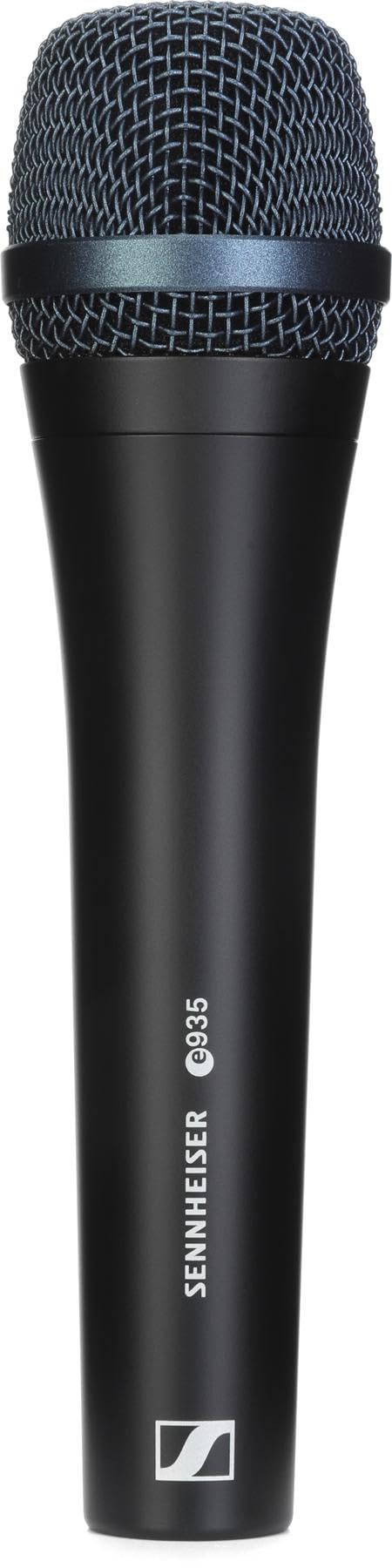
Sennheiser e935
Key details
- Connectivity
- XLR
- Polar Pattern
- Cardioid
- Primary Source
- Vocals, stage, studio
- SPL & Mounting
- Stand mount, high output
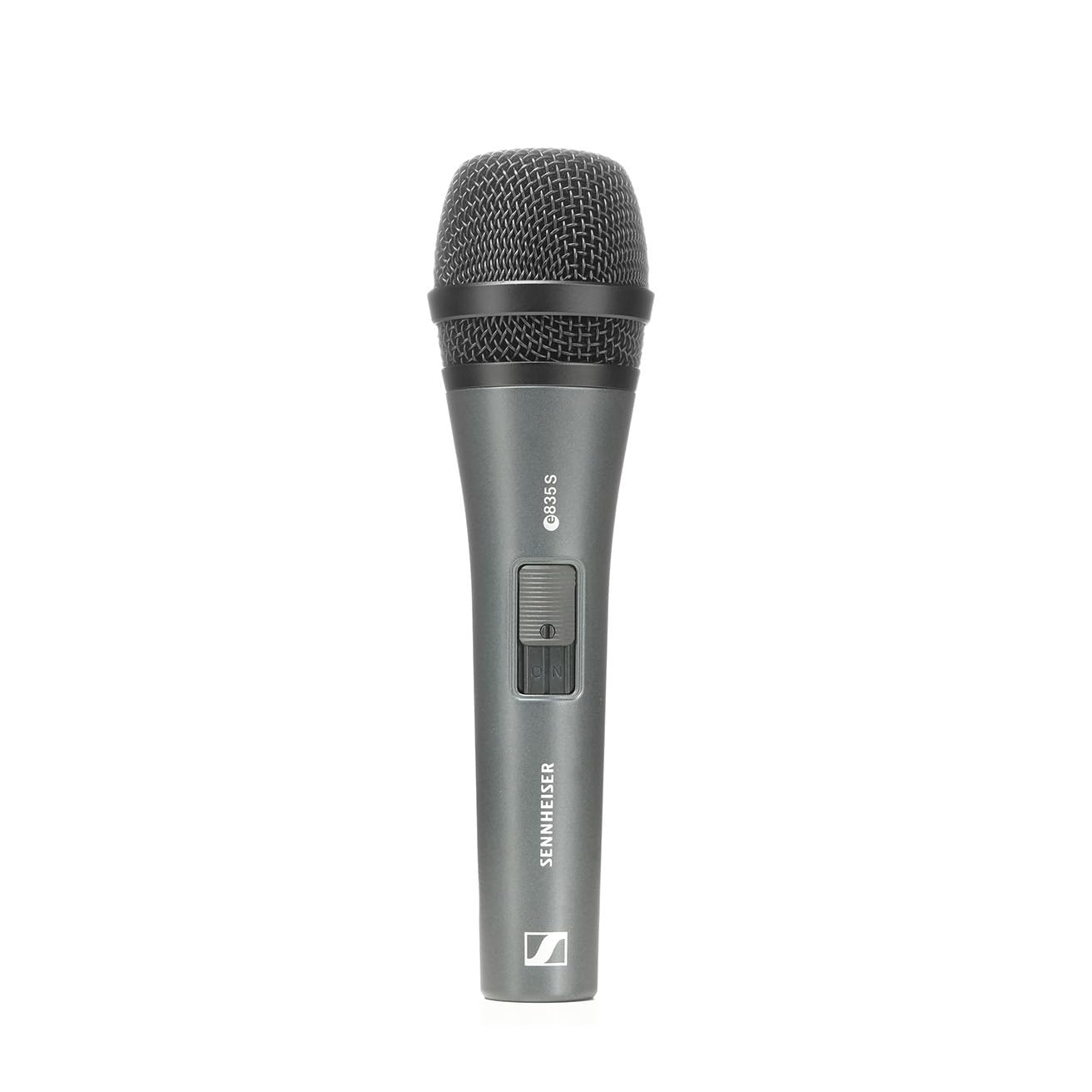
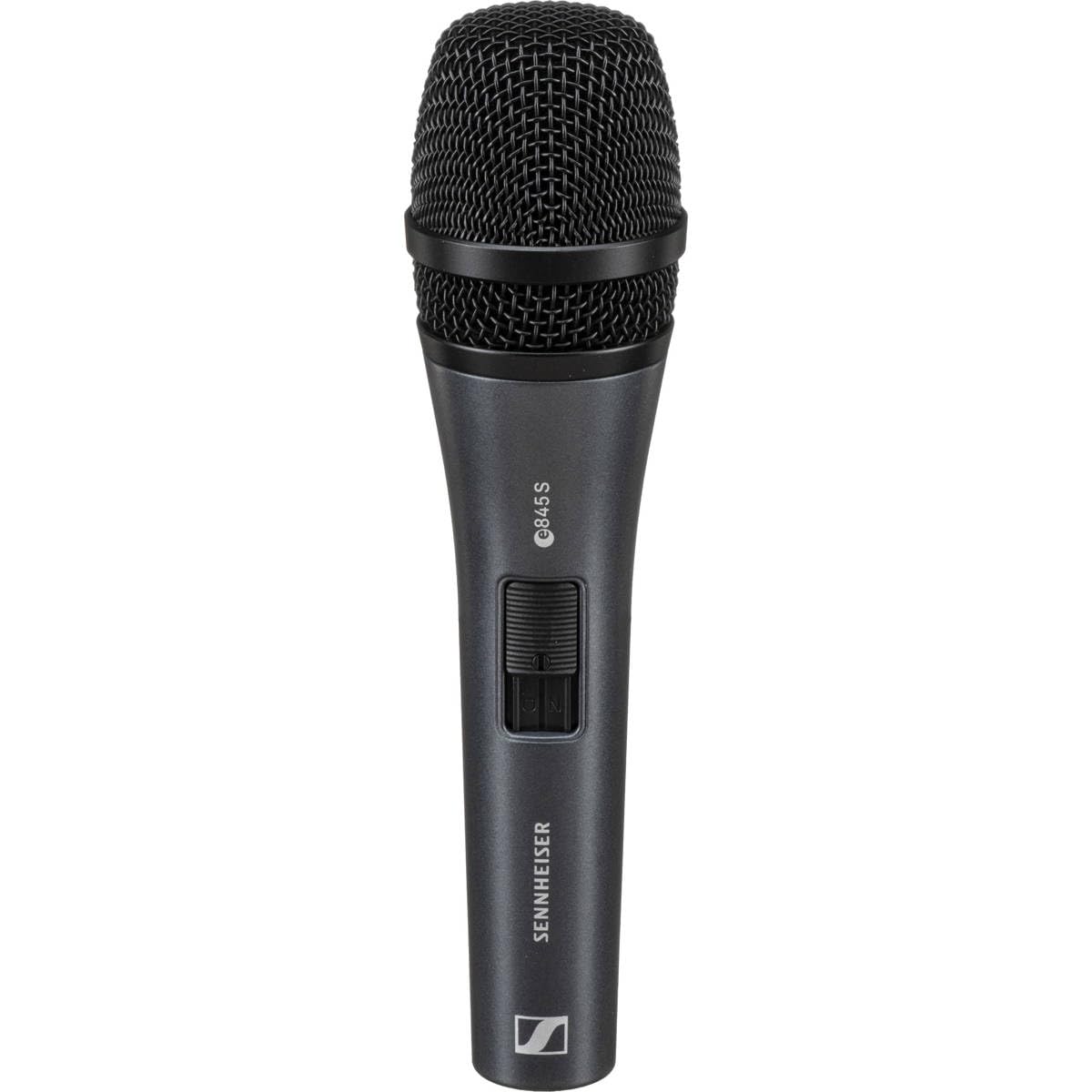
The Sennheiser e935 is the wired dynamic that vocalists compare to a condenser: warm, detailed presence without the feedback headaches. High output and solid cardioid rejection let a live singer cut through loud monitor mixes, and the tone stays composed even when the stage volume climbs. That combination gives the e935 a reputation for clarity that typical stage dynamics don't reach.
On stage, the e935 behaves like a true stage dynamic: it takes high SPL without distortion and keeps the vocal focused in front of the band. It hooks up with a standard XLR cable and doesn't need phantom power, so the same mic moves easily between a gig and a home studio. The tone stays smooth at high output levels.
This is the top Sennheiser pick for buyers who want a wired XLR vocal microphone with genuine stage-and-studio range. Its higher sensitivity can expose room tone or handling noise in untreated spaces, and there's no switch on the body, so muting happens from a mixer fader or console mute. That tradeoff is acceptable when you prioritize warm, condenser-like presence over a set-and-forget dynamic.
Pros
- Reference-grade vocal clarity and warmth; it sounds closer to a condenser than a typical stage dynamic.
- Feedback rejection is strong enough to keep vocals clear on loud, monitor-heavy stages without excessive ringing.
- High output and sensitivity give a voice enough presence to sit above a band without heavy EQ.
Cons
- Focused on vocals; for guitar cabs and instruments, Sennheiser's dedicated dynamic mics are the better fit.
- No USB output for direct plug-and-play laptop recording, so a separate audio interface is required.
Wired XLR vocals are where the e935 earns its premium; live singers and project studios get the clearest dynamic tone in Sennheiser's current lineup.