9 Best Audiophile Headphones in 2026: Match Your Amp and Fit

The best audiophile headphones for your listening setup and head shape, because impedance and comfort matter as much as sound.

High-impedance drivers, open-back staging, planar transducers — the specs on audiophile headphone listings can make any pair look serious. The specifications that actually determine long-term satisfaction are simpler: how much power your source provides, how the headband and pads sit on your head, and whether the open-back design suits the room you listen in.

A neutral reference pair can expose detail in your favorite recordings, but it may sound thin from a phone and require a dedicated headphone amp. A more forgiving pair will run fine from a laptop or dongle, yet it will not match the resolution of the reference when both are driven properly. That trade-off drives most buying decisions in this category.

This guide treats those trade-offs as fit questions, not flaws. It matches each pair to the listener who will actually enjoy it, with attention to clamp force, impedance, and isolation — so you know whether you're buying for a desktop setup or a shared office before you commit.

About the Sound Score: This comparative score is calculated from a product's published customer rating and review volume. It is not a laboratory measurement or a hands-on test result.

1

Best Overall / Reference Standard

Sennheiser HD600

94 /100
Sound Score Outstanding

Key details

Impedance
300 ohm
Driver Type
Dynamic
Acoustic Design
Open-back
Cable And Parts
Detachable Kevlar OFC
View on Amazon

The HD600's open-back voicing stays neutral and revealing through the midrange, which is why it remains a reference for classical and acoustic recordings. The top end preserves detail without turning bright, and the bass stays controlled rather than boosted. The result is a sound signature that lets you hear microphone placement and room tone in the mix, so subtle dynamics and transient details carry more weight than they do on many consumer-tuned headphones.

That same balance makes it easy to pick apart a mix without ear fatigue. Instruments keep their individual space, and the dynamic range from quiet passages to full orchestral swells comes through intact. The HD600 does not exaggerate stereo width; it places the band in a natural, stable image that rewards patient listening. It is easy to follow individual lines in a string quartet or hear how a live venue shapes the recording.

Plush velour pads and a 258-gram frame make long sessions easy, while the open-back shell lets instruments keep natural separation. The earpads conform gently around the ear, and the headphone stays put on a desk listening rig without becoming a distraction.

The HD600 is for critical listeners who already own or plan to buy a dedicated headphone amplifier. Its 300-ohm impedance needs current to open up; straight from a phone it will sound quiet and thin. Classical and acoustic fans get the most value here, while bass-heavy or warm-signature lovers should look elsewhere. This is not an on-the-go headphone; it is a desktop tool for those who want to follow a score or hear how a recording was mastered.

Substantial plastic-and-metal construction supports long-term service. Wear items can be replaced independently, which makes this a rare mid-range audio purchase that can follow you through several system upgrades. Even after years of regular use, a maintained HD600 keeps the same calibrated character, which is why many listeners end up keeping one pair instead of cycling through upgrades.

For critical listening, the HD600 presents recordings as engineered rather than flattering them with added energy. That honesty is what separates it from the lower-impedance sibling in this set, which covers the convenience angle but not the same midrange weight. If you are comparing strictly on neutrality and long-term value, the HD600 is the more complete statement. Its presentation is measured and direct, which is exactly what a critical listener needs.

💡 Pair it with a quiet room; the open-back shell passes surrounding sound through, and a silent background lets the HD600 reveal its full midrange detail.

Pros

  • Neutral, revealing tuning gives classical and acoustic recordings an honest, uncolored presentation.
  • Plush velour pads and a light frame keep long listening sessions comfortable.
  • Replaceable pads and other wear items protect the investment over decades.
  • Classical and acoustic music shows its full dynamic range without added brightness.
  • Substantial build with serviceable parts keeps maintenance affordable when needed.

Cons

  • On larger heads, the initial clamp can feel snug until the frame settles in.
  • Over time, the stock cable can wear at connector stress points.
Our verdict

For a dedicated desktop listening rig, the HD600 sets the reference standard: neutral voicing, long-term serviceability, and no need for a replacement once properly driven.

Check Latest Price
2

Best Budget Open-Back

Philips SHP9500

93 /100
Sound Score Outstanding

Key details

Impedance
32 ohm
Driver Type
50mm neodymium
Acoustic Design
Open-back
Cable And Parts
Detachable 1.5m cable
View on Amazon

The SHP9500 delivers a clear, crisp, and wide-sounding signature that holds up well beyond its budget price. The 32-ohm drivers are easy to drive from a phone, laptop, or basic audio interface, so you don't need a dedicated amp before hearing what open-back staging does for instrument separation. The detachable 3.5mm cable keeps the system simple to service. This is a first open-back that makes critical listening approachable without an audio stack.

Best for the desk-bound critical listener who wants lightweight comfort and a neutral-leaning tuning, and who expects to shape the low end with EQ. Low clamp force can feel loose on smaller heads, and the bass is modest without EQ — conditions that matter less for seated listening with a bit of adjustment. This is not the warmer, more premium Philips in the set; it is the entry-point open-back for focused listening.

The open frame keeps the sound airy, and the light weight sits gently on the head, making long listening sessions easy. Because it is open-back, it passes sound in and out of the room, so a private or quiet space suits it best. The cable length is a standard 1.5m, which is fine for a desk setup but not for moving around the room.

💡 Keep the headband centered during seated sessions; the light clamp prioritizes comfort over a stay-put fit.

Pros

  • Clear, crisp, wide-sounding signature with strong detail for the price.
  • Lightweight build keeps long desk sessions comfortable.
  • Exceptional price-to-performance for first-time open-back buyers.
  • Open-back staging spreads instruments and imaging across a wide field.

Cons

  • The stock tuning is light in sub-bass; a bass shelf brings low end closer to neutral.
  • The relaxed clamp can feel loose on smaller heads and shifts with quick head movement.
Our verdict

A budget open-back with clear staging and an easy-to-drive design; if your critical listening happens at a desk, this is the natural first step.

Check Latest Price
3

Best Value Neutral / Easy to Drive

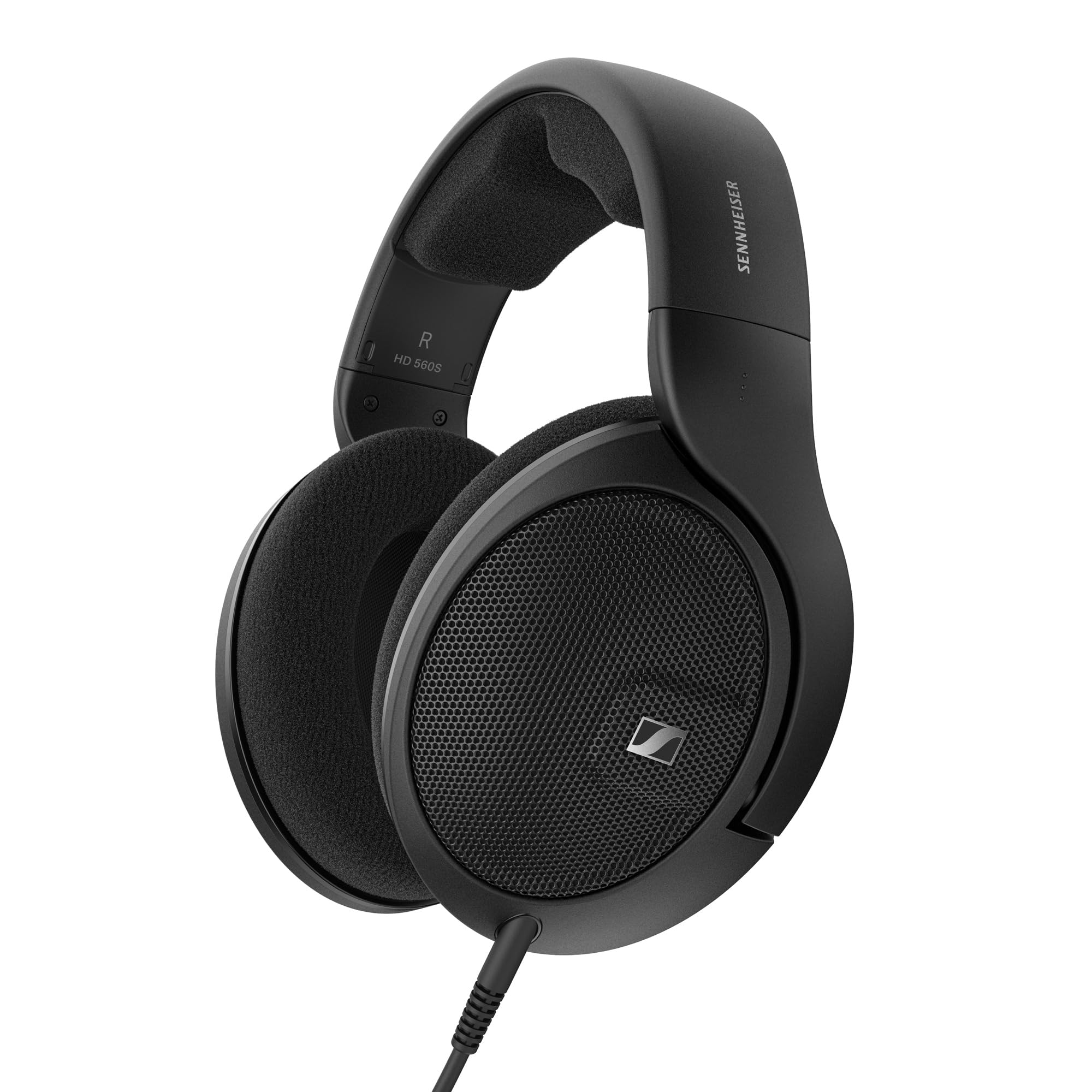
Sennheiser HD 560S

91 /100
Sound Score Outstanding

Key details

Impedance
120 ohm
Driver Type
Dynamic, angled
Acoustic Design
Open-back
Cable And Parts
Detachable 6.35mm
View on Amazon

Analytical transparency and wide staging at 120 ohms make the HD 560S a practical desktop tool: it runs cleanly from a modest interface or portable amp, while the 300-ohm Sennheiser reference needs a more serious amplifier to open up. That lower impedance removes the usual entry barrier for neutral open-back listening.

Imaging stays locked through dense mixes, and the neutral balance exposes level changes and edit mistakes rather than flattering them. The 240g frame stays light over long sessions, and the detachable 6.35mm cable with a 3.5mm adapter makes it simple to switch between a DAC and a laptop. For positional work, the angled drivers keep the center image stable and the stereo width feels wider than the shell suggests.

This is the right pick for a desktop listener or creator who wants open-back detail for a mid-range price and doesn't want to invest in dedicated high-power amplification. The clamp starts firm and the earpads need time to soften, so anyone sensitive to headband pressure should treat the initial fit as part of the ownership experience.

The HD 560S stops short of the top pick in two ways: the midrange is leaner, and the shell is light plastic rather than a denser material. As a desk-bound neutral tool, that tradeoff is easy to live with, especially when you are hearing deep into a mix without spending on a separate headphone amp.

💡 If the initial clamp feels tight, leaving the headphones stretched over a stack of books for a day or two can speed up pad softening.

Pros

  • Neutral, crisp tuning with clear separation and accurate imaging for critical listening.
  • Delivers high-end detail retrieval at a mid-range price.
  • Suits music production and critical listening with a balanced, transparent signature.

Cons

  • Plastic shell can creak when handled, which weakens the premium feel.
  • Earpads start stiff and need time before they conform to your head.
  • Firm clamp pressure may bother glasses wearers or larger head shapes at first.
Our verdict

A neutral analytical open-back for budget-minded critical listeners who want high-resolution imaging without a steep amplifier bill.

Check Latest Price
4

Most Immersive Open-Back

Philips Fidelio X2HR

93 /100
Sound Score Outstanding

Key details

Impedance
30 ohm
Driver Type
50mm neodymium
Acoustic Design
Open-back
Cable And Parts
Detachable 3m OFC
View on Amazon

The 50mm drivers and self-adjusting hammock give the X2HR the widest, most enveloping open-back presentation in this set, with a warm tilt that favors atmosphere over analytical precision. Where the reference open-back in this article stays neutral, the Philips leans into low-end weight and a smooth upper register, so music and film audio feel colorful rather than dissected.

Memory foam velour pads and low clamp pressure make long listening sessions easy, and the build uses metal yokes and a plush headband that feel more expensive than the mid-range price would suggest. The detachable 3m cable with 3.5 and 6.3mm terminations adds convenience, while the 30-ohm impedance lets phones and laptops drive it to reasonable levels without an amp.

This is for listeners who want a fun, wide open-back for critical listening, gaming, and movie nights without chasing reference neutrality. If you need analytical neutrality, the warm voicing will get in the way. Durability can vary; yoke or plastic cylinder cracking has been noted after months of heavy use, so keep the X2HR as a desk-only pair and handle it with care.

Pros

  • Warm, well-balanced sound with bass weight that suits movies, games, and most music
  • Memory foam velour pads and self-adjusting hammock make all-day wear easy
  • Metal yokes and plush headband give a premium feel for a mid-range price
  • Wide soundstage and clear imaging help with gaming and movie immersion

Cons

  • Reference-neutral purists will find the warm tilt too colored for critical comparison
  • In shared quiet rooms or on a commute, sound passes both ways; a solitary desk is the right setting
Our verdict

Warmth and scale at a practical price, for listeners who prefer immersion over neutrality.

Check Latest Price
5

Best Closed-Back Value

FiiO FT1

87 /100
Sound Score Excellent

Key details

Impedance
32 ohm
Driver Type
50mm nano-fibre
Acoustic Design
Closed-back
Cable And Parts
Detachable 3.5/4.4mm
View on Amazon

The FiiO FT1 is the closed-back value pick in this set, pairing a 50mm wood-fibre driver with real wood cups and a 4.4mm balanced output. It delivers closed-back isolation without the thin, boxy low end that can accompany that design, and it does so at a mid-range price that undercuts most rivals with similar build materials. The included 4.4mm balanced cable option adds flexibility for desktop listeners.

Bass stays deep and controlled, mids remain clear, and the overall voicing is warm rather than analytical. The soft earpads and steady clamp support multi-hour listening, while the wood cups give the package a visual warmth that fits a home desk more than a backpack. Treble is smooth enough for extended critical sessions, and the 32-ohm impedance keeps it compatible with modest sources.

This is for critical listeners in shared rooms who need to keep sound contained but still want a musical, full-bodied presentation. It is best treated as a desk pair: swivel and headband durability can vary between units, so gentle handling is part of the ownership experience. If your routine includes tossing headphones into a bag, this is not the pair to treat that way.

💡 If you have a balanced amp, the 4.4mm input is the cleaner path; the 3.5mm cable is serviceable.

Pros

  • Warm, musical voicing with strong bass and clear mids
  • Solid wood-and-metal build reads as more expensive than the price
  • Soft earpads keep long sessions comfortable

Cons

  • Closed-back housing keeps the stage more contained than open-back rivals.
  • Stock cables can be stiff and microphonic; a replacement cable removes the issue.
Our verdict

For a listener who needs closed-back isolation in a shared space, the FT1 delivers warm, wood-acoustic character without demanding a high-end amp.

Check Latest Price
6

Studio Open-Back

beyerdynamic DT 990 Pro X

86 /100
Sound Score Excellent

Key details

Impedance
48 ohm
Driver Type
STELLAR.45 dynamic
Acoustic Design
Open-back
Cable And Parts
Detachable mini-XLR
View on Amazon

Lowering the classic 250-ohm DT990 design to 48 ohms makes this open-back easier to drive from laptops, audio interfaces, and other everyday sources while keeping the same crisp, wide presentation and replaceable velour pads. The German-built housing and detachable mini-XLR cable add practical longevity for everyday studio use. Treble can fatigue sensitive listeners, and comfort is polarizing, so the DT990 Pro X is best treated as a specific analytical studio tool rather than an all-rounder. That combination makes it a practical daily alternative to the 250-ohm original.

Pros

  • Crisp, detailed staging with strong separation suits studio tracking and critical listening.
  • Detachable mini-XLR cable and serviceable German construction hold up in daily studio use.
  • 48-ohm impedance keeps the bright DT990 tuning usable without a powerful dedicated amplifier.

Cons

  • Clamp and velour fit are head-shape dependent, so comfort is not universal.
  • Not a neutral flat monitor; the bright analytical voicing is a stylistic choice.
Our verdict

For studio and editing work where bright, analytical treble is an asset and a headphone amp isn't guaranteed, the DT990 Pro X is a practical, lower-impedance take on the classic DT990 formula.

Check Latest Price
7

Competitive Positional Audio

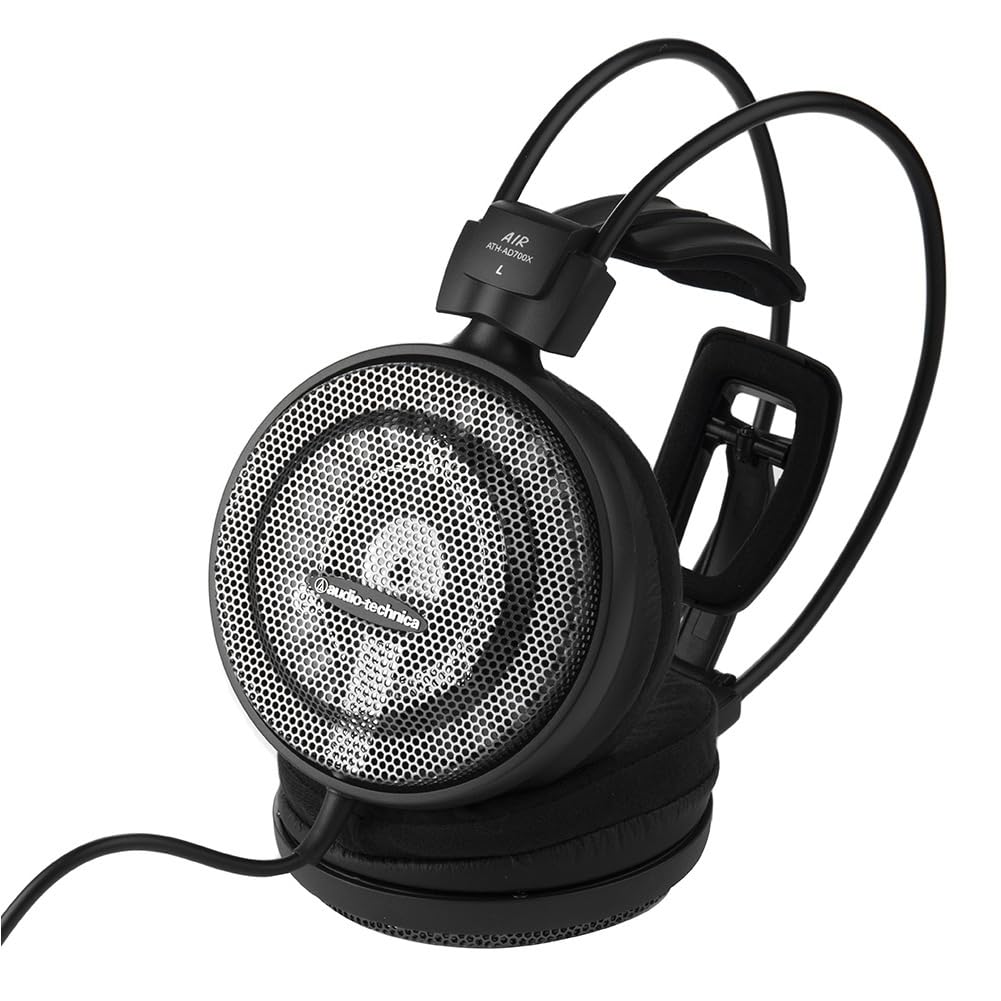
Audio-Technica ATH-AD700X

88 /100
Sound Score Excellent

Key details

Impedance
38 ohm
Driver Type
53mm dynamic
Acoustic Design
Open-air
Cable And Parts
Detachable 3.5mm
View on Amazon

The 53mm drivers and 3D Wing Support deliver a remarkably open, airy stage with precise imaging, and the light frame keeps long listening sessions comfortable. For critical music listening, the tuning is transparent and weightless rather than warm; bass-heavy recordings lack low-end body. The 3D Wing fit is heavily dependent on head shape — some listeners will find it pressure-free, while others may need to reposition the wings or feel them press. That makes it a specialist for positional audio and airy acoustic content rather than an all-rounder.

Pros

  • Airy, clear imaging with precise placement across the stereo field.
  • Cost-effective introduction to open-air sound without extra amplification.
  • Light frame and breathable open-air pads keep long sessions comfortable.

Cons

  • Open-air design lets sound in and out, so shared rooms will hear your music.
  • Long-term wear can surface in the cable and frame after years of heavy use.
Our verdict

For a dedicated listening setup where positional accuracy and open-air texture are the priority, this is a purposeful specialist.

Check Latest Price
8

Planar Budget Listening

HIFIMAN Edition XS

83 /100
Sound Score Excellent

Key details

Impedance
18 ohm
Driver Type
Planar magnetic
Acoustic Design
Open-back
Cable And Parts
Detachable 3.5mm
View on Amazon

Planar magnetic drivers give the Edition XS a level of detail, staging, and bass reach that stands out at its price. The headband is large and low-clamp, so average or smaller heads may not get a secure seat; larger heads and listeners who prefer minimal clamp will be fine. Individual units can also present driver or connection issues, so a return-friendly purchase is sensible. That combination of fit and QC variance is why it sits behind the wired dynamics for critical listening.

Pros

  • Planar detail, a wide open stage, and deep bass extension make the sound engaging for critical music listening.
  • Delivers high-end planar-style performance at a mid-range price.

Cons

  • Materials can feel cheaper than the price implies, with pleather and plastic on the headband.
Our verdict

For planar enthusiasts chasing high-end detail on a budget, the Edition XS is the value pick among open-back alternatives.

Check Latest Price
9

Luxury Wireless Travel

Bowers & Wilkins Px8 S2

88 /100
Sound Score Excellent

Key details

Impedance
Driver Type
40mm carbon cone
Acoustic Design
Closed-back
Cable And Parts
Bluetooth, USB-C, 3.5mm
View on Amazon

The Px8 S2 combines 40mm carbon-cone drivers with Nappa leather and an aluminum frame, delivering closed-back wireless sound with rare clarity and musical flow. Adaptive ANC keeps cabin noise in check without smearing the music, so frequent travelers who want ANC without losing tone will find it a good match. The premium price is luxury territory, and value-focused wired open-backs offer more raw fidelity per dollar. The ear cushions hold up through long flights, and aptX Adaptive support keeps the wireless link stable.

Pros

  • Carbon-cone drivers deliver reference-level wireless clarity with natural separation.
  • Nappa leather and aluminum frame give the build a premium feel.
  • Comfort holds up through long listening sessions, with well-balanced weight and soft pads.

Cons

  • ANC is good but not class-leading; Bose and Sony cancel more in loud cabins.
Our verdict

For travelers who rank musicality over silence and value premium materials, the Px8 S2 is the wireless closed-back to consider.

Check Latest Price

How to Choose

Open-Back vs Closed-Back

Open-back headphones vent the rear of the driver into the room. That vent releases pressure and creates the wide, airy soundstage the category is known for, but it works in both directions: music leaks out and room noise leaks in.

Closed-back cups seal the driver and reinforce bass, but the stage feels smaller and the earcups run warmer. Shared spaces call for closed-back; a quiet room rewards open-back.

Impedance and Amps

Impedance tells you how much voltage a headphone needs from an amplifier. A 300-ohm dynamic driver will not reach its full excursion from a phone or laptop, so it sounds quiet, thin, and lacking in bass until it gets power.

Low-impedance models in the 18-50 ohm range are easier to drive, but they can expose hiss from a noisy source. Match impedance to the source you already own; if your amplifier is modest, 32-50 ohm is the lower-risk choice.

Driver Type

Dynamic drivers use a voice coil in a magnetic gap to move a cone; they are efficient and usually deliver a punchy low end. Planar drivers use a thin diaphragm spread between magnets, which reacts more uniformly and can sound quicker and more detailed.

That uniform movement does not automatically make a planar headphone 'better.' It changes bass attack and layering, and planar models tend to be heavier and need more voltage.

Comfort, Clamp, and Weight

Clamp force determines how a headphone's weight is distributed. Too little clamp and the pair shifts when you move; too much clamp and pressure points appear around the jaw or ears within an hour.

Headband geometry matters as much as weight. A large, round headband with low clamp suits a bigger head; a smaller listener needs more top-of-head contact to prevent sliding.

Cables and Replacement Parts

Cables fail from repeated bending, yanking, and wrapping. A detachable cable turns that repair into a simple replacement; a fixed cable turns it into a soldering job or a new headphone.

Pad wear follows the same logic; velour and leather pads compress over time, so models with standard replacement pads last longer. Look for a connector at the earcup rather than a hardwired exit.

Frequently Asked Questions