9 Best Open-Ear Headphones in 2026: Match Your Fit and Sound

Find open-ear earbuds and bone-conduction headphones that fit your ear shape, activity, and daily use without closing off your surroundings.

Open-ear headphones solve one problem that in-ear buds cannot: they keep your ear canal open, so you stay aware of traffic, conversations, and your surroundings while listening. But the category splits into two very different designs. Earhook and clip-on models use small air-conduction drivers aimed at your ear canal, while neckband bone-conduction models vibrate sound through your cheekbones. That choice matters more than price when you are deciding which pair will actually stay put and sound good to you.

Battery marketing makes the decision harder. Listings advertise extreme numbers like 80 hours of total playtime, but that figure includes multiple recharges from the charging case. A 10-hour single-charge rating with a 40-hour case is a different daily experience than a 12-hour neckband that cannot be recharged from a case at all. The real trade-off is between true-wireless convenience with a case and the stability that a neckband adds during hard runs.

A secure fit, per-charge battery life, and water resistance are the details that determine whether an open-ear pair becomes your everyday listening tool or stays in a drawer. The picks in this guide match those specs to specific use cases, so you can choose based on when and where you will actually wear them.

About the Sound Score: This comparative score is calculated from a product's published customer rating and review volume. It is not a laboratory measurement or a hands-on test result.

1

Best Overall

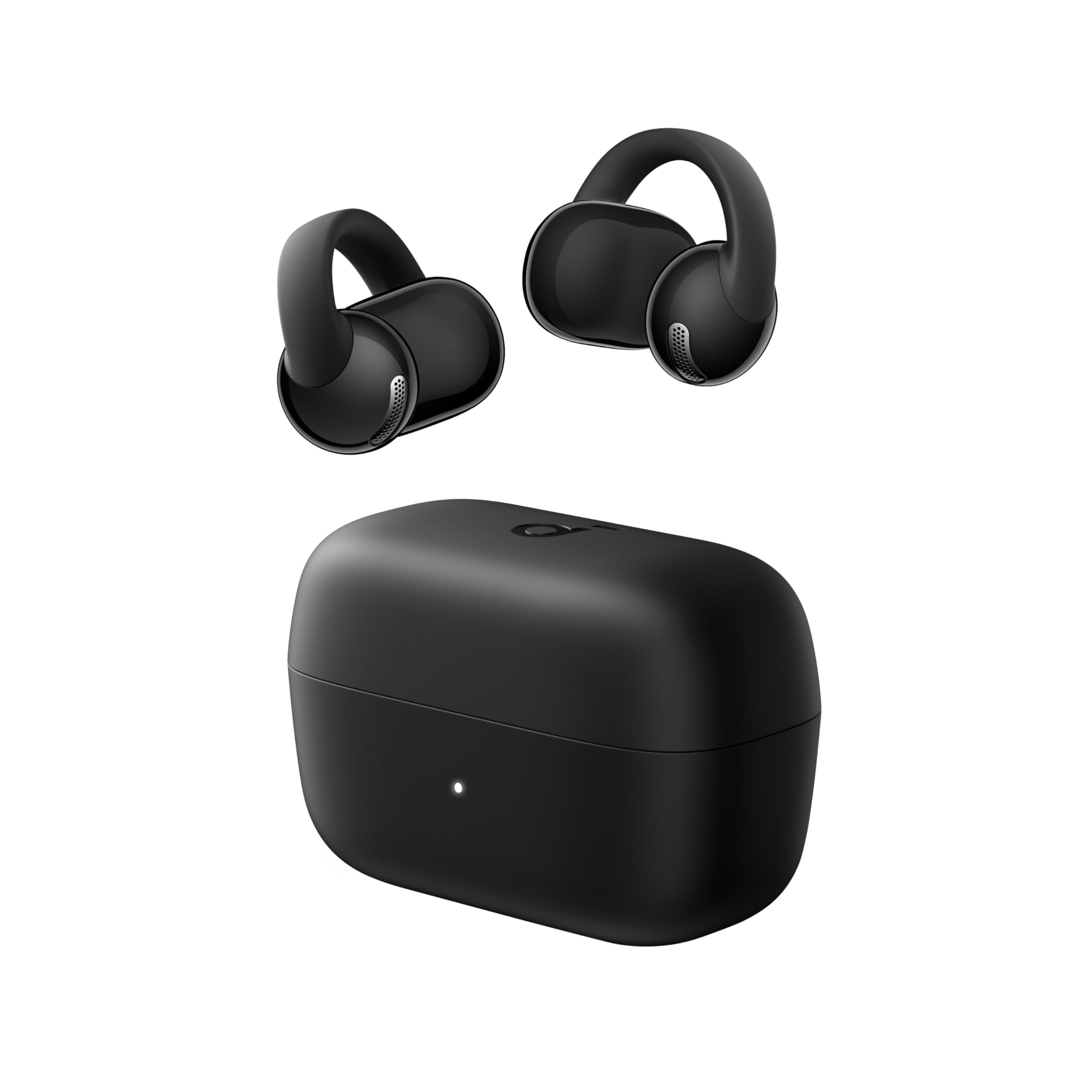
Soundcore V20i

89 /100
Sound Score Excellent

Key details

Bluetooth
5.4
Form Factor
Open-ear earhook
Water Resistance
IP55
Battery Per Charge
8 hours
View on Amazon

The V20i is a budget open-ear set that treats fit as a variable instead of a guess. Its adjustable earhooks rotate and lock into place, which broadens the range of ear shapes that will get a stable hold. The 16mm driver backs that up with a fuller, better-defined sound than most air-conduction earbuds at this price: bass has real presence, mids stay natural, and vocals avoid the hollow, distant tone that makes cheaper open models hard to follow through podcasts and calls.

The four-microphone setup is another surprise. Calls from sidewalks and public transit come through with the speaker's voice in front and background rumble pushed back, which puts the V20i ahead of budget competitors that sound thin and washed out. Bluetooth 5.4 pairs quickly and supports multipoint, so moving between a laptop and phone is a quick switch rather than a forget-and-repair routine.

Battery life sits around eight hours per charge, with another 28 hours in the case for a combined 36-hour total before the case needs a wall outlet. Quick charging tops the earbuds up between trips, and a full case charge covers a workweek of two-hour commutes without anxiety. That's a meaningful step up from older six-hour open-ear designs.

The IP55 rating covers rain and sweat, so the V20i can handle a cycling commute or a gym session without special treatment. The Soundcore app adds EQ adjustments, which is useful when you want voice-forward tuning for calls or a bit more low-end for music. The app also saves custom EQ presets, so switching between music and podcasts takes a tap rather than a trip back into settings.

Unlike bone-conduction neckbands in this roundup, the V20i uses air conduction through small drivers aimed at the ear canal. That keeps ears fully open while delivering more low-end than a bone transducer can manage, and it avoids a neckband running behind your head. If you want true-wireless independence with ambient awareness, this is the more practical architecture.

This is for commuters, cyclists, and all-day wearers who want situational awareness without ear canal pressure, plus anyone whose ears need an adjustable hook instead of a fixed shape. Bass purists, ANC shoppers, and buyers who expect sealed isolation should look at the closed in-ear options in this roundup.

Pros

  • Full, resonant open-ear sound with bass weight that rivals pricier air-conduction sets.
  • Adjustable hooks create a secure, personalized fit for more ear shapes than fixed-hook open earbuds.
  • Eight-hour battery plus quick charging covers long commutes, with a case that stretches total runtime to 36 hours.
  • Bluetooth 5.4 pairs quickly and supports multipoint for phone-to-laptop switching.
  • Four-microphone call handling keeps conversations clear in street-level conditions.

Cons

  • Top volume leaves little headroom on very busy streets or gym floors, so background noise can mask the mix.
  • Individual units can show charging-case or single-side audio quirks, so testing both earbuds and the case early is sensible.
Our verdict

The V20i brings adjustable fit, fuller open-ear sound, and call quality that outclasses its price bracket, which makes it the practical starting point for everyday open-ear buyers.

Check Latest Price
2

Best Bone Conduction for Outdoor Sports

SHOKZ OpenRun Pro 2

89 /100
Sound Score Excellent

Key details

Bluetooth
5.3
Form Factor
Bone conduction neckband
Water Resistance
IP55
Battery Per Charge
12 hours
View on Amazon

The OpenRun Pro 2's DualPitch driver pairs bone conduction with an air-conduction transducer, so low-end response has more weight than older Shokz neckbands while the ear canals stay fully open. It is the outdoor-athlete alternative to the true-wireless OpenFit 2: the fixed neckband stays anchored through hard efforts and quick turns, and the controls stay within reach.

At 30.3 grams, the frame is easy to forget on long runs, and the IP55 rating handles sweat and light rain. The wrap-around shape stays put during intervals and hard cornering, so there is no mid-run adjustment. Battery life is rated at 12 hours, with fast charging for quick top-ups between sessions; Bluetooth 5.3 keeps the connection stable when your phone is tucked in a running belt or jersey pocket.

This is for serious runners and cyclists who treat traffic and trail noise as useful information. The honest tradeoffs: bone conduction still gives up low-end punch and max volume compared with good air-conduction earhooks, and the fixed neckband may feel loose on smaller heads. If your priority is true-wireless portability or sealed-in bass, the OpenFit 2 or a conventional earbud is a better match.

Pros

  • DualPitch bone-plus-air conduction adds low-end weight without covering the ears.
  • The 30.3g frame feels solid and well finished from the first wear.
  • Long sessions stay comfortable because the chassis is light and pressure-free.
  • 12-hour battery and fast charging cover a full week of training.

Cons

  • On smaller heads, the fixed neckband can sit loose enough to shift during a run.
  • In a noisy street or gym, the open-ear design lets outside sound compete with your audio more than an earhook would.
Our verdict

For committed outdoor athletes, the premium price buys a stable, long-lasting open-ear headset that keeps ambient awareness front and center; casual listeners who want a true-wireless case or in-ear bass should look at the earhooks in this roundup instead.

Check Latest Price
3

Best Premium Earhooks for All-Day Wear

SHOKZ OpenFit 2

89 /100
Sound Score Excellent

Key details

Bluetooth
5.4
Form Factor
Open-ear earhook
Water Resistance
IP55
Battery Per Charge
11 hours
View on Amazon

The OpenFit 2 is the true-wireless earhook in Shokz's lineup, and its hybrid dual-driver sound sets it apart from the neckband bone-conduction models in this comparison. Bass has real weight, while the open-ear fit keeps surrounding sound present. Multipoint Bluetooth and physical buttons round out a package aimed at desk-to-gym use. It covers more daily scenarios than a trail-focused bone-conduction neckband, without giving up Shokz's open-ear awareness.

Multipoint pairing moves between a laptop and phone without diving into settings, and the physical buttons are useful when hands are sweaty or gloved. The charging case tops up quickly, and the 48-hour total battery means a typical workweek rarely ends with a dead case. The build feels sturdy enough for regular bag carry, and the included pouch adds a small layer of protection. An IP55 rating also covers sweat and light rain, so normal gym sessions or an outdoor walk won't need careful management.

This is the set for one-device office-and-gym use. The hook-style fit works for a wide range of ear shapes, and the sound signature favors bass weight without pushing out conversation or traffic noise. People who expect noise cancellation or prefer a neckband for trail-running stability should look to the dedicated alternatives in this roundup.

Pros

  • Hybrid dual drivers deliver deeper bass than typical open-ear models.
  • Comfortable for full-day wear; light enough to forget during meetings.
  • Physical buttons and multipoint Bluetooth make device switching direct.
  • The case extends total playtime to 48 hours with quick top-ups.

Cons

  • Earhook can shift during intense gym movements on some ear shapes.
  • Controls or charging can behave inconsistently on individual units.
Our verdict

For office and gym wear, this is the Shokz true-wireless set that balances bass weight, multipoint flexibility, and all-day comfort without going the neckband route.

Check Latest Price
4

Best Clip-On Value

TOZO OpenEarRing

89 /100
Sound Score Excellent

Key details

Bluetooth
5.4
Form Factor
Clip-on true wireless
Water Resistance
IPX5
Battery Per Charge
10 hours
View on Amazon

At 5.1g per bud, the OpenEarRing is among the lightest clip-ons in this roundup, and it delivers clear open-ear audio without the hook pressure of adjustable earhooks. The skin-friendly silicone and open design keep your ears aware of surroundings, while the LED case makes the 40-hour total battery easy to track. For the price, this is a lot of everyday functionality in a tiny package.

Glasses wearers and all-day users who find earhooks annoying will appreciate how the clip tucks behind the ear without pressing on frames. That fixed clip is also the main boundary: small or unusually shaped ears may feel pinched, so fit approval is important before committing. Long-term durability varies between units, with some buds developing charging or connectivity quirks after months of use.

Battery performance delivers roughly 10 hours per charge, and the case display removes guesswork about remaining power. Sound quality is fuller than bone-conduction neckbands, though the top pick's larger driver still pulls ahead in bass weight and volume. As a budget open-ear option, the OpenEarRing focuses on comfort and convenience rather than maximum audio output.

Pros

  • Featherlight 5.1g design stays comfortable under glasses and keeps ears open.
  • Clear audio with strong listener satisfaction in an ultra-light clip-on.
  • Secure fit for typical ears, with a low-pressure clip that stays put during movement.
  • Long battery life with a case that shows charge status.

Cons

  • Fixed clip can feel pinching on small or unusual ear shapes.
  • Charging or connectivity can become inconsistent across units over time.
Our verdict

The OpenEarRing is the budget clip-on to consider when featherlight comfort and glasses compatibility matter more than adjustable hooks or maximum bass.

Check Latest Price
5

Best Budget Earhook with IPX6

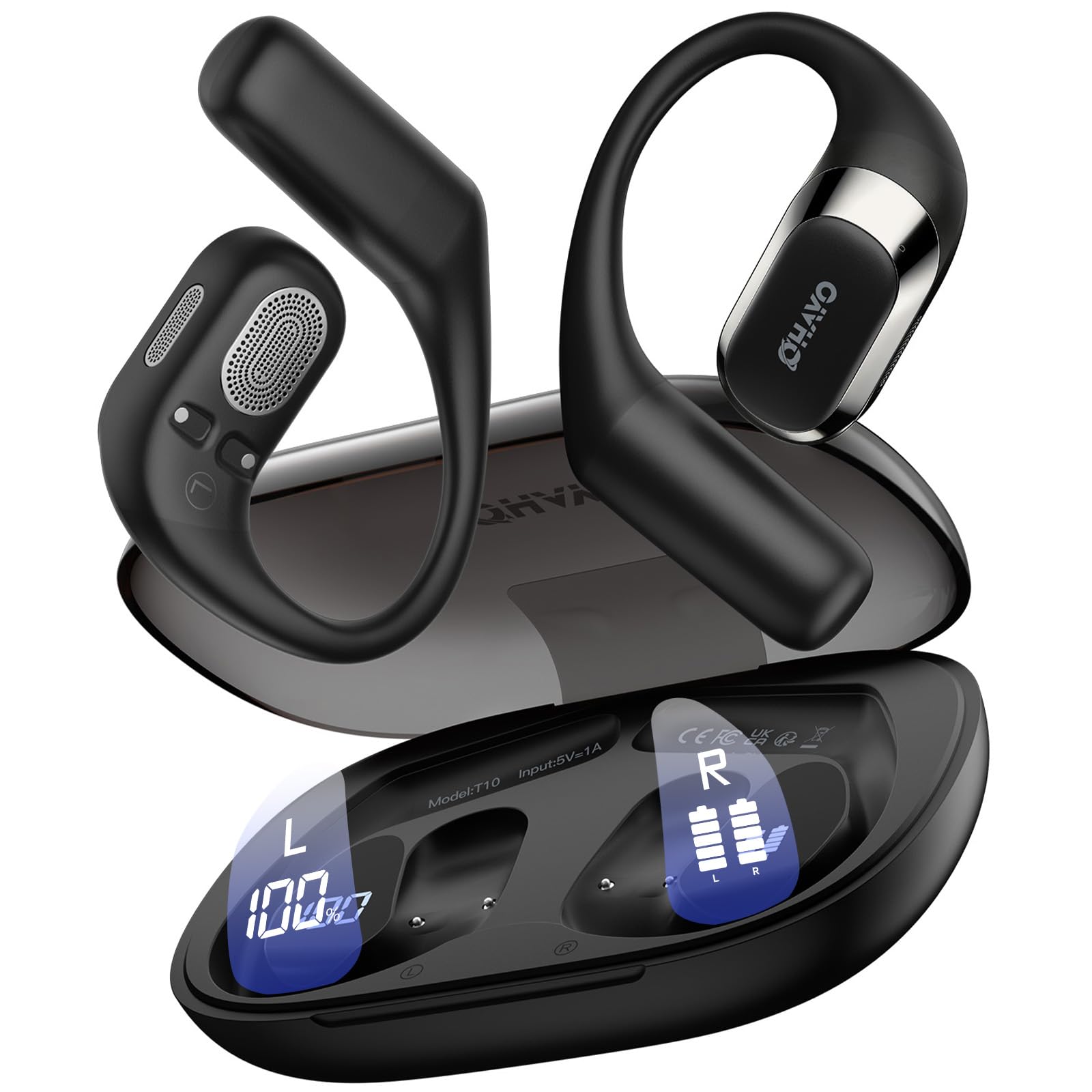
OHAYO T10 Open-Ear

87 /100
Sound Score Excellent

Key details

Bluetooth
5.4
Form Factor
Open-ear earhook
Water Resistance
IPX6
Battery Per Charge
10 hours
View on Amazon

The OHAYO T10 pairs IPX6 sweat protection with 15mm drivers and a combined 40-hour case-included battery, all at a budget price. Open-ear earhooks deliver fuller bass than bone-conduction neckbands while keeping ears clear enough to hear traffic and gym surroundings.

Sound stays balanced at moderate volumes, with enough low end to make workouts feel energetic without sacrificing vocal clarity. Earhooks hold position through running and strength sets while staying comfortable over longer sessions. Touch controls cover playback and phone calls, and the case's digital readout removes charging guesswork for gym bags and commutes.

This is the budget-friendly set for gym-goers and outdoor runners who want secure, water-resistant open-ear audio with a simple sports focus. It is not for very loud environments where high output is required, and battery consistency can vary after months of regular charging. Neither boundary undercuts its intended role as a daily workout companion.

Pros

  • Balanced highs and bass with strong detail for a budget open-ear set.
  • Secure earhooks keep the earbuds in place through running and strength workouts.
  • Charging case adds a digital display and extends total playtime to roughly 40 hours.
  • Comfortable fit for extended wear with low ear fatigue.

Cons

  • Battery life consistency can vary between units after months of regular charging.
  • In very loud streets or gyms, maximum output may not be enough to overcome background noise.
Our verdict

For sweaty gym sessions and open-air runs, the T10 delivers the core open-ear package — IPX6, secure earhooks, and a helpful display case — without leaving the budget tier.

Check Latest Price
6

Secure Clip-On

Soundcore C50i Clip

86 /100
Sound Score Excellent

Key details

Bluetooth
6.0
Form Factor
Clip-on true wireless
Water Resistance
IP55
Battery Per Charge
8 hours
View on Amazon

Physical buttons, 12mm drivers, and Soundcore app EQ make this a practical clip-on for gym use. The fixed clip stays put through running and workouts, and the app adds useful tonal shaping. The 12mm drivers give the open-ear format more bass weight than bone-conduction neckbands. Occasional Bluetooth dropouts during workouts keep it below the adjustable-hook all-rounder in this open-ear set, which matters for buyers who expect flawless connectivity in crowded wireless environments. Gym-goers who want a locked-in fit and tactile controls should still weigh it heavily.

Pros

  • Clear, punchy audio that holds up well for a clip-on design.
  • Comfortable enough to forget during wear, with no ear fatigue.
  • Secure fit that stays in place for running and workouts.

Cons

  • The fixed clip won't accommodate ears that need adjustable hook positioning.
  • Battery performance can vary between units, so per-charge runtime isn't guaranteed.
Our verdict

For gym-goers who prioritize a secure clip-on, physical buttons, and app EQ over adjustable hooks, this is the budget-friendly open-ear option.

Check Latest Price
7

Budget Bone Conduction

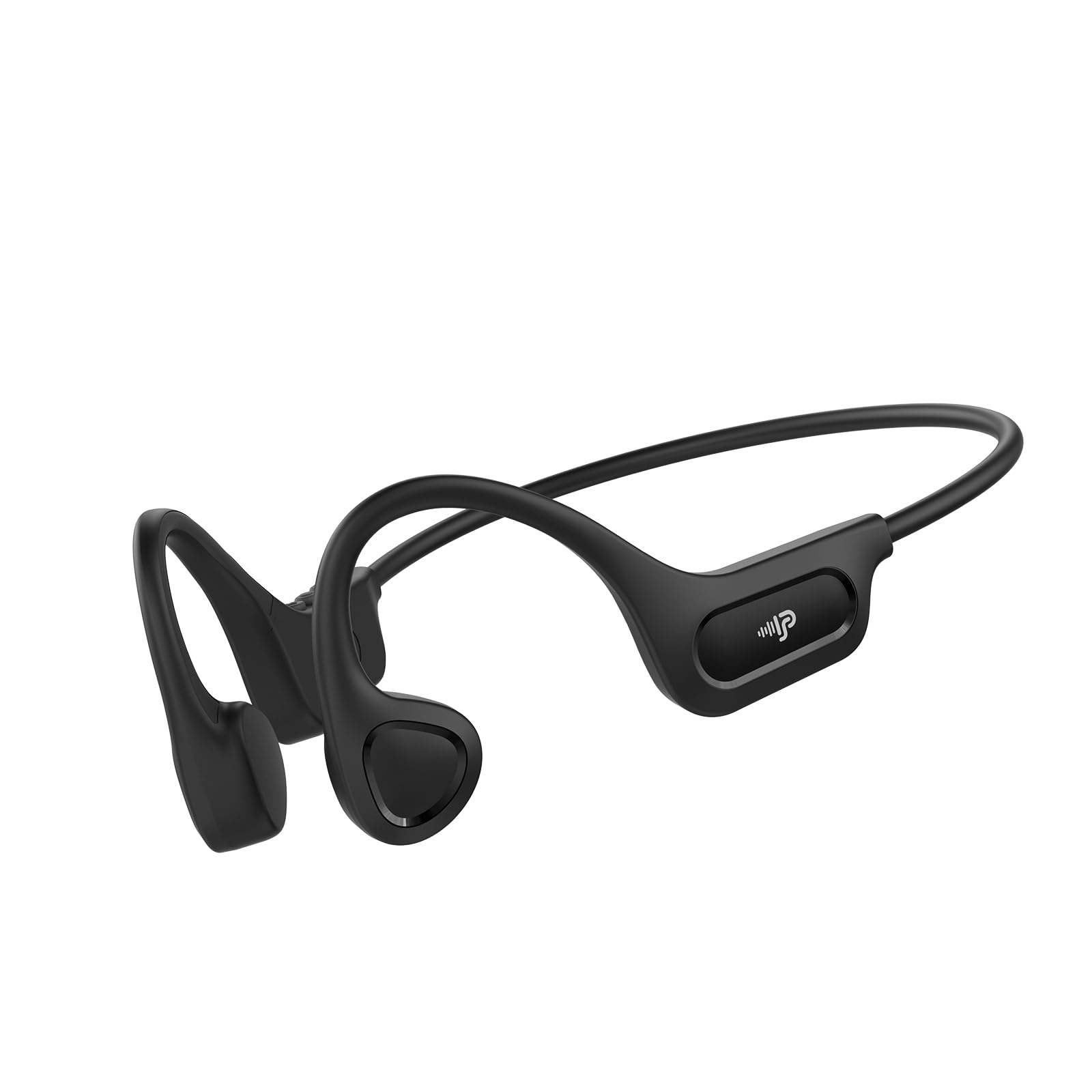
PSIER X23 Bone Conduction

83 /100
Sound Score Excellent

Key details

Bluetooth
6.0
Form Factor
Bone conduction neckband
Water Resistance
IPX5
Battery Per Charge
10 hours
View on Amazon

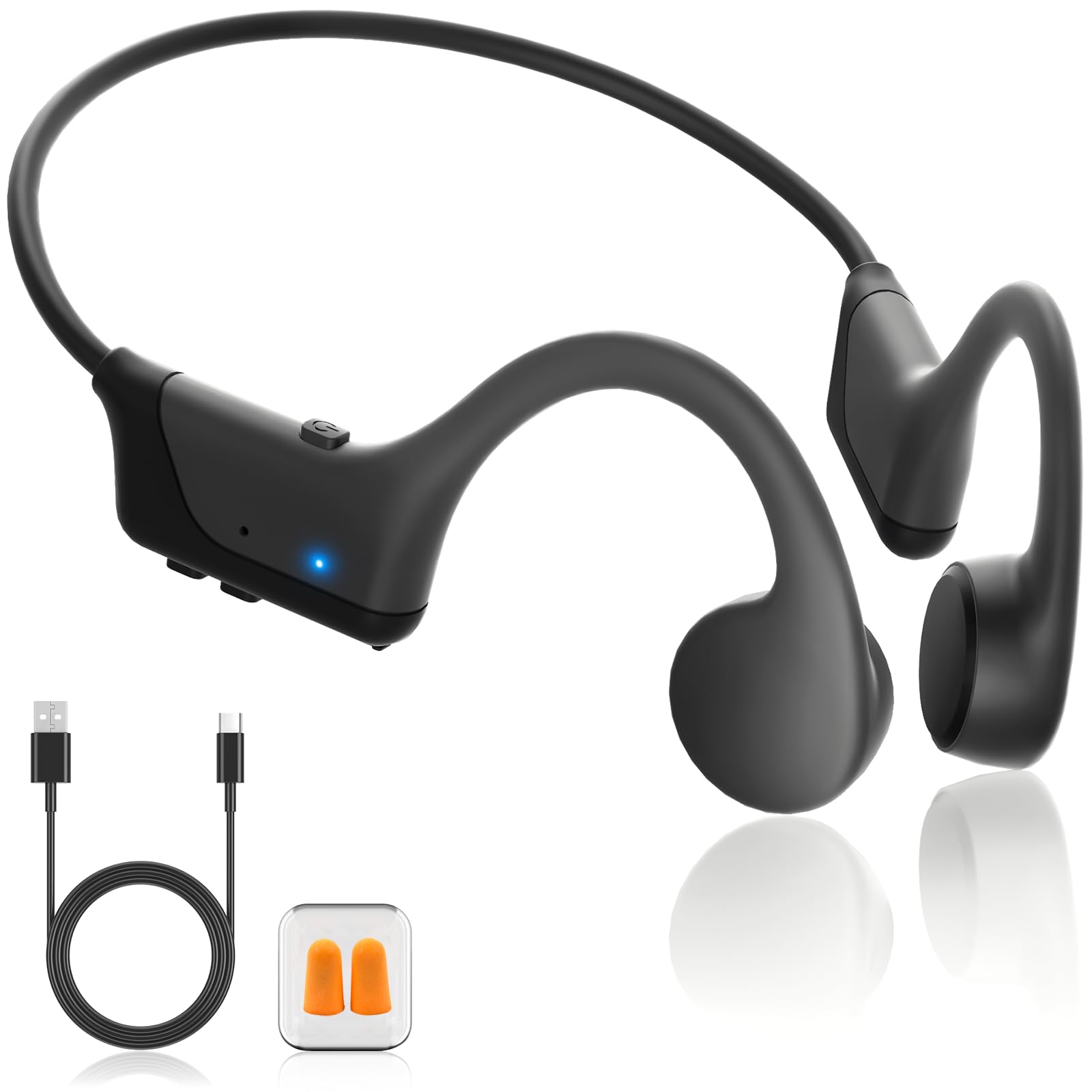
The X23 gets the fundamentals right for a budget bone-conduction entry: clear audio, long battery life, and a secure 23g fit. Open-ear awareness stays strong, so runners and hikers can keep traffic and surroundings audible while the music plays.

The control implementation is what keeps it below the premium bone-conduction neckband in this roundup. That places the X23 as the low-cost way to explore bone conduction before deciding whether to move up in price.

Pros

  • Clear bone-conduction audio at a budget-friendly level.
  • Long battery life with quick charging; holds up for days of commuting.
  • Secure 23g fit that stays in place during runs and hikes.

Cons

  • Bass depth is modest next to air-conduction earhooks, so bass-heavy playlists have less weight.
  • Physical buttons can beep or change volume without direct input when brushed.
Our verdict

The X23 works best as a low-cost bone-conduction test for runners and hikers who prioritize a light neckband and outdoor awareness over sound customization.

Check Latest Price
8

First-Time Budget

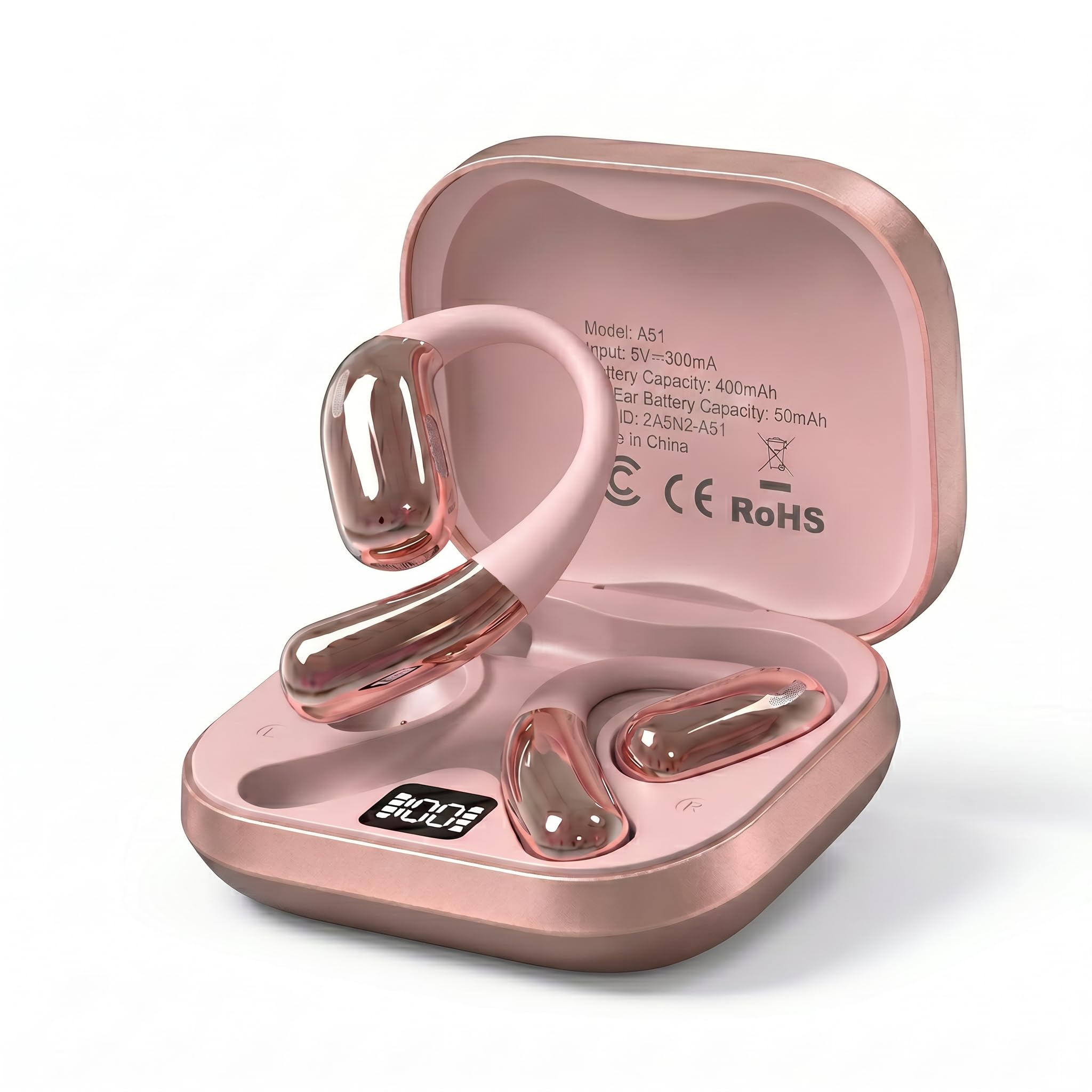
Tuemvia Open-Ear

89 /100
Sound Score Excellent

Key details

Bluetooth
5.0
Form Factor
Open-ear earhook
Water Resistance
Sweat-resistant
Battery Per Charge
35 hours
View on Amazon

A helpful battery display on the charging case and a comfortable earhook shape make the Tuemvia Open-Ear an easy entry point for open-ear listening on a strict budget. Sound stays clear while leaving ears open to traffic or office chatter, and the earhook holds its position during light movement and commutes. Battery life from the case covers a full work week for lighter use. Bluetooth 5.0 puts it behind the adjustable all-rounder in this roundup for buyers who want modern connectivity, so it stays a secondary budget choice rather than a feature-forward pick.

Pros

  • Open-ear sound keeps you aware of your surroundings while still delivering clear audio.
  • Earhook stays secure during light workouts and commutes.
  • Case display shows charge status at a glance.

Cons

  • Phone mics handle quiet calls but not noisy environments or heavy call use.
  • Power-on can become inconsistent after about a month of use.
Our verdict

The Tuemvia fits first-time open-ear buyers who want a visible battery readout and a comfortable earhook without spending much. Keep it to light workouts and commuting.

Check Latest Price
9

Budget Newcomers

Gelecek Bone Conduction

94 /100
Sound Score Outstanding

Key details

Bluetooth
5.4
Form Factor
Bone conduction neckband
Water Resistance
IPX5
Battery Per Charge
10 hours
View on Amazon

This IPX5, USB-C neckband delivers clear audio with the open-ear awareness that makes bone conduction a solid fit for outdoor walks, gardening, and commutes. The 29g frame is light enough to forget, the 10-hour battery covers full workdays between charges, and pairing is fast and stable.

The main boundary is durability: how this model stands up to months of intensive daily training is not yet established, and the charging circuit is a similar unknown, so the entry price is best framed as a low-risk introduction to bone conduction rather than a long-term training companion.

Pros

  • Clear sound with strong open-ear awareness
  • Lightweight 29g frame stays comfortable during light workouts
  • Fast, stable Bluetooth pairing

Cons

  • The product title says Bluetooth 6.0, while the spec sheet lists 5.4
  • Bass response is modest compared with air-conduction earhooks
Our verdict

Walkers, gardeners, and first-time open-ear buyers get clear audio, lightweight comfort, and a budget entry point — provided the routine stays light-to-moderate rather than intensive training.

Check Latest Price

How to Choose

Form Factor

Earhook and clip-on models place a small speaker near your ear canal without sealing it, which gives them a more natural sound signature with better bass. Bone-conduction neckbands rest on your cheekbones and send sound through your facial bones, leaving your ear canal completely unblocked. The physical trade-off is that bone conduction usually produces less low-end impact and lower maximum volume than air conduction.

Neckbands also add a flexible band behind your head, which can feel more stable during sprints but less convenient with helmets or certain sunglasses. Earhooks and clip-ons are easier to pop in and out, but their fit depends more heavily on your ear shape. For running on open roads, a neckband's stability and consistent driver placement matter most. For desk work, commuting, and gym circuits, an earhook or clip-on is often the more versatile companion.

Battery Life

Spec sheets advertise total playtime with the charging case, which can be two to four times the actual per-charge figure. A 40-hour total system typically means 10 hours in the earbuds plus three full case recharges. Per-charge runtime is what determines how long you can listen without finding a charger.

Earhook and clip-on true-wireless models usually offer 8 to 12 hours per charge, and neckbands typically range from 6 to 12 hours. Neckbands cannot be recharged from a case, so if you regularly listen for more than six hours consecutively, prioritize a 10+ hour rating. If you mostly listen in short bursts, case-included battery is a better measure of how many days you can go before plugging in.

Water Resistance

IP ratings describe protection against moisture, but the second digit matters more than the first. IPX4 resists splashes, IPX5 can handle sustained water jets, and IPX6 withstands heavier streams. For running in rain, IP55 or IPX6 gives useful protection; for gym sessions, IPX4 is usually enough.

Sweat can still corrode charging contacts and internal components over months of daily use, even within the rated level. A higher rating reduces the chance of early failure, but not the need to wipe down the earbuds after intense workouts. Buyers who train outdoors year-round should treat IP55 as a safe minimum and IPX6 as a worthwhile upgrade.

Call Quality

Open-ear microphone systems face extra challenges because external noise reaches the mic through the same open design that keeps your ear aware. ENC or dual-mic arrays filter wind and background noise far better than a single mic. The practical test is whether the person on the other end can understand you on a windy street, not how clearly you hear them.

Earhook and clip-on models with four-mic setups tend to handle calls better than neckbands that place the mic farther from your mouth. If you take calls while walking or commuting, look for a recognized multi-mic system and use-case feedback from other commuters rather than raw driver size. A 16mm driver does not guarantee a usable call experience.

Fit Adjustability

Open-ear fit is not one-size-fits-all. Adjustable earhooks let you shift the speaker toward your ear canal, which improves bass perception and loudness. Fixed hooks and clip-ons rely on your ear's natural shape to hold the driver in the right spot, and glasses frames can either help anchor the earbud or push it out of alignment.

The underlying issue is that two people with the same headphones can have completely different sound and comfort experiences. Clip-ons are often the best option for glasses wearers because they attach around the outer ear without pressing on temple arms. Neckbands work for most head sizes, but small heads may find the band too loose, moving the bone-conduction transducers away from the best transmission point.

Bluetooth

Bluetooth version numbers matter less than the actual protocol features. Multipoint support, which lets you connect to two devices at once, is more valuable than upgrading from 5.3 to 5.4 for most people. Codec support also affects latency and audio quality, but open-ear designs are rarely the right tool for critical listening.

Physical obstacles like pockets, bodies, and metal frames can interrupt Bluetooth even with a modern version. If you frequently use a laptop and phone simultaneously, prioritize multipoint over a higher version number. For gym use, dropouts are often caused by the phone being in a locker or bag, not by the earbud's Bluetooth chip alone.

Frequently Asked Questions