Best Overall

Philips SHP9500
Key details
- Tuning
- Neutral
- Cable Type
- Detachable
- Driver Size
- 50mm
- Clamp & Weight
- Low clamp, 0.3kg
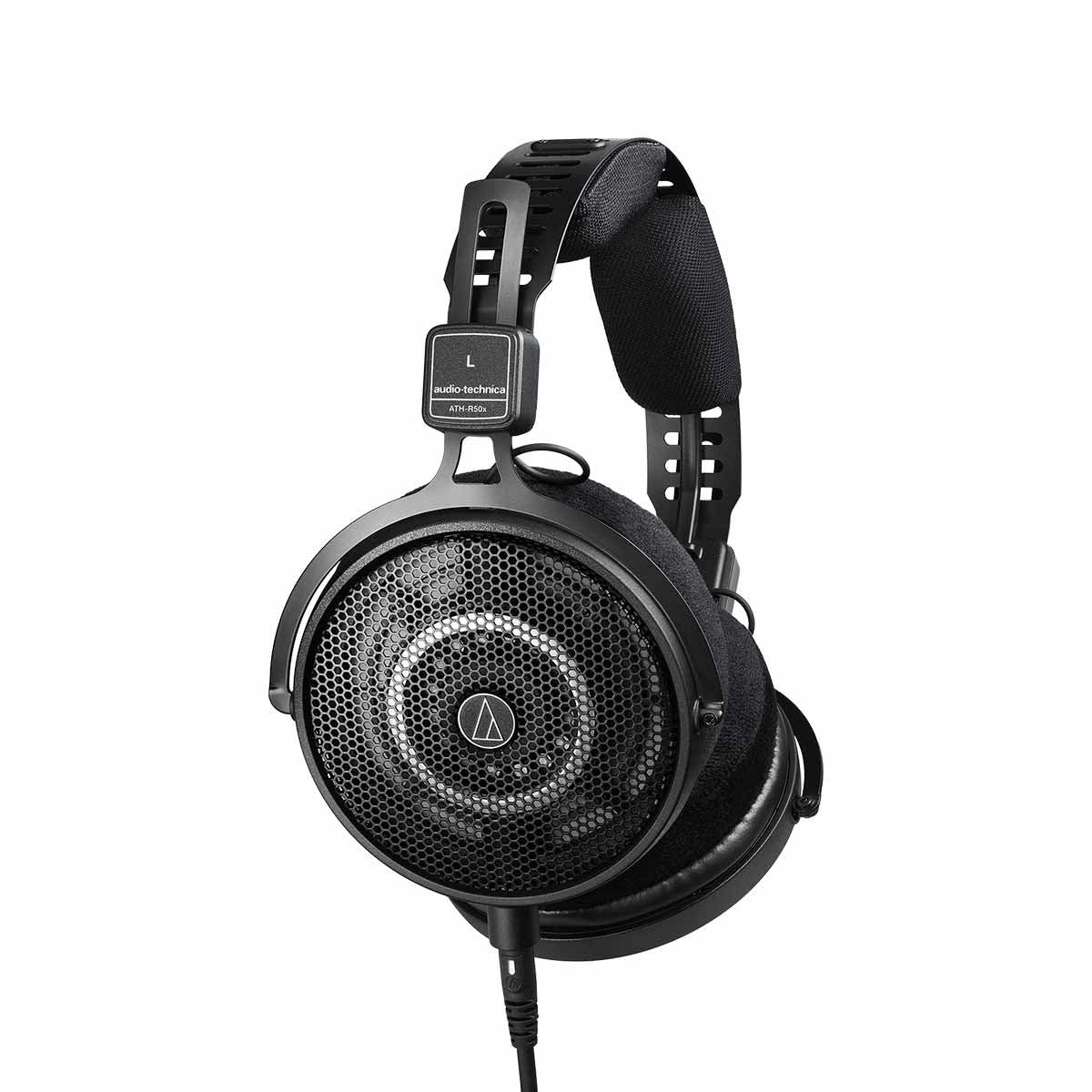
Thirty-two-ohm impedance and 50mm dynamic drivers put the SHP9500 in the rare position of being a genuine open-back that does not require a headphone amplifier. The soundstage is wide and airy, with instruments separated across a stable left-right image rather than stacked together in a single plane. The neutral-leaning tuning keeps vocals and guitar lines clear, and the treble stays controlled enough for long sessions without fatigue. Laptops, phones, and console controllers drive it to comfortable levels, so there is no amplifier investment hiding in the fine print. The 50mm drivers also handle overlapping guitar and synth parts without pushing them into each other.
That spatial clarity carries over to gaming and studio-style listening. Footsteps and directional cues sit in a stable three-dimensional space, so you can tell whether a sound comes from above, behind, or to the side. The detachable 1.5m cable can be swapped without tools if it gets damaged, which is useful for a desk setup where the cord takes regular bends. The 0.3kg frame and velour earcups keep pressure low, and the open earcup design lets ears breathe during multi-hour sessions. Comfort is the defining practical trait here: it is easy to forget the headphone is on.
At its price point, the SHP9500 undercuts most open-back competitors while keeping the core of the category intact: space, clarity, and a comfortable fit. It will not match costly reference models in micro-detail, but it does not need to. For someone trying the category for the first time, this is a low-risk entry point that answers the open-back question without a large investment. Because it runs from anything and stays comfortable for hours, it also remains useful as a secondary desk pair even after you move up to a more resolving headphone later.
The buyer this suits best is seated at a desk for most of the day: music listening, gaming, or mix monitoring without an amplifier budget. First-time open-back owners get the signature sense of space and honest midrange, and gamers get positional audio without the gaming-headset markup. Bass-light tuning and low clamp mean this is not the pick for bass-heavy playlists or active use. If you need low-end weight or a headphone that stays planted while you move around, a closed-back model will fit the bill better. That boundary keeps the recommendation honest: this is a sit-and-listen tool, not a do-everything model.
Pros
- Wide, clear soundstage that separates instruments and anchors directional cues.
- Velour earcups and a 0.3kg frame keep pressure low during long desk sessions.
- Budget-friendly entry point for genuine open-back imaging.
- Lightweight enough to forget you're wearing it.
Cons
- The earcups can shift forward when you lean down, so this is a seated-listening headphone.
- Neutral tuning loses low-end weight, so hip-hop and EDM tracks lack punch.
Desk-bound listeners get open-back spatial clarity and neutral tone without adding an amplifier to the shopping list.