8 Best Closed-Back Headphones 2026: Match Your Listening Setup

The best closed-back headphones for studio work, podcasts, and home listening — matched to your gear and comfort needs.

Most closed-back headphones claim studio pedigree, but the real differences show up after hours of wear: clamp pressure, pad sweat, cable failure, and whether the tuning actually fits the way you listen. A headphone that works for a mixing engineer can feel harsh or claustrophobic for casual music listening, and a consumer-tuned pair can mislead someone trying to make mix decisions.

The useful distinction is not 'professional vs. casual.' It is about matching the headphone's tuning, cable design, and comfort to your specific setup. Detachable cables matter more than driver size for long-term reliability. Impedance determines whether your laptop or phone can drive the pair properly. Earpad size and clamp force decide whether you can wear them for a full session.

This guide sorts the category by those real-world boundaries, so you can pick a closed-back pair that matches your source gear, your listening habits, and your tolerance for maintenance. The right choice is the one whose trade-offs you can live with.

About the Sound Score: This comparative score is calculated from a product's published customer rating and review volume. It is not a laboratory measurement or a hands-on test result.

1

Best Overall

Audio-Technica ATH-M50X

95 /100
Sound Score Outstanding

Key details

Cable
Detachable, 3 included
Impedance
38 ohm
Isolation
Closed-back passive
Driver Size
45mm
View on Amazon

Detachable cables and 90-degree swivel cups make the ATH-M50X a practical closed-back pick for anyone moving between an audio interface, a mixer, and a phone. The 45mm drivers deliver a crisp low-end that adds weight to kick drums and vocals without smearing the mids. Upper mids stay clear enough for voiceover edits, and the treble stays present without turning brittle. Its tuning favors musicality over reference flatness, so it works for tracking and podcasting while remaining enjoyable for casual listening.

The sealed earcups isolate enough for voice work in a room with a computer fan or quiet household noise, and they keep click tracks and microphone bleed in check. Three included cables (straight, coiled, and a short one with an inline remote) cover desk, travel, and phone use without extra adapters. The 38-ohm impedance reaches comfortable volume from a laptop or interface, so no headphone amp is necessary for daily use. Rotating the earcups lets you drop one cup off an ear during a take without breaking the seal on the other side.

Home producers, podcasters, and music lovers who also record are the primary fit here. Initial clamp force can be tight on larger heads, so those buyers should trial the headband before a long session. Ear-sensitive listeners who dislike strong clamp pressure will feel this more than some other closed-backs in the same price range. Mastering engineers looking for maximum neutrality will find a flatter monitor elsewhere in this comparison.

The swivel assembly also gives this pair a real ergonomic advantage over the fixed-cable reference monitor in this category: one-ear monitoring is natural, and a snagged cord can be unplugged and replaced instead of becoming a repair project. Three cables in the box means one can stay at the desk, one in a travel bag, and one with the phone. That kind of modularity is not always present at this price tier.

The mid-range price makes sense when one headphone is expected to cover both studio work and leisure listening. Build consistency and the detachable cable system justify it better than a fixed-cable alternative would. For buyers who want one sealed over-ear pair for a home studio and general listening, this is the least compromising single option in the closed-back category.

Pros

  • Crisp, clean, and musical sound that handles music, podcasting, and studio tracking.
  • Solid build quality and design for daily studio and travel use.
  • Comfortable for long listening sessions.
  • Mid-range pricing matched by genuine value.
  • Three detachable cables and swivel cups add practical pro convenience.

Cons

  • Earpads can feel small for larger ear shapes.
  • Long-term durability around the earcup swivels and pads can vary under heavy use.
Our verdict

For one sealed, over-ear pair that moves between studio work and casual listening, the ATH-M50X covers the largest share of use cases without demanding a second headphone for each task.
Check Latest Price
2

Best Studio Reference

Sony MDR-7506

95 /100
Sound Score Outstanding

Key details

Cable
Fixed coiled, 9.8 ft
Impedance
63 ohm
Isolation
Closed-back passive
Driver Size
40mm
View on Amazon

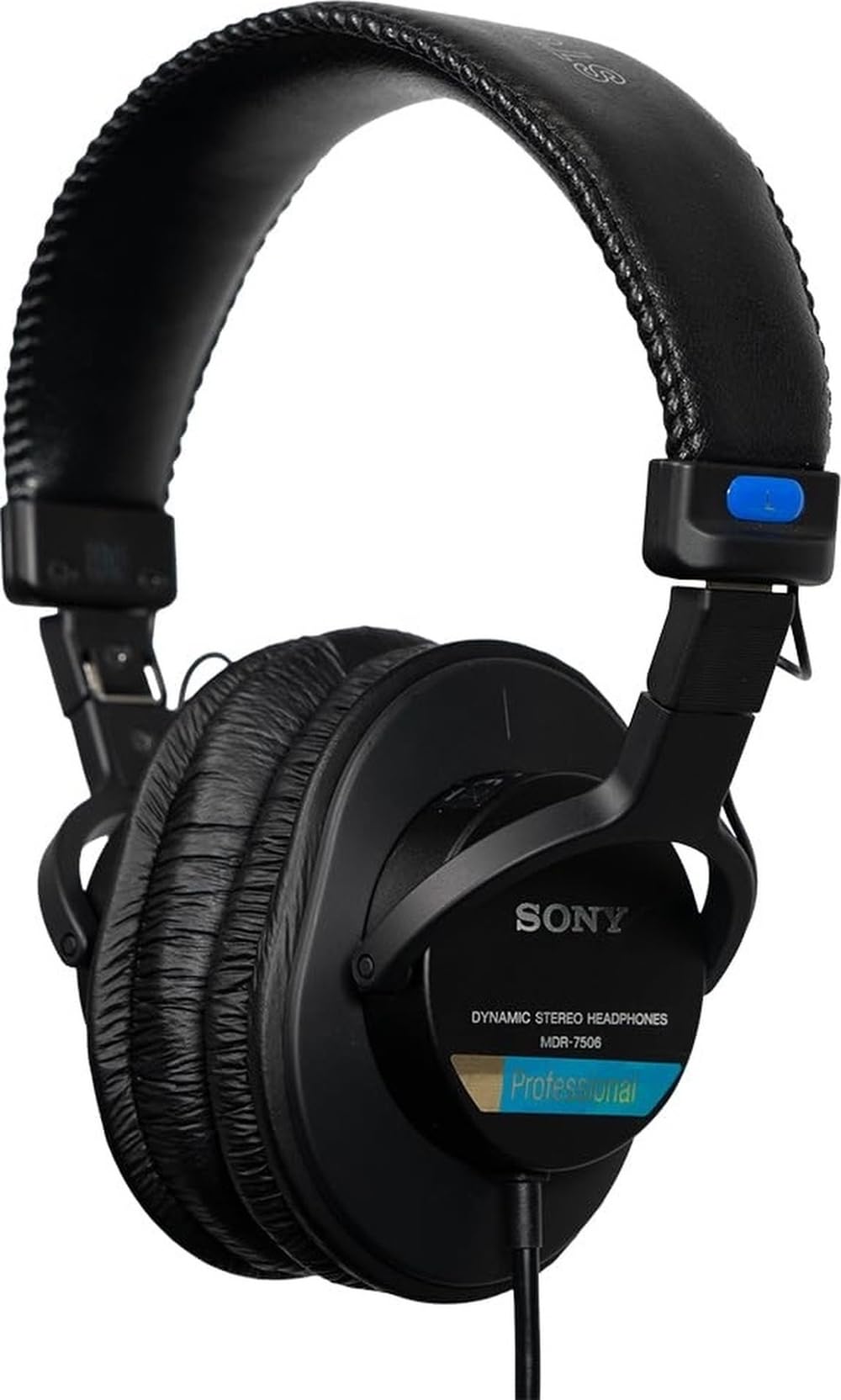
The MDR-7506 takes the reference path: a flat, analytical tuning that reveals mix details without flattering the low end. Where the top pick adds a musical low end, the Sony stays anchored to neutral sound. It is the counterweight for listeners who want to hear the recording, not the headphone, and that transparency is exactly what engineers need.

Detail retrieval is the headline. The closed-back earcups isolate the workspace well enough for overdubs and voice recording, and the balanced 40mm drivers make level and tonal issues easy to spot. This is a clinical listening tool; bass-heavy casual listeners will find the low end too restrained.

The foldable frame is light enough for long editing sessions and packs into a bag without bulk. The MDR-7506 carries long-standing professional adoption and remains a standard in voice-over booths and edit suites. At a mid-range price, it undercuts far pricier monitors while keeping a flat signature.

Engineers, editors, transcriptionists, and budget-conscious professionals who prioritize flat response will get the most from it. Spoken-word and podcast projects stay intelligible thanks to the focused midrange. If mixing honesty and neutral playback matter more than a fun consumer sound, this is the right tool.

Pros

  • Reference-style clarity with strong detail retrieval for confident mix decisions.
  • Professional pedigree with long-standing studio reputation.
  • Lightweight frame eases long listening sessions.
  • Cost-effective entry into a professional monitoring standard.

Cons

  • For larger ears, the stock earpads can feel tight and hot during long sessions.
  • The attached 9.8 ft coil cable works at a desk but cannot be swapped for field use.
Our verdict

This is the price-conscious reference monitor: neutral, revealing, and built for critical listening. Let the top pick handle modular features; the Sony handles honest mixes.

Check Latest Price
3

Best for Long Studio Sessions

beyerdynamic DT 770 Pro

93 /100
Sound Score Outstanding

Key details

Cable
Fixed 3m
Impedance
80 ohm
Isolation
Closed-back passive
Driver Size
45mm
View on Amazon

The DT 770 Pro’s edge in this closed-back set is all-day wearability: velour pads that stay comfortable over long sessions, a substantial German-made frame, and a tuning that favors detail over consumer-friendly warmth. It is a headphone that stays planted on a desk rather than riding in a bag, which is exactly where its strengths show.

Sound is clear and balanced, with tight bass and a treble that brings out sibilants and string texture. Closed-back isolation is effective enough for recording and monitoring in the same room, keeping playback from bleeding into an open microphone. That consistency makes it a dependable mixing tool for sessions that run past lunch.

This works best for home studio owners who keep one pair of headphones at a workstation and value long-session comfort above portability. The permanently attached cable and a bright treble are the tradeoffs: if you need a detachable cord or are sensitive to upper-range energy, the top pick in this comparison is the better fit. Buyers who stay at the desk get velour comfort and a closed-back seal that suits both tracking and critical listening.

Premium pricing brings replaceable velour pads and a frame that feels built for years rather than seasons. For a fixed studio install, that combination is hard to match in this price tier.

Pros

  • Crystal-clear, well-balanced sound with tight bass and detailed treble.
  • Velour earpads stay comfortable for marathon mixing sessions.
  • Rigid German-made frame holds up to daily studio use.
  • Strong closed-back isolation cuts down playback bleed into recording mics.

Cons

  • A damaged cable calls for service rather than a quick desk-side swap.
  • The treble can sound bright and tiring to ears that are sensitive to high frequencies.
Our verdict

For a fixed studio setup, the DT 770 Pro’s velour comfort and closed-back isolation make it the pair to keep.

Check Latest Price
4

Best Budget Closed-Back

Audio-Technica ATH-M20x

93 /100
Sound Score Outstanding

Key details

Cable
Fixed single-side
Impedance
47 ohm
Isolation
Closed-back passive
Driver Size
40mm
View on Amazon

Audio-Technica's ATH-M20x sits at the bottom of the M-series lineup, but it keeps the family's closed-back monitor character intact: a clean midrange, controlled low end, and a high end that stays composed even when the volume creeps up. That puts a functional studio-style voice within reach for home recordists and students who are not ready for the detachable-cable sibling higher up the range.

This is a wired-only monitor best for users who leave a pair plugged into one interface and want a sealed starting point for recording, podcasting, or practice. The cable is permanently attached, so the main long-term risk is damage to the cable itself; that makes it a poor fit for anyone who expects to swap leads as the first repair option. It also means fewer moving parts, which keeps the hardware simple.

The 40mm drivers are tuned for clarity rather than hype. Vocals sit forward, bass has weight without bloat, and the closed shell keeps computer fan noise and room chat from creeping into a mix. At 210 g, the headphone is light enough for extended listening sessions, and the passive isolation is effective for a sealed design in a shared living space.

💡 Loosen the headband before long sessions if the initial grip feels tight; the fit settles as the pads soften.

Pros

  • Clear highs and controlled low end offer plenty of detail for a budget closed-back monitor.
  • The sealed shell keeps sound from leaking and blocks background noise in shared rooms.
  • The lightweight frame and solid shell are durable enough for desk-bound studio use.
  • Entry-level pricing makes this a low-stakes first investment for students.

Cons

  • For larger heads, the snug clamp and compact earpads can turn long sessions into a pressure point.
  • Earpad cushions and plastic parts may crack after extended use, so a well-used pair can look older than its age.
Our verdict

Budget studio beginners get a no-surprises closed-back monitor for music practice and first recording sessions.

Check Latest Price
5

Best for Audiophile Closed-Back

Sennheiser HD 620S

85 /100
Sound Score Excellent

Key details

Cable
Detachable 1.8m
Impedance
150 ohm
Isolation
Closed-back passive
Driver Size
42mm
View on Amazon

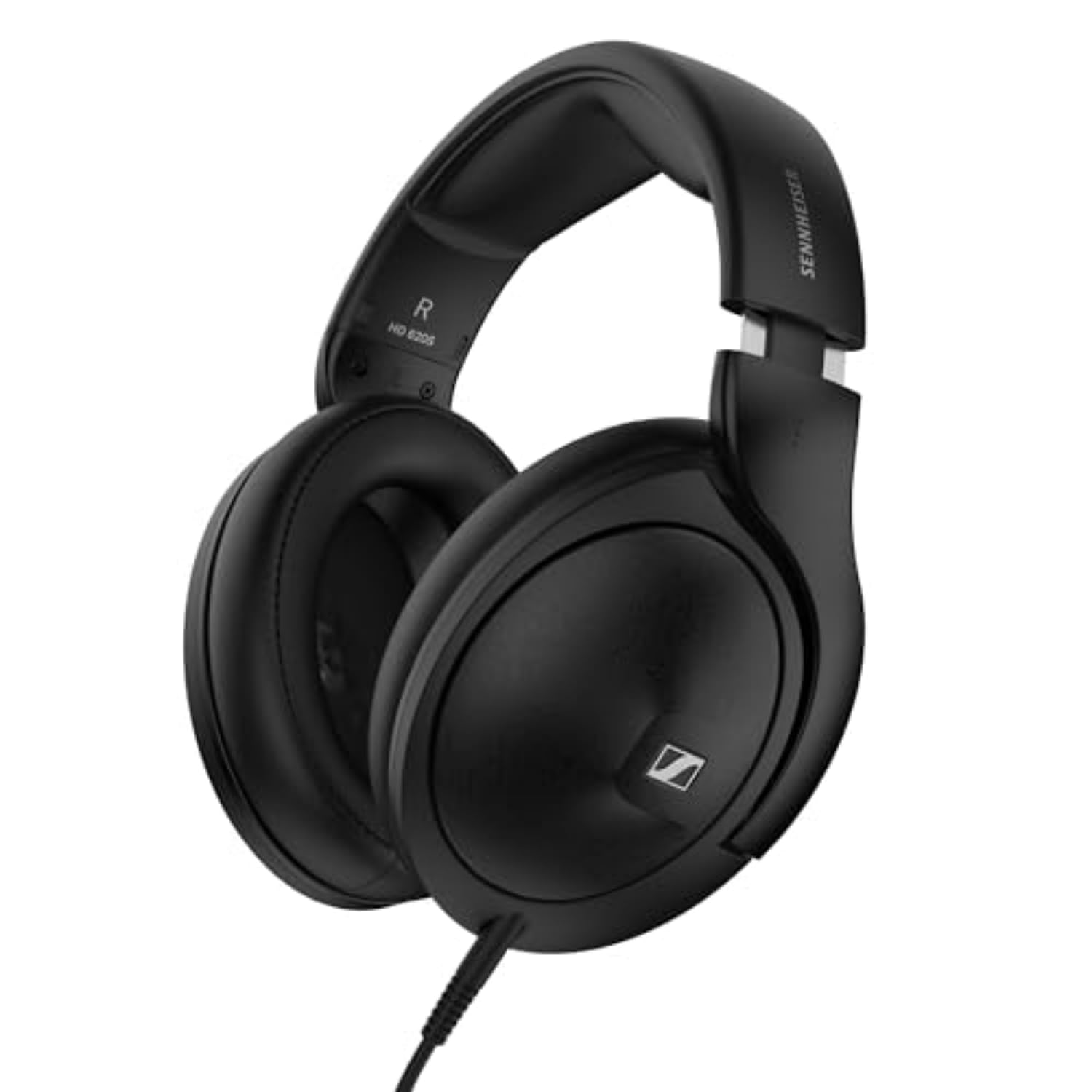
The HD 620S delivers a wide, open-like soundstage from sealed cups, with clean separation that keeps layered tracks distinct and instruments in their own space. Angled 42mm drivers and an open baffle push the presentation closer to open-back models, which separates it from the pro-oriented monitor in this lineup. Solid construction and restrained styling carry a premium look that fits a permanent desk setup.

The 150-ohm load needs a desktop amp or DAC to show its intended dynamics; with that headroom, the drivers keep their composure during dense passages and hold the open-like staging. A phone jack will leave the sound flat by comparison, so this is not a portable or phone-only headphone. The detachable 1.8m cable and included 6.3mm adapter reinforce the desktop role, and the closed cups isolate without sounding boxed-in.

This is for critical listeners who already own a dedicated amp or DAC and want sealed-cup isolation without the usual closed-in presentation. The firm out-of-box clamp keeps the ear cups sealed for desk listening, which works well for long sessions and immersive gaming at a desk. Phone-only listeners and budget buyers will be better served by the less demanding options in this category.

Pros

  • Open-like width keeps a sealed headphone from sounding boxed-in.
  • Clean sound with strong detail separation keeps layered tracks easy to follow.
  • Solid build quality and restrained styling suit a permanent desk setup.

Cons

  • Out-of-box clamp force is firm; larger heads may feel the pressure in the first sessions.
Our verdict

The HD 620S is the closed-back for desk listeners who want isolation and an open-like soundstage.

Check Latest Price
6

Budget DJ Monitoring

OneOdio Pro-10

89 /100
Sound Score Excellent

Key details

Cable
Detachable dual
Impedance
32 ohm
Isolation
Closed-back passive
Driver Size
50mm
View on Amazon

The OneOdio Pro-10 pairs 50mm bass-forward drivers with swivel cups and a second audio jack, making shared listening simple and inexpensive. It delivers loud output and a solid feel at a budget price, which suits home DJ practice and podcast checks where low-end energy is more useful than a flat response. Hinge durability is inconsistent, so rough daily commuting can shorten its lifespan; treat it as a desk-bound tool. With gentle handling, this remains a strong value in the closed-back budget tier.

Pros

  • Bass-forward sound and high output work well for DJ-style cueing and practice without an amplifier.
  • Second audio port lets two people listen to one source without a splitter.
  • Padded earcups and swivel hinges keep extended wear comfortable at a stationary desk.

Cons

  • Firm clamp force can be uncomfortable for large heads or glasses in longer sessions.
  • Bass-forward tuning is not neutral, limiting its use for critical mix evaluation.
Our verdict

If your priority is a budget closed-back for shared listening and bass-forward DJ practice, the Pro-10 is a strong value.

Check Latest Price
7

Budget Podcasting

FIFINE HD8

89 /100
Sound Score Excellent

Key details

Cable
Detachable dual
Impedance
32 ohm
Isolation
Closed-back passive
Driver Size
50mm
View on Amazon

Two detachable cables give the FIFINE HD8 a practical edge for home podcasting: you can swap between 3.5mm and 6.35mm sources without stressing the jack, and the 265g frame stays comfortable during long voiceover takes. It doubles as a light gaming headphone for everyday listening.

The 50mm drivers reproduce voices with clarity, and the build quality aligns with entry-level studio gear. Isolation and fit consistency are modest, which suits quiet home studios rather than loud offices or professional tracking rooms. Buyers who need a more predictable seal will find the top budget runner a better match.

Pros

  • Clear, balanced voice reproduction for podcast, voiceover, and light music use.
  • Lightweight frame with soft earmuffs supports comfortable long sessions.
  • Two detachable cables cover 3.5mm and 6.35mm sources with easy swaps.

Cons

  • Passive isolation is modest, so background noise in the room competes with the audio.
  • Fit can feel tight or uneven for certain ear shapes, making long sessions less comfortable.
Our verdict

Within a quiet home studio, the HD8 gets podcast and voiceover beginners functional monitoring without the premium price of the top budget runner.

Check Latest Price
8

Pro Mixing Upgrade

Sennheiser HD 480 PRO

90 /100
Sound Score Outstanding

Key details

Cable
Detachable coiled
Impedance
130 ohm
Isolation
Closed-back passive
Driver Size
View on Amazon

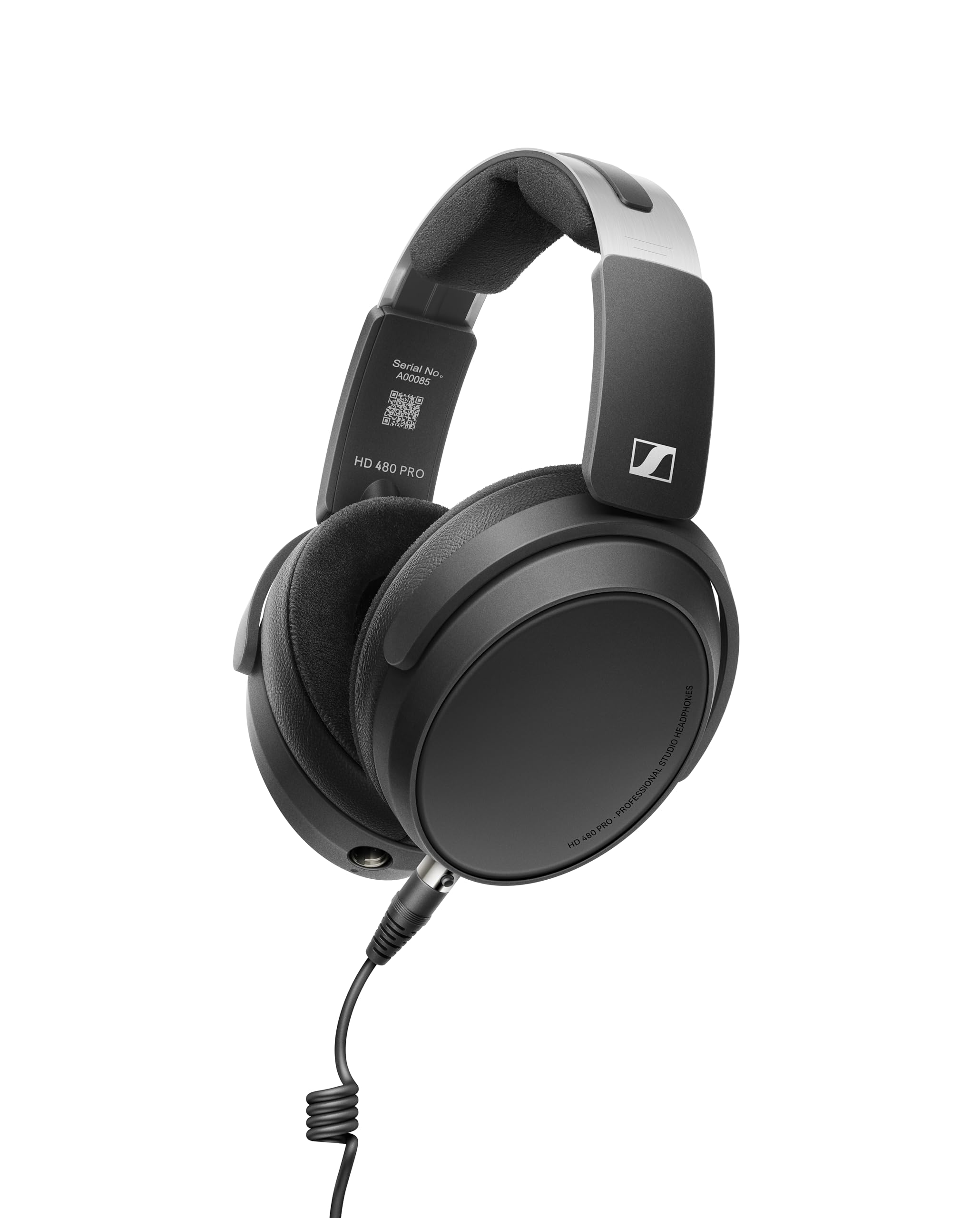
The HD 480 PRO combines a balanced frequency response with clear vocals and defined highs, plus a pro-grade build with replaceable parts. Its sealed shell isolates well for tracking and critical listening, and the detachable 3m cable suits a fixed studio position. The premium price places it with confident pro buyers, but the focused tuning keeps it from being the default recommendation for mixed-use shopping.

Pros

  • Balanced frequency response keeps vocals clear and highs defined for critical mix checks.
  • Pro-grade build with replaceable parts supports long-term studio servicing.

Cons

  • Neutral tuning may not satisfy casual listeners who expect consumer bass warmth.
  • 500 g weight can make long studio sessions feel heavy.
Our verdict

Engineers and studio owners who need a precise, repairable closed-back monitor have a focused fit here.

Check Latest Price

How to Choose

Cable Design

Detachable cables are the single best predictor of long-term value. A fixed cable turns a minor cord fault into a dead headphone, while a detachable one lets you swap in a new cord in seconds. If you plan to keep a pair for years, prioritize detachable cables unless the price is low enough to treat the headphone as disposable.

Coiled cables stretch and tangle differently than straight ones. A long coiled cord suits studio racks and desktop interfaces, but it can feel heavy or awkward on a couch or bed. Match the cable format to where you actually listen.

Impedance and Sensitivity

Impedance determines how much voltage a headphone needs to reach a given loudness. Low-impedance pairs (around 32 ohms) work with phones and laptops. High-impedance pairs (150 ohms or more) often sound thin or quiet when driven by weak headphone jacks.

Sensitivity matters too: a high-impedance headphone with high sensitivity can still run fine on a laptop, while a low-impedance pair with low sensitivity may not get loud enough. For desktop studio use, a dedicated amp or interface removes the guesswork.

Driver Size and Tuning

Driver size alone does not determine sound quality. A 40mm driver can sound more coherent than a 50mm driver if the tuning and damping are better executed. What matters more is the tuning character: bass weight, treble energy, and overall neutrality.

Studio monitors lean toward a flat or slightly bright response to reveal flaws in a mix. Consumer headphones tilt toward bass and upper-mid presence for enjoyment. Decide which job the headphone must do before you compare specs.

Isolation and Leakage

Closed-back headphones isolate by sealing the ear cups; passive isolation blocks background noise and prevents sound from leaking out. This is not the same as active noise cancellation, which uses microphones and phase cancellation to reduce constant low-frequency noise.

If you need to block office chatter or air-conditioner hum, look for a closed-back with thick earpads and strong clamp. If you want silence on a plane or train, active noise cancelling may be the better tool even if it costs more.

Comfort and Earpads

Comfort is the most common reason buyers regret a headphone. Clamp force, earpad depth, and pad material determine whether you can wear a pair for two hours or six. Velour pads breathe well but absorb sweat; leather-like pads isolate more but get hot.

Larger heads and glasses wearers should look for low clamp force and deep pads. Try to find a model with replaceable earpads, since pad wear is the first sign of aging on most closed-backs.

Frequently Asked Questions