6 Best Open-Back Studio Headphones in 2026: Match Your Mix and Amp

Open-back studio headphones are not one-size-fits-all: find the tuning and impedance that match your studio setup, from neutral mix references to budget-friendly entry points.

Open-back studio headphones carry a lot of labels: 'studio monitor,' 'reference,' 'critical listening.' In practice, those labels describe very different tunings, and a pair that sounds exciting for music can hide the level problems you need to hear in a mix.

The other side of the same decision is amplifier matching. High-impedance models can sound thin from a laptop headphone jack, while low-impedance designs are easier to drive but may have different tonal trade-offs. The right choice depends on whether you already have an interface or dedicated amp, and whether you need a neutral reference or a lively all-rounder.

That is why this guide treats tuning and impedance as one decision, not two. It separates genuinely neutral monitors from fun-sounding headphones, and matches each pick to the studio setup where it will actually do its job.

About the Sound Score: This comparative score is calculated from a product's published customer rating and review volume. It is not a laboratory measurement or a hands-on test result.

1

Best Overall

Sennheiser HD 600

94 /100
Sound Score Outstanding

Key details

Cable
Detachable Kevlar-reinforced
Tuning
Neutral reference
Weight & Fit
9.1 oz, velour
Amplifier Matching
300 Ohm, amp needed
View on Amazon

The HD 600's neutral voice is its defining trait. It does not add low-end warmth or treble sparkle; it presents the mix as recorded, so balance decisions carry over to other playback systems. The midrange is especially honest, which makes vocal sibilance, guitar tone, and room ambience easier to judge. That consistency matters more than individual frequency extremes: when a snare sits too loud in the headphones, it sits too loud on speakers too. This is why the HD 600 has stayed a reference in studio monitoring.

Comfort reinforces the long-session use case. The 9.1-ounce frame and plush pads distribute weight well over hours, and the open-back housing gives the stage an airy, natural width. Detail is present without being etched, so long sessions stay easy on the ears. That open design also lets sound pass both ways, so a quiet room matters; that tradeoff is native to the category, not a hidden flaw.

This is for mixing and mastering engineers, audiophiles working with classical or acoustic material, and anyone with a headphone amp or audio interface already in the signal chain. Those users will hear the tonal evenness the HD 600 is known for, especially in the midrange where vocal balances and instrument placement become clear. Classical and acoustic content benefits from the lack of artificial brightness; strings and voices keep their natural body. Portability is not part of the brief; this is a fixed-position tool for a listening station.

The current street price keeps the HD 600 competitive with more expensive boutique models, and the detachable cable adds serviceability. Replacement parts remain available, which matters for a tool that is expected to work for years and outlast the upgrade cycle. The Kevlar-reinforced cable and replaceable components make repairs possible without sending the whole headphone away. For a premium-priced reference, the running cost stays low.

The low end is controlled and accurate rather than punchy. Listeners who want consumer-style slam should pass, because the HD 600 is not voiced to add excitement to bass-heavy genres. That restraint is what makes frequency decisions easier to trust, so the tradeoff matters only for those who want a colored consumer sound.

Pros

  • Neutral, non-fatiguing tuning that translates mix decisions across playback systems.
  • Lightweight frame and plush pads keep long sessions comfortable.
  • Strong cost-to-performance at the current street price.
  • Detachable cable and serviceable parts simplify maintenance.

Cons

  • Stock cable can develop intermittent contact at the connector on some units; replacement is easy because it detaches.
  • 300-ohm impedance needs a dedicated headphone amp or audio interface; direct phone output may be too quiet.
Our verdict

A neutral open-back reference that still makes sense against newer, pricier studio headphones.

Check Latest Price
2

Best All-Rounder

beyerdynamic DT 900 PRO X

89 /100
Sound Score Excellent

Key details

Cable
Detachable mini-XLR
Tuning
Balanced
Weight & Fit
345g, velour
Amplifier Matching
48 Ohm, amp optional
View on Amazon

The DT 900 PRO X's 48-ohm STELLAR.45 driver and detachable mini-XLR cables deliver full studio volume from an interface or laptop without a dedicated headphone amp. That low-impedance convenience sets it apart from the higher-impedance reference standard, while open-back imaging keeps instrument placement and game audio equally clear. The 45 mm driver keeps transients tight, so kick drums and bass lines stay defined during long mixes. This is a modern middle ground between that reference model and the older V-shaped workhorse.

This is the headphone for studio professionals who want one pair for mixing, editing, and gaming without managing multiple amplifier chains. Switch between a desktop interface and a laptop jack and the tonal balance stays consistent. Headband pressure varies by head shape, so sensitive crowns may need a break-in period before long sessions feel comfortable.

The value case rests on that same dual purpose: precise enough for mix sessions and fast enough for positional audio in competitive shooters. Few open-back models cover both without pushing you toward a separate gaming headset. The detachable cable also makes replacement simple when the original eventually wears out.

Pros

  • Clear imaging and controlled low end keep mix placement and game audio easy to read.
  • Metal-yoke build with detachable cables holds up in daily studio use.
  • Positional audio for competitive shooters is a standout.
  • Strong value in the premium open-back segment.

Cons

  • Under demanding studio schedules, the headband pad and slider joint may separate on some units.
  • Mix engineers chasing a strictly flat HD 600-style response will find the reference top pick's midrange more transparent.
Our verdict

Studio professionals who split time between mixing and competitive gaming get one open-back pair that stays consistent from interface to laptop.

Check Latest Price
3

Best Value Workhorse

beyerdynamic DT 990 PRO

93 /100
Sound Score Outstanding

Key details

Cable
Non-detachable 3m
Tuning
V-shaped
Weight & Fit
0.38kg, velour
Amplifier Matching
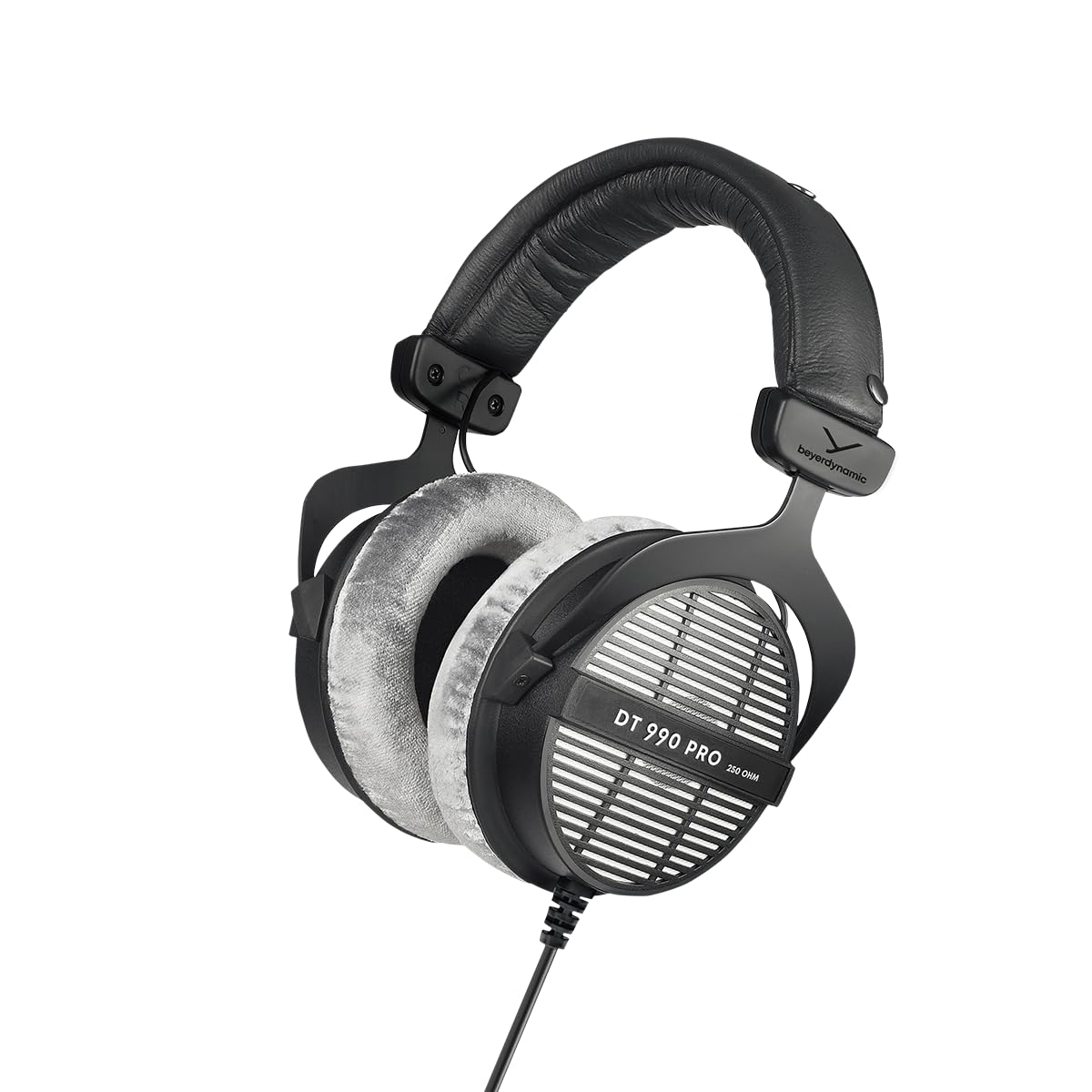
250 Ohm, amp needed
View on Amazon

The DT 990 Pro's open earcups create a wide, dimensional stage with crisp separation, so individual instruments keep their place even in dense mixes. This spatial presentation gives critical listening a sense of depth that makes arrangement issues easier to spot, and the low-end weight adds a satisfying foundation.

Bass and treble emphasis gives the DT 990 a lively signature, but that signature is not neutral enough for flat-reference mastering. The fixed cable is harder to service than detachable alternatives, and the 250-ohm load needs a dedicated amplifier or interface for adequate volume; a laptop's headphone jack is not a realistic pairing. These boundaries define the right buyer: critical listeners and project-studio engineers who already own a headphone amp and want a wide, engaging alternative to a neutral reference. For that group, the energetic tuning works as a tracking tool that makes balance problems easier to hear.

Soft velour pads and a 0.38kg frame keep long sessions comfortable, and replaceable parts reduce the cost of wear. At a mid-range price, this combination makes the DT 990 a practical open-back for budget-conscious project studios that need predictable comfort and serviceability. A worn pad or headband is a repair, not a replacement purchase.

Pros

  • Wide, detailed soundstage gives instruments room to separate in dense mixes.
  • Soft velour pads and low weight keep long listening sessions comfortable.
  • Replaceable parts extend service life without needing a full replacement.
  • Strong price-to-performance for critical listening in a crowded open-back field.

Cons

  • Firm clamp pressure can feel tight on larger head shapes during the first sessions.
  • Plastic yoke and earpad assembly can develop cracks under repeated handling on individual units.
Our verdict

The DT 990 Pro fills a specific spot: wide, comfortable, and serviceable for critical listening without pushing into premium-priced territory.

Check Latest Price
4

Best Lightweight Reference

Audio-Technica ATH-R50X

88 /100
Sound Score Excellent

Key details

Cable
Detachable 2.5mm
Tuning
Reference
Weight & Fit
7.36 oz
Amplifier Matching
50 Ohm, amp optional
View on Amazon

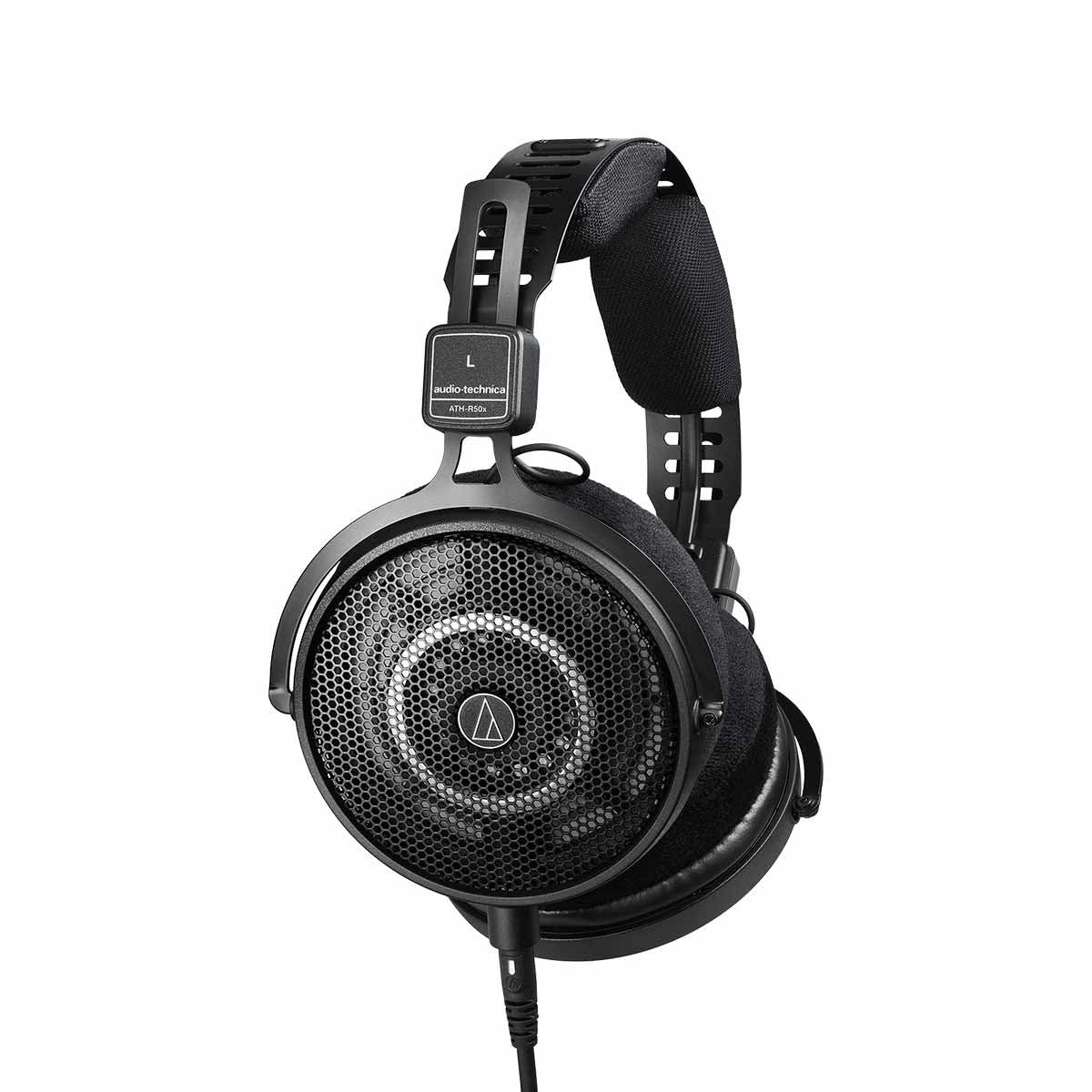
The ATH-R50X is the lightweight home-studio reference in Audio-Technica's open-back R-series: 7.36 ounces, detachable 2.5mm twist-lock cables, and clean imaging that places it a clear step above the entry-level R30X. Producers and students get a monitor-style listen without the fixed-cable commitment or the head weight of a traditional studio staple.

The open-back design spreads the soundstage wide enough to follow individual instruments during a mix. The 50-ohm impedance and 93.3 dB sensitivity sit within the output range of common audio interfaces, so a dedicated headphone amp is not required for everyday tracking and level checks. The tuning stays close to the recording rather than flattering it, so level decisions carry over to other playback systems.

This is a natural fit for home-studio producers and students who want a fatigue-free reference for long sessions. The fit is best suited to average ear sizes, so anyone with larger ears or a shallow fit tolerance should treat the earcup space as a try-before-buy condition.

The build is solid without adding weight, and the mid-range price keeps it within reach of a student budget. Both included cables — 1.2m and 3m — use the same twist-lock connector, so moving from a laptop to a desk interface is quick.

Pros

  • Featherweight 7.36-ounce frame reduces fatigue during long mixing sessions.
  • Wide soundstage and clear imaging make instrument separation easy.
  • Detachable 2.5mm twist-lock cables can be replaced without soldering.
  • Solid build quality instills confidence at a mid-range price.

Cons

  • Tuning targets accuracy, so bass-heavy listeners will miss the low-end emphasis of consumer headphones.
  • Earcup openings are compact, and larger ears may feel the space tighten during long sessions.
Our verdict

For home-studio producers and students, the ATH-R50X delivers the practical core of an open-back reference — light weight, clean sound, user-replaceable cables — without the bulk and amp demands of a traditional studio fixture.

Check Latest Price
5

Best Budget Audiophile

Kiwi Ears Altruva

85 /100
Sound Score Excellent

Key details

Cable
Wired 3.5mm
Tuning
Monitor-style
Weight & Fit
Amplifier Matching
32 Ohm, easy drive
View on Amazon

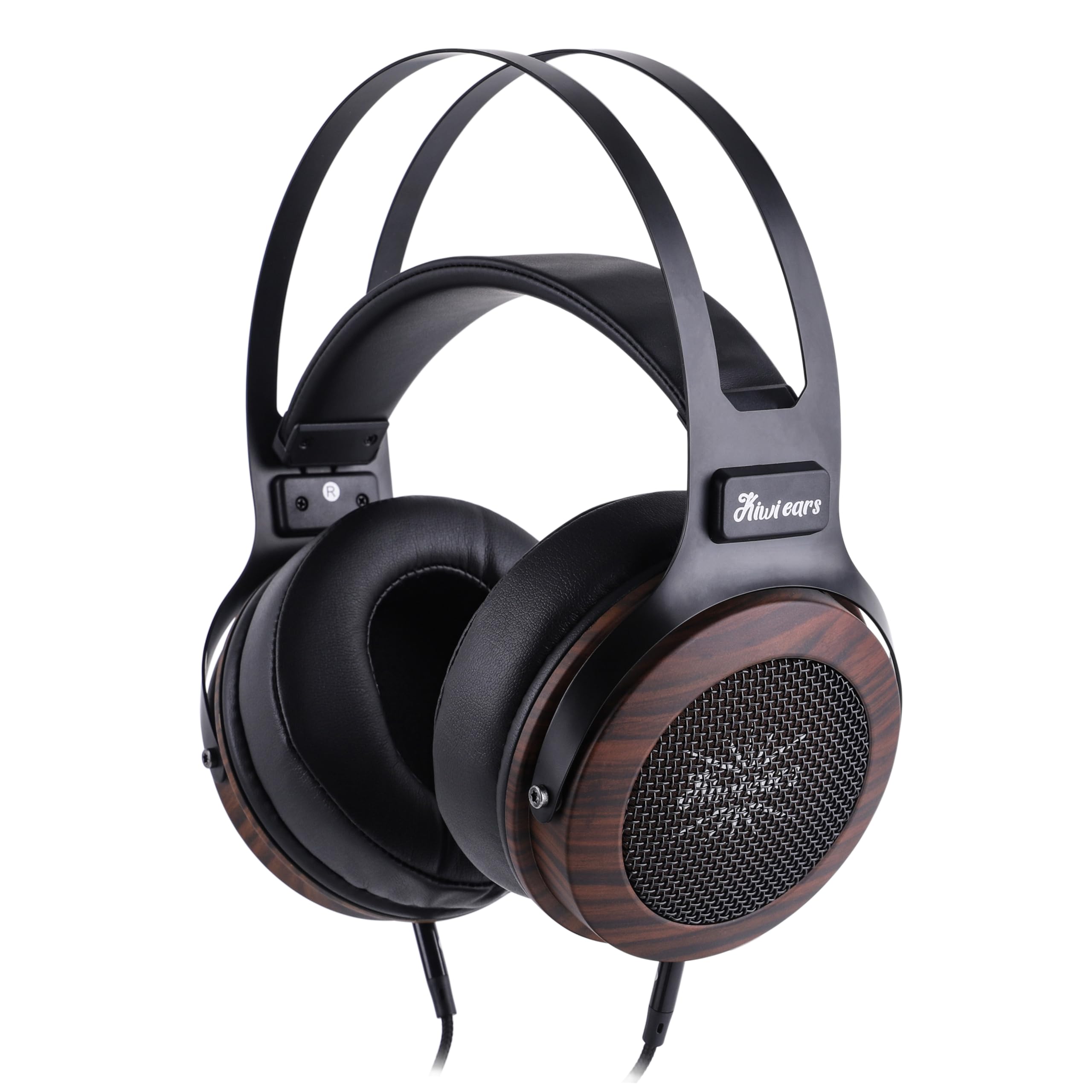
The Altruva pairs a 50 mm driver with 32-ohm impedance and a wood-and-steel shell, so it reaches monitor-style detail without the amplifier demands of a typical reference headphone. That low impedance runs comfortably from an interface or laptop, and the open-backed tuning keeps vocals forward while leaving reverb tails and panning cues easy to follow. It is a more accessible entry into open-back critical listening than the high-impedance studio classics in this roundup.

Build quality is a genuine highlight at this price: the wood cups feel like a much more expensive pair, and the lightweight frame keeps long mix sessions comfortable. The open-back design trades isolation for air and width, so this suits a room where background noise will not fight the mix.

The boundary is unit-level QC, not performance. A particular unit may develop channel imbalance, earcup twist-lock detachment, or headband damage, so this is not the daily studio workhorse for engineers who need one headphone on the desk every day. For a budget-minded listener willing to inspect the unit on arrival and EQ the response, it offers a lot of monitor-like character for the money.

💡 Adjust headband length so the earpads sit evenly against your head before long sessions.

Pros

  • Wide, detailed staging and monitor-style tuning make mix flaws easier to hear.
  • Wood-and-steel shell delivers a premium feel without the usual open-back price.
  • Lightweight frame stays comfortable through long listening and mixing sessions.

Cons

  • Lateral earcup swivel has little give, so some head shapes need extra pad positioning.
  • A unit may develop channel imbalance, earcup twist-lock detachment, or headband damage.
Our verdict

For a budget home studio that needs open-air imaging and low-impedance pairing, the Altruva is a compelling option - provided you inspect the unit and accept the QC risk.

Check Latest Price
6

Entry-Level Open-Back

Audio-Technica ATH-R30X

85 /100
Sound Score Excellent

Key details

Cable
Non-detachable
Tuning
Weight & Fit
Amplifier Matching
36 Ohm, easy drive
View on Amazon

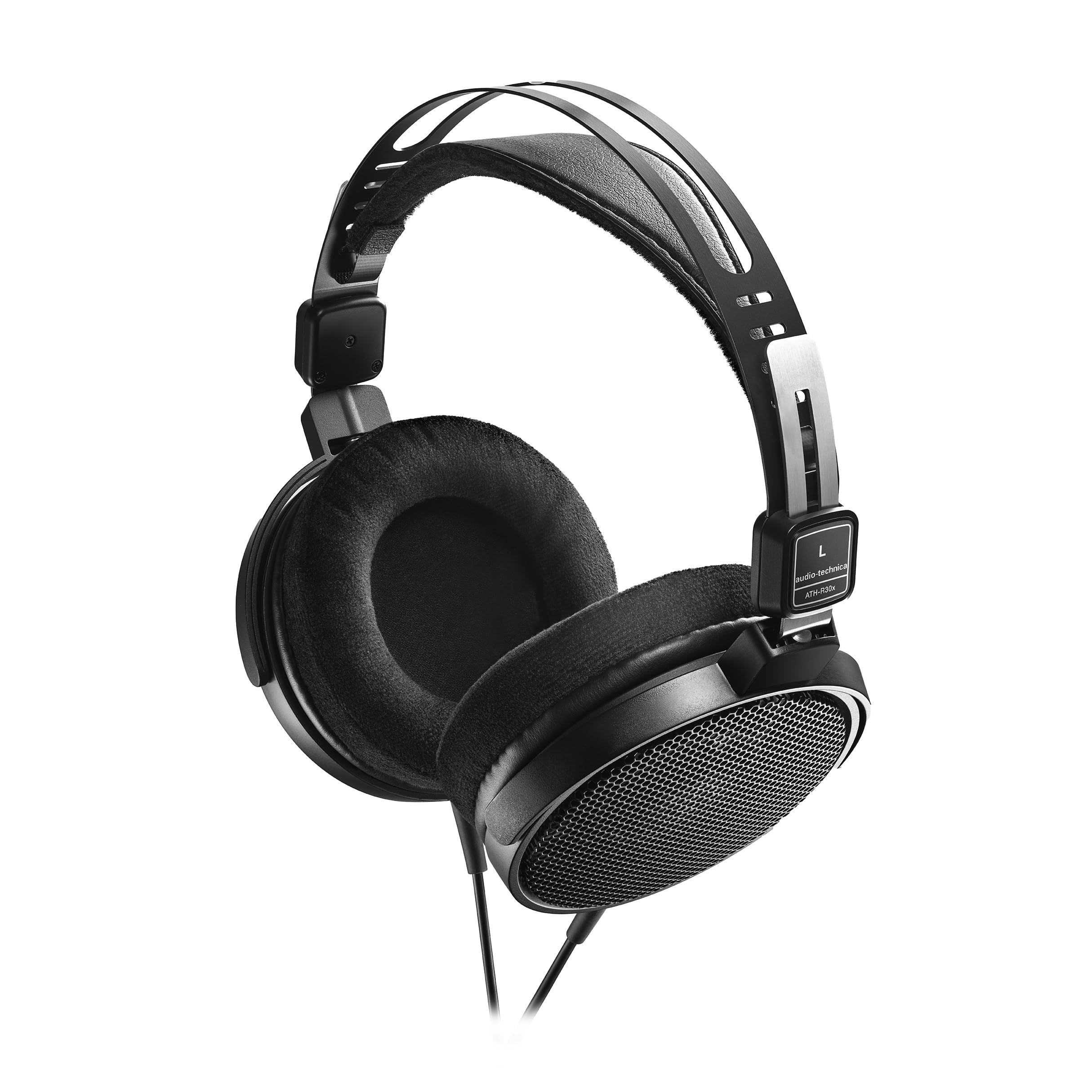
The ATH-R30X puts a true open-back design within reach of a tight home-studio budget. Its 36-ohm impedance pairs with laptop and interface headphone jacks without extra amplification, and the open-air presentation makes panning and reverb placement easier to hear than on closed consumer headphones. The fixed cable and the lack of a long service history make it a cautious pick for anyone expecting a permanent studio workhorse; it fits best as a first open-back pair or a low-impedance second reference instead. For that role, it keeps its presentation clear without demanding a separate amp.

Pros

  • Genuine open-back staging at an entry-level price gives first-time buyers a real monitoring perspective.
  • Low 36-ohm impedance keeps volume comfortable from basic laptop or interface headphone outputs.

Cons

  • In shared rooms or live mic tracking, the open earcups pass sound in both directions and offer no isolation.
Our verdict

For a strict budget, this is the right first open-back pair when you need a low-impedance second reference and can accept an entry-level design.

Check Latest Price

How to Choose

Impedance and Amplifier Matching

Impedance controls how much voltage a headphone needs for useful volume. A 250-ohm or 300-ohm model on a laptop jack often sounds quiet and thin because the source runs out of current.

An interface or headphone amp changes this: high-impedance drivers get firmer bass and cleaner dynamics. Low-impedance models (32-48 ohms) are the better fit for plugging straight into a laptop or interface without extra gear.

Cable Type

Cables wear out before drivers do. A fixed cable that wears out at the strain point turns the whole headphone into a repair job; a detachable cable turns the same problem into a simple replacement.

Detachable cables also let you swap in a longer or shorter run for different studio setups. Just make sure the connector locks securely, because a loose mini-XLR or twist-lock connection can drop audio mid-session.

Tuning Neutrality

Neutral references keep bass restrained and upper mids forward, so mix problems stay audible. V-shaped tunings add bass and treble energy, which makes music sound exciting but can hide low-end build-up or a harsh top end.

That difference is a use-case boundary, not a defect. Choose neutral for mixing and mastering; choose a livelier tuning for tracking, editing, or critical listening.

Weight and Clamp Force

Weight drives neck fatigue, but clamp force and earcup depth decide whether comfort lasts at all. A light headphone with tight clamp still leaves pressure points, while a heavier one with deep pads can disappear.

Shallow earcup cavities push larger ears against the driver mesh within an hour. Buy from a retailer with returns if you cannot try the fit first.

Driver Type and Size

Most open-back monitors use dynamic drivers. Larger drivers tend to move more air for bass and lower distortion at high SPL, but damping and the open-back cage matter just as much.

Driver size is a starting point, not a verdict. A well-tuned 40mm driver can outperform a lesser 50mm one.

Frequently Asked Questions