9 Best Dolby Atmos Soundbars of 2026: Picks That Actually Fill Your Room

Find the right Dolby Atmos soundbar for your TV, room size, and budget without overpaying for virtual height that never arrives.

Most soundbars advertise Dolby Atmos, but the actual overhead effect depends on real hardware. A bar with up-firing drivers, rear speakers, or a proper subwoofer reproduces the format far more convincingly than a single 2.1 bar that merely decodes the metadata.

There is also a trust gap between price and dependability: some of the largest verified review bases sit in the budget tier, while premium smart bars show more frequent complaints about Wi-Fi dropouts and auto-shutdown behavior. The right choice is less about the logo and more about matching the channel layout, eARC support, and subwoofer package to your room and viewing habits.

This guide sorts through that trade-off so you know which specs actually matter and where your money buys a real upgrade instead of a spec-sheet promise.

About the Sound Score: This comparative score is calculated from a product's published customer rating and review volume. It is not a laboratory measurement or a hands-on test result.

1

Best Overall

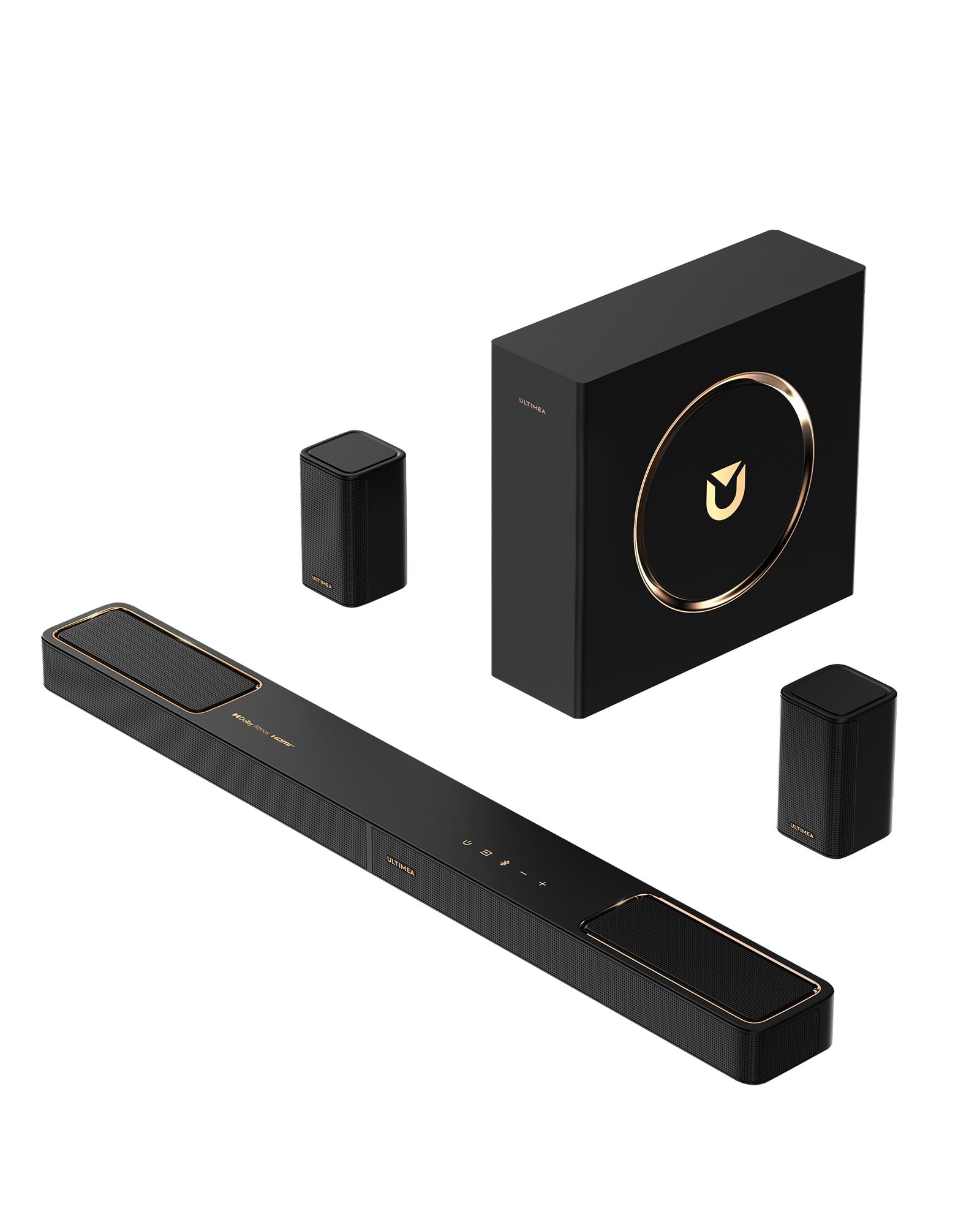
Ultimea Poseidon M60

90 /100
Sound Score Outstanding

Key details

eARC
Yes
Channels
5.1
Subwoofer
Wired 5.25-inch
Atmos Type
Virtualized
View on Amazon

The Poseidon M60 brings a 5.1-channel layout, eARC support, and a 10-band app EQ to a price that resets budget expectations for Dolby Atmos. Its wired 5.25-inch subwoofer delivers deep bass, and the dedicated center channel keeps dialogue clear even when action scenes get busy. Output is loud enough for a compact living room without strain, and the side-firing surround widens the front stage beyond what a typical 2.1 bar can produce. The 300W peak output is modest on paper, but the subwoofer carries the low end efficiently, so the system stays composed at normal apartment volumes.

Setup takes minutes: HDMI eARC carries the Atmos signal, the sub connects with one cable, and the bar auto-detects inputs. The app adds 121 presets and a graphic EQ for tuning, while the remote controls volume pass-through and sound modes without reaching for the TV remote. Daily operation feels simpler than pricier systems, and the bar remembers the last-used input rather than forcing a handshake every time. The graphic EQ is especially useful for evening listening, where a preset can soften the sub without losing dialogue presence.

This is the right pick for first-time Atmos buyers who value dialogue clarity and bass over physical height channels. The side-firing drivers virtualize overhead effects, so the M60 won't reproduce a rainstorm coming from directly above the way a true 5.1.2 system can. In a small-to-medium room, that virtual layer adds convincing spaciousness; in a large open floor plan, the effect thins out. That makes the M60 a better fit for a den or bedroom than a cavernous basement theater.

Because there are no rear speakers to place and the subwoofer connects by cable, the M60 avoids the wiring complexity of a full multi-speaker surround pack. The side-firing surround sends cues from the sides, though sounds that should originate behind the listener are less distinct. That's a boundary for buyers used to true rear channels, not for someone moving up from TV speakers. The lack of rear wiring also helps in rentals where drilling and cable runs aren't an option.

The wired subwoofer is a deliberate choice: a 5.25-inch driver in a wood enclosure produces low-end body that some wireless subs lack, and there's nothing to pair or charge. Bluetooth 5.4 covers casual music streaming from a phone or tablet, so using the bar for music doesn't require turning on the TV.

💡 Use the eARC input for TV audio and treat Bluetooth as a music-only connection.

Pros

  • Deep bass, clear dialogue, and loud output for a small-footprint budget system.
  • Setup is fast enough to go from unboxed to watching in minutes.
  • App EQ and 121 presets give real tuning flexibility without a receiver.
  • Dialogue stays clean and separated during busy action sequences.
  • Remote control handles sound modes and TV volume without extra steps.

Cons

  • Bluetooth pairing can drop or become unavailable on certain units; a phone may need re-pairing.
  • Intermittent shutdowns or connection losses can surface after a few months in individual units.
Our verdict

For a first Atmos bar at a budget price, the M60 delivers a stronger TV upgrade than entry-level soundbars while keeping the system compact.
Check Latest Price
2

Best Budget True Atmos Setup

Ultimea Skywave F40

86 /100
Sound Score Excellent

Key details

eARC
Yes
Channels
5.1.2
Subwoofer
Wired 5.25-inch
Atmos Type
Up-firing + rear
View on Amazon

The Skywave F40 is a genuine 5.1.2 channel system: the soundbar carries up-firing neodymium drivers, and the package includes wired rear surrounds and a 5.25-inch BassMX subwoofer. That channel layout separates it from budget bars that simulate height through a single chassis. The 400W peak rating gives it enough reach for small and medium rooms without the strained top end that can appear in entry-level Atmos bars.

Up-firing drivers bounce Atmos height information off the ceiling while the rear channels add directional cues for rain, flyovers, and crowd noise. Dialogue stays clear across streaming movies, and a 10-band EQ with 121 presets lets you adjust the balance without digging into menus. HDMI eARC handles Atmos from modern TVs, and Bluetooth 5.4 covers phone playback.

The right buyer is a budget home-theater fan who wants actual height and surround effects without spending flagship money. The system is happiest in rooms around 108-270 sq ft; very large open-plan spaces let the up-firing bounce dissipate before it reaches the listening position. This is a full component package, not a zero-clutter bar, so rear-speaker placement and subwoofer positioning are part of the plan.

💡 Keep the included remote within reach — it responds when a TV remote does not take volume commands.

Pros

  • Actual up-firing drivers and rear surrounds create height and directional effects virtual Atmos bars cannot match.
  • Full 5.1.2 channel count at a price that undercuts comparable systems.
  • Setup time stays short: HDMI eARC, optical, or Bluetooth gets audio running quickly.
  • App EQ with 121 presets and surround adjustment makes fine-tuning simple.

Cons

  • Wired rear speakers and sub mean cable routing needs planning before you commit to the layout.
  • Volume control via some TV or streaming-device remotes can be inconsistent.
Our verdict

If a discrete 5.1.2 layout is the goal, the Skywave F40 is the rare budget system that delivers it without cutting the height channels.

Check Latest Price
3

Best Mid-Range Cinematic Powerhouse

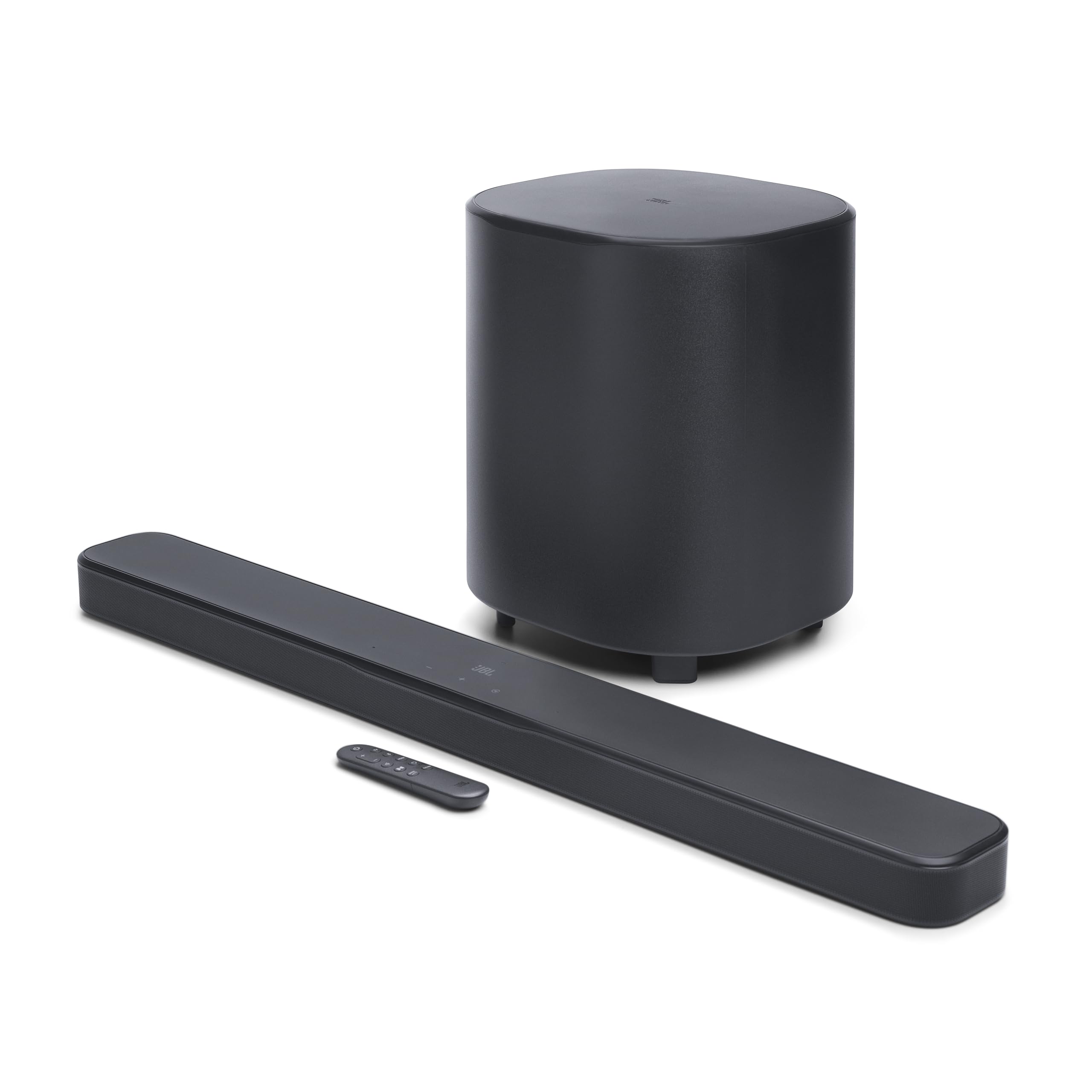
JBL Bar 500 MK2

89 /100
Sound Score Excellent

Key details

eARC
Yes
Channels
5.1
Subwoofer
Wireless 10-inch
Atmos Type
Virtualized
View on Amazon

The JBL Bar 500 MK2 pairs 750W peak power, a 10-inch wireless subwoofer, and MultiBeam 3.0 virtual surround in a bar-plus-sub package. The sub carries action-film low end with authority, while PureVoice 2.0 keeps dialogue clear when effects get loud. The result is a front-weighted theater stage with more authority than a typical soundbar, and it runs through HDMI eARC with no amplifier or extra receiver.

HDMI eARC setup is painless, and TV remote pass-through works with modern sets. The wireless sub pairs without hands-on troubleshooting, and Bluetooth playback from a phone stays stable. The bar also works alongside voice-assistant speakers over Wi-Fi and supports AirPlay or Google Cast, so it doubles as a music system for the room.

This setup fits movie lovers who want real bass weight and a full front soundstage from a bar and sub. It also suits mid-range buyers who want voice-assistant speaker compatibility and a painless connection to a TV. The boundary is the Atmos height: this JBL virtualizes height via MultiBeam rather than physical up-firing speakers, so overhead effects read as a wide, elevated image instead of distinctly localized ceiling sounds. Buyers who need discrete overhead channels should step up to the full 11.1.4 system.

Pros

  • 750W peak power and a 10-inch sub deliver deep, room-filling bass for action and movie soundtracks.
  • PureVoice 2.0 keeps dialogue clear and centered even when effects and music are loud.
  • HDMI eARC setup is quick and TV remote auto-detection works cleanly.
  • Wireless sub pairing and phone Bluetooth connections stay stable.

Cons

  • The 10-inch sub needs floor space and a power outlet, which can dominate a compact media setup.
  • The system ships without rear speakers, so the 5.1 surround field is a virtual MultiBeam effect rather than discrete rear-channel audio.
Our verdict

Bass-first movie rooms get maximum value from this JBL: real subwoofer punch, clear dialogue, and an easy eARC hookup in one mid-range package.

Check Latest Price
4

Best Premium Full Surround System

Samsung HW-Q990D

86 /100
Sound Score Excellent

Key details

eARC
Yes
Channels
11.1.4
Subwoofer
Wireless included
Atmos Type
Full surround
View on Amazon

The Samsung HW-Q990D delivers the full 11.1.4 Dolby Atmos setup in one box — wireless rear speakers and a subwoofer included. Instead of virtualizing height from a single bar, this system uses physical up-firing drivers and real rear channels. The compact Samsung all-in-one in this lineup stays simple; the Q990D trades that simplicity for a multi-speaker theater layer.

Setup for a system this complete remains manageable because the rear speakers and sub connect wirelessly and the app guides placement. Once positioned, the soundstage places effects clearly around the room, and Q-Symphony blends the soundbar with compatible Samsung TV speakers. That makes the Q990D especially cohesive in a Samsung-based living room.

Gaming and movie playback both gain from Game Mode Pro and the physical height channels; overhead effects stay distinct rather than simulated from the bar alone. The included sub adds low-frequency weight without burying dialogue.

This large component system fits best in a dedicated media room or a generously sized living area. Samsung TV owners get the smoothest experience, while non-Samsung TV users may see the subwoofer drop and reconnect or find smart features less integrated. For home theater enthusiasts who want everything included without buying separate pieces, the tradeoff is acceptable.

Pros

  • Powerful, immersive home theater sound with real rear channels and height drivers.
  • Full system setup is manageable with wireless rears and app-guided placement.
  • Premium pricing matches the output for dedicated home theater buyers.
  • Handles movies, music, and gaming without obvious falloff in either format.

Cons

  • Rear-speaker signal loss has been noted after months of use in certain units.
Our verdict

The complete system approach removes the usual upgrade path and delivers a full Atmos theater out of the box.

Check Latest Price
5

Best Premium All-In-One

Sonos Arc Ultra

90 /100
Sound Score Outstanding

Key details

eARC
Yes
Channels
9.1.4
Subwoofer
None included
Atmos Type
Sound Motion
View on Amazon

The Arc Ultra generates 9.1.4 spatial audio from a single chassis, using Sound Motion drivers to cast height cues upward and AI-enhanced dialogue processing to keep speech crisp as the mix gets dense. Its soundstage is dramatically wider than the compact Sonos bar in this comparison, giving Atmos mixes a more convincing sense of space.

Dialogue clarity is the standout trait — AI processing keeps voices cleanly separated even when effects and music stack up, and the bar holds its spatial presentation across a wide seating area. That suits movie nights where viewers are spread along a large couch.

This premium-priced bar fits large living rooms where a single design-forward component is preferred to a spread of speakers. Sonos households that add the separate sub and rear speakers get the fullest staging; without them, the Arc Ultra is an expensive standalone bar, and the total price climbs once those components enter the basket. Buyers expecting a complete system in the box should compare the packaged home-theater bundles in this roundup instead.

Setup follows the Sonos app's step-by-step guidance and includes Trueplay room tuning, so installation amounts to placing the bar and running one HDMI eARC cable. AirPlay 2, Bluetooth, and Wi-Fi streaming make phone-based music playback as natural as TV audio — a strong fit for buyers who split their listening between movies and albums.

Pros

  • Sound Motion height drivers produce a wide, immersive soundstage from a single bar.
  • App-guided setup with one HDMI eARC cable keeps installation clean.
  • AI-enhanced dialogue mode keeps speech crisp in effects-heavy scenes.
  • The understated design blends into a premium living room without visual clutter.

Cons

  • Wi-Fi device discovery can be inconsistent on networks with strict security settings, which adds friction to multiroom setups.
  • HDMI eARC handshake drops can occur when the TV wakes from standby, cutting sound until the connection resets.
Our verdict

Sonos households with a large living room and a tolerance for premium pricing get a wide, dialogue-clear Atmos bar that scales into a full theater as components are added.

Check Latest Price
6

Budget Wireless Sub

TCL S55H

86 /100
Sound Score Excellent

Key details

eARC
Yes
Channels
2.1
Subwoofer
Wireless 5.5-inch
Atmos Type
Virtualized
View on Amazon

The TCL S55H pairs a wireless subwoofer with AI Sonic room calibration, giving small-to-medium living rooms a clear step up from built-in TV speakers. Dialogue stays crisp and the sub adds enough body for casual movie nights. Atmos here is a virtual widening in a 2.1 layout; there are no rear speakers or up-firing drivers, so it sits below systems with true height channels. For TCL TV owners who want a compact budget package with wireless bass and simple pairing, the S55H covers the essentials well.

Pros

  • Dialogue clarity gives TV and movie audio a noticeable lift over built-in speakers.
  • Wireless subwoofer plus AI Sonic calibration forms a complete budget 2.1 package.

Cons

  • Occasional static or dropped connections can interrupt playback.
  • A unit may develop issues after a few months; support follow-through can vary.
Our verdict

Fits budget-minded TCL TV owners in small-to-medium rooms who want wireless bass and simple setup without expecting rear-channel or overhead effects.

Check Latest Price
7

Samsung Compact Integration

Samsung HW-S60D

86 /100
Sound Score Excellent

Key details

eARC
Yes
Channels
5.0
Subwoofer
Dual built-in
Atmos Type
Virtualized
View on Amazon

The Samsung HW-S60D gives Samsung TV owners a compact way to add Dolby Atmos playback and Q-Symphony without a separate subwoofer. Dialogue stays clear at moderate volumes, and TV remote integration makes daily use simple. SpaceFit Sound Pro tunes output to the room, a useful fit for small-to-medium living spaces. The reason this bar sits below larger home-theater systems is the all-in-one format itself: compact drivers and no separate sub limit bass and surround depth compared with a full component setup. That makes it a minimalist Atmos upgrade for TV-centric listening, not a substitute for a multi-speaker theater system.

Pros

  • Dialogue stays clear and intelligible even at low volume.
  • Samsung TV owners get Q-Symphony and TV remote control without a second remote.
  • Compact one-bar shape fits small-to-medium rooms without floor space for a separate sub.

Cons

  • Large rooms needing serious surround presence will outgrow the bar's compact output.
  • A unit can shut off or switch back to TV speakers unexpectedly, so consistency varies between units.
Our verdict

For Samsung TV owners in a small-to-medium room who want a clean, subwoofer-free Atmos upgrade, this bar hits the mark.

Check Latest Price
8

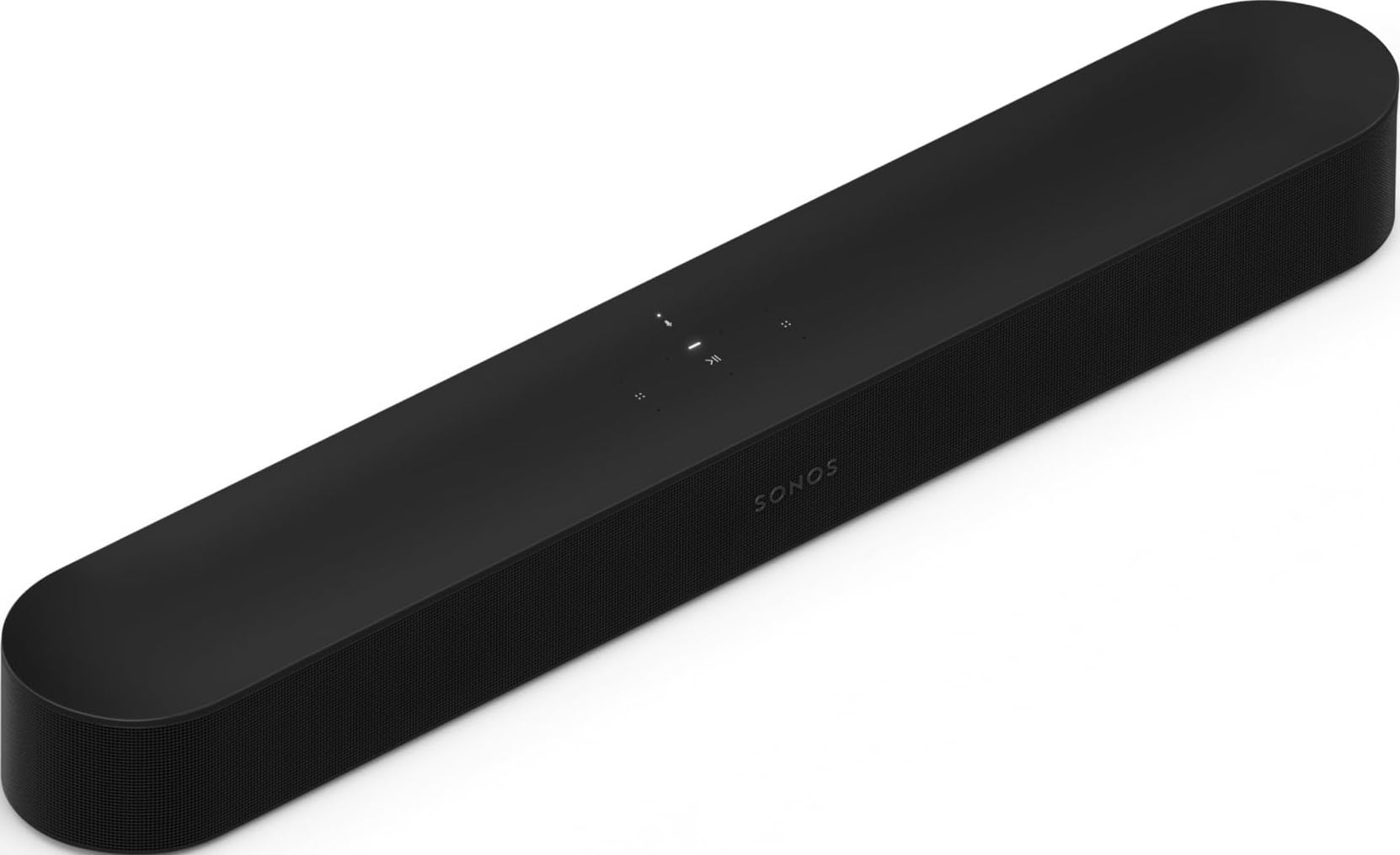
Sonos Compact Entry

Sonos Beam Gen 2

88 /100
Sound Score Excellent

Key details

eARC
Yes
Channels
2ch array
Subwoofer
None built-in
Atmos Type
Virtualized
View on Amazon

The Sonos Beam Gen 2 pairs a compact 5-driver array with Sonos multiroom, AirPlay 2, and Trueplay tuning, so dialogue stays clear and music can travel through the house. It is the slimmer entry point to Sonos home theater, with virtualized Dolby Atmos that adds height without the flagship Arc Ultra footprint.

It fits compact living rooms where a small bar matters more than full surround immersion, but the lack of Bluetooth and the Wi-Fi-only connection can frustrate buyers in homes with spotty networks. For pure Atmos, the flagship Arc Ultra adds physical height drivers, a wider stage, and more bass; for Sonos multiroom households and dialogue-first viewers, those boundaries are easier to accept.

Pros

  • Compact size fits small media centers and credenzas with room to spare.
  • Strong, balanced output with clear dialogue compared with built-in TV speakers.
  • Two-cable setup gets a room listening quickly once the app pairs.

Cons

  • App pairing and account quirks can interrupt setup or control.
  • Long-term performance can vary, with occasional disconnects noted after months of use.
Our verdict

This is the right small bar for Sonos multiroom households and dialogue-first viewers; choose the Arc Ultra or a 5.1.2 package if physical Atmos height is the priority.

Check Latest Price
9

Dialogue-Focused Viewers

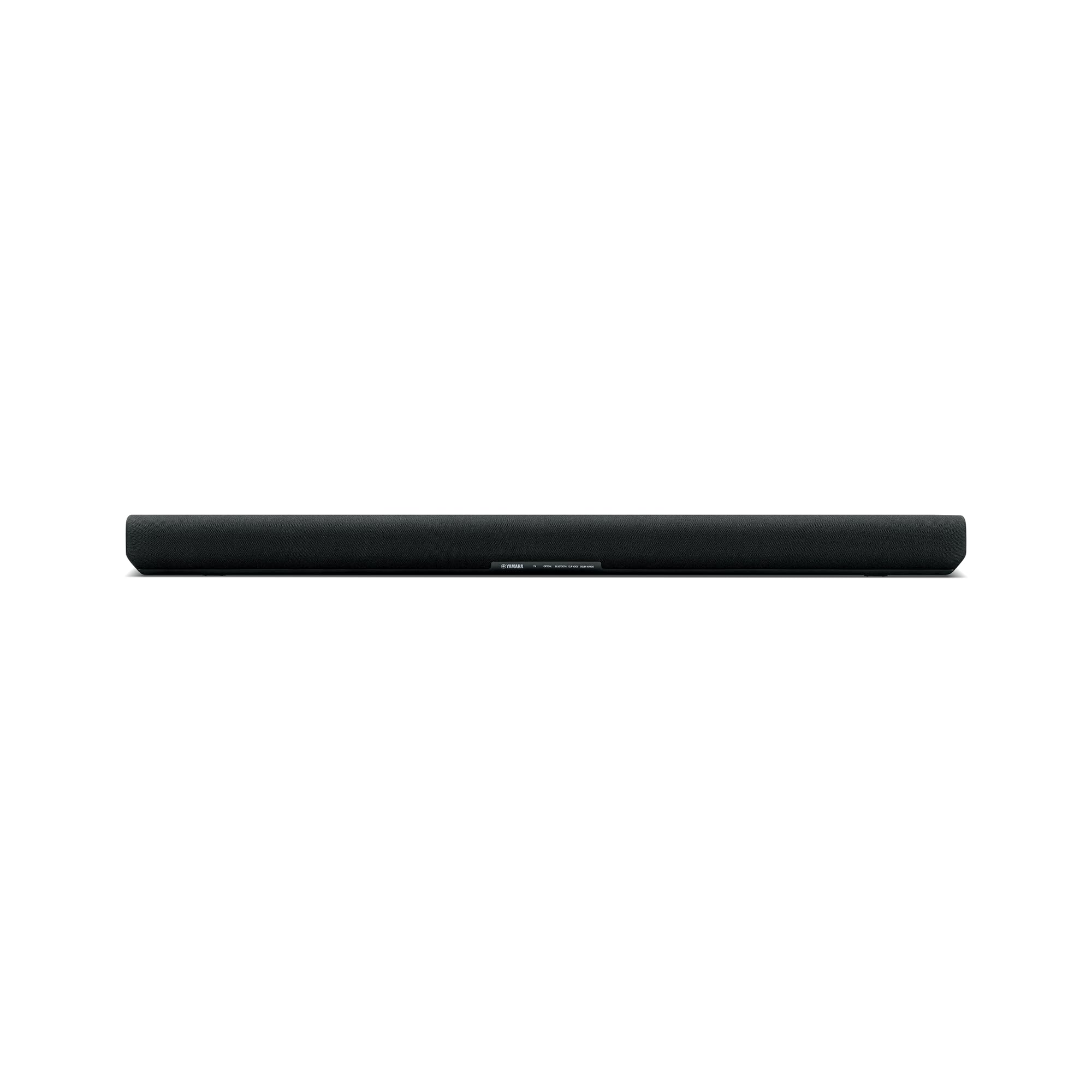
Yamaha SR-B30A

85 /100
Sound Score Excellent

Key details

eARC
Yes
Channels
All-in-one
Subwoofer
Dual built-in
Atmos Type
Virtualized
View on Amazon

The Yamaha SR-B30A is a true all-in-one: Clear Voice keeps dialogue crisp, and dual built-in subwoofers add body without requiring a separate box. HDMI eARC simplifies TV connection, and the mid-range price is fair for a single bar that handles Dolby Atmos content.

The reason it isn't the top pick: lower power and virtual Atmos limit cinematic immersion. For dialogue-focused TV and streaming in small-to-medium rooms, that tradeoff is easy to accept; for buyers expecting large-scale movie presence, the SR-B30A stays a secondary option.

Pros

  • Clear Voice keeps dialogue intelligible without making you wade through audio menus.
  • Dual built-in subwoofers deliver useful bass in a clean one-bar layout.
  • Yamaha build quality at a mid-range price offers strong value for an all-in-one Atmos bar.

Cons

  • Directional surround cues are virtual rather than physical, so a single bar can't place sound behind you.
  • Dual built-in subwoofers won't satisfy buyers looking for deep chest-thumping bass.
Our verdict

The SR-B30A makes the most sense for dialogue-focused Dolby Atmos TV in small-to-medium rooms where a single bar is the goal.

Check Latest Price

How to Choose

Channel Layout

A 2.1 or 3.1 bar decodes Atmos but relies on psychoacoustic tricks to fake overhead sound. A 5.1.2 system adds up-firing drivers and rear channels, which create a more convincing three-dimensional bubble.

In a small room, a 5.1 bar with side-firing drivers can sound surprisingly wide. In a large open-plan space, that same bar will struggle to fill the area, so channel count matters more than Dolby branding.

Atmos Implementation

Virtualization is not the same as physical height reproduction. Up-firing drivers bounce sound off the ceiling, so they need a low, flat ceiling within about eight feet to work well.

If your ceiling is vaulted, textured, or very high, virtual bars and up-firing bars both lose effectiveness. A bar with dedicated height channels or a rear-speaker kit is the more reliable path for consistent Atmos immersion.

Subwoofer Config

Bass is what makes movie soundtracks feel physical. A separate subwoofer moves more air than built-in drivers, and a larger driver generally delivers deeper extension with less distortion at high volume.

Wired subs are simpler and less prone to dropouts, but wireless subs offer easier placement. If you live in an apartment or share walls, a smaller 5.25-inch wired sub may be enough without rattling the building.

HDMI eARC Support

eARC is the only connection that carries lossless Dolby Atmos from a streaming app or 4K Blu-ray player to a soundbar. Optical and Bluetooth strip the immersive metadata and can introduce sync issues.

Before buying, confirm your TV has an eARC port, not just ARC. Many older TVs labeled ARC lack the bandwidth for full Atmos, so the bar will still decode a compressed format but not the best version.

Dialogue Enhancement

Dialogue modes like PureVoice, Clear Voice, and dedicated center-channel processing are not marketing fluff. They raise vocal frequencies above the noise floor of explosions and score.

If you watch a lot of dramas or action films with quiet conversations, a bar with a dedicated center channel or an AI dialogue mode will save you from constantly reaching for the remote.

App and EQ Control

A graphic EQ lets you tune the bar to your room's acoustics and your own taste. Presets alone are less flexible, especially when a bar's default tuning sounds boomy or dull.

App reliability also matters. A premium bar with an unstable app can lock you out of setup, EQ changes, and firmware updates, so check model-specific feedback about app stability before committing.

Frequently Asked Questions