9 Best Dynamic Microphones 2026: Which Ones Handle Real Gain

The best dynamic mics for vocals, podcasting, streaming, and live work — and which ones actually handle real gain.

Dynamic microphones reject room tone and survive rough handling, but they also produce a quieter signal than most beginners expect. A mic that sounds amazing on paper can sit too low in a recording if the interface or mixer does not have enough clean gain.

The practical fix is choosing a mic matched to your preamp, your voice, and your use case. Some dynamics need 50-60dB of gain before they sound their best, while USB/XLR hybrids remove that concern by handling gain internally.

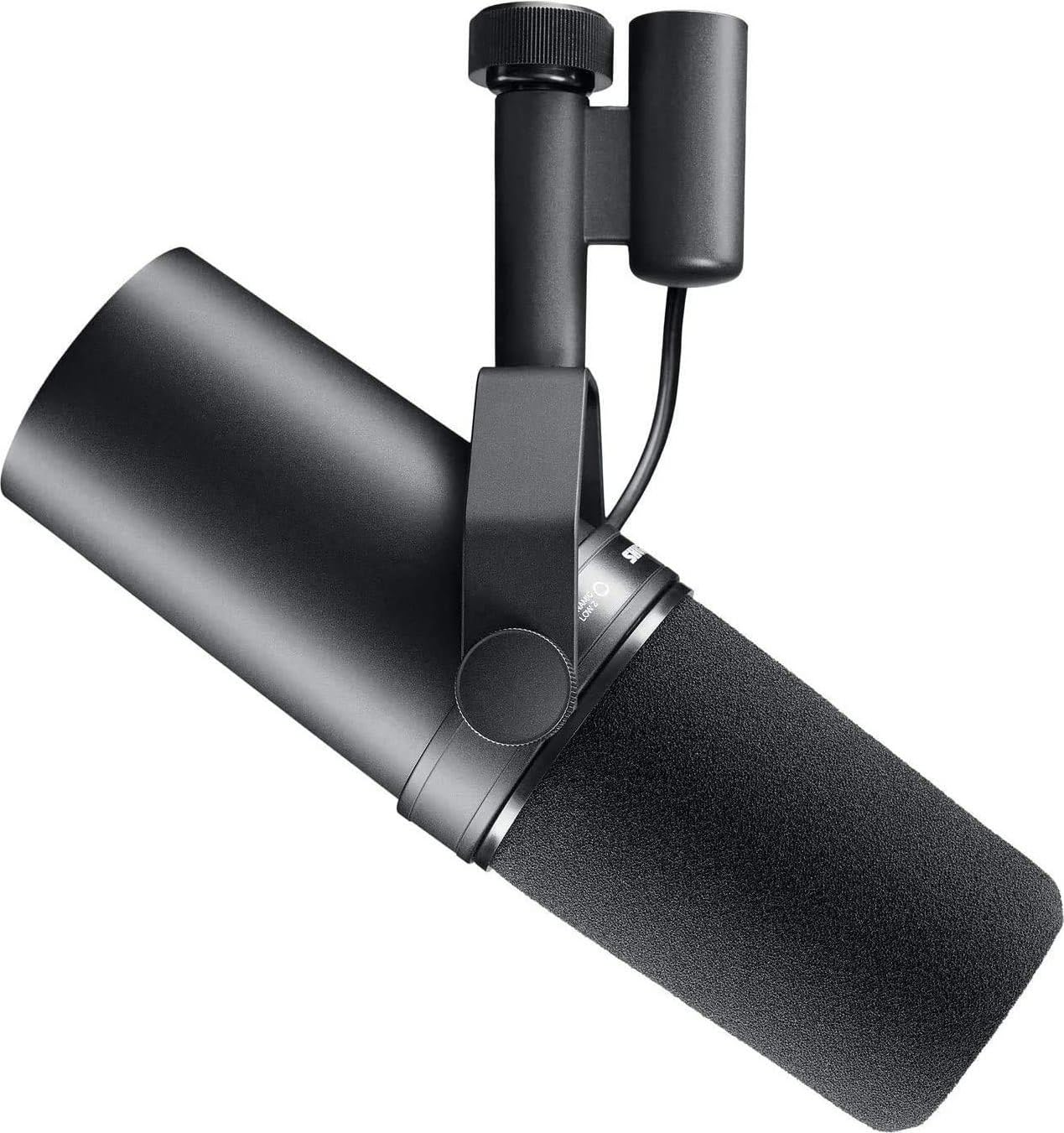
This guide focuses on the models that hold up where it matters: voice clarity, background rejection, durability, and connectivity that matches the way you actually record.

About the Sound Score: This comparative score is calculated from a product's published customer rating and review volume. It is not a laboratory measurement or a hands-on test result.

1

Best Overall Dynamic Microphone
Shure SM58

96 /100
Sound Score Outstanding

Key details

Build
Metal grille, rugged
Best Use
Live, studio, podcast
Output/Gain
Standard
Connectivity
XLR
View on Amazon

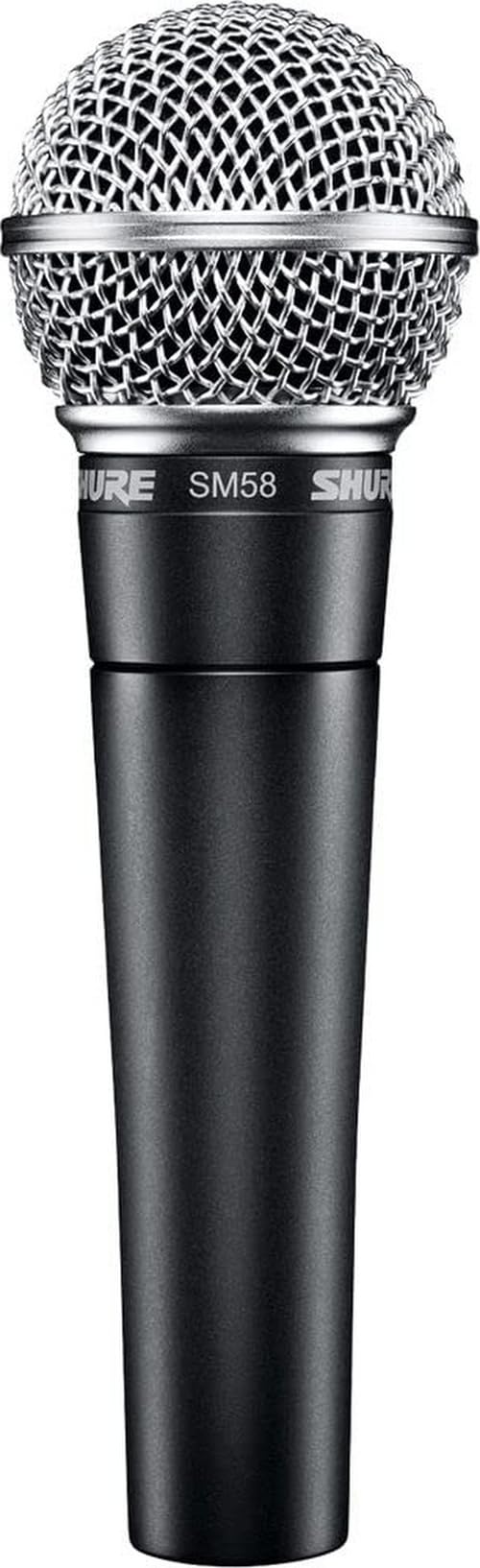
The SM58 is the all-purpose workhorse among wired dynamics. It reproduces vocals with warmth and articulation, while the cardioid pick-up pattern keeps stage noise and room reflections out of the mix. The frequency response lifts voice projection without making sibilance harsh, which is why the same mic handles a live vocal set, a podcast episode, and a karaoke night without EQ fuss.

The dynamic capsule needs no phantom power, and the metal grille and sturdy handle take the bumps of touring and repeated setup. Live vocalists can trust its road-readiness and stable output night after night. Podcasters and home recorders need to bring an XLR interface or mixer, because there is no USB output; this is not a plug-and-play desktop mic. If instant laptop connection is the goal, a USB/XLR hybrid is the better fit. For anyone with an interface, the vocal tone and build make it the category benchmark. That makes it a do-it-all for vocal-focused work, not a specialized studio tool. Live stages and untreated rooms are both within reach.

Pros

  • Warm, articulate vocal sound for live sets and spoken-word recording.
  • Road-ready metal body and stable cardioid pickup handle touring and repeated setup.
  • One microphone covers live, studio, podcast, and karaoke use without changing character.

Cons

  • The high-frequency voicing can sound bright on sibilant voices.
  • For close-miking guitar cabs or snare, a dedicated instrument dynamic is a better match.
Our verdict

This is the default for vocalists and podcasters who want one mic that adapts to live and home use without changing character.

Check Latest Price
2

Best XLR Broadcast Value

Rode PodMic

96 /100
Sound Score Outstanding

Key details

Build
All-metal body
Best Use
Broadcast, voiceover
Output/Gain
Low, 50dB+
Connectivity
XLR only
View on Amazon

The PodMic's all-metal body, integrated swing mount, and built-in pop filter give it a broadcast-studio look and feel at a budget price. Its cardioid capsule produces a clear, warm voice for podcasting and streaming, and the desk-friendly form factor sits naturally in front of a mixer setup. On camera, the dark grille and compact silhouette read as professional without taking over the frame.

For XLR podcasters, streamers with mixers, and voiceover artists on a budget, this is a strong spoken-word mic when paired with an interface that supplies 50dB+ of clean gain and a boom arm that handles a solid metal body. It is not a USB plug-and-play mic; buyers without XLR gear should consider the hybrid alternative in this guide.

💡 Set gain staging around 50dB and confirm your boom arm's weight rating before mounting.

Pros

  • All-metal body with integrated swing mount and built-in pop filter holds up to regular podcast use.
  • Clear, warm broadcast-style voice for spoken word without needing EQ or processing.
  • Cardioid pickup rejects background noise well enough for untreated rooms.

Cons

  • On lightweight boom arms, the all-metal shell can sag or tilt during positioning.
  • With an ultra-low-gain interface, speech may remain too quiet unless an inline booster is added.
Our verdict

For XLR users with a capable interface, the PodMic is a budget-friendly broadcast voice that suits dedicated podcast and streaming setups.

Check Latest Price
3

Best USB/XLR Starter Kit

Samson Q2U

91 /100
Sound Score Outstanding

Key details

Build
Handheld dynamic
Best Use
Podcast, calls, teaching
Output/Gain
USB preamp built-in
Connectivity
USB-C, XLR
View on Amazon

The Samson Q2U combines a cardioid dynamic capsule with USB-C and XLR outputs, so a first-time podcaster can record into a laptop today and migrate to an interface later without changing mics. The package includes a stand, clip, windscreen, and both cables, and the dynamic element helps keep background room noise out of voice tracks.

That fits remote workers, teachers, and new podcasters who want one budget mic that grows with their setup. Power-on or switch quirks can appear on individual units, so this is better suited to a home desk than a tour bag.

Pros

  • Clear, natural voice capture for spoken-word and podcasting.
  • Dual USB-C and XLR connections allow a laptop-first setup with an interface upgrade later.
  • Bundle includes stand, clip, windscreen, and both cables, removing first-mic guesswork.

Cons

  • The bundled stand and headphone jack can loosen or develop static with steady use.
Our verdict

For a first-time podcaster at a home desk, the Q2U is the most complete USB-to-XLR bridge at a budget price.

Check Latest Price
4

Best Premium Broadcast

Shure SM7B

96 /100
Sound Score Outstanding

Key details

Build
Broadcast body
Best Use
Studio, streaming, voiceover
Output/Gain
Low, 60dB+
Connectivity
XLR
View on Amazon

The SM7B is the broadcast-first dynamic in this set. Its cardioid pickup rejects off-axis noise, so spoken word stays centered even in an untreated room. The top pick in this lineup is the go-anywhere stage workhorse; the SM7B is the controlled-room specialist for podcast and voiceover sessions. The frequency response from 50 Hz to 20 kHz keeps the vocal range present without extra EQ.

This is for XLR-based voiceover setups in a professional or semi-pro studio, where the signal chain already includes an interface and monitoring. It assumes some gain staging knowledge before you hit record.

💡 Pair it with a preamp that delivers 60dB+ of clean gain, or add an inline booster.

Pros

  • Cardioid pickup rejects off-axis room noise for a focused voice track.
  • No phantom power needed, so a basic XLR interface is enough to connect it.

Cons

  • XLR-only input rules out plugging directly into a computer or tablet.
Our verdict

The dedicated studio voice in this set, best suited to creators with an established XLR signal chain.

Check Latest Price
5

Best Live Vocal Alternative

Sennheiser E835

94 /100
Sound Score Outstanding

Key details

Build
Rugged metal
Best Use
Live vocals, stage
Output/Gain
Standard
Connectivity
XLR
View on Amazon

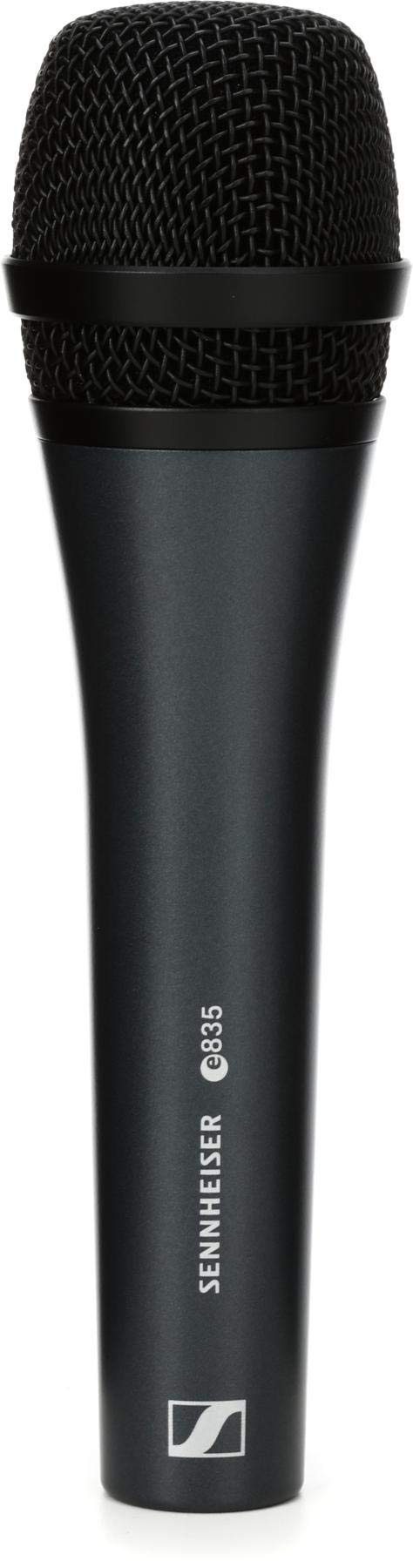
The E835 delivers a warm, clear vocal sound with strong off-axis rejection in a rugged metal body. Its cardioid pattern keeps stage noise out of the vocal, and the XLR connection slots into any standard mixer or interface. Live vocalists and presenters who want a German-engineered build and a slightly different midrange character than the top pick will find this an easy fit. That combination also suits spoken word, where the focused cardioid keeps the voice clear over room noise. This is not a USB plug-and-play mic or an instrument mic; it lives on a live-vocal stage.

Pros

  • Rugged metal housing handles the bumps of stage handling and travel night after night without feeling fragile.
  • Warm, clear vocal voicing cuts through live mixes while rejecting off-axis stage noise for a focused vocal sound.
  • At a mid-range price, this brings professional-grade live vocal performance without pushing into premium territory.

Cons

  • On sibilant or bright voices, the upper-mid presence can sound aggressive.
Our verdict

The E835 is the mid-range live-vocal mic for someone who wants Sennheiser build and a distinct vocal personality rather than another SM58.

Check Latest Price
6

Best Budget Gaming/Streaming USB/XLR

FIFINE AM8

91 /100
Sound Score Outstanding

Key details

Build
Desktop w/ RGB
Best Use
Gaming, streaming
Output/Gain
USB preamp built-in
Connectivity
USB, XLR
View on Amazon

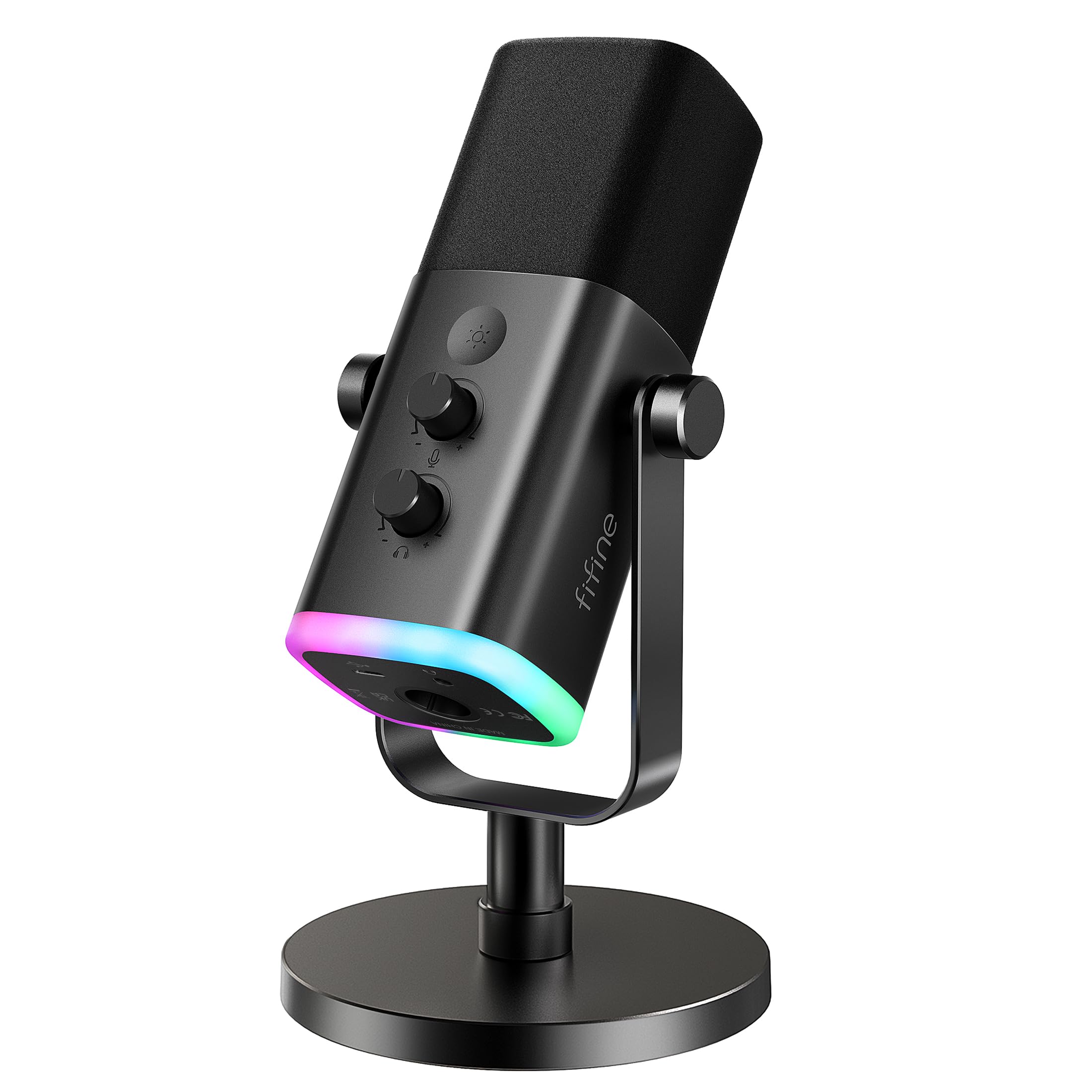
The AM8 is the feature-dense budget desktop dynamic: dual USB/XLR, RGB, mute, and headphone monitoring in one package. Voice clarity holds up for gaming and streaming, and plug-and-play USB works without an interface. The XLR output leaves room to move to a mixer or audio interface later without replacing the mic.

This suits budget streamers with an RGB-focused desk who want USB convenience today and XLR flexibility later. It is a desktop piece, not a road-workhorse kit, and unit-to-unit QC variation exists, so the feature set per dollar is the reason to choose it over a simpler analog mic.

💡 Use USB mode when you need the built-in mute and volume controls; XLR mode is the analog path.

Pros

  • Clear voice reproduction for gaming and streaming without needing a treated room.
  • Plug-and-play USB setup with XLR available when you move to an interface.
  • RGB lighting and mute/monitoring controls fit a style-first streaming desk.

Cons

  • Static or background noise can appear in quiet rooms on certain copies.
  • A copy can lose USB function after months of use.
Our verdict

The AM8 is the budget RGB desktop dynamic with the USB-to-XLR upgrade path already built in.

Check Latest Price
7

Multi-Mic Venues

Behringer XM1800S

93 /100
Sound Score Outstanding

Key details

Build
Handheld metal
Best Use
Karaoke, gigs, venues
Output/Gain
Standard
Connectivity
XLR
View on Amazon

Three functional XLR dynamics plus a carrying case at a lower price than a single typical budget microphone. Live cardioid pickup is clear enough for karaoke, church, and rehearsal stages, but quality control can vary between units, so this is a spare-mic reserve for venues rather than a critical-recording or premium podcast investment.

Pros

  • Three mics plus case and stand adapters at a per-unit price below a single budget dynamic.
  • Cardioid voice response is smooth enough for singing, speaking, and karaoke.

Cons

  • Individual units can have connection issues or early wear under heavy venue use.
Our verdict

Karaoke venues, schools, and bands on a tight budget get a practical multi-mic bundle; critical vocal recording and premium podcast setups should look at other options.

Check Latest Price
8

Karaoke, PA

FIFINE K6

89 /100
Sound Score Excellent

Key details

Build
Handheld dynamic
Best Use
Karaoke, PA systems
Output/Gain
Standard
Connectivity
6.35mm analog
View on Amazon

At a budget price, the K6 gives karaoke and PA users clear loud vocals through a long detachable 6.35mm cable and cardioid pickup. Build consistency can vary between units, which keeps it below more flexible USB/XLR hybrid mics and suited to occasional analog PA work.

Pros

  • Clear, loud vocal output at a budget price for karaoke and live speaking.
  • Compatible with karaoke machines and PA systems via the long detachable cable.

Cons

  • 6.35mm-only analog output excludes computer recording and 3.5mm-only devices.
Our verdict

If your setup already has a PA or mixer with 6.35mm inputs, this is the budget-friendly option for karaoke parties and live speaking.

Check Latest Price
9

Budget USB Recording

ZealSound K66

89 /100
Sound Score Excellent

Key details

Build
Desktop condenser
Best Use
Budget USB recording
Output/Gain
USB preamp built-in
Connectivity
USB
View on Amazon

The ZealSound K66 is a budget USB condenser with clear audio and bundled phone or tablet adapters. As a condenser, it sits outside this dynamic-mic guide rather than as a direct alternative. Buyers who specifically want moving-coil behavior should keep looking; those open to a condenser can treat this as an affordable USB option.

Pros

  • Clear USB audio at a budget-friendly price.
  • Bundled adapters support phone and tablet recording.

Cons

  • Background-noise pickup is more noticeable in untreated rooms than with a dynamic mic; long-term performance can vary.
Our verdict

Phone and tablet creators who already accept a condenser pickup can use it as a budget entry, but anyone specifically wanting dynamic-microphone behavior should pass.

Check Latest Price

How to Choose

Connectivity

USB dynamics handle gain internally and connect directly to a computer, which makes them the least intimidating option. XLR dynamics rely on an external interface or mixer, but they remain compatible with professional audio gear for decades.

USB/XLR hybrids cover both paths: you can start with USB and move to XLR later without replacing the mic. That flexibility costs a little more than a plain USB mic but protects your purchase if you outgrow your current setup.

Polar Pattern

Cardioid and supercardioid patterns reject sound from the rear and sides, which is why dynamic mics work well in untreated rooms and on loud stages. Supercardioid patterns reject more side sound but also pick up a small lobe of sound directly behind the mic.

For podcasting at a desk, cardioid is usually the safer choice. For live stages with monitor wedges, supercardioid gives extra feedback resistance if you position the rear null toward the monitor.

Output Level and Gain

Dynamic capsules produce a weaker electrical signal than condenser capsules, so they need more preamp gain to reach the same recording level. A low-output dynamic like the Shure SM7B can sound thin or distant through an interface with only 40dB of gain.

Check your interface's maximum gain and look for at least 50dB for most dynamics and 60dB for the quietest ones. If your interface falls short, an inline booster like a Cloudlifter or FetHead adds clean gain before the preamp.

Build Quality and Durability

Dynamic mics often live on stage or get packed and unpacked constantly, so materials matter. All-metal bodies, hardened grilles, and quality internal shock mounting prevent rattles and failures that plastic-bodied mics develop over time.

Budget mics can sound fine on day one, but the review record shows that switches, cables, and stand clamps tend to fail first. A metal-bodied mic with a detachable cable is a safer long-term investment than a sealed plastic unit.

Frequency Response and Voicing

Vocals sit mostly between 80Hz and 10kHz, so a vocal mic with a mid-range presence bump makes speech and singing cut through a mix. Instrument mics like the Shure SM57 emphasize a similar presence region but with a tighter low-end rolloff for guitar cabs and snares.

A flat response gives you more flexibility in the mix, but it often requires more EQ work. A shaped response is easier to use but harder to change later. Pick the voicing that matches your primary use-case rather than trying to cover everything.

Frequently Asked Questions