7 Best Gaming Headsets for Kids in 2026: Picks That Survive Real Use

The best gaming headsets for kids that keep voice chat working and fit smaller heads, without paying for marketing-led RGB extras.

Most gaming headsets marketed to families look the same: big drivers, glowing ear cups, and a microphone that is easy to notice and hard to rely on. In practice, the part that matters most for a kid is not bass depth or virtual surround. It is whether the mic keeps working after a few weeks of Fortnite sessions and whether the headband actually fits a smaller head without sliding or squeezing.

The budget category is full of listings that overstate noise cancellation and 7.1 surround, while the real complaints cluster around two things: microphones that stop working and plastic frames that crack. This guide focuses on wired and wireless models with enough review history to show how they hold up in real households, and it flags the ones that are better suited to older teens who can handle a heavier, adult-sized fit.

If you are buying for a young child, weight and volume control matter more than RGB lighting. If you are buying for a teen, sound quality and comfort across long sessions are the priority. The right choice comes down to matching the headset's limits to your child's age, console, and tolerance for cable management.

About the Sound Score: This comparative score is calculated from a product's published customer rating and review volume. It is not a laboratory measurement or a hands-on test result.

1

Best Overall

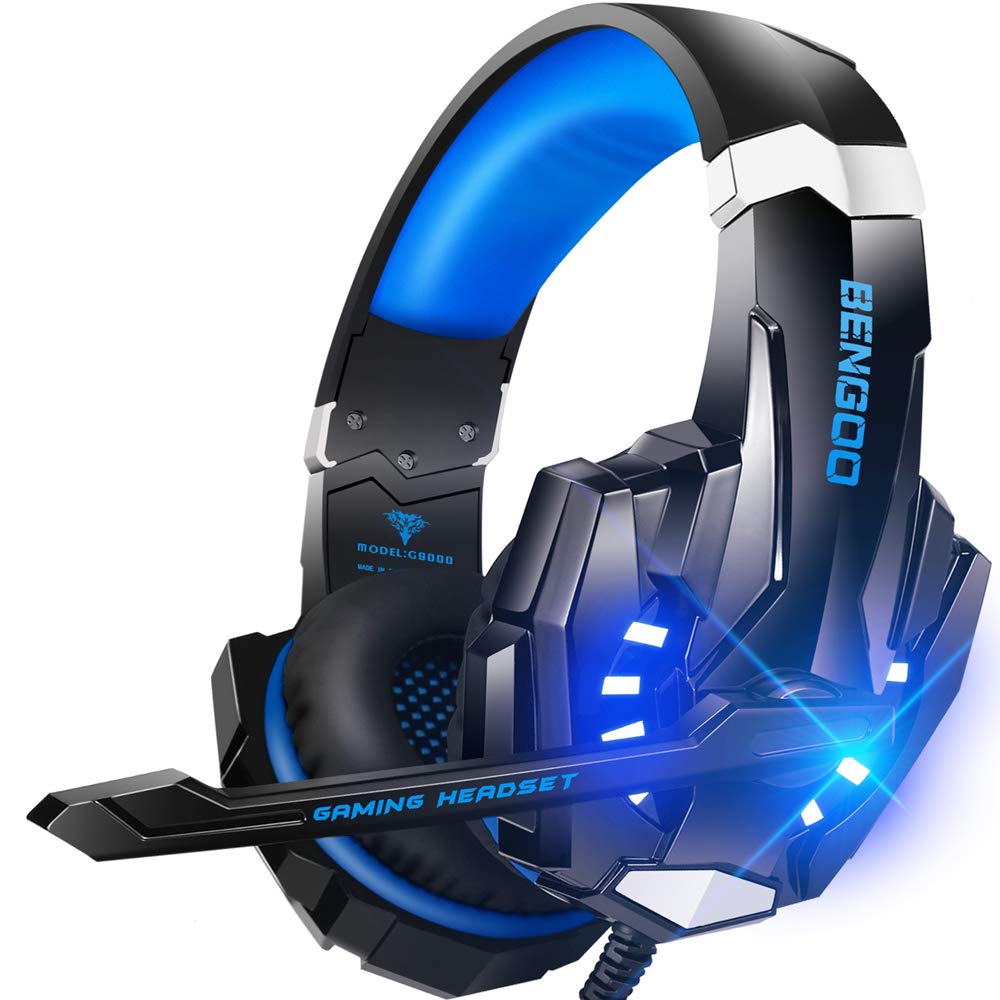
BENGOO G9000

88 /100
Sound Score Excellent

Key details

Weight
272g
Driver Size
40mm
Connectivity
Wired 3.5mm
Volume Limiting
No
View on Amazon

The G9000 delivers consistent comfort, clear game audio, and a deliberately simple multi-platform design. Its 272g frame and protein-leather earcups suit long sessions on a PS4, PS5, Xbox controller, or PC, and the 3.5mm jack means the same headset moves between consoles without an adapter. The 40mm drivers keep game audio clean at moderate volumes, while voice chat stays intelligible enough for squad play. Bass-heavy moments have enough punch to feel exciting, while dialogue and in-game cues remain easy to follow. That combination covers the essentials without pushing you toward a higher price bracket.

The closed earcups provide passive noise isolation rather than active cancellation, so household background noise drops noticeably but louder interruptions still come through. For a teen on a shared family TV, that reduction is usually enough to focus on a match. The lack of a battery also removes the charging routine that wireless headsets add, and the in-line controls handle mute and volume without opening a console menu.

This headset suits older kids and teens who want one budget option across several consoles. Long-term cable or driver issues can surface within months on some units, so treat it as an entry-level purchase rather than a multi-year investment. There is no built-in volume limiter, so a parent can set the console's maximum volume once to keep younger ears protected. The standard 3.5mm plug also means no proprietary connector to lose.

The adjustable headband extends far enough for teen head sizes, and the swiveling earcups follow the ears instead of pressing. The plastic frame is light enough for daily use, and the earcup swivel helps the headset sit flat when stored. For a shared-family headset, that kind of adjustability matters more than a logo or extra LED.

The strongest argument for the G9000 is how uncomplicated it is. It skips RGB and oversized drivers, leaves the flashy upgrades to the newer BENGOO sibling, and focuses on the basics a family actually notices: a comfortable fit, acceptable sound, and a simple cable. That restraint is why this remains a safe default for families who want a headset that works today without a learning curve.

💡 Position the boom mic closer to your mouth for clearer chat.

Pros

  • Clear, immersive game audio for a no-fuss entry-level headset.
  • Soft protein-leather earcups and a 272g frame keep long sessions comfortable.
  • Strong budget value with the console coverage a family headset needs.
  • Sturdy frame that works well for older kids and teens.
  • Passive isolation cuts enough background noise for focused gaming.

Cons

  • The over-ear frame runs large for younger children, so it suits older heads better.
  • The mic may go quiet or pick up background noise during online chat, though single-player audio is unaffected.
Our verdict

For older kids and teens with multiple consoles and a budget-first mindset, this is a sensible entry-level headset that does not overpromise.
Check Latest Price
2

Best for Younger Kids

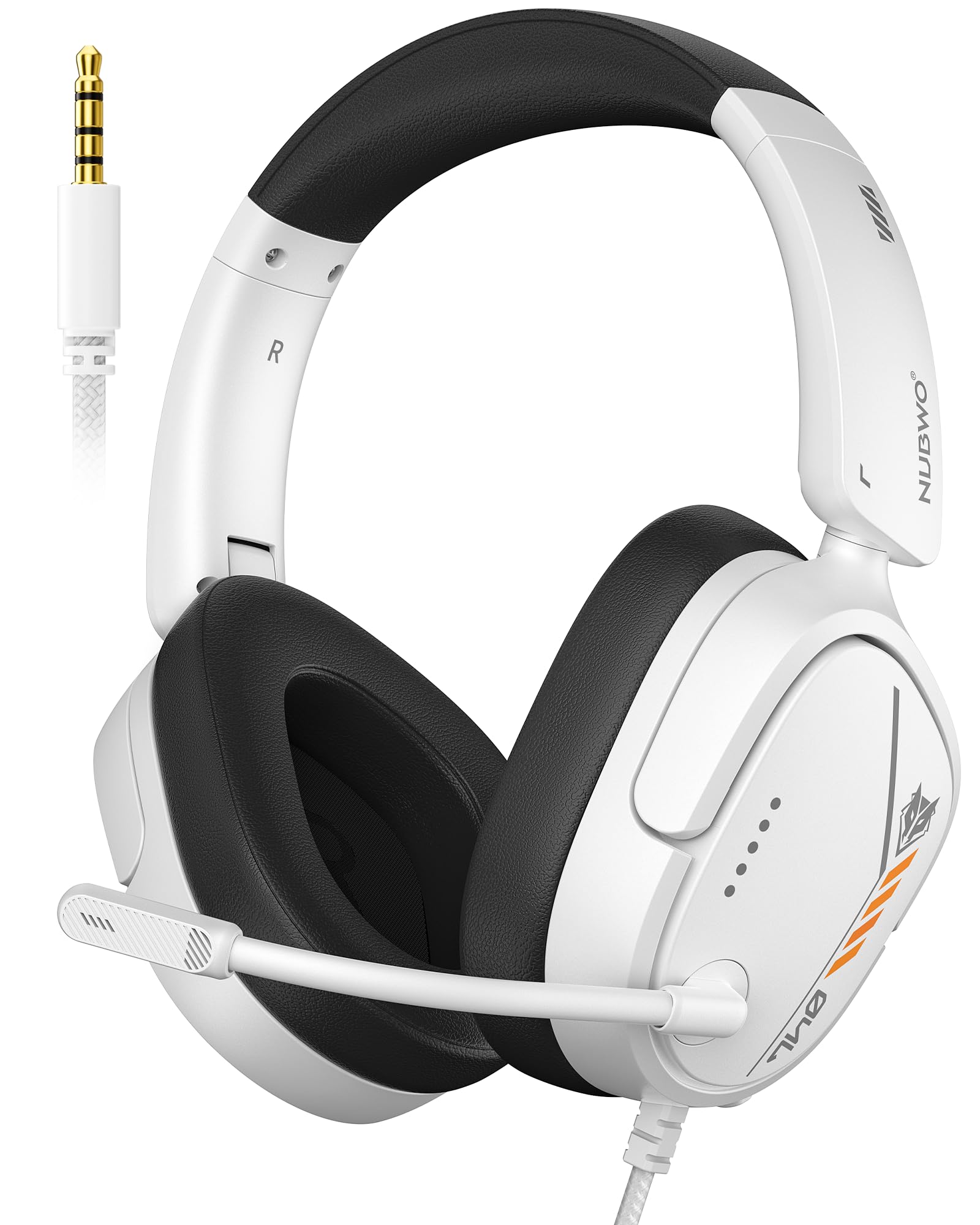
NUBWO HG04L

85 /100
Sound Score Excellent

Key details

Weight
250g
Driver Size
40mm
Connectivity
Wired 3.5mm
Volume Limiting
No
View on Amazon

At 250g with memory foam ear pads, the NUBWO HG04L is purpose-built for smaller heads. It folds compact, so it drops into a backpack without hogging space. The memory foam pads stay comfortable through longer play sessions, and the frame avoids hard pressure on the top of a child’s head. The brand markets it for kids and teens, and the 40mm drivers deliver clear game audio while the unidirectional mic handles voice chat on PlayStation, Xbox, Switch, and PC.

Sound stays clear for footsteps and soundtrack cues, and the passive isolation stops room noise from swallowing quiet moments. The wired 3.5mm connection works across PS5, PS4, Xbox, Switch, and PC, so moving between consoles is just a matter of unplugging and plugging in. No software setup is required, which removes a parent headache.

The HG04L is the right match for a younger child who needs a comfortable, smaller fit and a wired headset that can be folded away between uses. The volume ceiling on some consoles is moderate, which suits younger ears, and the chat mic is the one variable to confirm on a specific unit. Families who expect very high output or a chat mic that always sounds clean will get more from the larger all-rounder in this comparison.

Pros

  • Clear and loud enough for typical game audio at a budget price.
  • Dependable wired connection across PS5, PS4, Xbox, Switch, and PC.
  • 250g frame with memory foam pads keeps pressure low on smaller heads.
  • Passive isolation helps a child stay focused in a busy room.

Cons

  • Max volume can be lower than expected on some consoles, a tradeoff for quieter sessions.
  • Mic output can sound robotic or drop out on some units, so a quick chat test is worthwhile.
Our verdict

A kid-sized wired headset that folds up small and fits comfortably in a backpack.

Check Latest Price
3

Best for Hearing-Safe Volume

SIMOLIO Kids Headphones

88 /100
Sound Score Excellent

Key details

Weight
Driver Size
Connectivity
Wired 3.5mm
Volume Limiting
75/85/94 dB
View on Amazon

SIMOLIO's wired kids headset leads with a physical 75/85/94 dB volume switch — a genuine hearing-protection control rather than a software slider. The boom mic handles game chat and school calls from the same 3.5mm connection, and the on-ear design keeps the package simple. Compared with the lighter foldable option in this roundup, the SIMOLIO adds a real volume ceiling without needing an external adapter or app.

Voice chat comes through clearly in game sessions, and the mic picks up speech without sitting directly against the mouth. The wired connection works with tablets, Chromebooks, Switch, and most consoles, and the included Y-splitter lets two kids share one device. The 75 dB setting is quiet enough for younger ears, while the 94 dB max leaves older kids room to hear game audio and still keeps the ceiling fixed.

This is the pick for hearing-conscious parents who care more about protecting ears than chasing RGB lighting. Kids who need a deeper over-ear pad or who are sensitive to on-ear pressure may find the fit large or tight, so a home trial before school use is practical. If your child's priority is flashy lights or a plush cushioned feel, this isn't the headset for them.

💡 Keep the switch on 75 dB for younger kids and move up only if game audio feels too quiet; use the Y-splitter for shared-screen play.

Pros

  • Physical volume switch caps sound at 75, 85, or 94 dB, so parents can set a safe ceiling without extra gear.
  • Boom mic delivers clear voice chat for school and gaming sessions.
  • Wired 3.5mm connection covers tablets, Chromebooks, Switch, and most consoles.
  • Build quality holds up to kid-level handling in school and home use.

Cons

  • On-ear cushions can feel large or press on smaller heads after long sessions.
Our verdict

For hearing-conscious families, the physical volume control puts this wired headset ahead of every other option here.

Check Latest Price
4

Best Wireless

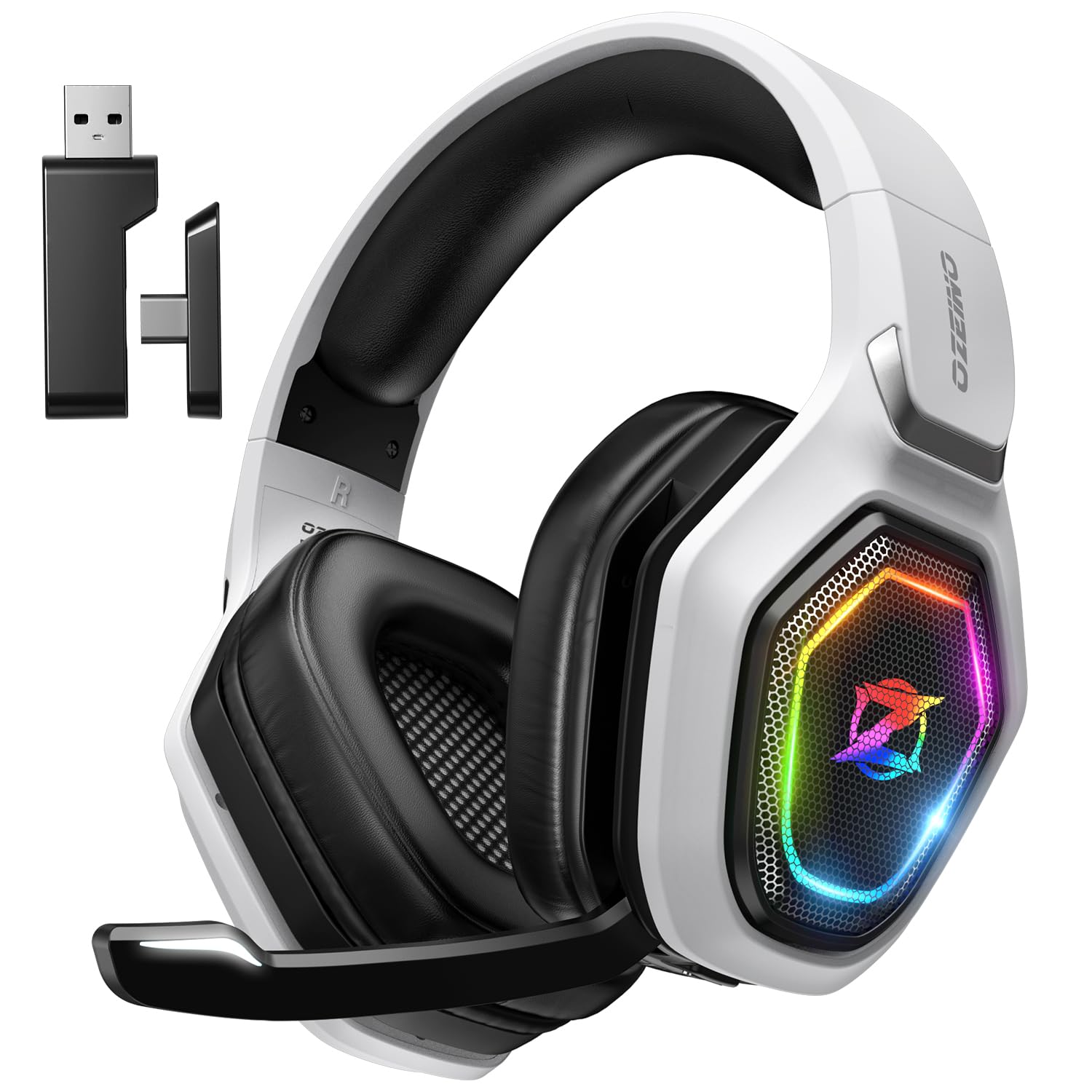
Ozeino OW810 Wireless

88 /100
Sound Score Excellent

Key details

Weight
490g
Driver Size
50mm
Connectivity
2.4GHz + Bluetooth
Volume Limiting
No
View on Amazon

2.4GHz low-latency wireless keeps game audio locked to the screen, and the 40-hour battery can stretch across a long weekend of play. The Bluetooth fallback expands the headset to phones or tablets, while the 50mm drivers deliver clear game audio with strong bass. Families who want a lighter wired frame can find one in this set, but not with the same freedom from cables.

The mid-range build is sturdy enough for daily use, and the over-ear cushions keep pressure low during longer sessions. The wireless connection stays put at normal room distances, and switching between 2.4GHz and Bluetooth is a simple toggle. The 40-hour battery is the standout spec here: it removes the habit of charging the headset before every session.

Teens and older kids on PS5, PC, or Switch are the right fit: no cable to manage and a battery that lasts through a week of normal play. That is exactly what households tired of untangling cords are after. Xbox households and parents of younger children should pass — Xbox support is absent, and the 490g frame is too heavy for small heads.

💡 Use the 2.4GHz wireless mode for console play and Bluetooth for phone or tablet listening.

Pros

  • Clear game audio with strong bass keeps footsteps and action cues easy to pick out.
  • Sturdy shell and soft ear pads make this a comfortable fit for teens through long sessions.
  • The 40-hour battery is enough for a full week of typical after-school play.
  • Low-latency 2.4GHz keeps game audio in sync, with Bluetooth as a backup for other devices.

Cons

  • Bluetooth mode has device limits, so voice chat is not guaranteed on every paired device.
  • Some units may develop charging or power-on issues after months of use.
Our verdict

For PS5/PC/Switch households with teens or older kids, this headset cuts the cable without battery anxiety.

Check Latest Price
6

Best Style for Tweens

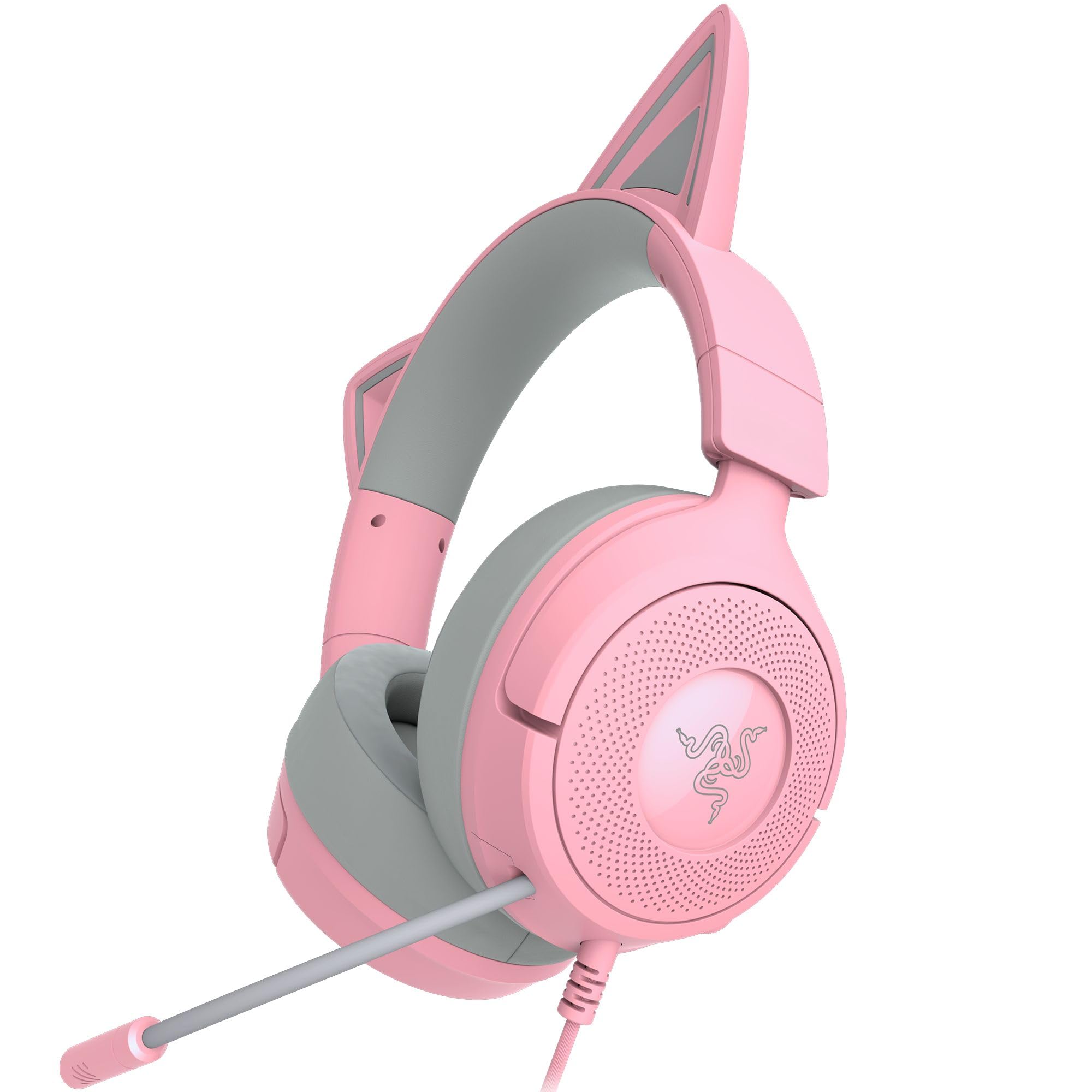
Razer Kraken Kitty V3 X

84 /100
Sound Score Excellent

Key details

Weight
270g
Driver Size
40mm
Connectivity
Wired 3.5mm
Volume Limiting
No
View on Amazon

The kitty-ear design plus a HyperClear cardioid mic makes this the rare novelty headset that still treats chat quality as a real requirement. The 40mm drivers offer balanced game audio, and the cardioid mic pattern rejects some background noise, so background chatter is less likely to reach stream chat. It stays out of the high-performance Razer lane, which is fine when the goal is a cute streaming setup rather than tournament-level positional audio.

Best for tweens and teens who want the cat-ear streaming look and can confirm the fit before the return window closes. The 270g frame is light enough for longer sessions, and the wired 3.5mm connection keeps setup simple on consoles and laptops. Heads at the small end of the range may feel too much clamp, while larger heads may want more room, so a wear test matters more than a spec sheet. Mic output can vary, so a quick voice-recording test on arrival is part of the setup.

Build quality feels solid for the price, and the cat ears deliver the visual hook without feeling like a cheap add-on. The passive seal blocks enough room noise for a normal bedroom, though a very loud household will still bleed through.

💡 Keep the box until your child has worn the headset through a full game session and tested voice chat on the platform they will use.

Pros

  • Cat-ear design is the main draw and delivers the playful streaming look without feeling flimsy.
  • Balanced 40mm drivers give game audio a clear, neutral tone for a style-led headset.
  • Passive seal blocks a useful amount of room noise for focused play in shared spaces.
  • Frame feels solid for the price and keeps the 270g weight manageable.

Cons

  • The clamp can feel too tight on small heads or too loose on larger ones even at the smallest setting.
  • Mic output can vary from clear to barely audible, so chat levels are worth testing on arrival.
Our verdict

A cat-ear headset for young streamers who want the look without losing chat along the way.

Check Latest Price
7

Switch Families

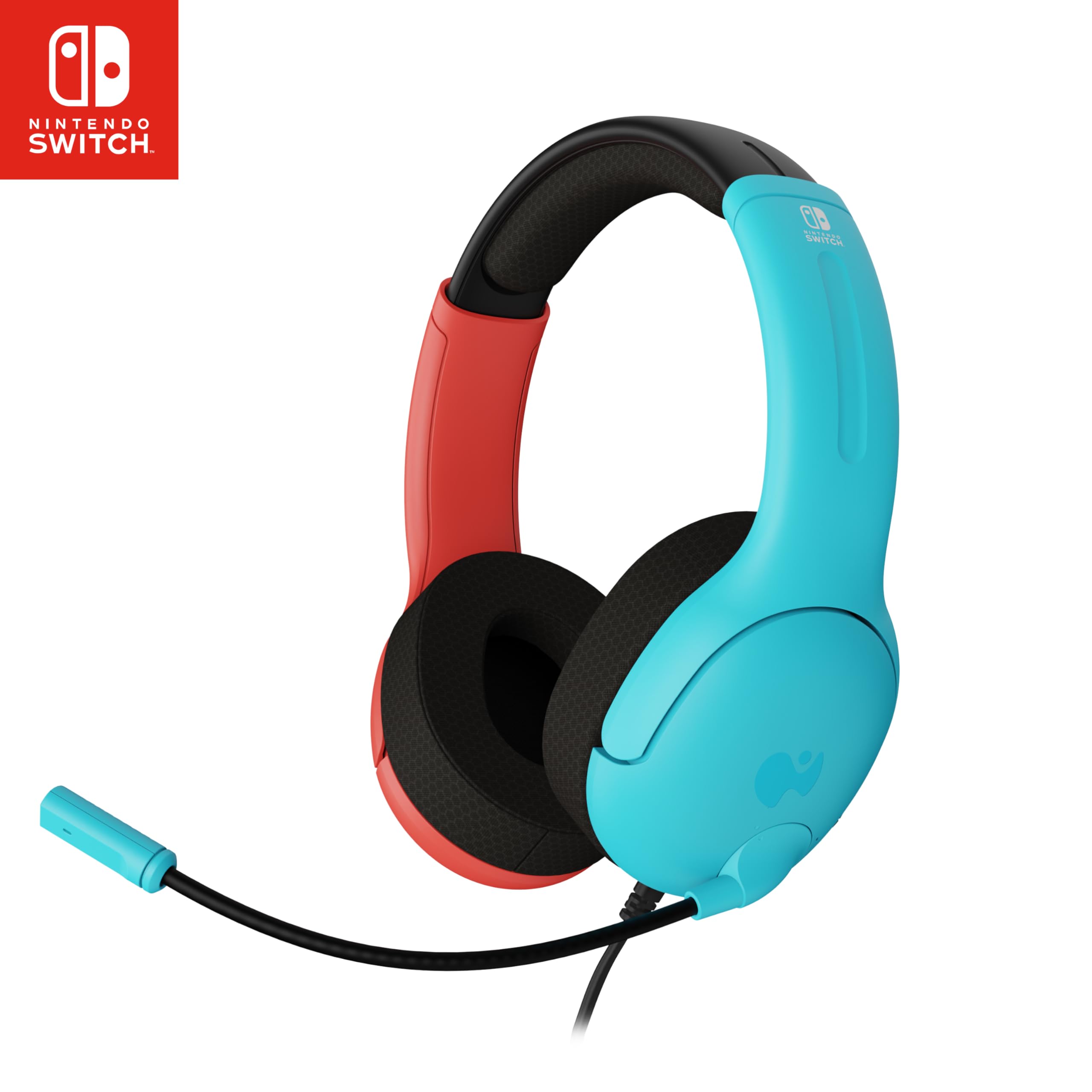
PDP LVL40 Airlite

89 /100
Sound Score Excellent

Key details

Weight
Driver Size
40mm
Connectivity
Wired 3.5mm
Volume Limiting
No
View on Amazon

The PDP LVL40 Airlite brings Mario Neon styling to an officially licensed Switch headset, with on-ear controls that are easy for younger players to reach. The 40mm driver foundation is enough for platforming and racing game audio, and the wired 3.5mm connection keeps setup to a single plug. Flip the mic up to mute, roll the volume dial on the ear cup, and the console side of the experience stays simple. The Mario identity is the core appeal; the lighter foldable set in this lineup is the fit-first option, while this one is the Nintendo-first option. The practical use-case is a themed Switch companion for everyday play, so the purchase decision rides on the Nintendo identity and the controls, not on a long-service guarantee.

Pros

  • Officially licensed Mario Neon styling makes the headset feel like part of the Switch world rather than a generic accessory.
  • On-ear volume and flip-to-mute mic keep chat controls reachable without fumbling through a menu.
  • The wired 3.5mm connection works with the Switch audio jack for immediate setup.

Cons

  • The fixed Mario theme will not blend into a neutral setup or suit a child who moves away from the franchise.
  • On-ear cushions press against the ears, which can feel less forgiving than over-ear models during longer play sessions.
Our verdict

If the point is to hand a young Nintendo fan a headset that feels like part of the console, this one fits the job without pretending to be a general-purpose audio tool.

Check Latest Price
8

Budget 50Mm Option

Tatybo Gaming Headset

89 /100
Sound Score Excellent

Key details

Weight
227g
Driver Size
50mm
Connectivity
Wired 3.5mm
Volume Limiting
No
View on Amazon

The Tatybo Gaming Headset pairs 50mm drivers with a 227g frame — an unusually strong combination at a budget price. Game audio comes through clean, action-heavy titles get solid bass, and the aluminum headband and braided cable keep the build from feeling cheap. It suits kids and teens on PS4, PS5, Xbox, and PC, though children who need a very small fit will find the over-ear frame too roomy. Mic output can be inconsistent, and durability can vary enough that a unit may not hold up under extended use. That keeps it from taking the top spot, but it still offers similar all-round value to the top pick for families who want a light 50mm headset on a budget.

Pros

  • Clean stereo sound with strong bass makes action games more immersive at a budget price.
  • Aluminum headband and braided cord give the build a light, long-lasting feel.
  • Suits kids and teens on PS4, PS5, Xbox, and PC without feeling too heavy.

Cons

  • Durability may vary between units, so one headset may not last as long as another.
  • Microphone output can be inconsistent, and voice chat quality may suffer as a result.
Our verdict

For families who want a light 50mm headset for kids and teens and can accept some mic unpredictability, the Tatybo is a sensible budget buy.

Check Latest Price

How to Choose

Weight and Fit

Heavier headsets put more pressure on the top of a child's head and the jaw, which leads to complaints within the first hour of play. Adult-oriented models often weigh 300-490g and assume a larger head circumference, so they sit loose or slide forward during intense gaming sessions.

A practical target for younger kids is 250g or less. Lighter frames with memory foam ear cups and a flexible headband distribute pressure more evenly. If the headset is for a teen, weight tolerance is higher, but a 490g wireless model still feels heavy across a three-hour session.

Microphone Reliability

Budget headsets use inexpensive electret microphones with thin wiring at the boom joint. Repeated folding and rough handling eventually breaks the connection, and once the mic goes silent the headset loses its main job for multiplayer games. That is why mic problems dominate negative reviews in this category.

Look for a unidirectional or cardioid microphone, which rejects more background noise. A flip-to-mute or detachable boom also reduces wear because the mic is not constantly in the way. No budget manufacturer guarantees mic longevity, but designs with sturdier booms and braided cables tend to survive longer.

Driver Size and Sound

Driver size affects how much air a headphone can move. A 50mm driver generally produces stronger bass and higher volume headroom than a 40mm driver, though tuning matters more than raw size. For game audio, directional clarity is more useful than deep bass, so a well-tuned 40mm headset can still work well for hearing footsteps.

Virtual 7.1 surround is mostly a software effect applied to stereo drivers. It does not add physical speakers. For kids playing on consoles, virtual surround often requires a USB dongle or PC software, which can create extra setup friction. A straightforward stereo headset with good channel separation is enough for most games.

Platform Compatibility

A single 3.5mm wired headset works with PS4, PS5, Xbox Series controllers, Switch, PC, tablets, and phones, but there are caveats. Xbox controllers use a slightly different pin layout, so headsets without Xbox certification may have a weak mic or no mic at all. Switch supports headset mics over 3.5mm, but some USB-powered RGB designs do not pass mic audio through a direct USB connection.

Wireless models complicate things further. Headsets that use a 2.4GHz dongle often support only PS5, PC, and Switch, while Xbox requires official Wireless protocol or a licensed wired connection. Before buying, verify the exact console generation and whether the included dongle or cable supports voice chat.

Volume Limiting

Built-in volume limiting is rare among mainstream gaming headsets. The SIMOLIO option includes a physical switch with 75/85/94 dB limits, which is a genuine safety feature for younger children. Without such a switch, parents must rely on console volume settings or set a maximum in the platform's parental controls.

Console volume limits only cap the system output level; they do not prevent a child from raising the in-game or chat volume independently. A physical limiter is the more reliable approach for kids who cannot self-regulate. For older teens, a headset without a limiter is acceptable if the listening time is reasonable.

Frequently Asked Questions