9 Best In-Ear Monitors of 2026: Cables and Seal Over Driver Count

Which best in-ear monitors hold a seal and last past the first cable snag for stage, studio, and critical listening.

Most in-ear monitor shopping starts with driver count and ends up with a pair that sounds different once the eartips go in and the cable gets pulled around a stage or bag. The gap between a lively first listen and long-term use comes down to fit, cable connections, and how consistently a unit holds up.

Some budget multi-driver models are tuned to be exciting on day one, but the durability of stock cables and the quality of insertion depth can shift that sound. A single-driver monitor with a replaceable cable and a reliable fit kit often makes a better stage tool than a fragile hybrid with impressive specs.

A smarter purchase weighs the use case first: live performance, studio reference, or casual listening. Buying around the cable and seal, not the driver array, helps you avoid the one-sided dropout that appears after months of use.

About the Sound Score: This comparative score is calculated from a product's published customer rating and review volume. It is not a laboratory measurement or a hands-on test result.

1

Best Overall

Shure SE215 PRO Clear

89 /100
Sound Score Excellent

Key details

Fit Kit / Isolation
Up to 37 dB isolation
Driver Configuration
Single Dynamic MicroDriver
Impedance / Sensitivity
10 ohms
Shell / Over-Ear Comfort
Over-ear wireform
View on Amazon

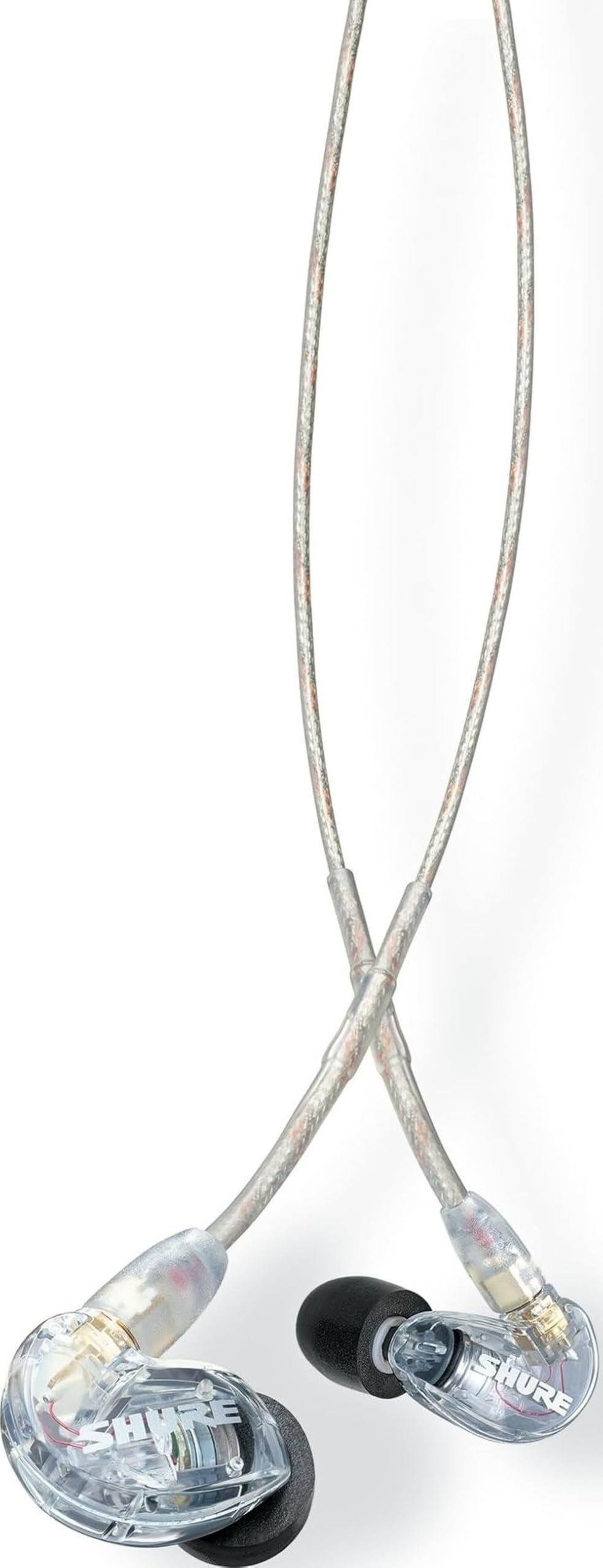
Detachable MMCX cable, up to 37 dB passive isolation, and a full fit kit put the Shure SE215 PRO Clear into the stage-monitor lane before any discussion of driver count. The single dynamic microdriver keeps the tuning balanced: clear highs, a present midrange, and bass that supports rhythm cues without masking vocals or guitar articulation. The included tip set is part of the acoustic design; a secure fit is what turns the isolation rating into real attenuation on a loud stage or a long commute.

The over-ear wireform helps keep the cable routed behind the ear, which reduces tugging and microphonic noise when you move. That same shape introduces the main boundary: the nozzle and memory wire may press against the helix or slip in some ear anatomies. For a musician who can tolerate the wireform, the monitor stays in place through floor movement and quick transitions. For someone who cannot, pressure builds long before the isolation benefit pays off, so a shorter low-profile shell may be a better physical match.

Working musicians, audio engineers, and frequent travelers who prioritize passive noise control and serviceable parts are the core buyers. Users with sensitive ear cartilage or unusual ear shapes should test the over-ear footprint before relying on it. Some units can produce one-sided audio after months, so ownership assumes the possibility of a cable or connector replacement. If zero-maintenance operation is a requirement, this monitor is not the right boundary.

Against budget multi-driver hybrids, the SE215 PRO Clear chooses field-sensible serviceability over driver-count appeal. It does not chase the same treble extension or ear-tickling clarity of a five-driver design. The payoff is predictable stage monitoring, easier parts replacement, and a sound that stays coherent across a set. That approach suits buyers who value a working tool more than a tuning experiment.

The detachable cable changes the cost of a snag. A cable crushed in a case or yanked on a stage can be replaced without scrapping the driver shell. That service path matters for musicians who coil and uncoil IEMs several times a week, and it also keeps the same monitor viable through multiple cable lengths or upgraded cable materials. The single dynamic driver keeps the acoustic load simple, which preserves clarity at moderate stage volumes.

💡 Shape the over-ear memory wire gently to follow the back of each ear before first use; a few minutes with the tip fit kit can reduce long-session pressure and improve seal.

Pros

  • Balanced full-range tuning keeps highs clear, mids present, and lows supportive for stage detail.
  • Up to 37 dB passive isolation reduces stage bleed and transit noise without batteries.
  • Professional build and fit kit provide the accessories needed for a secure seal.
  • Stepping up from budget earbuds delivers a meaningful shift in ownership and sound behavior.

Cons

  • Over-ear wireform and nozzle can press or slip for some ear shapes.
  • One-sided audio or cable wear may appear on some units after months of use.
Our verdict

For performers and engineers who want a monitor with strong passive attenuation, replaceable parts, and a controlled sound signature, the SE215 PRO Clear is the working-musician checkpoint in this set. Budget multi-driver shoppers wanting more top-end sparkle should look elsewhere, but this is the stage-standard route for IEM buyers.

Check Latest Price
2

Budget Audiophile Hybrid

Linsoul KZ ZS10 Pro

89 /100
Sound Score Excellent

Key details

Fit Kit / Isolation
Up to 26 dB isolation
Driver Configuration
4BA + 1DD hybrid
Impedance / Sensitivity
24 ohms, 111 dB
Shell / Over-Ear Comfort
Resin shell
View on Amazon

Four balanced-armature drivers plus a dynamic driver give the ZS10 Pro a crisp, lively presentation that separates it from the warmer single-dynamic stage monitor in this set. The hybrid tuning favors audible detail: cymbal decay, string texture, and vocal placement come through with a brightness that rewards analytical listening and practice monitoring.

The frequency range reaches beyond human hearing, but the practical benefit is speed and articulation in the upper register. The tuning is bright rather than neutral, so it suits listeners who want energy and detail over a flat reference curve.

The detachable 2-pin connection is a practical platform for later eartip and cable changes, which matters for long-term ownership. The resin shell and metal faceplate feel substantial, and the fit is snug enough for desk work, gaming, and moderate movement.

This is for budget-conscious audiophiles, musicians, and gamers who want multi-driver resolution without mid-range prices and can accept the stock cable and channel-consistency caveats above; plan for a cable upgrade. Buyers with very small ears or stage-rugged, drop-in road needs should choose the stage-first options instead. The ZS10 Pro is the detail-first alternative, not a road-stage workhorse.

Pros

  • Crisp, detailed, lively tuning reveals cymbal and string texture.
  • Budget-friendly price for a multi-driver hybrid with audible resolution.
  • Resin shell and metal faceplate feel substantial in hand.
  • Replaceable 2-pin connection allows cable and eartip upgrades.

Cons

  • The stock cable can feel short and thin; replacement is a practical step.
  • The resin shell can be large for smaller ear anatomy and may not stay locked.
  • Channel consistency may vary over extended use; one-sided audio is possible.
Our verdict

The ZS10 Pro suits analytical listeners, gamers, and players who prize treble detail over a high-isolation stage fit.

Check Latest Price
3

Best for Gigging Musicians on a Budget

MEE audio M6 PRO

88 /100
Sound Score Excellent

Key details

Fit Kit / Isolation
Comply foam + silicone tips
Driver Configuration
1 Dynamic Driver
Impedance / Sensitivity
16 ohms, 100 dB
Shell / Over-Ear Comfort
Memory-wire over-ear
View on Amazon

The M6 PRO packages a replaceable-cable system with two cables and Comply foam tips in the box, making it closer to a working-musician kit than a casual earbud. That bundled redundancy separates it from ultra-budget V-shaped alternatives that ship with one basic cable and fewer tip options, and it removes the need to buy a backup cable separately.

Its single dynamic driver prioritizes clear mids and smooth highs over heavy low-end, so vocal and guitar parts stay intelligible without bass-heavy coloring. The over-ear memory-wire fit helps maintain passive isolation during movement, reducing stage bleed when wedge mixes are limited.

The 16-ohm impedance and 100 dB sensitivity let it run cleanly from mixers, audio interfaces, and phone headphone jacks without a dedicated amp. The hard case keeps the spare cable and tip set organized between rehearsals, which suits players who move between multiple rooms.

This kit fits gigging instrumentalists and vocalists who want a spare cable and foam tips ready without a second purchase. The over-ear memory wire is not for everyone, and occasional one-sided audio can appear despite the replaceable cables; buyers who prefer a lower-risk fit should consider the top pick.

💡 If the memory wire feels tight, bend it gently around a rounded object to match your ear shape before inserting the earpiece.

Pros

  • Clear, full-range monitoring keeps vocals and guitars distinct without harsh treble.
  • Two detachable cables and Comply foam tips add backup and fit flexibility at a low price.
  • Secure over-ear memory-wire fit supports isolation during active stage movement.

Cons

  • The over-ear memory wire can press against smaller ears or feel awkward during long sets.
  • One-sided audio can appear even after swapping the detachable cables.
Our verdict

Clarity-first players who need a spare cable and isolation tips in one purchase get the most complete budget monitoring kit here.

Check Latest Price
4

Best Vocal Clarity Kit

BASN Bmaster

90 /100
Sound Score Outstanding

Key details

Fit Kit / Isolation
Case, tips, adapter
Driver Configuration
BA + DD triple driver
Impedance / Sensitivity
34 ohms, 97 dB
Shell / Over-Ear Comfort
Over-ear hooks
View on Amazon

The BASN Bmaster puts vocal clarity and accessories first: a triple-driver hybrid, two detachable MMCX cables, and a case with a 1/4-inch adapter in one mid-range package. Against the top pick's stage-first isolation, this kit leans toward singers and engineers who want a clear, balanced midrange without buying extra accessories or adapters.

Vocalists get a crisp presentation that keeps upper-midrange detail present without making cymbals abrasive. The over-ear hooks lock the shells in place through movement, and passive isolation reduces stage wash and room bleed while a musician checks pitch and phrasing. The low end stays present without burying the lead vocal, which helps on small stages and in rehearsal rooms. This balance supports vocal monitoring without added harshness.

This is the right IEM for a vocalist or engineer who wants a complete monitoring kit and already treats cables as replaceable parts. Stock cables feel inexpensive and some units develop right-side shorts, so a zero-maintenance buyer or someone who needs a low-profile shell should look elsewhere; buyers comfortable with a possible aftermarket MMCX cable get vocal clarity and a generous accessory box for the price.

💡 Treat the included MMCX cable as a starter part; keep a replacement cable in the case for stage work.

Pros

  • Crisp vocal-focused sound keeps upper-midrange detail clear and intelligible.
  • Complete value kit includes case, tips, and a 1/4-inch adapter at a mid-range price.
  • Secure over-ear fit keeps the shells stable during active monitoring.
  • Passive isolation helps block stage wash and room noise for live monitoring.

Cons

  • Included MMCX cable has a basic feel and may lead to an aftermarket replacement.
  • Right-side output can become intermittent after months of use.
Our verdict

The BASN Bmaster is the clarity-first alternative to the top pick for singers and engineers who will treat the cable as a consumable and keep a spare on hand.

Check Latest Price
5

Best Neutral Wired Monitor

Sennheiser IE 100 Pro

85 /100
Sound Score Excellent

Key details

Fit Kit / Isolation
Silicone + foam adapters
Driver Configuration
1 Dynamic 10mm
Impedance / Sensitivity
20 ohms, 115 dB
Shell / Over-Ear Comfort
Compact shell
View on Amazon

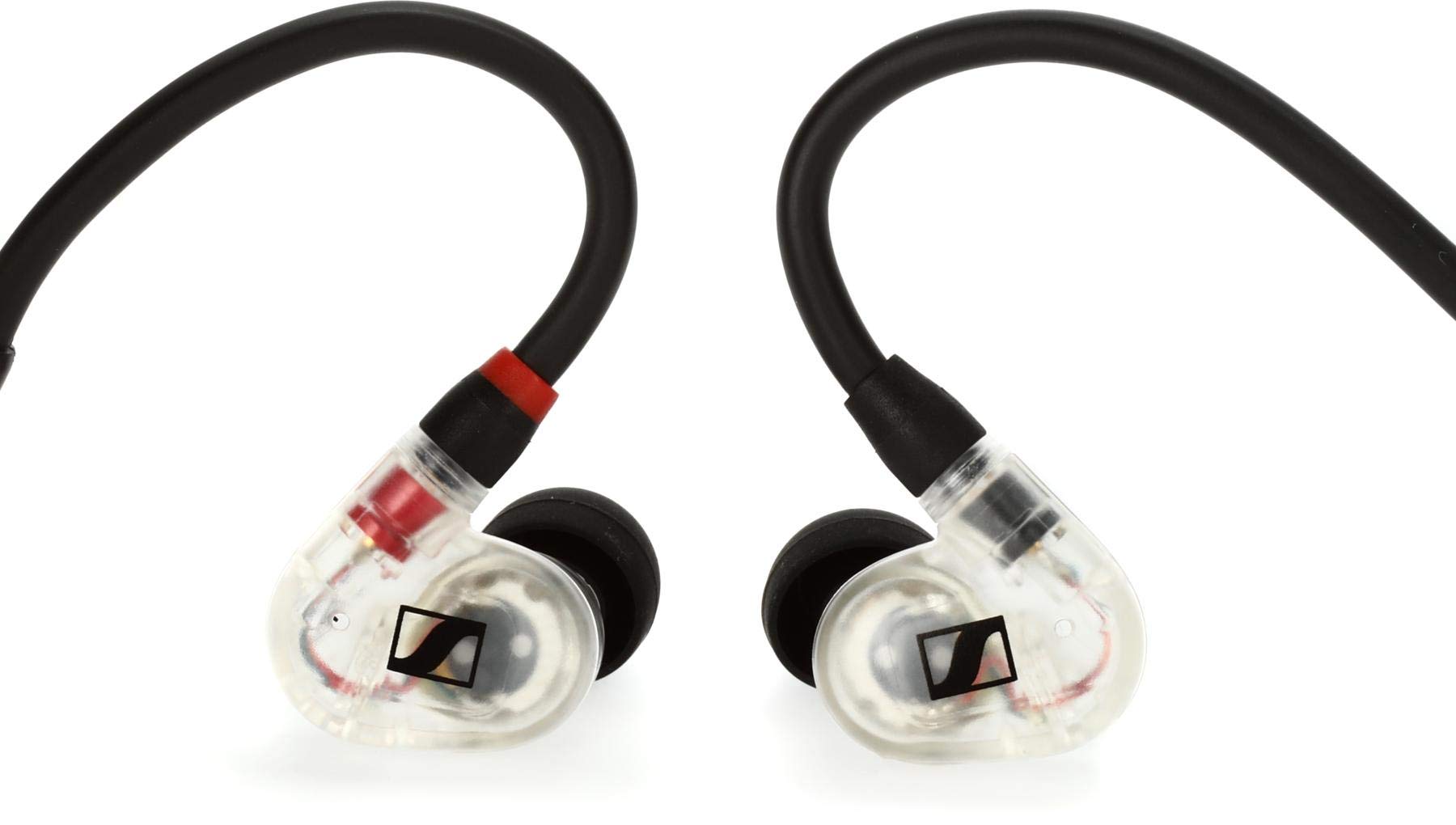
The IE 100 Pro keeps stage monitoring compact and efficient with a 10mm dynamic driver and 115 dB sensitivity in a slim wired shell. Included silicone and foam adapters give two ways to obtain a passive seal, while the detachable cable keeps bodypack or mixer hookups direct. This wired version omits the Bluetooth neckband of the wireless bundle in this set, keeping the signal path simpler for live monitoring.

Players and engineers who want an honest midrange and treble balance, rather than a consumer low-end lift, are the core audience. The neutral voicing can read bass-light next to V-shaped IEMs, and small or shallow ears can require extra tip swapping to get a stable seal. Those boundaries matter less for acoustic, vocal, or church-stage monitoring, where clarity and cable serviceability are priorities.

Build quality is a Sennheiser strength: the shell stays slim against the ear, the detachable cable reduces strain, and the mid-range price includes a proper fit kit for a branded pro monitor. In a full band mix, the tuning favors intelligibility over excitement, so it works best when the monitor feed already carries low-end information or when hearing pitch and timing issues is the priority.

💡 Spend time with both included tip styles before the first stage use; the bass and isolation change more with fit than with EQ.

Pros

  • Neutral voicing gives an honest mix reference for stage and studio use
  • Sennheiser build quality feels stage-ready
  • Mid-range price is fair for a branded pro monitor with a detachable cable
  • Slim ergonomic shell supports long monitoring sessions

Cons

  • In bass-heavy monitor mixes, the neutral voicing can sound lean
  • Small or shallow ear canals may struggle to get a consistent seal, which reduces low-end and isolation
  • One-sided audio can appear in some units during live use
Our verdict

The IE 100 Pro is the wired choice for musicians and engineers who need a neutral midrange reference and field-replaceable cabling in a low-profile shell.

Check Latest Price
6

Ultra-Budget Listening

YINYOO KZ-ZST

91 /100
Sound Score Outstanding

Key details

Fit Kit / Isolation
Driver Configuration
1DD + 1BA hybrid
Impedance / Sensitivity
18 ohms, 106 dB
Shell / Over-Ear Comfort
View on Amazon

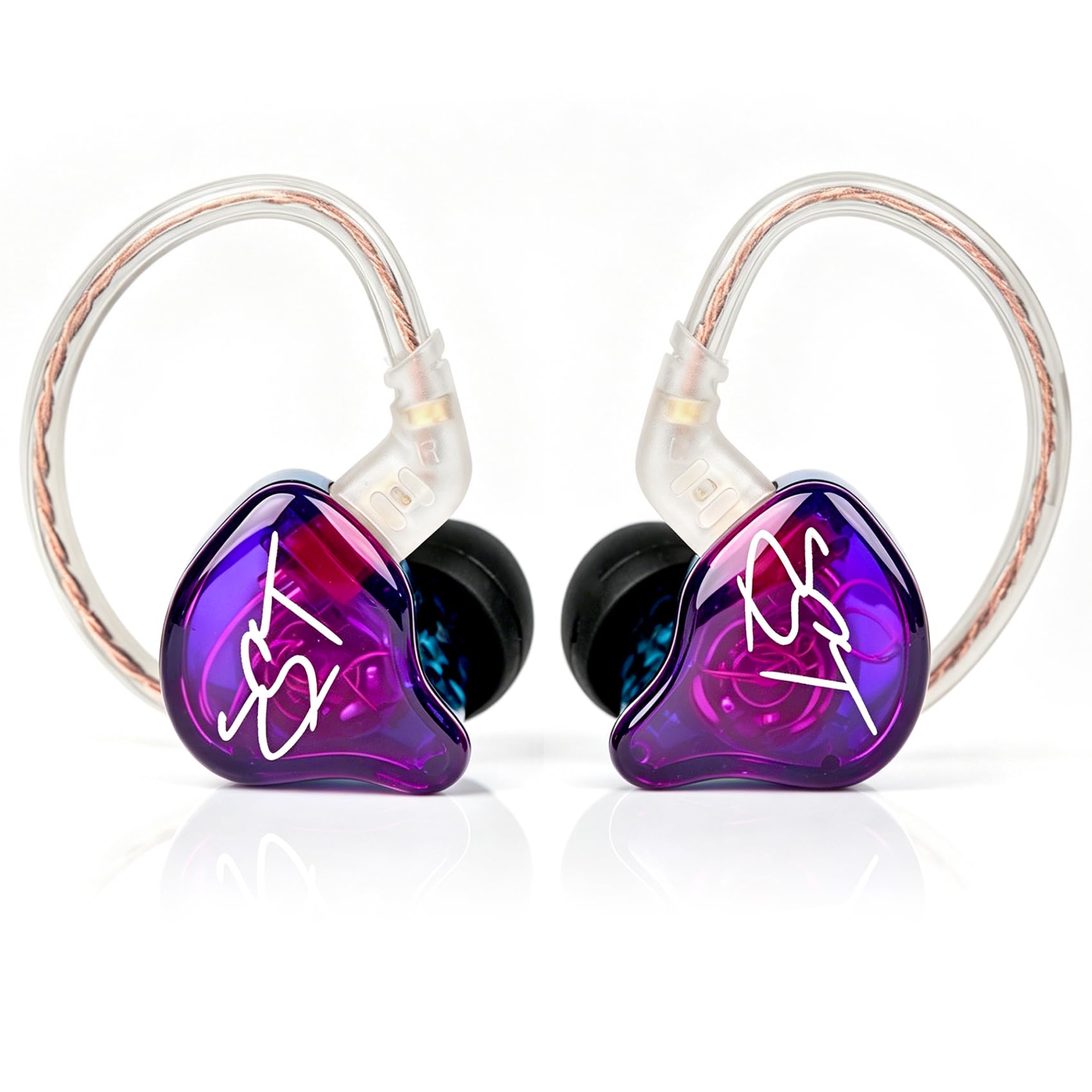
The 1DD + 1BA hybrid tuning gives this IEM an energetic but controlled balance, with more midrange and treble clarity than single-dynamic options near this price. The detachable 2-pin cable also means a cord issue does not require replacing the whole earphone.

The tradeoff is fit and build consistency rather than the tuning. Housing size can be problematic for small ears, cable quality is not premium, and older shell fit and durability are less consistent than the top-tier stage monitors. For seated listening with average-to-large ears, the hybrid clarity remains the main appeal.

Pros

  • Crisp, balanced sound with strong clarity and energetic delivery
  • Budget price delivers hybrid driver detail and balanced armature clarity
  • Lightweight fit stays comfortable during long listening sessions

Cons

  • Housing size can be too large for small ears; tip rolling may help but the shell remains bulky
  • Durability can vary between units, with occasional jack or cable faults that require care
Our verdict

Balanced wired sound with a replaceable cable makes this the budget pick for seated listening and backup duty where the shell shape fits.

Check Latest Price
7

Wired/Bluetooth Practice

Sennheiser IE 100 Pro Wireless

79 /100
Sound Score Very Good

Key details

Fit Kit / Isolation
Driver Configuration
1 Dynamic 10mm
Impedance / Sensitivity
20 ohms
Shell / Over-Ear Comfort
View on Amazon

The 10mm dynamic driver works with both a 3.5mm wired input and a Bluetooth 5 neckband, so one in-ear monitor moves between bodypack and phone practice. That dual-mode design is the main reason to choose it over the wired-only Sennheiser in this set. Comfort can be good once the ear tip seal is dialed in. This stays in the also-consider tier because the wireless connection and charging port can be spotty, and the ear tip fit is not universal. Buyers who do not need Bluetooth, or who need a bulletproof wired monitor, should choose the wired-only model instead.

Pros

  • One IEM covers wired bodypack monitoring and Bluetooth practice.
  • Comfort can work well after the ear tip fit is adjusted.

Cons

  • Eartip fit is not universal, and the earpieces can work loose for some ear shapes.
  • The charging port can develop problems over time.
Our verdict

Pick this when the wired plus Bluetooth dual-mode design matters more than owning the most durable monitor on the bench.

Check Latest Price
8

Budget MMCX Isolation

DCMEKA A09

89 /100
Sound Score Excellent

Key details

Fit Kit / Isolation
Up to 90% noise reduction
Driver Configuration
2 Dynamic Drivers
Impedance / Sensitivity
16 ohms, 96 dB
Shell / Over-Ear Comfort
Metal shell
View on Amazon

Two dynamic drivers give the DCMEKA A09 a lively low end and clear midrange, and the metal wood-grain shell feels more substantial than its price suggests. The detachable MMCX cable means a damaged cable does not end the set, and the claimed 90% ambient noise reduction helps in loud practice rooms. Long-term dependability under repeated stage use can vary, and extended wear can create earpiece pressure for some ear shapes. This is a budget package to treat as a replaceable value monitor rather than a nightly road tool.

Pros

  • Clear midrange and punchy low end for budget monitoring.
  • Wood-grain metal build with detachable MMCX cable.
  • Secure fit and effective isolation for loud practice spaces.

Cons

  • Extended wear can create pressure or soreness for some ear shapes.
  • Long-term dependability under repeated stage use may not match road-duty expectations.
Our verdict

The DCMEKA A09 fits budget-conscious musicians who want a detachable MMCX monitor for practice or backup and can treat it as a replaceable tool rather than a nightly road staple.

Check Latest Price
9

Fun Budget Tuning

CCA CRA

87 /100
Sound Score Excellent

Key details

Fit Kit / Isolation
Driver Configuration
1 Dynamic ultra-thin
Impedance / Sensitivity
25 ohms, 105 dB
Shell / Over-Ear Comfort
View on Amazon

The CCA CRA delivers a clear, bass-forward V-shaped sound that feels more expensive than its budget position. The light shell and detachable 2-pin cable make eartip or cable swaps simple, so it works as an easy spare or desk monitor. Fun tuning at a budget price is the strong point, but stage fit and long-term durability trail the recommended picks: the shell can slip during movement, and early cable faults can occur.

Casual musicians, streamers, and budget buyers who want a fun V-shaped backup will get the most from this design. The best role is stationary use rather than stage movement.

Pros

  • Fun, clear V-shaped sound for the price
  • Outstanding value for a budget monitor
  • Light shell stays comfortable for long casual sessions

Cons

  • Cable length can be short for some bodypack or desktop setups
  • Fit may not stay locked during movement
Our verdict

This fits a spare desk monitor or casual listening role when a fun V-shaped sound matters more than locked-in fit or long-haul durability.

Check Latest Price

How to Choose

Driver Configuration

More drivers do not automatically mean a better monitor. A hybrid splits frequency ranges between balanced armature and dynamic drivers, which can improve separation, but the crossover must be integrated cleanly. A poor crossover can create peaks or an unnatural transition.

A single dynamic driver is simpler and often more cohesive for stage monitoring. Choose based on tonal goals and use case, not the number on the box.

Detachable Cable Standard

A detachable cable is the cheapest way to extend an IEM's useful life. Fixed cables turn a pulled connection or jack damage into a full replacement, while MMCX and 2-pin connections let you swap in a spare cable in seconds.

MMCX rotates freely and appears on many pro monitors; 2-pin is common on budget hybrids and often seats firmly. If you plan to use a wireless adapter or bodypack, confirm the connector standard first.

Impedance & Sensitivity

Low-impedance, high-sensitivity monitors get loud from phones, interfaces, and bodypacks without demanding extra amplification. High-impedance designs may need more voltage, which can be a problem with older output stages.

Match the source first. A 16-ohm, high-sensitivity monitor will usually be easier to drive from a bodypack than a 34-ohm model, but clean gain still depends on the source.

Fit Kit & Passive Isolation

Bass and isolation depend on the seal more than the driver. If an eartip leaves a gap, low frequencies drop away and ambient stage noise enters, no matter how good the tuning is.

Foam tips usually isolate better than silicone but compress and need replacement more often. Try all included sizes, and insert the nozzle deeper before blaming the monitor for thin sound.

Shell Size & Over-Ear Comfort

Shell shape decides whether the IEM stays put during movement or starts to slip after an hour. Large resin hybrids can sound spacious but create pressure points in smaller ears.

Memory-wire over-ear designs add security for performers but may feel bulky for casual listening. Choose shell and ear-hook style around your ear shape and physical movement.

Frequently Asked Questions