13 Best Rode Microphone of 2026: Match Your Setup and Connection

Find the best Rode microphone for your setup: USB, XLR, wireless, or lavalier, with the compatibility gotchas explained in plain terms.

Rode makes everything from plug-and-play USB desktop mics to XLR broadcast dynamics and camera-mount shotguns. That breadth is the problem: choose by looks or price and the first surprise is often a connector mismatch. TRS lavaliers won't drive a phone, and USB recordings don't care whether your room is quiet.

The workflow decides which connector you need. If you're on a laptop or phone, USB or wireless sidesteps the interface entirely. If you're building a studio or podcast desk, an XLR dynamic rewards a treated or untreated room differently — condensers capture detail, but also the room around you.

Buy the connector that matches your current setup and the polar pattern that matches your room. Get those two decisions right, and you'll likely keep the mic for years.

About the Sound Score: This comparative score is calculated from a product's published customer rating and review volume. It is not a laboratory measurement or a hands-on test result.

1

Best Overall

Rode NT1 5th Gen

93 /100
Sound Score Outstanding

Key details

Connectivity
XLR, USB-C
Use-Case Fit
Podcast, vocals, future XLR
Polar Pattern
Cardioid
Gain Requirements
USB none; XLR interface
View on Amazon

The NT1 5th Gen is a studio condenser that connects through USB-C for immediate recording and XLR for a future interface, with a 4dBA self-noise floor. That dual output lets one microphone carry a desktop USB setup into a larger studio rig without buying a second mic. That makes it a sensible one-mic answer for a creator who isn't finished upgrading. The sound is clean, detailed, and natural for vocals and spoken word. The included shock mount, pop filter, and both cables remove the usual first-order purchases from a home studio setup.

The XLR side is direct, but the USB/software path can be fiddly on first connection and may require a driver update or reconnect. The condenser detail rewards a quiet or treated room, so this fits a creator with a dedicated home studio rather than a noisy shared space. Streamers, podcasters, and home vocalists who expect to move to an interface are the precise fit; for anyone choosing one Rode mic to start on USB and move to XLR later, this is the model that covers the transition without a second microphone or a second purchase.

💡 If the first USB connection stalls, update the Rode driver or use the XLR path to keep recording.

Pros

  • Dual XLR/USB-C output covers a current USB setup and a future interface without buying a second mic.
  • Clean, detailed studio sound with natural voice capture for vocals, podcasts, and streaming.
  • Bundled shock mount, pop filter, and cables make this a complete studio starter package.

Cons

  • USB/software setup can be fiddly on first connection and may need a driver update or reconnect.
  • Premium-priced for buyers who only need a simple USB mic for calls or basic podcasting.
Our verdict

When your setup is split between USB now and an interface later, this is the Rode microphone that covers both stages in one purchase.

Check Latest Price
2

Best Budget Broadcast Mic

Rode PodMic

96 /100
Sound Score Outstanding

Key details

Connectivity
XLR
Use-Case Fit
Podcast, streaming, untreated rooms
Polar Pattern
Cardioid
Gain Requirements
50dB+ preamp or booster
View on Amazon

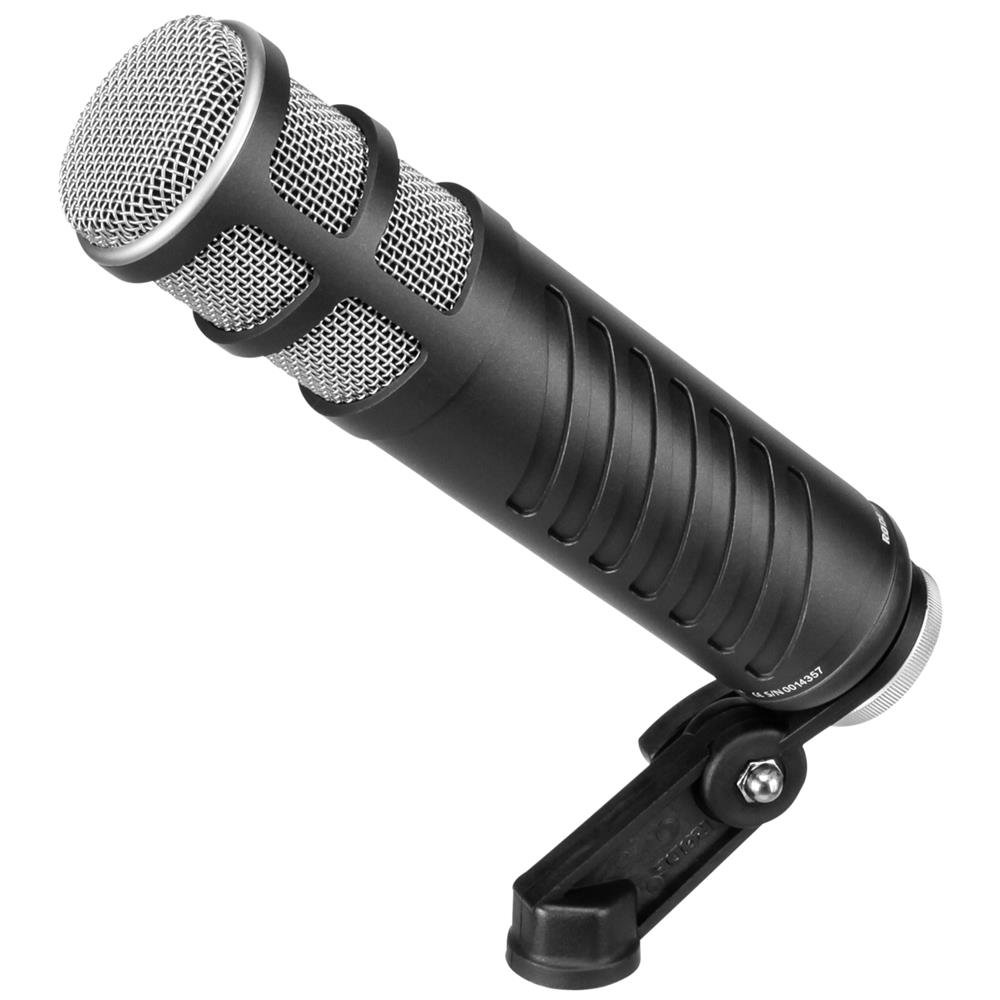
The PodMic sits comfortably above its price class in spoken-word dynamics. Its cardioid pattern rejects off-axis noise well enough that keyboard and room tone stay out of the recording, which puts it in the same conversation as pricier Rode broadcast mics.

This is the Rode mic for podcasters and streamers who already have an XLR interface with enough gain or an inline booster. The low-output dynamic has no USB fallback, so it suits budget buyers who want broadcast tone without a condenser's room pickup. Choose it for untreated rooms where a condenser would pick up too much ambience.

Pros

  • Warm broadcast-grade voice reproduction with clear, professional tone out of the box.
  • All-metal build with a dense, durable feel for regular handling.
  • Strong cardioid rejection keeps keyboard and room noise out of the recording.

Cons

  • Heavy all-metal body can strain lightweight boom arms.
Our verdict

For voice-first podcasting on a budget, this is the Rode dynamic that reduces the need for room treatment.

Check Latest Price
3

Best Plug-And-Play USB Mic

Rode NT-USB Mini

91 /100
Sound Score Outstanding

Key details

Connectivity
USB-C
Use-Case Fit
Streaming, calls, desktop
Polar Pattern
Cardioid
Gain Requirements
None
View on Amazon

The NT-USB Mini packs Rode's condenser clarity into a USB-C microphone that takes up almost no desk space. The magnetic stand, built-in pop filter, and APHEX DSP handle the usual stream-and-call needs with a single cable, and it feels denser than its size suggests.

This is the Rode for solo streamers, podcasters, and home-office workers who want plug-and-play sound without an interface. It is not an XLR studio mic, and durability can vary between units; individual units may develop intermittent USB or headphone jack connections after months of use. That is the one real tradeoff in an otherwise compact daily driver.

💡 Support the USB cable at the connection point so everyday desk shifts don't put strain on the port.

Pros

  • Compact body delivers clear, crisp voice capture for streams, calls, and solo podcasting.
  • USB-C plug-and-play includes a magnetic desk stand and built-in pop filter for fast setup.
  • Small footprint and solid build keep it stable on crowded desks.

Cons

  • USB and headphone jack connections can become intermittent in individual units after months of use.
Our verdict

For a compact USB-only desk, this is the Rode that gets out of the way: clear voice, APHEX polish, and no interface required.

Check Latest Price
4

Best High-End Broadcast Dynamic

Rode Procaster

95 /100
Sound Score Outstanding

Key details

Connectivity
XLR
Use-Case Fit
Voiceover, podcast, broadcast
Polar Pattern
Cardioid
Gain Requirements
Audio interface required
View on Amazon

The Procaster delivers a high-output broadcast tone that puts spoken-word recordings first, sitting a step above Rode's entry-level broadcast dynamic. Its cardioid capsule captures deeper voices with a rich proximity effect, while off-axis rejection keeps room tone and background noise out of the mix. The internal pop filter and included stand mount cover the basics out of the box.

This microphone suits podcasters and voiceover artists in untreated rooms who want a professional broadcast voice without condenser sensitivity. The heavy body requires a sturdy boom arm, and XLR-only means an interface with adequate gain is still required. USB-only beginners should treat the interface as part of the purchase.

💡 Keep the mic close to your voice to make the most of the proximity effect and background rejection.

Pros

  • Rich broadcast voice with a pronounced proximity effect that flatters deeper voices.
  • All-metal construction with an internal pop filter stands up to daily studio use.
  • Off-axis rejection keeps background noise in check in untreated rooms.

Cons

  • Heavy body can strain lightweight budget boom arms; a sturdy mount is required.
Our verdict

For spoken-word work, this is the Rode dynamic that bridges the gap between entry-level and premium broadcast sound.

Check Latest Price
5

Best Studio Condenser Value

Rode NT1 Signature

92 /100
Sound Score Outstanding

Key details

Connectivity
XLR
Use-Case Fit
Home studio, vocals, music
Polar Pattern
Cardioid
Gain Requirements
Interface with phantom
View on Amazon

The Rode NT1 Signature Series delivers a polished large-diaphragm condenser sound with low self-noise, and the included shock mount, pop filter, and XLR cable make it a complete recording package for home studio starters. The dual-mode NT1 5th Gen adds USB-C alongside XLR if you want more connection flexibility later.

An XLR interface is required, so this fits vocalists, voiceover work, and budget studios that already have one or plan to add it. Condenser sensitivity makes untreated room noise audible, so it belongs in a quiet or treated space rather than a live, noisy room.

Pros

  • Crisp, warm studio sound with low self-noise for vocal and voiceover recording.
  • Complete kit includes shock mount, pop filter, and XLR cable at a cost-effective price.
  • A practical entry into large-diaphragm condenser recording for budget home studios.

Cons

No consistent drawbacks identified in the available review data.

Our verdict

The NT1 Signature Series is the complete XLR studio buy in Rode's lineup; choose the dual-mode NT1 5th Gen if USB flexibility matters more.

Check Latest Price
6

Best Wireless System for Filmmakers

Rode Wireless PRO

91 /100
Sound Score Outstanding

Key details

Connectivity
2.4GHz wireless, 3.5mm, USB-C
Use-Case Fit
Two-person interview, film
Polar Pattern
Omnidirectional
Gain Requirements
None
View on Amazon

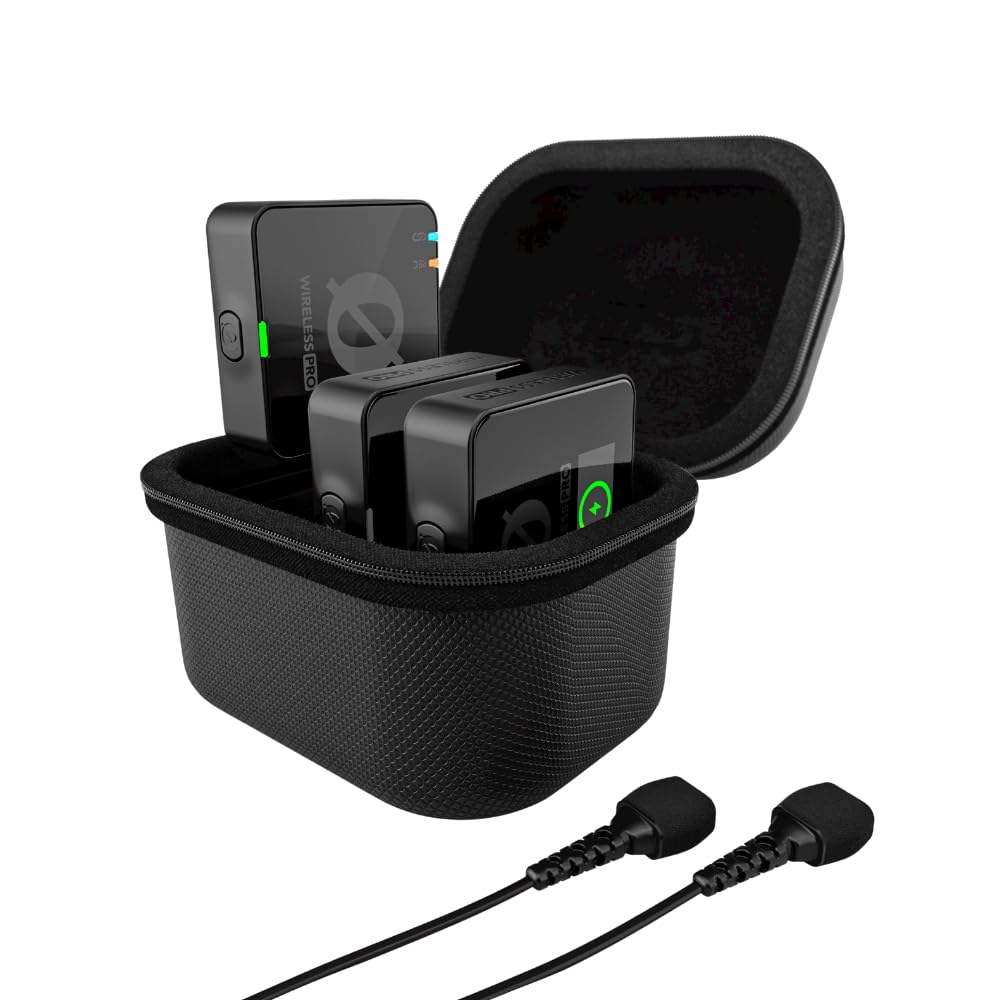
Two transmitters, two Lavalier II mics, timecode sync, and 32-bit float backup ride in a charging case that tops up the whole kit. The 2.4GHz link carries two dialogue tracks cleanly for interviews, and the on-board backup track preserves audio if the connection drops.

Filmmakers and run-and-gun mobile crews who need dual-channel wireless on camera are the right audience; timecode sync has a learning curve, so casual smartphone creators and anyone who will never use 32-bit float backup should stay with the slimmer USB-C wireless model. The value shows when two channels and a safety track matter.

💡 If you rely on timecode, confirm sync in the app after powering on each transmitter.

Pros

  • Two-channel recording keeps interview subjects separate, with 32-bit float backup on board.
  • Complete kit includes two transmitters, two Lavalier II mics, MagClip GO, and a charging case.
  • Charging case keeps the whole kit topped up between locations.

Cons

  • In some cases, transmitter pairing can need re-pairing before a take.
Our verdict

For two-person interview crews and mobile filmmakers, this is the Rode wireless kit that pairs dual-channel capture with timecode and a 32-bit float safety track.

Check Latest Price
7

On-Camera Shooting

Rode VideoMic Pro+

90 /100
Sound Score Outstanding

Key details

Connectivity
3.5mm TRS
Use-Case Fit
Documentary, run-and-gun
Polar Pattern
Supercardioid
Gain Requirements
None
View on Amazon

The VideoMic Pro+ is the Rode on-camera shotgun that adds camera-triggered auto power, three power paths, and a Rycote suspension to clear dialogue capture. Where the starter VideoMic leaves battery management and mounting to you, this model keeps the run-and-gun workflow moving.

Documentary shooters and camera-based YouTubers who want a premium on-camera mic are the right audience; this is location sound where camera mounting matters. Desktop podcasters and USB streamers should look at Rode's USB/XLR models instead. Battery and wiring QC can vary between units, so an early check of the power connections is a sensible pre-flight.

Pros

  • Dialogue comes through clean and crisp, with the clarity expected from a premium on-camera shotgun.
  • Solid body and Rycote suspension keep handling noise low while maintaining a strong on-camera presence.
  • Rechargeable LB-1, AA, and USB power paths let you adapt to long shoots without hunting for an outlet.

Cons

  • In a field kit, power handling can vary between units, so charging and battery contacts deserve an arrival check.
Our verdict

For camera-first documentary and YouTube work, the Pro+ removes power management from the shot list without sacrificing dialogue clarity.

Check Latest Price
8

Desktop USB Streaming

Rode NT-USB+

89 /100
Sound Score Excellent

Key details

Connectivity
USB-C
Use-Case Fit
Streaming, voiceover, desktop
Polar Pattern
Cardioid
Gain Requirements
None
View on Amazon

USB-C plug-and-play pairs with APHEX Aural Exciter and Big Bottom processing, plus zero-latency headphone monitoring, for a polished desktop voice capture. The included stand can tip when unbalanced, and some systems may show USB driver quirks. It costs more than the slimmer NT-USB Mini, so this fits buyers who want the DSP polish and will use a boom arm.

Pros

  • USB-C plug-and-play operation gets you recording quickly for calls, streams, and voice work.
  • Onboard APHEX Aural Exciter and Big Bottom processing adds voice polish before the signal reaches your computer.

Cons

  • Included desk stand is top-heavy and can tip when the mic is angled off-center.
Our verdict

For a boom-arm setup where USB-C and APHEX processing matter more than a compact footprint, this is the Rode desktop mic to choose.

Check Latest Price
9

Smartphone Creators

Rode Wireless Micro

89 /100
Sound Score Excellent

Key details

Connectivity
USB-C wireless
Use-Case Fit
Smartphone video, social
Polar Pattern
Omnidirectional
Gain Requirements
None
View on Amazon

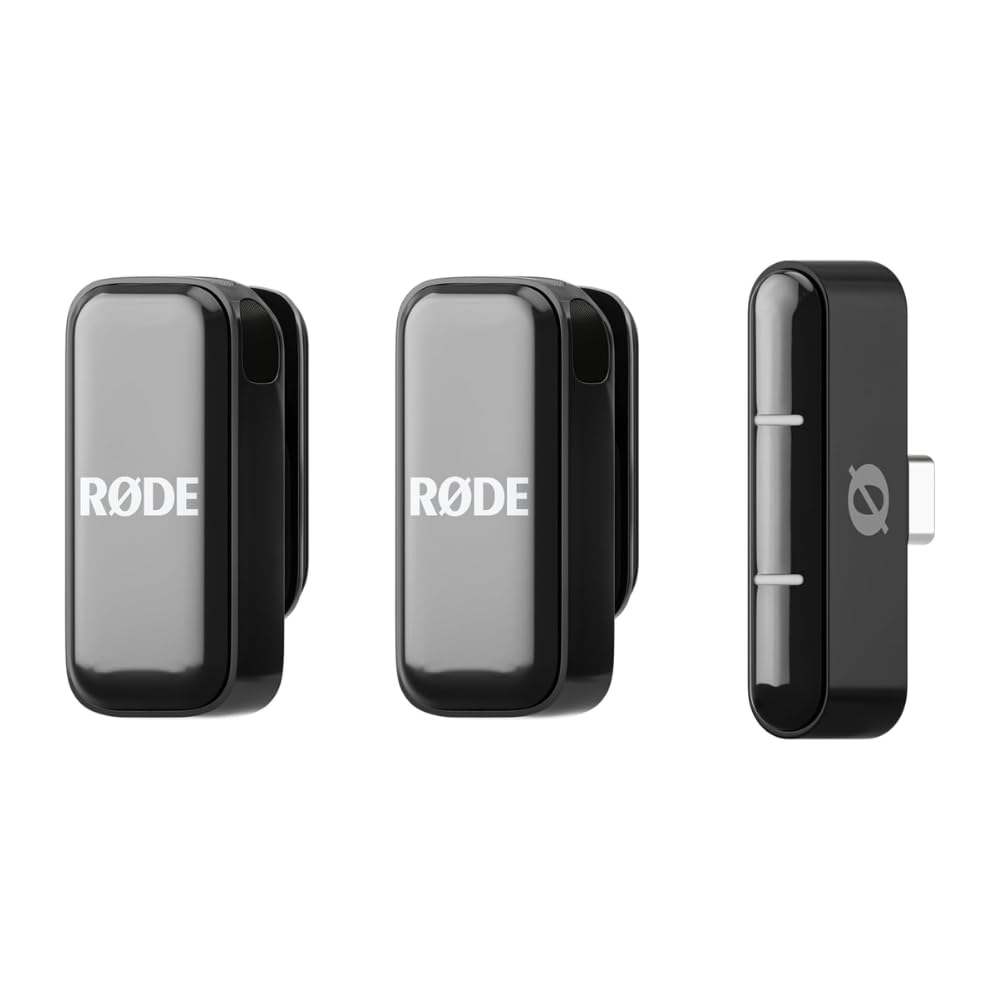
The Rode Wireless Micro delivers clear USB-C phone audio with dual transmitters and an 18-hour charging case. GainAssist noise reduction needs careful setup in loud venues, and the USB-C smartphone-only design places it below the Wireless PRO for film work. For TikTok and vlog creators on USB-C phones, it is a pocketable grab-and-go kit.

Pros

  • Clear voice capture that is a noticeable step up from built-in phone mics.
  • Direct USB-C connection removes the need for a separate receiver.

Cons

  • Owners of Lightning-only iPhones will need a different Rode model.
Our verdict

For USB-C phone creators, the Wireless Micro is a pocketable wireless kit that avoids the receiver and fits a quick mobile workflow.

Check Latest Price
10

Beginner Filmmakers

Rode VideoMic

89 /100
Sound Score Excellent

Key details

Connectivity
3.5mm TRS
Use-Case Fit
Camera-mounted interviews
Polar Pattern
Supercardioid
Gain Requirements
None
View on Amazon

The VideoMic gives DSLR and mirrorless shooters a clear dialogue boost over in-camera audio at a mid-range price. Its supercardioid pickup isolates voices well in semi-controlled scenes, but open-air locations can leak background noise. The older design lacks the auto-power and battery flexibility of the VideoMic Pro+, and the mounting hardware may loosen with heavy use.

Pros

  • Major jump in dialogue clarity over built-in camera mics.
  • Supercardioid pickup keeps voices intelligible in semi-controlled settings.

Cons

  • In open-air locations, background noise can bleed through the track.
Our verdict

For event and interview shooters in semi-controlled settings, this is the Rode to pick when you need an on-camera upgrade without adding an interface.

Check Latest Price
11

Camera Lavalier Use

Rode Lavalier GO

93 /100
Sound Score Outstanding

Key details

Connectivity
3.5mm TRS
Use-Case Fit
Camera, recorder, Rode wireless
Polar Pattern
Omnidirectional
Gain Requirements
None
View on Amazon

The Lavalier GO captures clean, natural voice for camera and recorder shoots, and pairs neatly with Rode Wireless Go II transmitters. Its TRS connector means direct smartphone use needs an adapter, and third-party wireless systems may introduce RF noise. The lighter SmartLav+ covers phone work instead.

Pros

  • Clear, natural voice capture keeps interview audio crisp without a bulky on-camera mic.
  • Compact capsule and discreet profile keep it unobtrusive in interviews.

Cons

  • Stress at the clip-to-cable junction can interrupt audio when the cable is pulled or packed tight.
Our verdict

For camera and recorder work, and for Rode Wireless Go II kits, the Lavalier GO is the compact wired choice that keeps interview audio clean.

Check Latest Price
12

Smartphone Interviews

Rode SmartLav+

89 /100
Sound Score Excellent

Key details

Connectivity
3.5mm TRRS
Use-Case Fit
Mobile journalism, interviews
Polar Pattern
Omnidirectional
Gain Requirements
None
View on Amazon

The SmartLav+ delivers clear voice for phone interviews and dictation, a step up from built-in phone mics at a budget price. It fits mobile journalists working on TRRS smartphones. Camera-style TRS users should look at the Lavalier GO instead. Device compatibility needs checking, and clip-cable junction durability keeps it out of the top tiers.

Pros

  • Clear voice capture for phone interviews and dictation, a step up from built-in phone mics.
  • Compact and sturdy for a small lavalier on mobile recording rigs.

Cons

  • Clip and cable junction can wear out, so the wire area needs careful handling.
Our verdict

Best suited to mobile journalists and interviewers on TRRS phones who verify their connector before ordering.

Check Latest Price
13

Studio Vocals

Rode NT1-A-MP

91 /100
Sound Score Outstanding

Key details

Connectivity
XLR
Use-Case Fit
Studio vocal recording
Polar Pattern
Cardioid
Gain Requirements
Interface with phantom
View on Amazon

The NT1-A-MP carries the classic NT1-A vocal tone and solid build, well suited to studio vocals and acoustic guitar at a mid-range price. The 'MP' label needs scrutiny: this listing can ship a single microphone despite matched-pair wording. If you expect one NT1-A, the sound is easy to recommend; a true stereo pair is not guaranteed.

Pros

  • Classic NT1-A vocal tone with low self-noise for studio vocals and acoustic guitar.
  • All-metal construction holds up through regular home studio use.

Cons

  • XLR-only output requires an audio interface, so USB-only setups need extra gear.
Our verdict

This fits a vocalist who wants the classic NT1-A sound and already records through an interface.

Check Latest Price

How to Choose

Connectivity

XLR mics need an audio interface or recorder with enough gain; USB mics handle the conversion internally and work with a computer or phone. Wireless systems replace the cable with a 2.4GHz link, but they add pairing and battery management.

The 3.5mm world splits into TRS for cameras and TRRS for phones. The plugs look identical, but the wiring is not compatible.

Polar Pattern and Form Factor

Cardioid dynamics ignore room tone but need more gain. Large-diaphragm condensers capture open, detailed sound and also capture reverberant room noise. Shotguns aim tightly at a voice off-camera, but they sound thin up close and need wind protection outdoors. Omni lavs are small and consistent, but they pick up everything around the talent.

Gain Requirements

Dynamic broadcast mics like the PodMic and Procaster are not USB devices; they produce a low-level signal that becomes noisy with a weak preamp. You want an interface that delivers roughly 50dB of clean gain, or an inline booster such as a Cloudlifter or FetHead.

Condensers need 48V phantom power from the interface, while USB mics include their own converters and need none.

Included Accessories

A shock mount stops desk and stand vibration from reaching the capsule; a pop filter catches breath blasts before they hit the diaphragm. When a mic ships with both plus a cable, the effective value is significantly better than the price suggests.

A desk stand is fine for solo use, but a boom arm gets the mic closer to your mouth and away from keyboard noise.

Use-Case Fit

Podcasters in untreated rooms should lean toward dynamic cardioids. Musicians and voiceover artists in quiet spaces will hear the difference a large-diaphragm condenser makes.

Camera operators need shotguns or wireless lavaliers, and mobile journalists need TRRS lavs or USB-C wireless systems. Choosing by the scene prevents the most common Rode complaints.

Frequently Asked Questions