9 Best Soundbar of 2026: Real Surround, Stable TV Sound

Find the best soundbar for your room by focusing on real subwoofers, HDMI ARC stability, and dialogue clarity — not just the codecs on the box.

The most common reason a soundbar ends up back in the box isn't thin audio. It's Bluetooth that drops, a subwoofer that unpairs, or a unit that goes quiet after a few months. A soundbar is only as good as its connection to your TV and its driver layout — not the number of audio codecs printed on the box.

That means the real trade-off is between wireless convenience and a stable physical connection. HDMI ARC or eARC carries TV audio reliably and lets one remote control volume. The extra cost of a subwoofer channel is usually worth it: a 2.1 system with a dedicated bass driver beats a 2.0 bar for movies and music without needing a huge footprint.

A wireless subwoofer is easier to place, but a wired one removes a common pairing point. If your priority is long-term predictability, choose the connection that needs the least babysitting.

About the Sound Score: This comparative score is calculated from a product's published customer rating and review volume. It is not a laboratory measurement or a hands-on test result.

1

Best Overall

ULTIMEA Poseidon M60

90 /100
Sound Score Outstanding

Key details

HDMI ARC
HDMI eARC
Bluetooth
Bluetooth 5.4
Channels & Sub
5.1 with wired sub
Dialogue Features
VoiceMX, app EQ
View on Amazon

The M60 delivers theater-style immersion from just a soundbar and a wired sub: five channels, a center driver that keeps dialogue anchored, and Dolby Atmos processing that widens the sound field. It gets loud enough for a living room while keeping vocals clear in dense action scenes.

Setup is quick. HDMI eARC syncs the bar with a TV automatically, optical covers older panels, and Bluetooth 5.4 streams phone audio. The companion app adds 121 EQ presets plus VoiceMX and BassMX controls, so the sound can be dialed in without touching a receiver.

This is the full-theater pick for home theater enthusiasts on a mid-range budget. Renters who do not want rear speakers get the wide surround effect without extra satellites, and movie and gaming fans get the bass and dialogue presence they need. The wired 5.25-inch sub needs floor or shelf space near the soundbar, so a tiny console or a room with no subwoofer space is a genuine mismatch. It is also a challenger-brand product, so check the warranty terms before you buy.

The 300W output has enough headroom for action-heavy content, and the voice-enhancement modes keep quiet dialogue from getting buried in the mix.

Pros

  • Immersive, loud sound with clear dialogue stays composed in action scenes.
  • HDMI eARC and automatic TV sync make setup quick.
  • Bluetooth pairing and TV connection stay stable for daily use.
  • App EQ and VoiceMX controls give fine-grained dialogue and bass tuning.

Cons

  • The wired 5.25-inch sub needs floor or shelf space near the soundbar; compact setups will feel cramped.
  • Unit behavior can vary: occasional shutdowns or Bluetooth glitches after months of use; keep warranty details handy.
Our verdict

This is the full-theater choice for a mid-range budget: loud Atmos presence, real subwoofer bass, and dialogue clarity that stays in front of you.

Check Latest Price
2

Best Budget 2.1 with Wireless Sub

ULTIMEA Poseidon M30

86 /100
Sound Score Excellent

Key details

HDMI ARC
HDMI ARC
Bluetooth
Bluetooth 6.0
Channels & Sub
2.1 with wireless sub
Dialogue Features
VoiceMX, app EQ
View on Amazon

A budget 2.1 value pick for small rooms, this compact bar matches deep bass and clear dialogue with a wireless sub and app EQ. It stops short of the physical surround channels found on the 5.1 system that tops this list, which is the right trade for its price-focused audience.

Bass depth is the headline. Dialogue stays intelligible during busy scenes, and action gets a low-end kick that is uncommon for entry-level bars. The app EQ and 121 presets add tuning flexibility that is rare near this price, and HDMI ARC keeps volume control tied to the TV remote.

The 5.25-inch driver adds a low-end push that makes movies and games feel fuller than the bar's size suggests, and voice clarity holds up even when the bass is boosted. That balance is a nice find in a system at this level.

This is the right bar for apartment and small-room TV setups, especially for bass lovers who want a dedicated sub without spending Sonos money. It is not intended for large home theater spaces or listeners who expect rear-channel immersion; the 5.1 system in this lineup is the one to choose for that. Buyers with zero tolerance for occasional wireless hiccups or power quirks should pass — this is a budget 2.1, not a premium control center.

💡 If the sub hasn't been heard for a while, press its pairing button to re-link rather than restarting the bar.

Pros

  • Deep bass and clear dialogue for well under the cost of comparable 2.1 systems
  • A wireless sub and app EQ add flexibility uncommon in this price class
  • Setup and control take little time, with HDMI ARC and an app for everyday adjustments

Cons

  • The wireless sub can drop out on some units, leaving action scenes without low-end
  • Auto power-off can trigger during longer quiet stretches, turning the bar off mid-show
Our verdict

For a small room and a tight budget, this 2.1 system delivers the bass and tuning control that upgrade a TV without upgrading the room. Surround-minded buyers should move up to the 5.1 system in this lineup.

Check Latest Price
3

Premium Flagship for Dolby Atmos

Sonos Arc Ultra

90 /100
Sound Score Outstanding

Key details

HDMI ARC
HDMI eARC
Bluetooth
Bluetooth, Wi-Fi
Channels & Sub
9.1.4 standalone
Dialogue Features
AI Speech Enhancement
View on Amazon

The Arc Ultra's single 46-inch cabinet creates a wide 9.1.4-channel soundstage, so a large living room gets clear height and side imaging without rear speakers. Object-based tracks stretch beyond the cabinet, which is rare in a single-bar design. Sound Motion and AI Speech Enhancement keep Atmos mixes detailed and dialogue distinct in busy scenes. Compared with the slimmer premium Sonos bar in this roundup, this one trades a small footprint for a much larger stage.

The audio clarity and ecosystem polish are strong enough that this remains a flagship bar, but bass depth is conservative without the optional Sub, and the price is luxury-tier. Buyers coming from a subwoofer-included system should treat the Sonos Sub as part of the intended investment rather than an optional extra.

This is the right match for a Sonos household with a large TV and a room that rewards wide staging. It is also a good fit for people who want premium Atmos from a single cabinet. If you prefer a complete wired-sub and surround package today, the top pick covers that at a lower investment.

💡 Run Trueplay after moving furniture to keep the soundstage balanced.

Pros

  • Wide, detailed soundstage fills a large room without rear speakers.
  • Speech and dialogue stay clear in busy mixes.
  • Two-cable setup with app guidance gets it running quickly.
  • Low-profile premium design blends into a living room.

Cons

  • HDMI eARC pairing can drop, forcing a re-add through the Sonos app.
  • Physical rear speakers are sold separately, so the 9.1.4 layout is virtualized from the bar itself.
Our verdict

For Sonos households that value a sleek single-bar Atmos stage over a box of extra speakers, the Arc Ultra delivers premium clarity and a wide sound field.

Check Latest Price
4

Best for Fire TV / Alexa Households

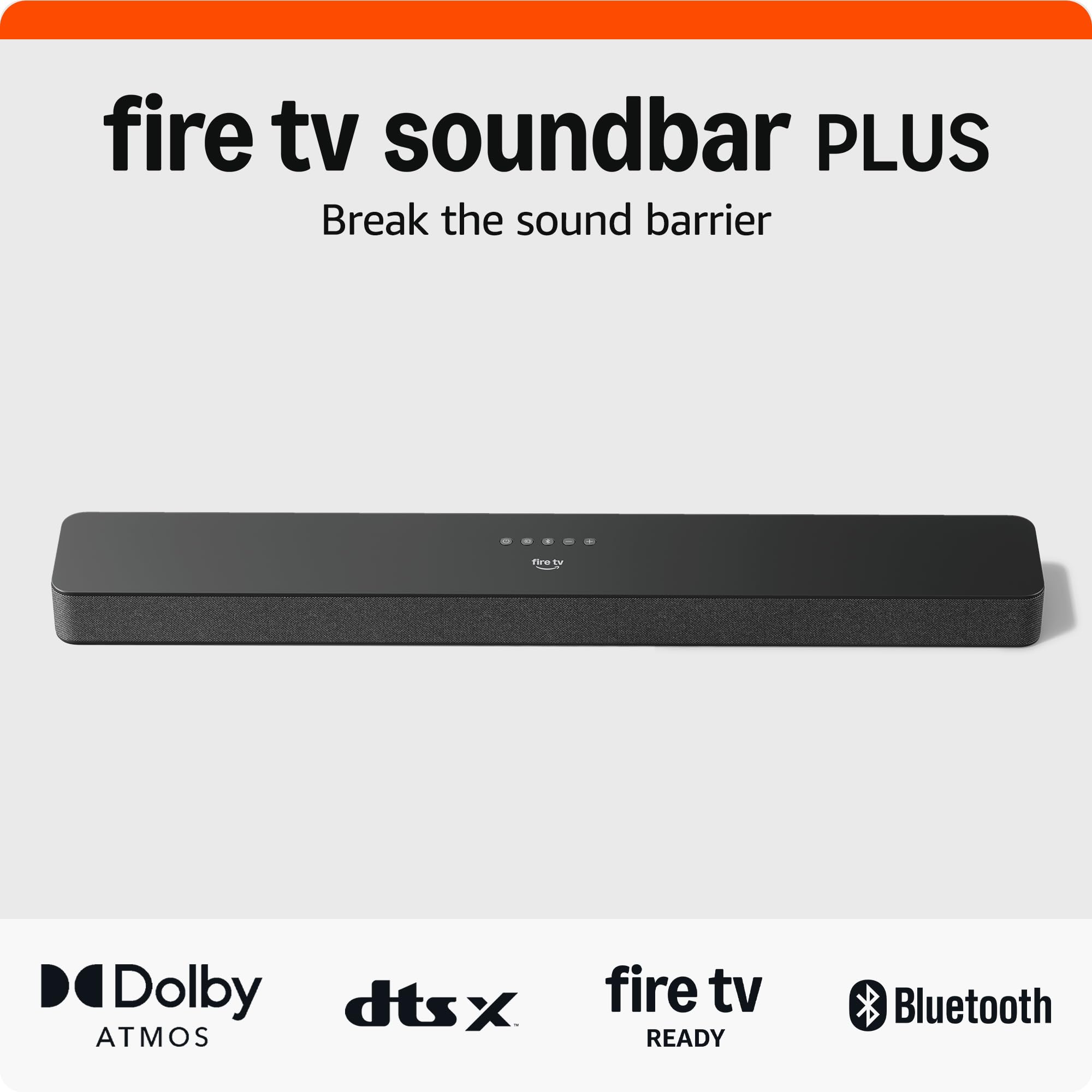
Fire TV Soundbar Plus

86 /100
Sound Score Excellent

Key details

HDMI ARC
HDMI eARC
Bluetooth
Bluetooth
Channels & Sub
3.1 built-in sub
Dialogue Features
Center channel
View on Amazon

The Fire TV Soundbar Plus makes dialogue the priority: a dedicated center channel and built-in subwoofer sit inside one bar, while HDMI eARC connects to Fire TVs for one-remote volume control. That combination stands out among all-in-one soundbars in this mid-range space.

This is the right bar for Fire TV and Alexa households with compact rooms who don't want a separate subwoofer or an extra remote. The dedicated center channel helps viewers who struggle with dialogue, and the built-in bass covers a small living room without the clutter. The main caveat is durability: audio can go silent or auto shut-off after months of use, so keep a return or warranty plan in place.

Movie, Music, Sports, and Night modes, along with a usable EQ, make it easy to tune the bar for different content. Dolby Atmos and DTS:X processing add spatial cues beyond the physical drivers, though the forward-facing 3.1 layout reads as wide rather than immersive like a multi-channel system.

Setup is plug-and-play through HDMI eARC, and once connected the bar takes over TV audio without a second remote. In a compact room, the built-in subwoofer delivers enough low-end that a separate box is unnecessary.

Pros

  • The dedicated center channel resolves dialogue without a separate center speaker.
  • Built-in subwoofer adds low-end in compact rooms without extra hardware.
  • HDMI eARC makes setup feel plug-and-play with most TVs.
  • Modes and EQ adjust the sound across movies, music, sports, and late-night viewing.

Cons

  • Bluetooth or eARC connections can drop audio and occasionally need re-pairing.
  • No rear-channel expansion is possible, so the bar stays a fixed 3.1 system.
Our verdict

For Fire TV households in compact rooms, this is the all-in-one bar that delivers clear dialogue and built-in bass with one-remote control.

Check Latest Price
5

Best Premium Compact

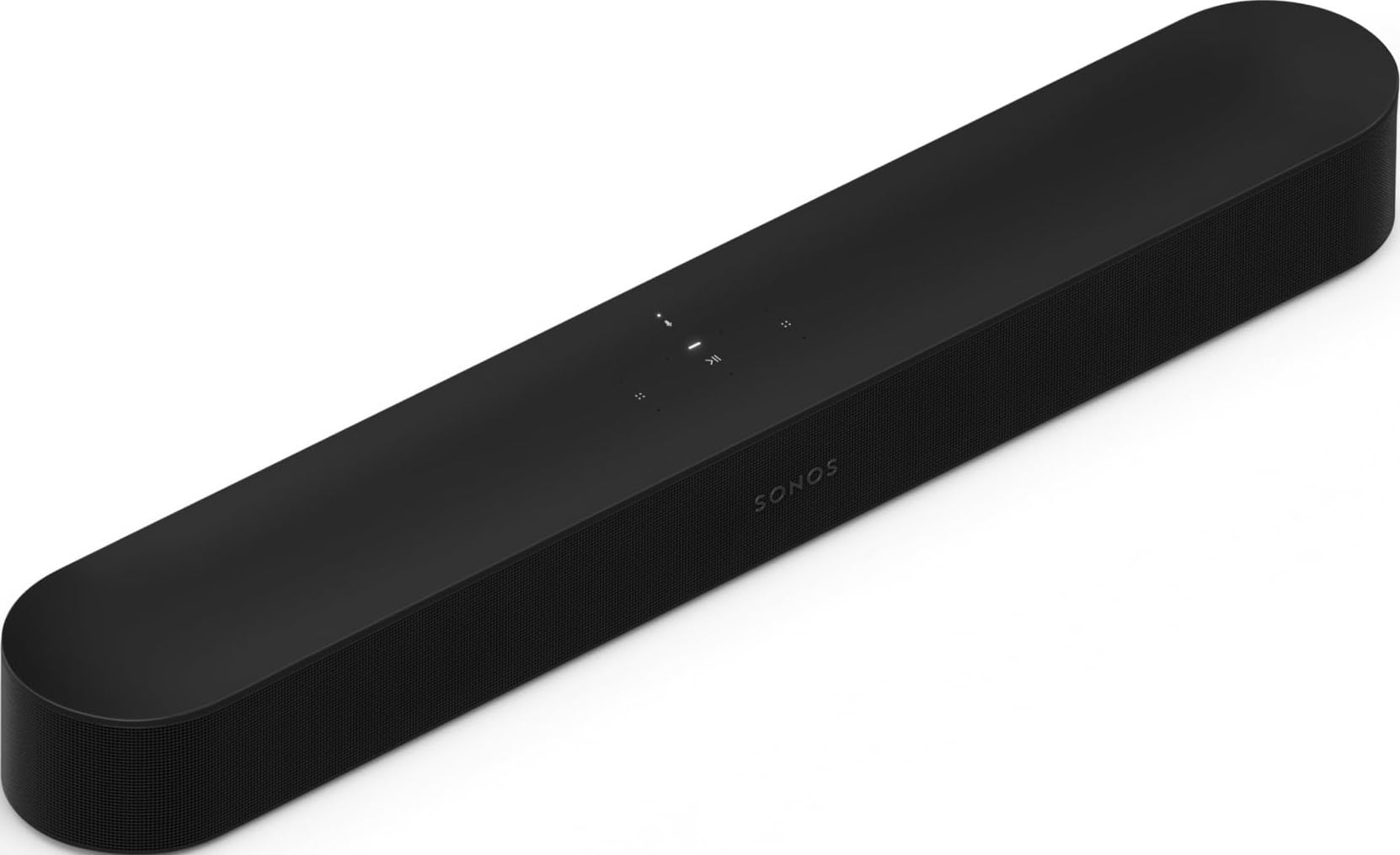
Sonos Beam Gen 2

88 /100
Sound Score Excellent

Key details

HDMI ARC
HDMI eARC
Bluetooth
No Bluetooth
Channels & Sub
Virtual Atmos
Dialogue Features
Trueplay, voice control
View on Amazon

The Beam Gen 2 pairs clear, balanced sound with a footprint that fits tight TV stands, and Trueplay room tuning gives it solid cohesion in small rooms. Its virtual Atmos stage is not a height-channel replacement for a full multi-driver flagship bar, but dialogue stays centered and the slim 2.7-inch profile leaves room for furniture. That makes it a refined upgrade for a bedroom or apartment living room rather than a large dedicated home-theater space.

Sonos multiroom is the real draw here: the Beam works as a component in a larger system, accepts AirPlay2 over Wi-Fi, and keeps volume control inside the Sonos app. Once paired, it can grow later with a separate sub or rear speakers, which gives the compact bar a path beyond its built-in drivers.

This bar suits Sonos multiroom households and anyone who wants compact premium TV audio in a small or medium room. There is no Bluetooth, so the wireless path is Wi-Fi or AirPlay2, and setup is app-guided rather than cable-and-go. The premium price puts it in the 2.0-class conversation, which matters when a cheaper 2.1 system includes a subwoofer for less.

Pros

  • Clear, balanced sound from a bar small enough for tight TV stands.
  • Setup uses two cables and app guidance, so a new bar is online quickly.
  • Compact profile fits under TVs, in offices, and on tight shelves.

Cons

  • Wi-Fi connection dropouts can interrupt playback.
  • Occasional units may lose function after extended use.
Our verdict

For a tight cabinet and dialogue-centric TV watching, the Beam Gen 2 is the compact premium runner-up when Sonos integration and a small footprint matter more than channel count.

Check Latest Price
6

Best Budget Dialogue Bar

TCL S45H

85 /100
Sound Score Excellent

Key details

HDMI ARC
HDMI eARC/ARC
Bluetooth
Bluetooth
Channels & Sub
2.0 no sub
Dialogue Features
AI Sonic calibration
View on Amazon

This 2.0 soundbar prioritizes dialogue clarity over bass and uses AI Sonic room calibration to balance voices in small rooms. HDMI eARC carries TV audio with one cable, while optical, Bluetooth, AUX, and USB expand the source options.

Dolby Atmos and DTS Virtual:X processing contributes a wider stereo image in small rooms. The 31.9-inch bar slips under compact TVs, and setup from unboxing to audio takes minutes.

This is for bedroom and office TVs, dialogue-focused viewers on a budget, and TCL TV owners who want one-app control. Bass output stays modest, so large rooms and bass-heavy movie lovers should consider a 2.1 setup.

💡 Position the bar so it does not sit directly in front of the TV's IR receiver, or the TV remote signal may be blocked.

Pros

  • Clear dialogue that beats built-in speakers, with AI Sonic room calibration tuning the sound for the room.
  • Budget-friendly 2.0 bar with Dolby Atmos and DTS Virtual:X processing included.
  • Quick setup through HDMI eARC, optical, Bluetooth, AUX, or USB, with one-app control for TCL TVs.
  • Compact 31.9-inch footprint suits bedroom and office TV setups.

Cons

  • Volume changes come in steps rather than smooth increments.
  • Virtual Atmos and DTS processing widens the image but lacks physical rear or height channels.
Our verdict

The S45H is the small-room dialogue upgrade for TCL TV owners who want clear voices and one-app control.

Check Latest Price
7

Medium Living Rooms

TCL S55H

86 /100
Sound Score Excellent

Key details

HDMI ARC
HDMI eARC/ARC
Bluetooth
Bluetooth
Channels & Sub
2.1 wireless sub
Dialogue Features
AI Sonic calibration
View on Amazon

The TCL S55H brings a wireless subwoofer, Dolby Atmos processing, and AI Sonic calibration into a tidy 2.1 system that fits medium living rooms. Dialogue stays clear, bass has real weight, and the sub pairs automatically with no extra setup. The tradeoff is that virtual processing cannot match the physical rear channels of the top pick, so surround immersion is broader rather than fully positional. Long-term ownership is the other boundary: unit-to-unit consistency varies, and a bar can go silent or power off after a few months with no obvious trigger. As a 2.1 upgrade from TV speakers, it still delivers plenty of the value; as a home-theater replacement, it falls short.

Pros

  • Clear, immersive sound with real bass makes it a meaningful upgrade over built-in TV speakers.
  • Bundled wireless sub, HDMI cable, remote, and wall mount add genuine value for the price.
  • Plug-and-play setup pairs the sub automatically, and HDMI ARC works without tinkering.

Cons

  • Remote control gives limited feedback, so quick adjustments are less precise.
  • Volume steps can feel coarse when trying to fine-tune late-night listening.
Our verdict

For a medium living room without rear-speaker wiring, this is a capable 2.1 upgrade — provided you want the convenience of a wireless sub more than true positional Atmos.

Check Latest Price
8

Compact Dialogue Use

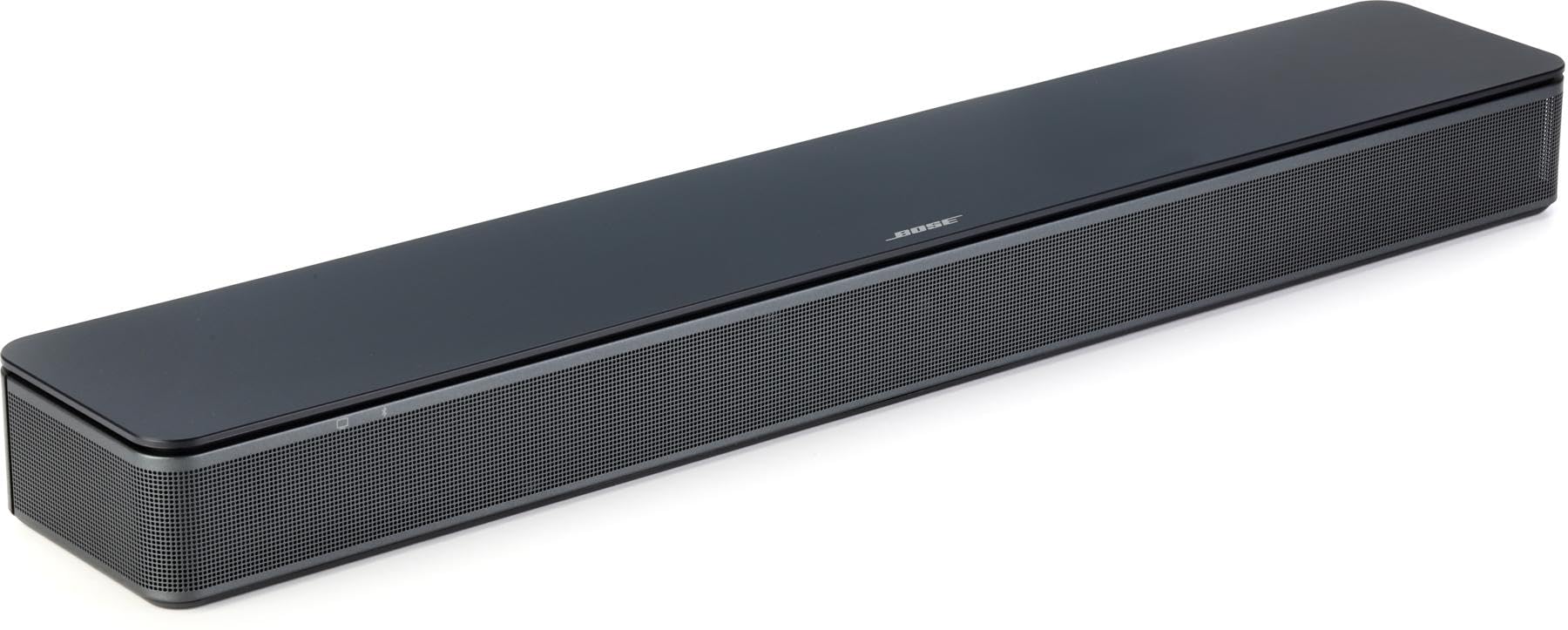
Bose TV Speaker

88 /100
Sound Score Excellent

Key details

HDMI ARC
HDMI ARC
Bluetooth
Bluetooth 4.2
Channels & Sub
2.0 no sub
Dialogue Features
Dialogue Mode
View on Amazon

The Bose TV Speaker puts clear, speech-focused sound in a compact 23.4-inch bar that fits under TVs and on shelves. For a bedroom or office, that small footprint is a genuine advantage. Voices come through naturally for dialogue-heavy dramas, and hookup is simple via optical or HDMI ARC. Bluetooth pairing can be inconsistent, which matters more for music streaming than for TV audio. The 2.0 output limits bass, and with no wireless sub included it sits below cheaper 2.1 competitors at this mid-range price. For dialogue-focused rooms, those limits are easy to live with.

Pros

  • Clear, speech-focused audio keeps TV dialogue natural and easy to follow.
  • Compact 23.4-inch width fits under TVs and on shelves without crowding.
  • Simple hookup with included optical cable and HDMI ARC.

Cons

  • In a dark room, the small remote's controls are easy to misread and no volume level appears on the TV.
  • In a closed media cabinet or hot climate, some units may shut down after getting hot.
Our verdict

This fits a bedroom or office buyer who wants a low-profile Bose bar with simple HDMI ARC setup over extra channels.

Check Latest Price
9

Budget Bedroom TV

Sony S100F

86 /100
Sound Score Excellent

Key details

HDMI ARC
HDMI ARC
Bluetooth
Bluetooth
Channels & Sub
2.0 no sub
Dialogue Features
Voice Enhancement
View on Amazon

The Sony S100F is a 2.0 bar for simple TV audio in a bedroom or office. HDMI ARC works with TV remotes, and the included optical cable handles TVs without ARC, so the physical connection is quick. It sits below subwoofer-included alternatives because it aims for dialogue clarity rather than theater immersion. For news, talk shows, and sitcoms at moderate volume, it adds enough presence to make built-in TV speakers seem distant. The compact case fits under smaller TVs and leaves shelf space for a streaming box.

Best used in a compact setup with modest listening expectations. Bass is thin and loudness is limited in larger rooms, so it pairs best with dialogue-led viewing.

Pros

  • Entry-level price and compact size make it a low-risk TV audio upgrade.
  • HDMI ARC and included optical cable simplify connection to TVs with ARC or optical inputs.

Cons

  • For Bluetooth streaming, pairing can be inconsistent; optical or HDMI ARC is the steadier path.
  • Across content types, sound quality can be mixed.
Our verdict

It fits when a compact footprint and one-cable hookup matter more than full home-theater sound.

Check Latest Price

How to Choose

Channel Configuration

A 2.0 bar is a dialogue fix, not a theater upgrade. It directs sound upward and forward, but without a dedicated woofer the low frequencies stay thin. A 2.1 system adds a subwoofer crossover, which offloads bass from the main drivers so voices stay clear at meaningful volume. If you watch movies or stream music, the extra channel is the first real improvement.

HDMI ARC or Optical

HDMI ARC (or eARC) is the connection that makes TV audio reliable. It carries audio from the TV to the bar, accepts CEC commands, and lets the TV remote control volume without a second remote. Optical also carries two-channel audio well, but it lacks CEC and can force separate volume control. A soundbar with eARC is easier to live with, especially if your TV apps are the main source.

Dialogue Enhancement

Marketing often lists Dolby Atmos as if it guarantees clearer voices. What actually matters is a dedicated center channel or an explicit voice-enhancement mode. Center-channel drivers anchor speech to the screen; virtual processing only simulates that anchor. If dialogue is your priority, look for a bar with a physical center driver or a strong voice mode instead of counting codecs.

Bluetooth vs Wired

Bluetooth is the least stable path for TV sound. It introduces latency, can drop during playback, and depends on the TV's Bluetooth stack. For video, HDMI ARC or optical will always be more consistent. Treat Bluetooth as a music convenience rather than the primary way to connect, and expect occasional re-pairing if you rely on it daily.

Size and Placement

Physical size determines whether a soundbar can sit in front of a TV without blocking the remote sensor or the screen. A long bar may extend past a small TV stand; a bar with a separate subwoofer needs floor space near a power outlet. Measure the TV stand width and the distance to the wall before choosing between an all-in-one and a subwoofer system.

Frequently Asked Questions