8 Best Vocal Effects Processor of 2026: Natural Harmony, Less Setup

Find the best vocal effects processor for your voice and workflow—whether you need guitar-fed harmony, USB streaming, or an effects-heavy live pedal.

Most singers learn quickly that a vocal effects processor is only as useful as its harmony tracking. Guitar-driven units can follow your chord changes automatically, while manual-key units expect you to tell them the key before each song. That small workflow difference determines whether the pedal disappears into your performance or becomes a distraction.

Scope matters just as much. Effects-packed processors add looping, special effects, and deep editing, but those tools come with more menus and setup time. A focused harmonizer gets you to a usable sound fast, yet leaves those extras out. Choose the balance that matches how you actually play, stream, or record.

For most buyers, the deciding factor is the live scenario: whether an instrument feeds the harmony, whether you need USB audio for streaming, or whether you want the broadest effects palette in one box. Match the tracking and control scheme to that scenario, and the right processor becomes obvious.

About the Sound Score: This comparative score is calculated from a product's published customer rating and review volume. It is not a laboratory measurement or a hands-on test result.

1

Best Overall

BOSS VE-2 Vocal Harmonist

87 /100
Sound Score Excellent

Key details

Power
Battery powered
Effects
Reverb, delay, studio processing
Connectivity
XLR, 1/4-inch
Harmony Tracking
Manual key selection
View on Amazon

The VE-2 is a dedicated vocal harmonizer that produces realistic backing-vocal texture from a single pedal. Its 24 harmony voices sit behind the lead vocal with the timing and tuning of a backup singer, while the built-in pitch correction pulls off-key notes back toward center. Reverb and delay are available for blending voices, but they stay subtle enough that the pedal feels focused rather than cluttered.

The control layout is simple enough to dial in during a live set without digging through menus, which is why singers pick this over more feature-dense vocal processors. Changes happen on the pedal face, not in layered menus, so moving from one song to the next is a matter of a few knob turns. That hands-on approach keeps the VE-2 steady in the middle of a set, where stopping to scroll is not an option.

This is best for solo performers, church vocalists, and gigging singers who want one pedal that does harmony and pitch correction well. There is no guitar or keyboard auto-tracking, so the key must be set manually for each song; that is the tradeoff for avoiding menu complexity. Plan your setlist keys ahead of time and the VE-2 behaves like a dependable backup singer in a compact stompbox.

💡 Keep a setlist key chart nearby to speed up manual key changes between songs.

Pros

  • Backing-vocal style harmonies sound natural rather than synthetic.
  • Hands-on controls allow fast live dial-in without menu diving.
  • Dependable BOSS build quality suits regular gigging and repeated pedalboard use.

Cons

  • AC adapter is not included, so battery-powered operation requires fresh batteries or a separate adapter purchase.
  • Harmony key must be set manually for each song, which adds a step between songs.
Our verdict

The VE-2 is the dedicated harmonizer to get when you want natural vocal harmonies and immediate live control rather than a multi-effects workstation.

Check Latest Price
2

Most Versatile Effects Toolbox

BOSS VE-20 Vocal Performer

89 /100
Sound Score Excellent

Key details

Power
AC adapter or batteries
Effects
Looper, delay, reverb, special FX
Connectivity
XLR, 1/4-inch TRS
Harmony Tracking
Manual key setting
View on Amazon

The VE-20 packs a phrase looper, special FX, doubling, and 3-part harmony into a BOSS-sturdy stompbox. Vocals get a polished sheen that a bare mixer doesn't provide, and the menu structure becomes quick to navigate after a short orientation.

This suits live singers who want a broad effects palette and looping in one pedal. The included printed manual may be in Japanese or Chinese, so downloading the English instructions before your first gig is a practical move. Keep that in mind if you need a truly menu-free harmonizer; the simpler sibling in this set is the easier alternative.

Pros

  • Phrase looper, special FX, and doubling broaden a live vocal setup without extra gear.
  • Vocal tones gain a polished sound compared with a bare mixer.
  • Menu navigation becomes efficient after practice, and the build holds up on the road.

Cons

  • Effects editing is shallower than some users expect, so detailed patch customization is limited.
Our verdict

For live singers who want loops, special FX, and solid vocal polish, the VE-20 delivers more range than a basic harmony pedal.

Check Latest Price
3

Best for Singer-Guitarists

TC Helicon Play Acoustic

86 /100
Sound Score Excellent

Key details

Power
12V supply included
Effects
BodyRez, reverb, delay, chorus
Connectivity
XLR, USB, 1/4-inch
Harmony Tracking
Guitar chord input
View on Amazon

The Play Acoustic combines a vocal harmonizer and an acoustic guitar preamp in one stompbox. Guitar-driven harmonies follow your chord changes, while BodyRez, EQ, phase/feedback controls, and TC Electronic reverb/delay/chorus shape the guitar side before XLR or 1/4-inch outs. That makes it a complete voice-and-guitar signal path in a single pedal.

The primary fit is the gigging acoustic singer-guitarist who wants vocal harmony plus a guitar DI without separate units. If you sing without a guitar, the harmony side has no tracking source, so a vocal-only processor is a cleaner match. A subset of units may show boot or power quirks, so a return-friendly retailer is the safer buy.

Pros

  • Guitar-controlled harmonies stay with your chord changes instead of manual key shifts.
  • BodyRez, EQ, feedback control, and DI handle acoustic preamp duties on stage.
  • Reverb, delay, chorus, and looper are usable effects, not preset filler.

Cons

  • Uses a 12V supply rather than standard 9V pedalboard power, so the included adapter needs to stay with the unit.
Our verdict

For the acoustic singer-guitarist, this is the one-pedal way to cover vocal harmony, guitar preamp, and effects. That integration is what separates it from vocal-only processors.

Check Latest Price
4

Best for Streaming & Podcasting

Zoom V3 Vocal Processor

84 /100
Sound Score Excellent

Key details

Power
4 AA batteries
Effects
16 voice effects, delay, reverb
Connectivity
USB audio, XLR, phantom power
Harmony Tracking
Manual key setting
View on Amazon

V3's tabletop layout, phantom power, and built-in USB audio make it a self-contained vocal chain for streamers and podcasters. Sixteen effects and 3-part harmony cover the useful range without menu diving, while dedicated compression, reverb, and delay knobs keep adjustments quick during a session.

Streamers, podcasters, and home karaoke singers get harmony, effects, and direct USB recording in one box. The tradeoffs: reverb and delay controls are intentionally simple, and units can power off mid-session or develop faults after months of use. If you need a road-hardened stage pedal or deep pro editing, this is the wrong lane.

💡 The V3 runs about 3.5 hours on four AAs; keep spares nearby for long sessions.

Pros

  • Easy setup and a fast learning curve get you from unboxing to live effects in minutes.
  • Natural-sounding 3-part harmony adds polish to vocals for streams and home karaoke without sounding robotic.
  • Feature set covers effects, harmony, phantom power, and USB audio in one box

Cons

  • AC adapter and aux cables are not included; plan for separate power and connection accessories.
Our verdict

The V3 pairs vocal effects processing with direct USB recording, so content creators can skip a separate audio interface.

Check Latest Price
5

Best for Auto-Tune & Studio Pitch

HeadRush VX5 Vocal Effects

82 /100
Sound Score Excellent

Key details

Power
Effects
Compressor, reverb, delay, chorus
Connectivity
XLR, USB, 1/8 headphone
Harmony Tracking
Guitar chord or key/scale
View on Amazon

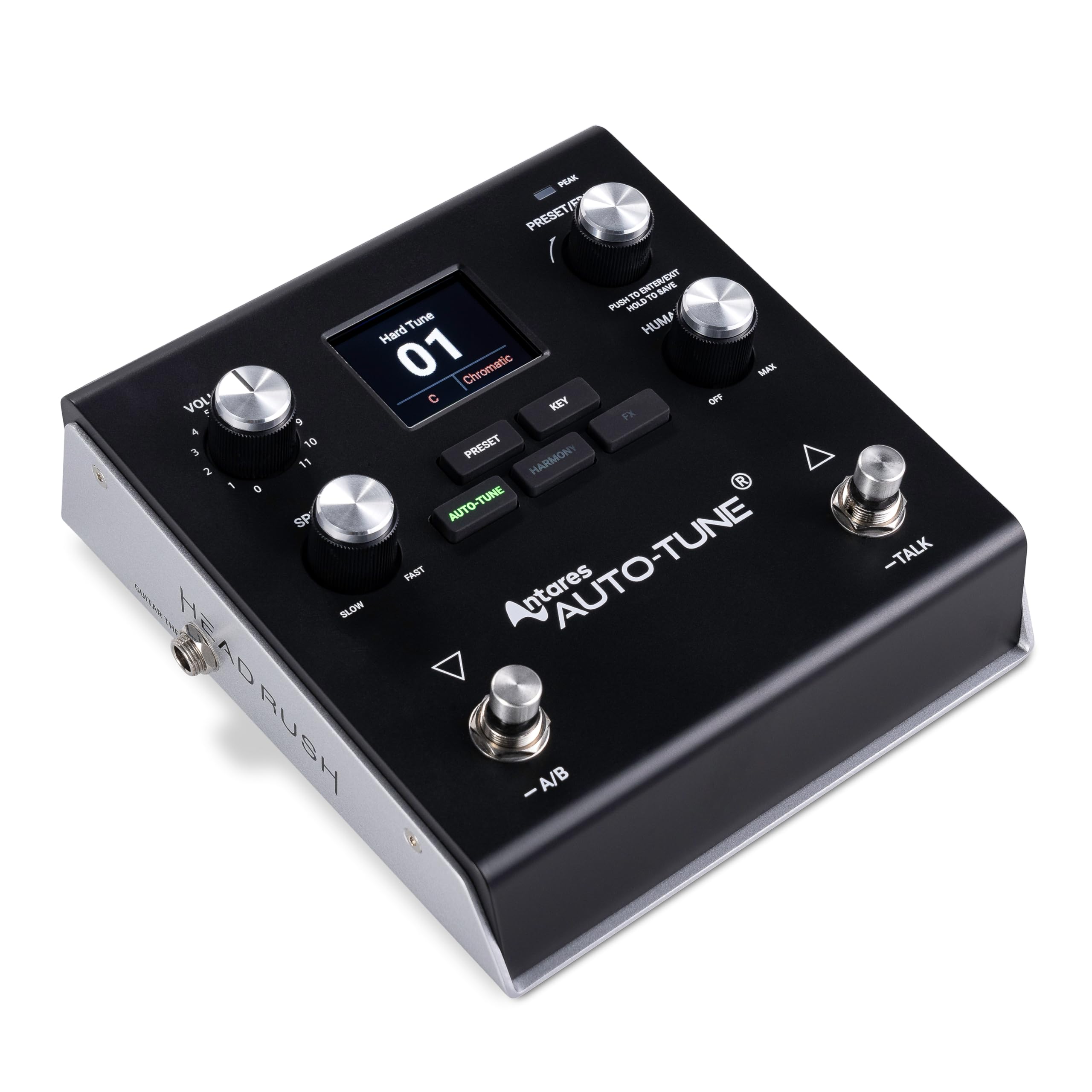
Genuine Antares Auto-Tune sits at the core of the VX5, with intelligent key/scale and guitar-chord harmony plus a 24-bit/48kHz USB audio interface. The pitch correction sounds natural rather than robotic, and the compressor, delay, chorus, and flavor FX give live vocalists genuine range. The metal housing is built for regular gigging.

This is the right tool for singers who want true Antares tuning and a direct USB recording path in one floor unit. It suits vocalists already invested in the Antares sound; the premium price reflects that focus. Audio dropouts or no-output events can occur during live sets, so a backup vocal chain is worth carrying for stage-critical work.

Pros

  • Natural, believable pitch correction from the Antares engine polishes live vocals without hard-tune artifacts.
  • Powerful Auto-Tune and harmony engine tracks key/scale or guitar chords in a compact pedal.
  • Solid construction and pro-oriented controls suit regular gigging.

Cons

  • Reverb effects can overpower a mix, and the depth of reverb editing is limited.
  • Pitch correction is less predictable on certain voices, so some singers must adjust controls per song.
Our verdict

For vocalists who want authentic Antares Auto-Tune in a compact USB-equipped pedal, the VX5 is the focused choice.

Check Latest Price
6

Budget Vocalists

FLAMMA FV01 Vocal Effects

81 /100
Sound Score Excellent

Key details

Power
9V DC
Effects
Reverb, delay, tone EQ
Connectivity
Mic, guitar thru, 48V
Harmony Tracking
View on Amazon

The FV01 puts reverb, delay, tone shaping, and hard-tune pitch correction in a sturdy compact pedal at a budget price. It suits gigging musicians who want hard-tune as a deliberate effect, though the noise floor can surface in clean setups. The long-press control scheme takes time to learn; transparent-harmony seekers should use the harmony-focused Flamma instead.

Pros

  • Broad effect set for the price includes reverb, delay, and tone options.
  • Compact metal build holds up when mounted on a pedalboard.

Cons

  • Pitch correction is not subtle; it works best as an obvious hard-tune effect.
Our verdict

Fits best for gigging singers who want hard-tune and ambient effects without stepping up in price.

Check Latest Price
7

Preset-Focused Singers

TC Helicon VoiceLive Play

86 /100
Sound Score Excellent

Key details

Power
12V power
Effects
200+ presets, vocal FX
Connectivity
Aux input, USB, analog
Harmony Tracking
RoomSense auto key harmony
View on Amazon

The 200+ song-inspired presets and Vocal Cancel make practice over tracks immediate, and the broad FX list covers a variety of vocal styles without a second pedal. The menu and preset browser can feel cluttered, so this suits singers who want quick song-based patches rather than transparent studio-grade pitch work; that keeps it behind the top pick for pure harmony.

Pros

  • High overall quality and performance hold up in regular stage or practice use.
  • User-editable patches let you adjust the preset base rather than settle for stock sounds.

Cons

  • Footswitch or knob issues can surface after extended use, so inspect a used unit before buying.
Our verdict

Preset-driven singers who practice over tracks are the right audience for this mid-range processor; singer-guitarists who need integrated guitar processing should look elsewhere.

Check Latest Price
8

Experimental Voice Work

Roland VT-4 Vocal Transformer

83 /100
Sound Score Excellent

Key details

Power
Battery, about 5 hours
Effects
Delay, reverb, formant, vocoder
Connectivity
USB, 1/4-inch
Harmony Tracking
View on Amazon

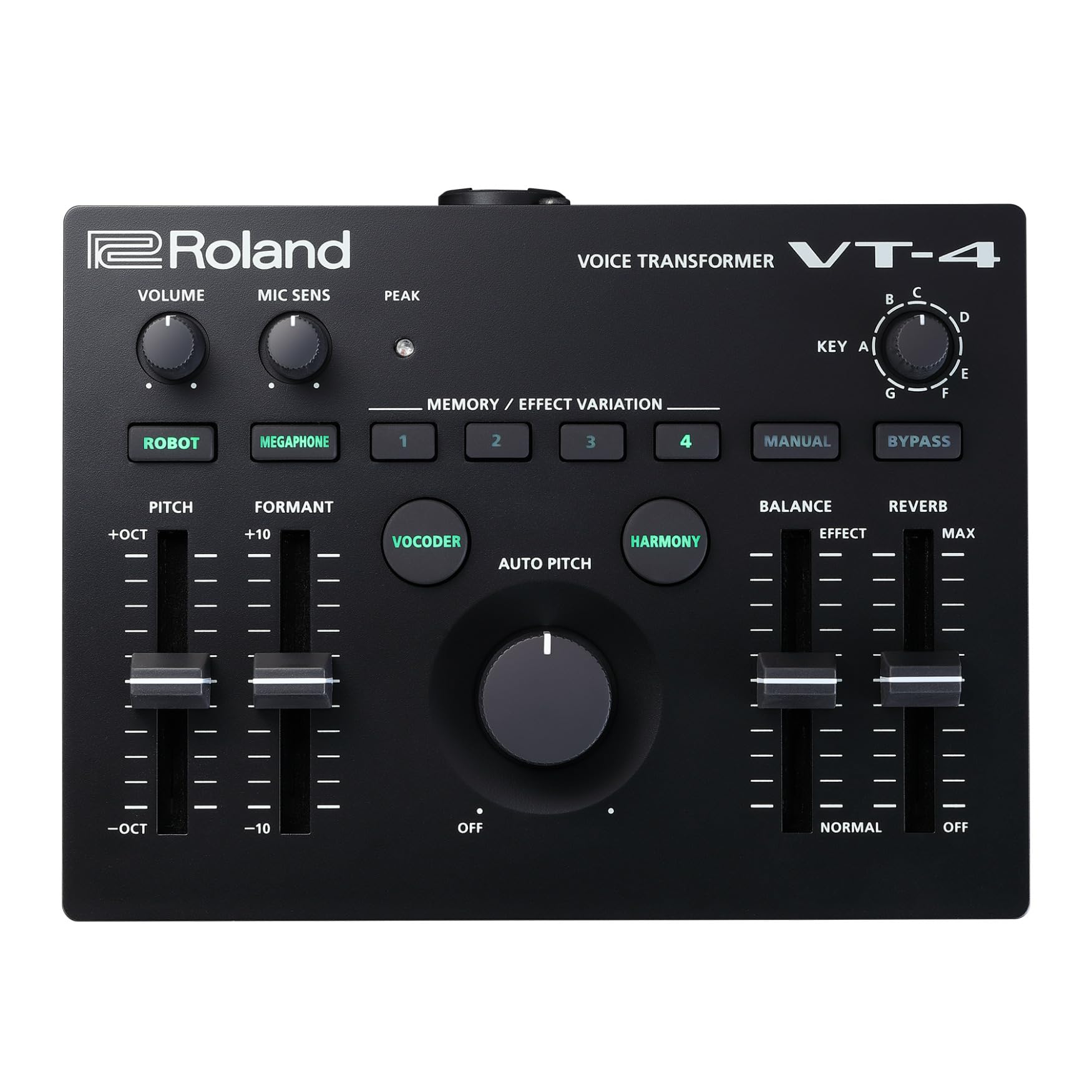
The VT-4 is a compact desktop vocal transformer with real-time pitch, formant, delay, and vocoder controls that respond quickly to hand or finger adjustment. Voice actors and electronic musicians can craft deliberate vocal mutations, but this is not a transparent harmony or studio-polish tool. The plastic shell and 1/4-inch-only output fit a desktop studio setup, not a rugged stage pedalboard.

Pros

  • Real-time pitch and formant controls let you warp vocals while performing without menu digging.
  • Gives you delay, reverb, formant, and vocoder options in a desk-friendly USB box.

Cons

  • Some pitch/effect settings can add robotic or wobbly artifacts when you push for stronger transformation.
Our verdict

Keep the VT-4 in a desktop creative setup where hands-on formant and pitch control matter. For that context, the mid-range price is reasonable; natural harmony work is not its job.

Check Latest Price

How to Choose

Harmony Tracking

Guitar-driven units take the key from your instrument, so chord changes shift harmony automatically. Manual-key units require setting or changing the key per song, which is manageable but adds a step between songs.

If you play live with an instrument, guitar tracking is lower-friction. Without an instrument, manual key selection is normal; make sure the key control is easy to reach.

Pitch Correction

Pitch correction shifts off-pitch notes toward the selected scale. The trade-off is retune speed: slow retuning sounds natural, while fast retuning creates the hard-tune effect. Some budget units only do the fast, obvious style.

Look for adjustable retune depth or speed. That control decides whether the processor disappears into your vocal chain or becomes a deliberate color.

Effects and Looping

A phrase looper requires footswitches and memory management, changing how you operate the pedal mid-song. Special effects like radio, distortion, or lo-fi add creative range but increase menu complexity.

Choose the effects you will actually use. If you only need harmony, reverb, and pitch correction, a focused unit will be easier live than a multi-effects pedal. Delay and reverb are table stakes; the bigger question is whether the effects you need require menu diving or can be dialed with dedicated knobs.

Outputs and Connectivity

XLR output connects directly to a mixer or PA. USB audio makes the processor a recording or streaming interface. Phantom power matters only if you use a condenser microphone.

Streamers and podcasters benefit most from USB plus phantom power. Live performers need XLR and a rugged enclosure.

Power and Supplies

Battery-powered units are convenient for quick gigs but drain AAs when left on. Some units support an AC adapter that is not included, so you only discover that after unpacking.

Check whether the power supply is included before buying. Dead batteries mid-performance are worse than the price of an adapter.

Frequently Asked Questions