4 Best Wireless Headset Microphone of 2026: Picks That Last

A wireless headset microphone that survives real teaching, fitness, and touring work without surprise bodypack costs or early breakdowns.

The phrase 'wireless headset microphone' covers two very different purchases: a headset that plugs into a bodypack transmitter you may not own, and a complete system with a receiver ready for a PA speaker or voice amplifier. That difference usually surfaces after checkout, when a 'wireless' mic has no way to reach speakers.

Range and channel counts get most of the attention, but daily-use problems are more likely to come from noise, battery life, and whether the hardware holds up through a season of teaching or classes. The right system depends on what you already own and how much you are willing to replace.

This guide treats complete systems and headset-only options as separate paths, with the trade-offs spelled out: plug-and-play convenience and low price versus proven sound quality and a longer-lived professional path.

About the Sound Score: This comparative score is calculated from a product's published customer rating and review volume. It is not a laboratory measurement or a hands-on test result.

1

Best Overall

Shure PGA31-TQG

88 /100
Sound Score Excellent

Key details

Output
TA4F (TQG)
System Type
Headset only
Build & Sweat
No sweat rating
Wireless Tech
Bodypack required
View on Amazon

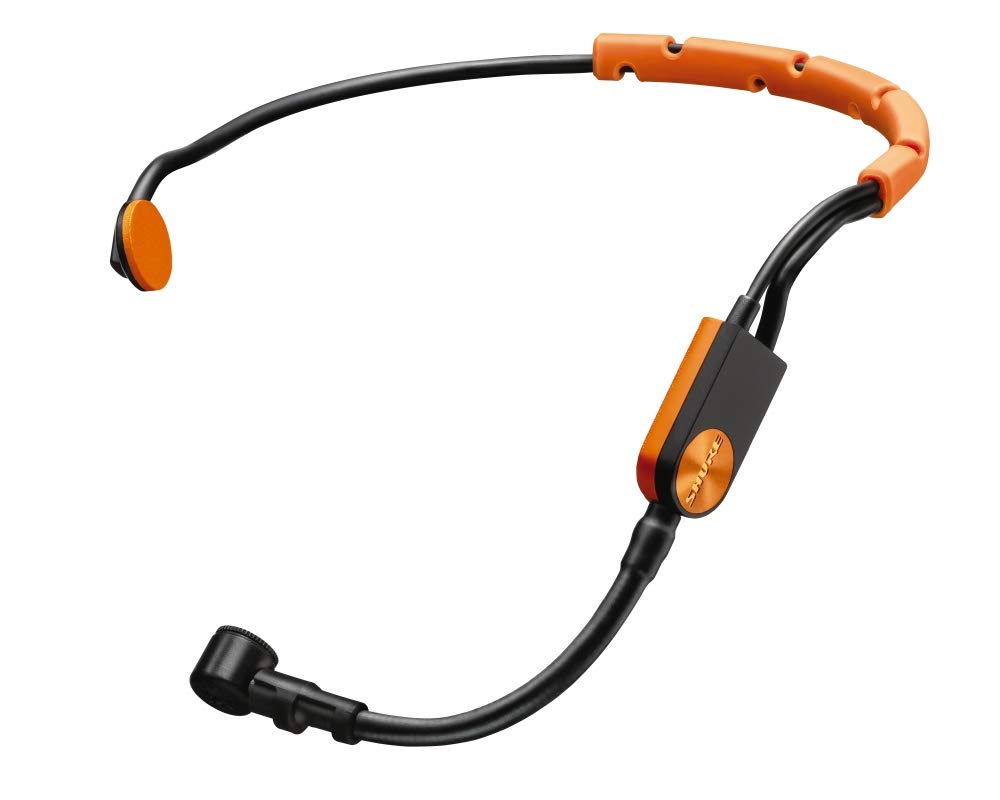
The PGA31-TQG is a cardioid headworn condenser that keeps the voice forward and clear in loud rooms. The flexible gooseneck positions the capsule close to the mouth, which helps speaking and singing stay intelligible without excessive handling noise. The pickup pattern also reduces side-arriving sound, so stage monitors, PA bleed, and classroom chatter stay in the background.

On stage, in a classroom, or during a group fitness session, the microphone maintains a consistent vocal presence while ambient sound from the sides stays down. The frame stays put during movement, and it can be worn for full teaching sessions without the pressure points that cheaper wireframes cause. The gooseneck holds its position well during normal use and can be adjusted on the fly. The TQG connector pairs directly with a Shure bodypack, which makes setup a matter of plugging in and clipping on.

This headset is for speakers and performers who already own a Shure bodypack transmitter with the TQG connector. That transmitter is sold separately, so this is not a complete wireless system. If you are starting from scratch, budget for a compatible Shure bodypack as well; buyers who need a receiver and transmitter in one box should look at a different category.

Pros

  • Cardioid pickup keeps the voice clean and intelligible in noisy rooms.
  • Professional-grade Shure sound at a mid-range price.
  • Lightweight frame stays comfortable through full teaching and performing sessions.

Cons

  • The wireframe can feel snug on larger head sizes and does not stretch much.
  • With heavy use, the gooseneck or cable connections may loosen and need attention.
Our verdict

Own a Shure bodypack? This is the vocal headset to add for speaking, teaching, and live performance.
Check Latest Price
3

Best for Fitness Instructors

Shure SM31FH Fitness

87 /100
Sound Score Excellent

Key details

Output
TA4F (TQG)
System Type
Headset only
Build & Sweat
Sweat-resistant hydrophobic mesh
Wireless Tech
Bodypack required
View on Amazon

The SM31FH is the fitness-specific headset in Shure's lineup — hydrophobic mesh and a lightweight wireframe that hold the headset in place and keep the voice clear through sweaty, high-impact sessions. In large rooms, the capsule delivers crisp vocals that carry over background sound, and the frame stays put through jump training, pushups, and cycling.

Group fitness coaches and high-sweat performers are the right audience, provided they already own a Shure bodypack transmitter — the SM31FH is a headset only, sold without the transmitter. The hydrophobic mesh reduces moisture intrusion, but the capsule is not immune; heavy weekly use can eventually compromise it.

💡 Wipe the headset after each sweaty session and let it air dry — a small habit that supports the hydrophobic mesh.

Pros

  • Clear voice capture in large, active rooms
  • The wireframe stays locked in place through jumping, pushups, and cycling
  • Comfortable for long sessions

Cons

  • Scratching static or wind noise can appear during movement-heavy workouts, especially as the headset ages.
Our verdict

For instructors who sweat and move nonstop, this headset makes moisture and motion the priorities rather than afterthoughts.

Check Latest Price
4

Best for Recording & Vlogging

HOTEC UHF Headset/Lav System

85 /100
Sound Score Excellent

Key details

Output
1/4in, phone, camera
System Type
Complete UHF system
Build & Sweat
No sweat rating
Wireless Tech
UHF, 32 channels
View on Amazon

With 32 UHF channels and a 240-foot line-of-sight range, this complete kit bundles a headset, a lavalier, and phone and camera cables into one purchase. Setup is quick - the bodypack, receiver, and cable connect without software, so you can present or record immediately.

This suits vloggers and presenters who want both mic formats in one box and care more about UHF range than studio-grade audio. Quiet recording can pick up hiss or buzz, and charging problems can develop over time. PA use and louder settings keep those quirks in the background.

💡 Keep the receiver on the charger between sessions - its runtime fits a single talk or class.

Pros

  • Simple plug-and-play setup - the bodypack, receiver, and cable connect without any software or configuration.
  • The included headset, lavalier, and phone and camera cables add up to a solid value in one box.
  • Wireless freedom around a room makes it a practical upgrade from corded mics for live presentations.

Cons

  • On long recording days, the receiver battery can drain after roughly an hour of use.
  • During live presentations, pairing between the bodypack and receiver can become unstable after extended use.
Our verdict

For creators who want to record on a phone or camera and also present live, this is the complete kit that saves you from sourcing mics and cables separately.

Check Latest Price
5

Two-Person Teams

MICVISTA 2-Person System

85 /100
Sound Score Excellent

Key details

Output
3.5mm, 6.35mm
System Type
Complete 2.4G system
Build & Sweat
No sweat rating
Wireless Tech
2.4G, dual headset
View on Amazon

Two headset transmitters feed one receiver, giving teaching pairs and tour guides a cost-effective way to amplify both voices at once. Pairing is painless and the 2.4G link holds in classrooms. It connects to PA speakers via 3.5mm/6.35mm, not phones or Bluetooth speakers. Occasional charging or pairing quirks point to a shorter expected lifespan.

Pros

  • Two presenters share one receiver, lowering the cost of a second wireless mic.
  • Pairing is quick, and the system runs without complicated setup.

Cons

  • Headband clips and transmitter tips can wear out quickly with daily handling.
Our verdict

For co-teachers and tour guides who need two live mics on one receiver, this is the budget fit — especially when a second voice matters more than single-mic simplicity.

Check Latest Price

How to Choose

Complete System vs. Headset-Only

A complete system includes the headset, transmitter, and receiver that connects to a PA speaker or amplifier. A headset-only mic does not transmit on its own; it needs a specific bodypack to send the signal.

Without that bodypack, the sticker price is not the total cost. Buyers who want one box that works with a speaker should verify the receiver is included.

Output Connection

PA speakers and voice amplifiers accept a 3.5mm or 6.35mm plug from a wireless receiver. Shure bodypacks use a TA4F (TQG) connector, so a headset with that connector cannot plug into a speaker without the matching bodypack.

For phone or camera recording, the receiver needs the right cable. Systems that include phone and camera cables avoid a separate adapter purchase.

Wireless Technology

UHF uses dedicated radio frequencies, which usually gives better range and wall penetration than 2.4G. 2.4G is cheaper and convenient, but it shares spectrum with Wi-Fi and Bluetooth, so crowded venues can cause dropouts.

Rated range matters less than real stability. In teaching and touring, the mic sits well under 30 feet from the receiver, so steady transmission at short distance is the spec that counts.

Range and Battery Life

Built-in rechargeable batteries in budget systems degrade first. A mic that runs six hours when new may drop below three hours after months of weekly charging, and some charging circuits stop taking a charge entirely.

If your classes or tours run longer than the battery, choose a system with replaceable batteries or a transmitter you can swap between sessions.

Build and Sweat Resistance

Condenser capsules are sensitive to moisture. Sweat vapor can gradually corrode the internal diaphragm, and a sweat-resistant coating only delays that process rather than making the mic waterproof.

Fitness instructors should look for hydrophobic mesh and a stay-put frame, while still budgeting for more frequent headset replacement than a podium presenter would need.

Frequently Asked Questions