Best Overall XLR Microphone
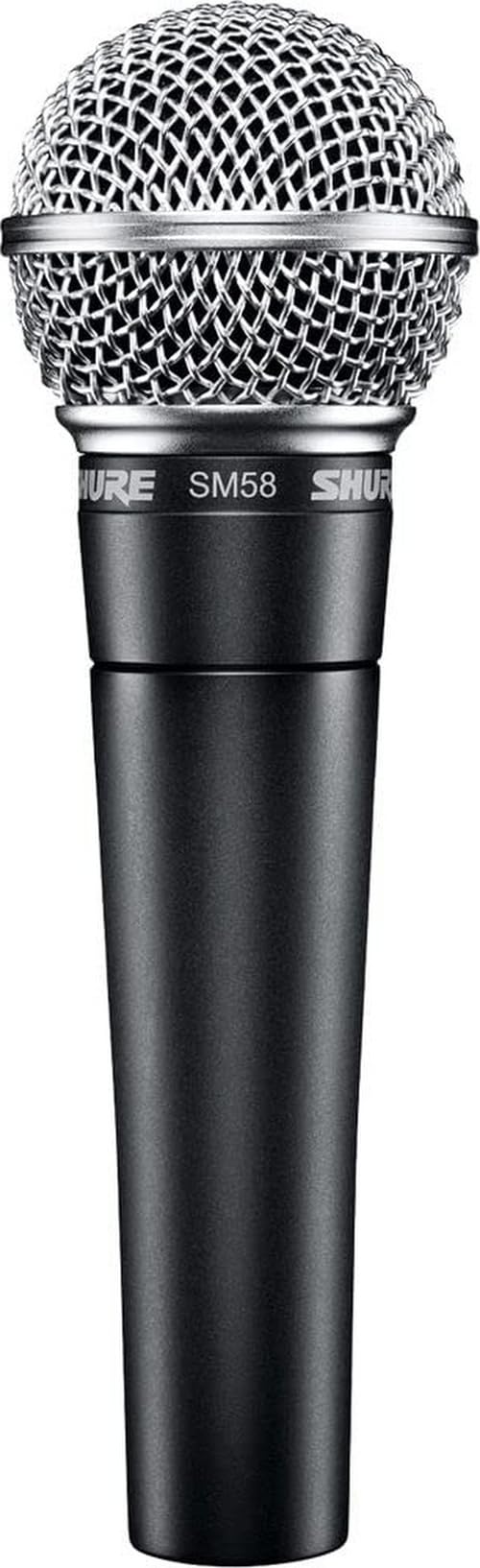
Shure SM58
Key details
- Connectivity
- XLR only
- Polar Pattern
- Cardioid
- Transducer Type
- Dynamic
- Included Accessories
- Mic clip, stand adapter, bag
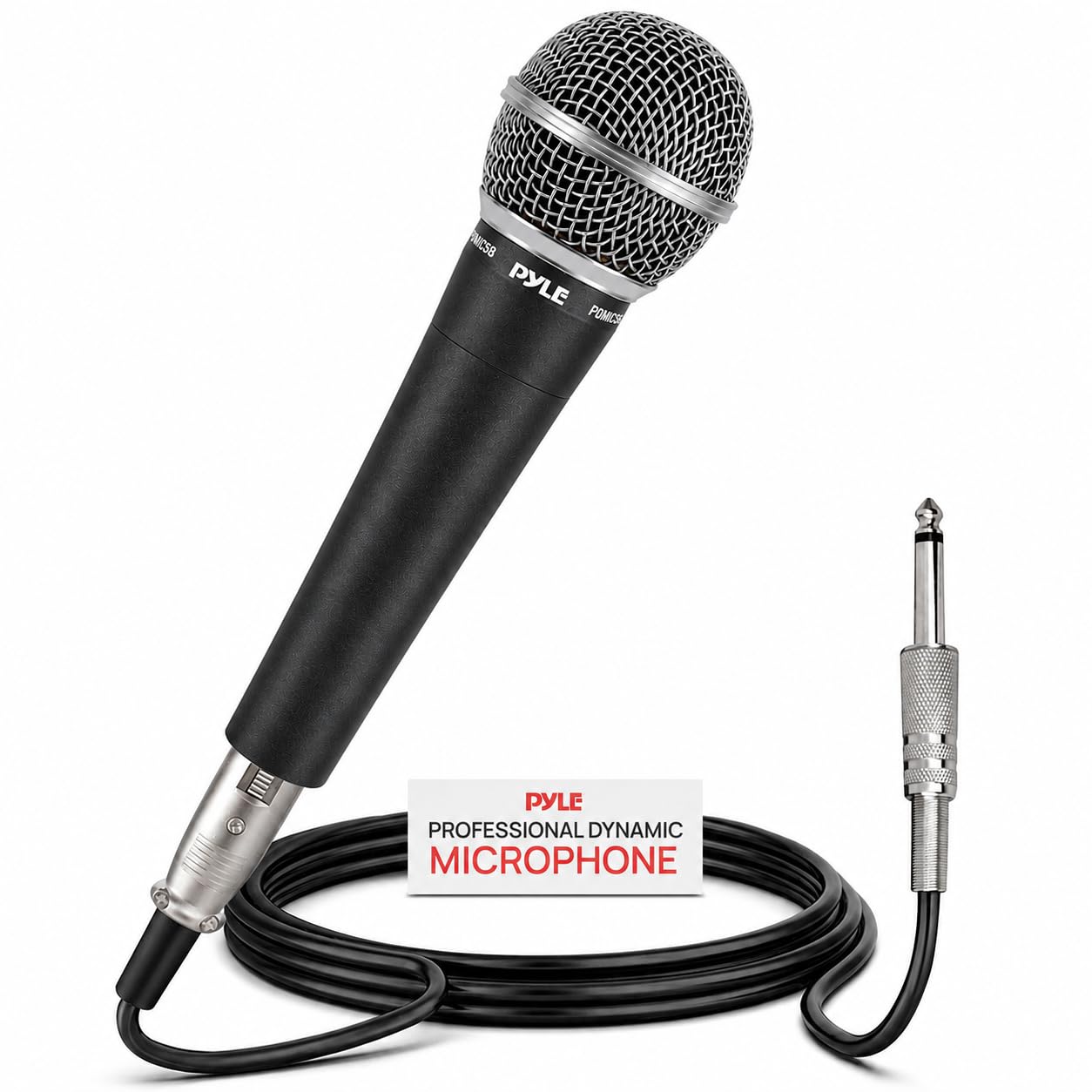
The SM58 is a live vocal dynamic first, with a metal body and cardioid response that reject off-axis noise before it reaches the capsule. It requires no phantom power and slots into any XLR mixer or interface with a clean preamp. The mid-forward voicing flatters vocal intelligibility, and the metal construction shrugs off stage drops and transport. The included mic clip, stand adapter, and storage bag get it onto a stand immediately.
Close-mic use brings out warmth and presence, while the cardioid pattern keeps stage bleed and room tone from overwhelming the vocal. The balance holds up on loud stages and in untreated rooms.
This fits live vocalists, gigging musicians, and podcasters or streamers who already own an XLR interface and want one handheld dynamic that can move from stage to desk. It is not a dedicated broadcast dynamic, but close-mic spoken word still benefits from the same presence and noise rejection. It rewards close-mic technique and needs an interface or XLR preamp, so USB-only buyers should choose a different option. For XLR users with a preamp, the SM58 covers live rooms, podcast desks, and home recording without added coloration. The handheld body travels well, so one mic can serve stage and desk duty.
💡 Bring an XLR cable, since the package includes only the mic clip, stand adapter, and storage bag.
Pros
- Metal chassis holds up to stage work and travel.
- Vocals stay clear and present, even when the stage mix gets loud.
- Works for live sound, podcasting, and home recording through a standard XLR input.
Cons
- High-frequency response stops at 15 kHz, limiting air and fine detail on quiet studio sources.
- Desk-distance use thins the voice until the speaker works close to the capsule.
Choose the SM58 when you need one handheld dynamic that handles stage work and records cleanly through an XLR front end.