11 Best Microphone for Singing in 2026: Match Your Room and Setup

The best microphone for singing depends on your room, interface, and live-versus-studio needs. Match the capsule and connection to your setup.

Most singers choose a microphone based on the capsule type advertised on the box — condenser for detail, dynamic for stage. The recordings that come out of that mic, though, depend less on the label and more on the room around it and the preamp feeding it. A sensitive condenser in a noisy bedroom will pick up keyboard clatter; a dynamic with modest gain requirements can sound far cleaner in the same space.

That gap between marketing and lived use is why the right vocal mic isn't a single universal model. It's the one that matches your physical space, your existing audio chain, and whether you sing live or sit down to record. This guide sorts those choices by use case so you can put your money into the part that actually changes your sound.

About the Sound Score: This comparative score is calculated from a product's published customer rating and review volume. It is not a laboratory measurement or a hands-on test result.

1

Best Overall

Shure SM58

96 /100
Sound Score Outstanding

Key details

Capsule Type
Dynamic
Connectivity
XLR
Pickup Pattern
Cardioid
Included Extras
View on Amazon

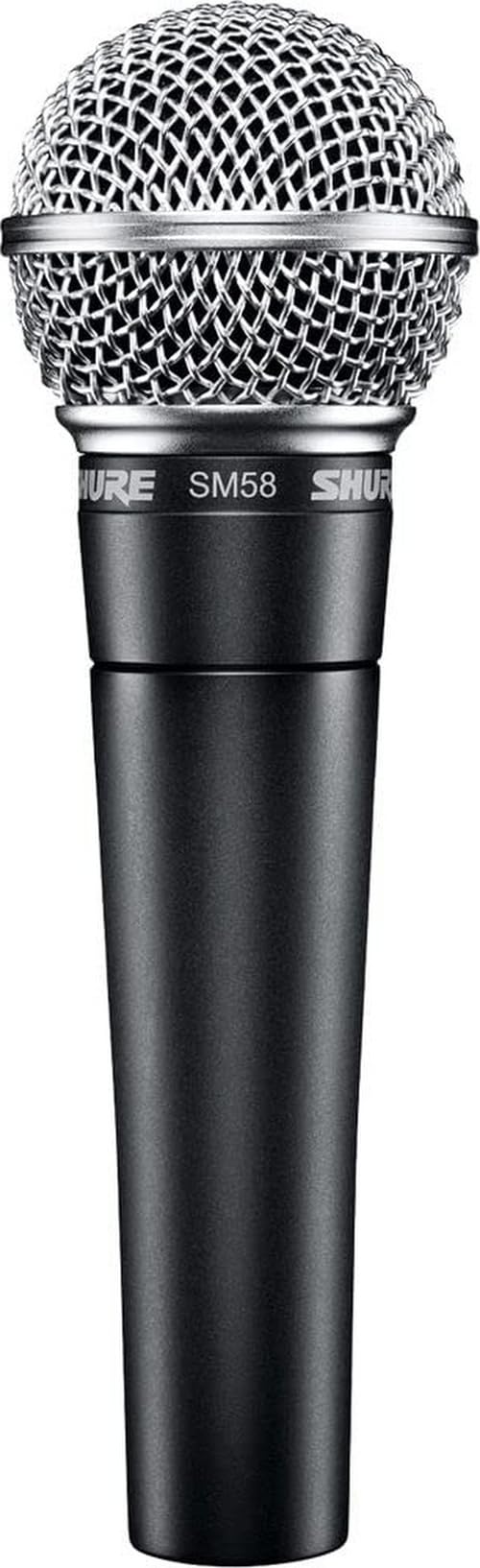
The SM58 is a cardioid dynamic vocal mic with a rugged spherical mesh grille and a 50 Hz-15 kHz response shaped to keep vocals forward in live and recorded settings. Its pickup rejects monitor bleed and feedback on stage, while the presence lift flatters most singers. The shock-resistant body takes handling in stride, and no phantom power is needed, so a basic mixer or audio interface is enough to pass its signal.

On a loud stage, the cardioid pickup stays locked on the singer while the grille shrugs off bumps and drops. In a home studio, it behaves like a workhorse vocal mic rather than a detail collector, smoothing over room noise and keeping lyrics intelligible in the mix. Repositioning between verses doesn't introduce distracting thumps.

This fits live performers, karaoke hosts, spoken-word creators, and home studio vocalists whose setup already includes an XLR interface or mixer. It will not act as a plug-and-play USB mic; singers chasing a bright condenser sparkle are better served by a different capsule, but for voices that need to cut through band noise, the SM58 holds the line.

Pros

  • Presence-focused tuning keeps vocals intelligible in loud live settings and dense mixes.
  • Cost-effective choice for a mic that holds its place across live, karaoke, and home studio work.
  • Rugged metal grille and shock-resistant body take stage handling in stride.

Cons

  • The 15 kHz top-end ceiling won't add the airy sheen of a studio condenser.
  • Needs an XLR input and separate cable or interface before any sound reaches a computer or PA.
Our verdict

The SM58 is the vocal mic you point at any stage, karaoke party, or podcast table when an XLR chain is already in place.
Check Latest Price
2

Best Premium Studio/Broadcast Vocals

Shure SM7B

96 /100
Sound Score Outstanding

Key details

Capsule Type
Dynamic
Connectivity
XLR
Pickup Pattern
Cardioid
Included Extras
View on Amazon

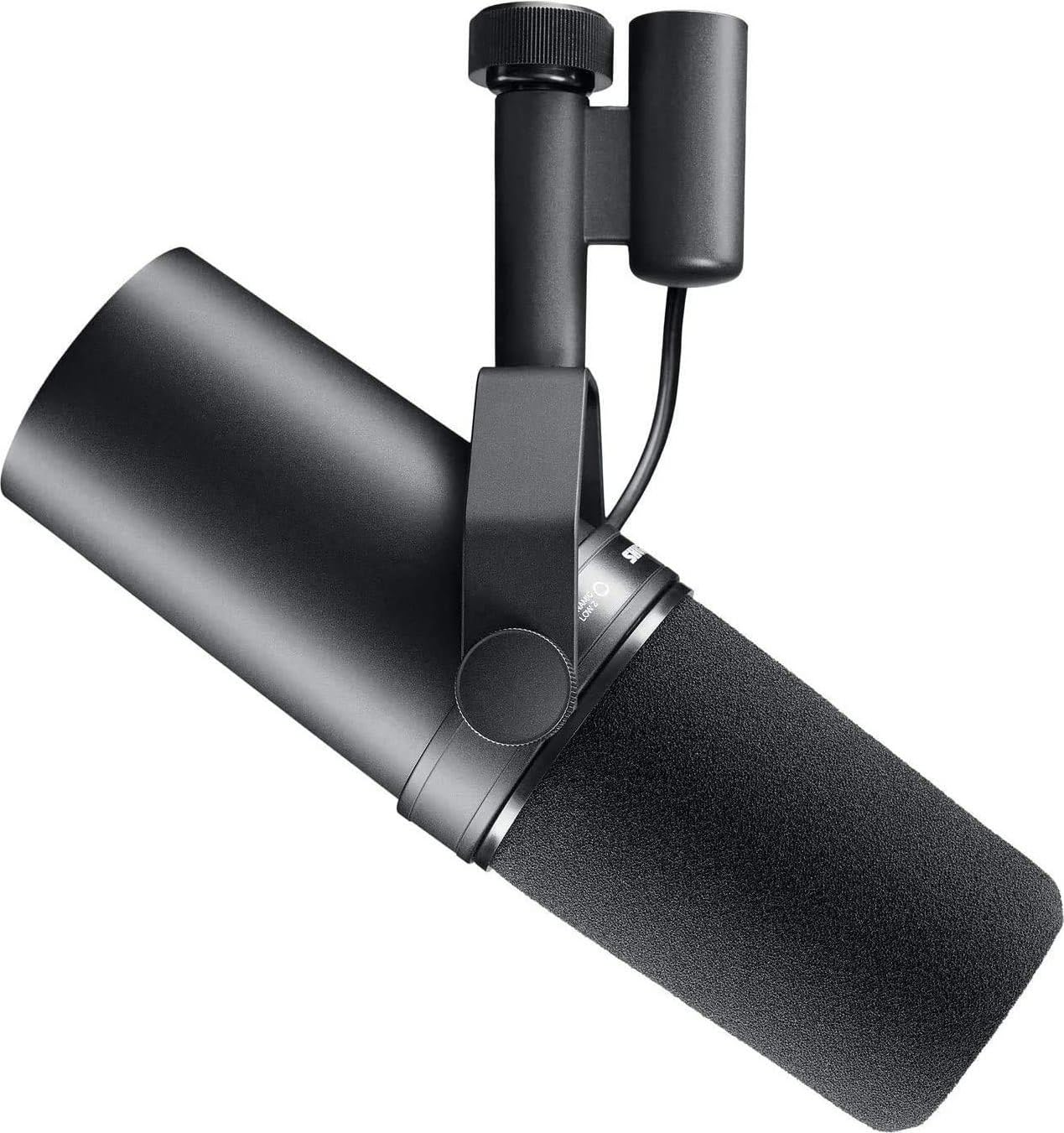
The SM7B’s dynamic capsule is voiced for close-mic speech and singing, giving vocals a present broadcast character without the sibilance edge typical of condenser mics. Air suspension shock isolation and built-in pop filtering remove plosives and mechanical noise before they reach the interface.

This is for serious home-studio vocalists, podcasters, and streamers with a high-gain interface or inline preamp. Shure recommends at least 60 dB of gain; below that, a low-output dynamic like this one can sound quiet and hissy. Buyers without that chain are better served by the top pick’s more forgiving handheld design.

Pros

  • Broadcast-voiced dynamic keeps close-mic vocals present without harsh sibilance.
  • Air suspension shock isolation and built-in pop filter handle desk thumps and plosives before they hit the preamp.
  • Responds well to close-mic speech and singing, suiting podcast and vocal sessions alike.

Cons

  • Premium price places it beyond starter-level vocal mic budgets.
Our verdict

For close-mic vocal and podcast sessions with a capable interface, this is the broadcast-style dynamic sound to build a studio around.

Check Latest Price
3

Best Budget Studio Condenser

Audio-Technica AT2020

95 /100
Sound Score Outstanding

Key details

Capsule Type
Condenser
Connectivity
XLR
Pickup Pattern
Cardioid
Included Extras
View on Amazon

The AT2020 pairs a side-address cardioid capsule with a custom low-mass diaphragm, delivering phantom-powered studio capture at a budget-friendly price. Its sound leans clear and present, with more of the top-end air and body that home USB mics tend to soften, so vocal and acoustic sessions feel closer to a studio take.

This suits home studio vocalists, voiceover artists, and podcasters who already have an XLR interface with phantom power and can work close to the mic. A side-address design means the capsule faces the singer, not the ceiling, so positioning matters more than with a handheld dynamic.

💡 Place the capsule a hand-width from the source and angle it slightly off-axis to tame plosives and room tone.

Pros

  • Clear, crisp capture for vocals and acoustic instruments.
  • True condenser detail at a price that suits a first home studio.
  • All-metal build feels like a more expensive studio mic.

Cons

  • No cable, stand, or shock mount is included; those are separate purchases.
  • In untreated rooms, the cardioid pattern can pick up fans, reflections, and other ambient noise.
Our verdict

A cost-effective entry into true condenser recording for home vocal work — with the caveat that the mic alone is not a complete setup.

Check Latest Price
4

Best USB All-Rounder for Streamers and Podcasters

Blue Yeti USB

93 /100
Sound Score Outstanding

Key details

Capsule Type
Condenser
Connectivity
USB
Pickup Pattern
Cardioid, omni, bidirectional, stereo
Included Extras
Blue VO!CE, zero-latency monitoring
View on Amazon

The Blue Yeti is a tri-capsule USB condenser with four pickup patterns, Blue VO!CE effects, and zero-latency monitoring, so it gives streamers and podcasters clear broadcast-style voice capture without an audio interface. Its heavy all-metal body and simple setup make it a natural desktop microphone for solo or roundtable recordings.

The best fit is a content creator who wants one easy USB mic for spoken-word and interview recording in a quiet space. Room noise sensitivity is the boundary here: in an untreated room, keyboard, fan, and echo can bleed into the capture, so this is not the choice for close-mic vocal tracking in live or noisy conditions.

Pros

  • Clear broadcast-style voice capture for streaming, podcasting, and calls.
  • Plug-and-play USB setup; no audio interface needed.
  • Heavy all-metal body feels built to sit on a desktop.

Cons

  • Mute button and knob feel can vary between units.
Our verdict

For streamers and podcasters who want multi-pattern USB convenience in a quiet room, the Yeti covers the essentials; for live or untreated-room vocal work, a dynamic mic is the better route.

Check Latest Price
5

Best Low-Noise Studio Condenser Kit

Rode NT1 Signature

92 /100
Sound Score Outstanding

Key details

Capsule Type
Condenser
Connectivity
XLR
Pickup Pattern
Cardioid
Included Extras
Shock mount, pop filter, cable
View on Amazon

The NT1 Signature is a complete vocal-recording kit: the large-diaphragm cardioid capsule, shock mount, pop filter, and XLR cable ship together, so home vocalists only need an audio interface with phantom power. Warm, crisp pickup handles singing, voiceover, and streaming without the metallic edge some budget condensers add.

This fits home studio vocalists and podcasters in quiet, treated rooms who want a low-noise condenser and a full bundle at a mid-range price. Condenser sensitivity means ambient sound from keyboards, fans, or street noise can enter the recording, so this is not the pick for untreated bedrooms or noisy shared spaces.

Pros

  • Complete bundle includes shock mount, pop filter, and XLR cable, so no extra purchases are needed.
  • Warm, crisp vocal tone with 4 dBA self-noise suits singing and voiceover in a controlled room.
  • XLR connection pairs cleanly with an audio interface once phantom power is applied.

Cons

  • Occasional unit issues can appear in the signal chain, so testing before a paid session is worth the time.
Our verdict

For the home vocalist who already has phantom power and a quiet space, the NT1 Signature delivers a complete, low-noise recording path.

Check Latest Price
6

Best Budget All-In-One USB Kit

FIFINE T669

93 /100
Sound Score Outstanding

Key details

Capsule Type
Condenser
Connectivity
USB
Pickup Pattern
Cardioid
Included Extras
Boom, shock mount, pop filter
View on Amazon

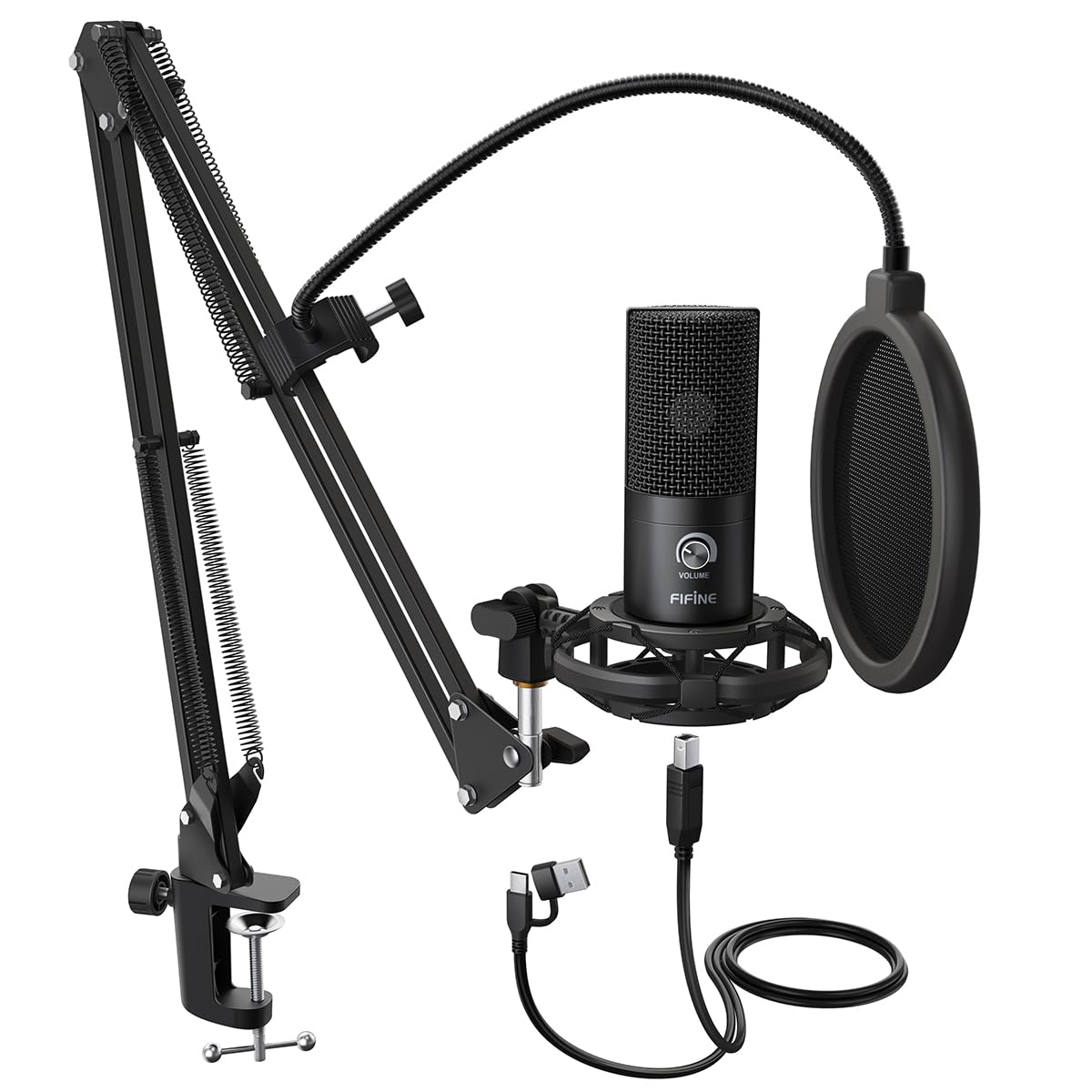
The FIFINE T669 pairs a cardioid USB condenser with the accessories a new vocalist needs—boom arm, shock mount, pop filter, and cable—at a budget price. Voice capture is clear and crisp for spoken word and close-mic home vocal demos, with no interface setup required. It's best suited to first-time podcasters, streamers, and students doing home vocal sessions at a desk; this is not a handheld live or karaoke mic. Because it's a condenser, room tone, fan noise, and keyboard clatter can bleed into a track in untreated rooms; the included boom arm's tension can vary, so it's best when set once rather than constantly repositioned.

Pros

  • Complete desktop bundle—boom arm, shock mount, pop filter, and USB cable included.
  • Clear voice pickup for podcasts, streaming, and home vocal demos.
  • USB plug-and-play works without an audio interface or phantom power.

Cons

  • Occasional units may develop USB connection issues after months of use.
Our verdict

This USB kit covers the basics for someone starting out with home vocal recording and wanting everything in one box. The bundle value is the story; the mic itself is a capable starter.

Check Latest Price
7

Best Budget Karaoke/Live Handheld

FIFINE K6

89 /100
Sound Score Excellent

Key details

Capsule Type
Dynamic
Connectivity
6.35mm
Pickup Pattern
Cardioid
Included Extras
14.8 ft cable
View on Amazon

Handheld cardioid dynamic with a 14.8 ft cable and on/off switch, tuned for karaoke machines, amps, and small PA use rather than desktop podcasting. It delivers clear, loud vocal tone for the price and feels more substantial than the stock karaoke mics bundled with cheap party systems. Cardioid pickup also keeps background noise down.

Best for home karaoke singers and casual live performers who need a wired handheld for an amp or PA. Keep it out of constant touring or regular gigging duty; this is a budget-friendly tool for events where the mic gets handled with care.

💡 Allow some slack near the mic when moving around; the fixed cable responds better to gentle handling.

Pros

  • Clear, loud vocal tone for the price; a step above typical stock karaoke mics.
  • Built-in on/off switch and 14.8 ft cable make it easy to pass around at home parties.
  • Budget price delivers strong value for casual singers and small gigs.

Cons

  • Cable and build consistency can vary between units; occasional connection noise has been noted after extended handling.
Our verdict

For home karaoke and casual live sets, this budget handheld gets the vocal job done with a long cable and useful on/off switch.

Check Latest Price
8

Live Stage Vocals

Sennheiser E835

94 /100
Sound Score Outstanding

Key details

Capsule Type
Dynamic
Connectivity
XLR
Pickup Pattern
Cardioid
Included Extras
MZQ 800 clip
View on Amazon

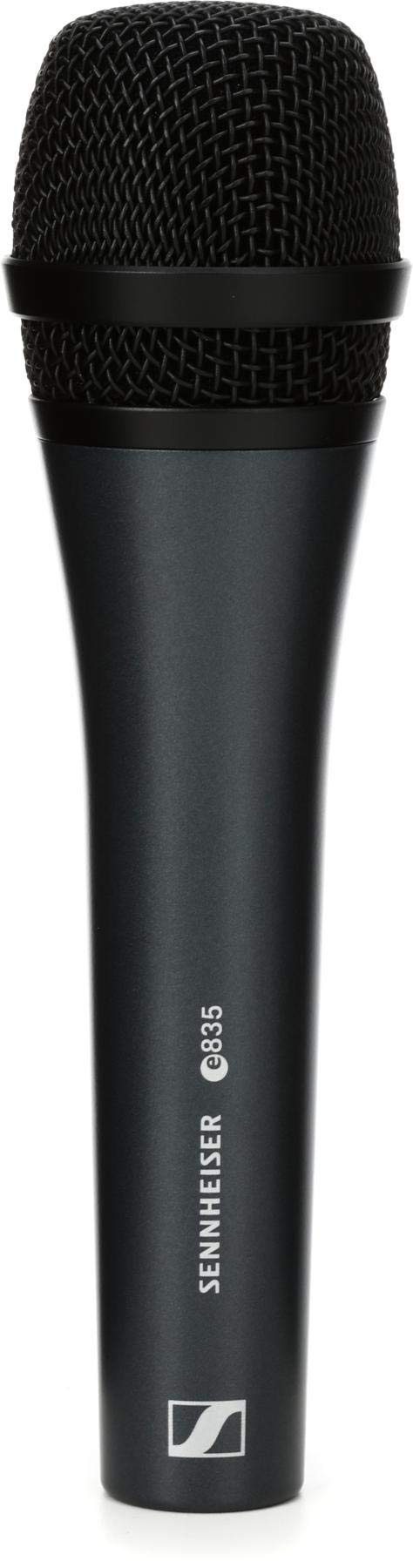
The E835 is a handheld dynamic with a presence boost that keeps sung vocals articulate in a live mix, and internal damping controls handling noise. Studio-condenser users won't get a soft recorded sheen here. This stage focus is why it trails the top pick for live-and-home use, but vocalists with a PA get Sennheiser stage voicing at mid-range price.

Pros

  • Presence boost helps sung vocals cut through a live band without heavy EQ.
  • Internal damping keeps handling noise low when working the mic on stage.

Cons

  • XLR-only output rules out direct USB connection to computers or phones.
Our verdict

For a singer with an established stage setup, this is a fitting Sennheiser alternative; someone building a desktop-only vocal rig should pass.

Check Latest Price
9

Budget Karaoke

Pyle PDMIC58

89 /100
Sound Score Excellent

Key details

Capsule Type
Dynamic
Connectivity
XLR, 1/4-inch cable
Pickup Pattern
Cardioid
Included Extras
15 ft cable
View on Amazon

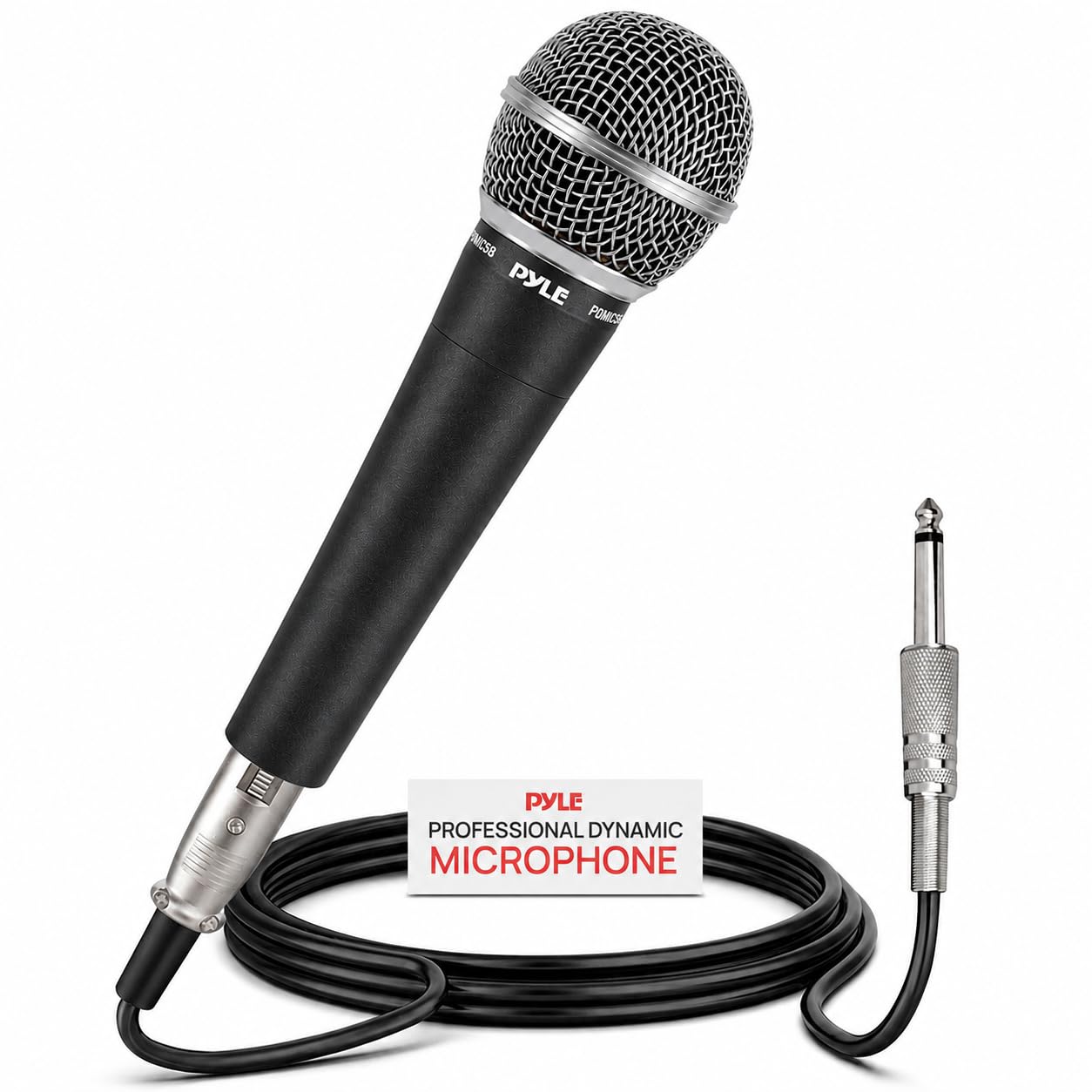
Zinc alloy build and a cardioid pattern give this entry-level dynamic a usable vocal tone for karaoke, house PA, or first recordings into a mixer. It lacks an on/off switch, and individual units can show cable or durability issues, which keeps it from premium stage territory.

Pros

  • Clear, crisp vocal capture for singing and karaoke.
  • Metal body provides a sturdy feel at a budget price.

Cons

  • Muting must be handled at the mixer or amplifier rather than on the mic.
Our verdict

For casual karaoke, house PA, and entry-level recording into a mixer, this budget mic fits when stage-grade longevity isn't required.

Check Latest Price
10

Budget Backup

Amazon Basics Dynamic

90 /100
Sound Score Outstanding

Key details

Capsule Type
Dynamic
Connectivity
XLR, 1/4-inch cable
Pickup Pattern
Cardioid
Included Extras
Cable included
View on Amazon

A zinc die-cast cardioid dynamic with an on/off switch and XLR-to-1/4-inch cable included, this entry-level mic delivers clear vocal sound for karaoke, house PA, and emergency backup. The cardioid pattern helps with feedback control, and the included cable removes a separate purchase. Long-term durability can vary between units, so it suits occasional use rather than constant gigging.

Pros

  • Clear, crisp vocal sound for karaoke and house PA at a budget price.
  • Complete with cable and on/off switch, so a first-time buyer can start using it immediately.

Cons

  • Long-term durability can vary between units, so it is better as an occasional-use spare than a daily gig mic.
Our verdict

Keep this one for first karaoke setups, house PA boxes, and emergency backup — not for a nightly touring schedule.

Check Latest Price
11

Casual Parties

YIOWNER XH-328

90 /100
Sound Score Outstanding

Key details

Capsule Type
Dynamic
Connectivity
6.35mm
Pickup Pattern
Cardioid
Included Extras
8.2 ft cable
View on Amazon

Low-cost cardioid handheld with a usable on/off switch and clean-enough vocal clarity for family parties, announcements, and backup duty. The 8.2 ft cable keeps you near the amp, and durability can vary between units, so this fits casual setups rather than regular stage work or studio recording.

Pros

  • Well-made, professional-looking build for a budget karaoke mic.
  • Strong value for money as a low-cost option for parties and family events.

Cons

  • 8.2 ft cable reaches only to nearby amps; stage or wide-room setups need an extension.
Our verdict

For a spare mic kept in a drawer for last-minute family gatherings, this fills the slot without a bigger investment.

Check Latest Price

How to Choose

Dynamic or Condenser Capsule

Dynamic mics use a moving coil and need no power, which makes them forgiving in live rooms and untreated spaces. Condensers use a charged diaphragm that captures more detail but also more room tone. That is why a condenser can sound airy in a treated studio and cluttered in a reflective bedroom.

Pickup Pattern and Rejection

Cardioid is the standard vocal pattern because it favors the front and rejects sound from the sides and rear. The rejection curve matters more than the word itself: a dynamic cardioid drops background noise quickly, while a condenser cardioid may still pick up reflected sound from the room. Singers who move around benefit from a tight pattern because it keeps level consistent as the mic angle changes.

Connectivity and Signal Chain

USB microphones have a built-in preamp and analog-to-digital converter, so they work with a computer and nothing else. XLR microphones need an interface or mixer, and condenser XLR mics also require 48V phantom power. The practical trade-off is gain: a low-output dynamic XLR mic can be too quiet on a basic interface, while a USB mic's preamp is matched to its capsule and harder to get wrong.

Accessories and Setup Cost

The sticker price of an XLR mic often excludes the cable, stand, shock mount, pop filter, and interface. That is why a budget XLR condenser can cost two or three times its sticker once the chain is complete. USB bundles with a boom arm, pop filter, and cable lower the upfront cost but keep you tied to the built-in preamp and capsule.

Stage vs Studio Build

Handheld stage dynamics are built to survive drops, cable yanks, and feedback; metal grilles and internal shock mounting protect the capsule. Studio condensers are more delicate and meant to sit on a stand in a controlled room. A singer who moves around should treat a rugged dynamic as a long-term tool, while a fixed home setup can use a condenser without road-worthy construction.

Frequently Asked Questions