11 Best Microphone Preamps of 2026: Clean Gain Without the Hiss

Which microphone preamps add clean gain to low-output dynamics without adding hiss or passing phantom voltage — for podcasters, streamers, and voiceover artists.

The classic problem isn't a weak microphone; it's a low-output dynamic like the SM7B, RE20, or Podmic plugged into an interface that runs out of clean gain. Crank the trim and you get the room tone and interface hiss along with the voice.

Inline preamps fix this by adding +25 to +29 dB before the interface, letting the interface work at a quieter trim. The real trade-off is physical: a transformer-isolated box adds clean gain and blocks phantom voltage from fragile ribbon mics, but needs an extra cable; a compact barrel plugs straight into the mic and costs less but doesn't always offer the same isolation.

The overlooked spec is the noise floor. Several budget boosters advertise clean gain yet audibly hiss in real use, so the useful amount of gain is whatever stays quiet in pauses — not the number printed on the box.

About the Sound Score: This comparative score is calculated from a product's published customer rating and review volume. It is not a laboratory measurement or a hands-on test result.

1

Best Overall

Cloudlifter CL-1

94 /100
Sound Score Outstanding

Key details

Clean Gain
+25 dB
Form Factor
Inline box, extra cable
Noise Floor
35 dB SNR
Compatibility
Dynamic, ribbon only
View on Amazon

A Shure SM7B that barely registers on a basic interface becomes a full, quiet signal with the CL-1 in line. Gain stays clean at normal settings, so you can set input levels without chasing hiss. The +25 dB boost is enough to push a low-output dynamic into a usable range while leaving the interface preamp out of the noise zone.

The metal housing is built for studio life, and the CL-1 runs off the interface's existing phantom power — no batteries, no wall wart. The lack of controls is intentional: nothing to dial in, just enough level for the mic to work with. The circuit is a natural fit for passive ribbon mics, keeping the 48V needed for the booster away from the ribbon element.

Best for SM7B/RE20/Podmic owners and ribbon-mic users who want the established solution rather than the lightest or cheapest one. It is premium-priced next to functionally similar boosters, so budget-sensitive buyers will find the barrel-style alternatives more attractive. For anyone already running a dynamic mic into a modest interface, this is the piece that makes the pairing work.

Pros

  • Adds +25 dB of clean gain that improves the signal-to-noise ratio on low-output dynamic mics.
  • Solid metal shell survives regular use in home and studio setups without adding meaningful weight or bulk.
  • Transformer isolation prevents phantom voltage from reaching the mic, making it a strong match for ribbon mics.

Cons

  • The inline format requires an extra XLR jumper between mic and interface, which adds bulk to a desktop setup.
  • In some signal chains, a low hum can appear until you adjust cable routing or interface grounding.
Our verdict

The CL-1 is the clean-gain answer for low-output dynamics and ribbon mics with entry-level interfaces.
Check Latest Price
2

Best Value Inline Booster

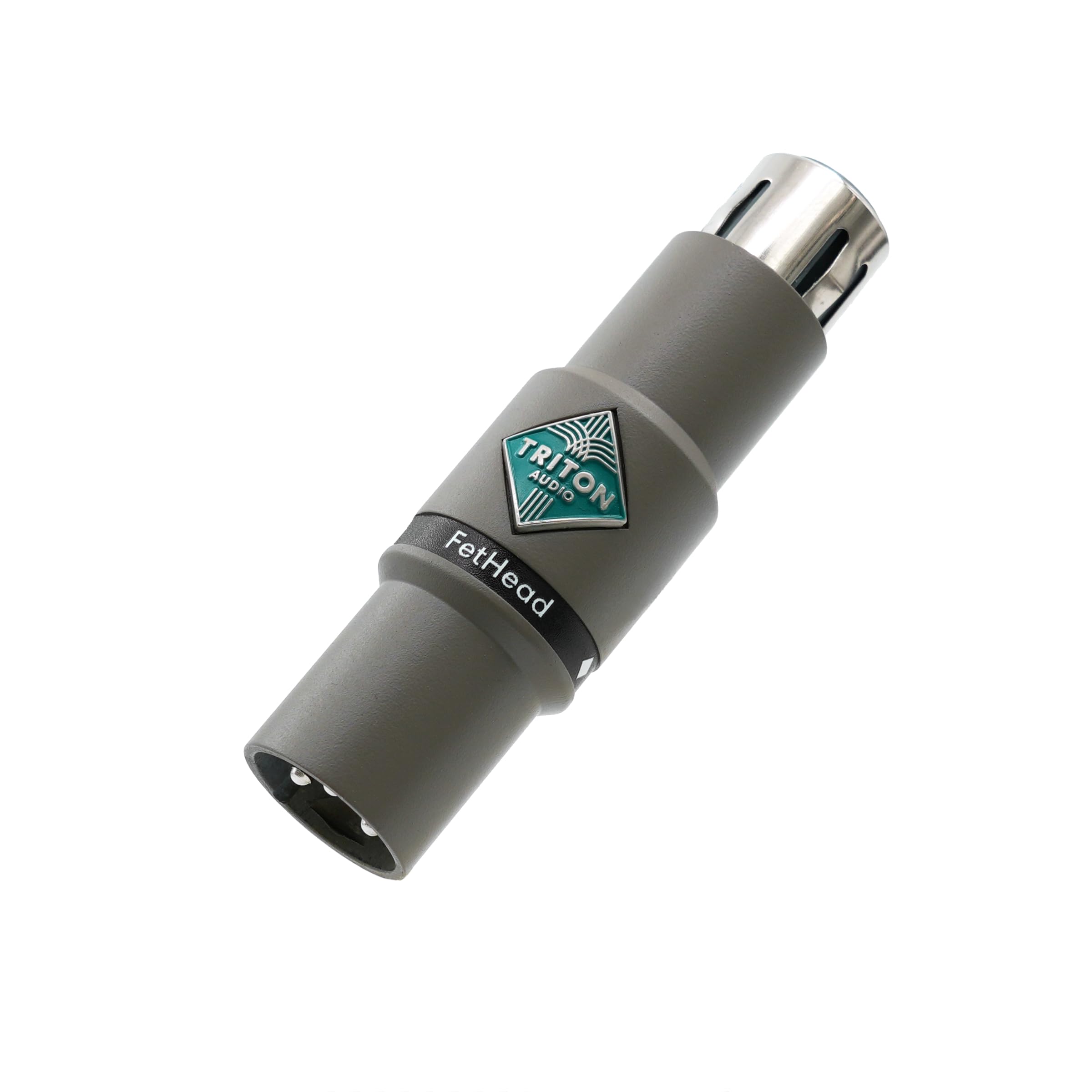
Triton FetHead

91 /100
Sound Score Outstanding

Key details

Clean Gain
+27 dB
Form Factor
Inline barrel, direct mount
Noise Floor
Low-noise JFET
Compatibility
Dynamic, ribbon only
View on Amazon

The FetHead delivers +27 dB of clean Class-A JFET gain by plugging straight into the microphone, so it adds level without adding an extra XLR cable to the chain. It runs off the interface's 48V phantom power and leaves plenty of headroom for SM7B-class dynamics that otherwise sit too quiet on standard inputs.

This suits streamers, podcasters, and traveling recordists who want a compact barrel booster on a mid-range budget. Build finish can vary between units, so checking the XLR ends on arrival is worthwhile. Ribbon purists who need phantom blocking should use the FetHead Filter instead.

Pros

  • Adds +27 dB of clean gain with enough headroom for low-output dynamics like the SM7B.
  • Plugs directly into the mic, so compact rigs skip the extra XLR cable.
  • Operates with little self-noise, keeping quiet vocal tracks free of added hiss.

Cons

  • Certain mic/interface combinations may produce a hum that transformer-isolated boosters avoid.
Our verdict

For streamers and traveling recordists, this is the transparent-gain barrel that shortens the signal path and stretches the budget.

Check Latest Price
3

Best Channel Strip for Voice Processing

dbx 286s

89 /100
Sound Score Excellent

Key details

Clean Gain
SM7B-class headroom
Form Factor
1U rack unit
Noise Floor
Quiet preamp
Compatibility
Dynamic and condenser
View on Amazon

The 286s turns spoken-word recording into one hardware chain: clean preamp gain, then compression, gating, de-essing, and enhancement before the signal hits your recorder. Unlike the tube preamp in this comparison, the 286s keeps the preamp section quiet and clean while its processors shape broadcast-ready voice. That is the draw for podcasters and voiceover artists who want to skip plugin chains.

This is for rack-based voice studios, not portable gain-only rigs. A small number of units can develop loud noise or a dead channel, so test early and use the return window if needed. For the right buyer, this one unit replaces a whole plugin chain.

Pros

  • Complete voice chain in one rack unit: compressor, gate, de-esser, and enhancer work before the recorder.
  • Crisp, clear vocal capture with enough headroom for SM7B-class dynamics.
  • De-esser and gate cut sibilance and room tone without plugin chasing.

Cons

  • No front-panel power switch; racked setups power-cycle from the strip.
Our verdict

For voiceover and podcasting, this is the hardware path to broadcast-style vocals without plugins.

Check Latest Price
4

Best Compact High-Gain Booster

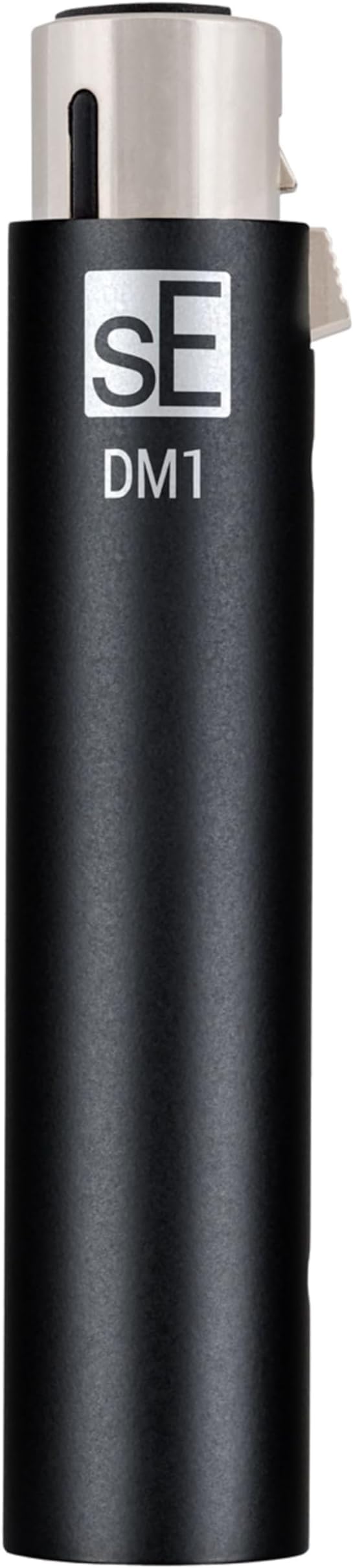
SE DM1 Dynamite

90 /100
Sound Score Outstanding

Key details

Clean Gain
+28 dB
Form Factor
Ultra-slim inline barrel
Noise Floor
Noiseless gain
Compatibility
Dynamic, ribbon only
View on Amazon

The DM1 Dynamite delivers +28 dB of clean gain in an ultra-slim Class-A FET barrel, turning low-output dynamics like the SM7B and RE20 into interface-friendly signals without adding hiss. It skips the transformer isolation of the Cloudlifter, which keeps the footprint small and the price lower.

For podcasters and streamers running SM7B or RE20 into a budget interface, the DM1 is a cost-effective way to get strong input levels. Connector fit and long-term durability can vary between units, so it suits buyers who want maximum gain in a compact package rather than a heavy-duty road box. Condenser mics are not supported.

Pros

  • Adds +28 dB of clean gain, enough to drive an SM7B or RE20 to interface level without extra hiss.
  • Keeps vocal detail clear and natural after the gain stage.
  • Costs less than the Cloudlifter while delivering higher gain in a smaller barrel.

Cons

  • The inline barrel can crowd adjacent XLR ports in tight interface layouts.
Our verdict

For SM7B and RE20 owners who want Cloudlifter-class level without the extra size or price, the DM1 is the compact, budget-friendly alternative.

Check Latest Price
5

Best Budget Tube Preamp

ART Tube MP V3

88 /100
Sound Score Excellent

Key details

Clean Gain
High gain
Form Factor
Desktop tube preamp
Noise Floor
Rises at high gain
Compatibility
Condenser and dynamic
View on Amazon

The Tube MP V3’s 12AX7 stage adds audible tube warmth to vocals, guitar, and bass, with enough gain to drive an SM7B and phantom power for condenser mics. It keeps the rig compact enough to work as a live DI or a home-studio front end.

This is for bedroom musicians recording vocals, guitar, or bass on a budget, and for live performers who want a portable tube preamp. The voicing and meter controls can be subtle or inconsistent on some units, so the core tube tone is the main draw.

Pros

  • Warm tube saturation that flatters condenser mics and adds overdrive-friendly character to bass.
  • High gain with a +20dB boost switch can drive a low-output dynamic like the SM7B.
  • XLR mic and 1/4-inch instrument inputs with phantom power cover home-studio and stage duty.

Cons

  • Background hiss can creep into recordings at the highest gain settings, limiting quiet clean takes.
Our verdict

For home-studio musicians who want tube color without spending heavily, this preamp delivers the warmth; just don’t expect an invisible gain stage.

Check Latest Price
7

Mobile Recording

iRig Pre 2

87 /100
Sound Score Excellent

Key details

Clean Gain
Form Factor
Pocket mobile preamp
Noise Floor
Compatibility
Condenser and dynamic
View on Amazon

Two AA batteries supply +48V phantom for condenser mics, and the headphone monitor out lets you check levels while recording to a phone, tablet, or DSLR. The gain range is best matched to condensers; low-output dynamics like an SM7B need an inline booster to reach usable level.

Pros

  • Phantom power runs from two AA batteries, so condenser mics can be used away from wall outlets.
  • Headphone monitor plus device out gives immediate level checking while recording to phones, tablets, or cameras.

Cons

  • Output path is built around mobile devices and DSLRs, so desktop interface users need extra hardware to integrate it.
Our verdict

For phone or DSLR shoots with condenser mics, this is a pocket-size way to add phantom power and monitoring.

Check Latest Price
8

Budget Streamers

Klark CT 1

86 /100
Sound Score Excellent

Key details

Clean Gain
+25 dB
Form Factor
Compact inline barrel
Noise Floor
70 dB SNR
Compatibility
Dynamic, ribbon only
View on Amazon

Klark's CT 1 delivers +25 dB at the lowest entry point in this class, making it the natural first booster for budget podcasters running an SM57 or SM58 into a modest mixer. Sound quality holds up well for the money. The build and finish are entry-level, and occasional static or popping can show up, keeping it below premium boosters.

Pros

  • +25 dB of gain makes low-output dynamics like SM57/SM58 usable through mixers with weak preamps.
  • The value gap versus premium boosters is substantial, with similar clean gain at a much lower cost.

Cons

  • When moving the barrel between mics, the XLR clip fit can be tight enough to make removal awkward and press on the connector.
Our verdict

For a starter who wants gain now without spending much, this is the budget-conscious route into inline boosting.

Check Latest Price
9

Tube Tone, DI

PreSonus TubePre v2

87 /100
Sound Score Excellent

Key details

Clean Gain
80 dB gain
Form Factor
Desktop tube preamp
Noise Floor
Stock tube hiss
Compatibility
Condenser and dynamic
View on Amazon

Desktop tube preamp/DI with 80 dB gain, phantom power, high-pass filter, pad, and polarity reversal gives home-studio players tube tone and hands-on control. The 12AX7 drive warms vocals nicely. The stock tube can hiss at high gain; budgeting for a quieter replacement 12AX7 is the extra tinkering that separates it from clean inline boosters.

Pros

  • Warm tube drive adds presence to vocals and instruments, with a classic look that fits a home-studio rack.
  • Cost-effective entry into tube preamp tone with flexible controls for the money.

Cons

  • The stock 12AX7 can hiss at high gain, so a quieter replacement tube is something to budget for.
Our verdict

This preamp fits home-studio musicians who want tube tone and hands-on control and don't mind swapping the stock tube for a quieter one.

Check Latest Price
10

Tone-Color Recording

Soyuz Launcher

88 /100
Sound Score Excellent

Key details

Clean Gain
+26 dB
Form Factor
Inline barrel
Noise Floor
Occasional hiss
Compatibility
Dynamic, ribbon only
View on Amazon

The Soyuz Launcher sits between mic and interface, where its hand-wound transformer adds warmth and dimensional depth to dynamics and ribbons. The premium price buys a hand-built character voice, making it a specialized alternative rather than an automatic upgrade for recording chains.

Pros

  • Warm, three-dimensional tone makes dynamic and ribbon mics feel more present.
  • Hand-built enclosure with signed QA cards suits high-end studio racks.

Cons

  • A faint hiss can surface in quiet recording settings on some units.
Our verdict

If you already have a clean inline booster for neutral tracks, the Launcher becomes the character option for ribbon and dynamic sessions where warmth is the point.

Check Latest Price
11

Ribbon Mic Rumble

FetHead Filter

87 /100
Sound Score Excellent

Key details

Clean Gain
+22 dB
Form Factor
Inline barrel
Noise Floor
EMF interference possible
Compatibility
Ribbon and dynamic
View on Amazon

This is the ribbon-mic FetHead: +22 dB of clean gain and a built-in low-frequency roll-off in one barrel, so Rode PodMic and ribbon mics gain level without mud. The filter version serves a narrower audience than the standard FetHead, and it can pick up electromagnetic interference near other electronics, so placement matters.

Pros

  • Adds around +22 dB of clean gain to ribbon and dynamic mics without raising the noise floor.
  • Built-in low-frequency roll-off trims rumble and mud from ribbon mics and the Rode PodMic while preserving vocal clarity.

Cons

  • Can pick up electromagnetic interference when the barrel sits close to power supplies, monitors, or other electronics.
Our verdict

If you own a ribbon mic or use a Rode PodMic in a rumbly room, this delivers the gain and low-frequency control you need, provided you can keep it clear of other electronics.

Check Latest Price
12

Live Sound Gain

Klark CM-1

88 /100
Sound Score Excellent

Key details

Clean Gain
+25 dB
Form Factor
Full-size metal booster
Noise Floor
70 dB SNR
Compatibility
Dynamic, ribbon only
View on Amazon

The CM-1 adds +25 dB of gain in a rugged metal housing that suits stage and live-sound work. Its clean, slightly warm voicing lifts low-output dynamics without harsh coloration. The noise floor can run higher than premium boosters in quiet recording spaces, and the slimmer CT-1 covers the same value niche with less bulk.

Pros

  • Delivers a clean +25 dB boost with minimal coloration for low-output dynamics.
  • Rugged metal build handles stage and road use without the premium price of comparable boosters.

Cons

  • In quiet recording rooms, noise may be more apparent than with premium boosters.
Our verdict

For live sound techs and budget streamers who can tolerate a slightly higher noise floor in quiet rooms, the CM-1 offers cost-effective Cloudlifter-style gain.

Check Latest Price

How to Choose

Clean Gain

Higher gain numbers look better on paper, but the useful amount is capped by the noise floor. A hissing +29 dB booster is less useful than a quiet +25 dB one.

A low-output dynamic like the SM7B needs about +25 dB before an entry interface preamp works comfortably. You don't need 80 dB unless you're driving a ribbon mic into a low-gain mixer.

Phantom Power Behavior

Inline boosters take +48V from the interface to run their circuit, but don't pass that voltage to the mic. That's why they work with dynamic and ribbon mics, and why a condenser plugged into one stays silent.

Phantom behavior also affects ribbon safety. A transformer-isolated booster blocks DC from the ribbon; a direct barrel may need a filter version for the same protection.

Compatibility

Match the preamp to the mic type before thinking about gain. Inline boosters are for dynamic and ribbon mics only; condensers need a preamp that supplies phantom at the mic connector.

Multi-pattern condensers are especially dependent on phantom, and no inline booster here delivers it.

Real-World Noise Floor

Every gain stage amplifies noise that came before it, so a noisy first stage leaves hiss even with low interface trim. For speech, the practical test is silence in pauses.

A spec-sheet SNR number can look fine yet sound different at high gain. If a booster hisses at its advertised setting, that gain isn't usable.

Form Factor

A barrel booster attaches directly to the mic, saving a cable and keeping travel rigs compact. An inline box with a jumper cable adds a connection point but allows a larger transformer and often better shielding.

Rack and desktop preamps suit fixed studios with full processing needs, not portable podcast kits.

Built-in Processing

A channel strip adds gate, compressor, de-esser, and sometimes EQ before the recording software, removing plugin latency from the voice chain. A bad setting is harder to undo than a plugin, though.

If you only need more level, an inline booster is the simpler, more transparent choice.

Frequently Asked Questions