7 Best Wireless Home Speakers of 2026: Find Your Streaming Setup

Wireless home speakers differ in Wi-Fi, Bluetooth, and app behavior. Match the right one to your room and listening habits.

A 'wireless' home speaker still plugs into the wall. The wireless part is the audio stream, not the power. That distinction matters because the decision is which streaming method you are buying into.

The main trade-off is simplicity versus flexibility. Bluetooth-only speakers pair in seconds, need no app, and cost less to operate, but they only work with one device at a time and cannot join a multiroom system. Wi-Fi speakers stream directly from Spotify, Apple Music, and other services, support AirPlay and voice control, and can play in several rooms at once — but their companion apps and wireless connections are where frustration usually shows up.

A wireless home speaker is not about raw specs; it is about matching the speaker to your listening habits and tolerance for app setup. Some buyers should choose the easier Bluetooth path; others need whole-home streaming. The right pick answers how you listen, not which speaker is louder.

About the Sound Score: This comparative score is calculated from a product's published customer rating and review volume. It is not a laboratory measurement or a hands-on test result.

1

Best Overall Wireless Home Speaker

Sonos Era 100

88 /100
Sound Score Excellent

Key details

Drivers
Dual tweeters, mid-woofer
Multiroom
Sonos multiroom
App Required
Sonos app
Connectivity
Wi-Fi, Bluetooth, AirPlay 2
View on Amazon

True stereo separation from a compact cabinet is the Era 100's headline capability. Two angled tweeters produce a left-right image that single-driver speakers can't replicate, and a larger mid-woofer adds bass weight beyond earlier compact Sonos models. Output fills a small-to-medium room and keeps its composure at higher volumes, where compact speakers start to sound strained. Dialogue and vocals stay clear even when the music bed is busy, which matters for podcasts and spoken-word listening. Bass response at low volume stays controlled, so late-night listening remains clear. This is a primary speaker for a bedroom, office, or kitchen, not a multiroom afterthought.

Setup runs through the Sonos app, and the unboxing-to-music path takes a few minutes when network discovery works as intended. AirPlay 2 and Bluetooth sit alongside Wi-Fi, so Apple users or direct-stream households can bypass the app's discovery process entirely. On-device controls handle play/pause, volume, and track skipping from the top face without a phone. Stereo pairing with a second Era 100 or rear-surround duty with Arc and Beam soundbars expands the system without purchasing a larger speaker.

The Era 100 suits households building a Sonos multiroom network, using AirPlay 2 from Apple devices, or relying on Alexa voice control in a compact room. Buyers who refuse to use a companion app or need a dead-simple Bluetooth-only speaker should skip it - the Sonos app and wireless connection are the least consistent part of the experience. For households already committed to Sonos, it replaces the older One or Play:1 as the default compact room speaker. The speaker itself sounds well balanced across genres, and once the network setup stabilizes, day-to-day listening is uncomplicated for those comfortable with the ecosystem.

Optional voice control via Alexa or Sonos Voice Control covers music commands without extra hardware, and a USB-C line-in adapter connects a turntable or CD player for analog sources. The Era 100 brings the full home-speaker feature set - Wi-Fi, Bluetooth, AirPlay 2, stereo pairing, voice control, and multiroom - into a cabinet that fits on a shelf. It is a stationary, mains-powered design, so placement depends on outlet proximity rather than battery life. That combination separates it from Bluetooth-only alternatives in this class, though the Era 300 remains the dedicated Dolby Atmos option in the lineup.

💡 Update the Sonos app before first setup and keep the speaker within solid Wi-Fi coverage to minimize connection hiccups during playback.

Pros

  • Dual-tweeter stereo separation with deeper bass than previous compact Sonos speakers.
  • App-based setup integrates cleanly with existing Sonos systems.
  • On-device controls cover play, volume, and track skipping without needing a phone.
  • Wi-Fi, Bluetooth, and AirPlay 2 cover every major streaming source without extra adapters.

Cons

  • During setup, app discovery can lose a speaker, leaving it invisible until a restart.
  • Mid-playback, some app sessions become unresponsive and need a force-close to resume.
  • In certain network environments, Bluetooth pairing can be inconsistent, with occasional drops while streaming.
Our verdict

The Era 100 is the compact speaker for households that want whole-home audio: stereo output, Wi-Fi/Bluetooth/AirPlay 2, and voice control in one small cabinet. The app-based setup is the only real condition.

Check Latest Price
2

Best Bluetooth-Only Style Pick

Marshall Acton III

94 /100
Sound Score Outstanding

Key details

Drivers
4-inch woofer, two tweeters, 60W
Multiroom
None
App Required
None
Connectivity
Bluetooth 5.2, aux
View on Amazon

The Acton III dresses like a vintage amplifier and keeps the controls where you can touch them: physical bass and treble knobs, a 60W output stage, and Bluetooth pairing that needs no app. That simplicity separates it from the Wi-Fi-first top pick, which routes streaming through an app and a multiroom ecosystem. This speaker is a self-contained Bluetooth source rather than a smart-home hub.

The 60W driver array fills a small living room or open kitchen/dining space, and the treble keeps vocals clear without turning harsh. Bass response follows the physical knob: turn it up for rock or electronic, back it off for acoustic material. The textured cabinet with rose-gold details fits on shelves and dressers, and the amp gets loud enough for a small gathering without straining.

This is the right speaker for style-led listeners who want a high-character cabinet and simple Bluetooth operation. Bluetooth-only means no Wi-Fi streaming, no multiroom, and no direct internet playback; if those matter, the top pick's app-driven Wi-Fi setup is the better fit. It also rewards listeners who prefer adjusting tone by hand over opening an app. The Acton III suits a single-room setup where a phone or tablet is the main source and the speaker stays put.

💡 For a wired fallback, use the 3.5mm aux input with a turntable or CD player.

Pros

  • Warm Marshall tuning with crisp highs and enough power to fill a small apartment.
  • Vintage amp styling with rose-gold details and a textured cabinet that stands out on any shelf.
  • Bluetooth pairing with phones and tablets is quick, with no app account required.
  • No-app operation with physical bass/treble knobs and playback controls on the cabinet.

Cons

  • In Wi-Fi-dense apartments, the Bluetooth link can occasionally drop and require a manual reconnect.
  • Quality control can vary, so an immediate unboxing check for power is worth doing.
Our verdict

This is the speaker for one-room listening sessions where physical tone controls and a vintage look matter more than app features.

Check Latest Price
3

Best for Dolby Atmos & Home Theater

Sonos Era 300

91 /100
Sound Score Outstanding

Key details

Drivers
Six-driver array
Multiroom
Sonos multiroom
App Required
Sonos app
Connectivity
Wi-Fi, Bluetooth, AirPlay 2
View on Amazon

The Era 300's six-driver array produces a Dolby Atmos Music soundstage with real height and width, something the compact dual-tweeter top pick cannot approach. Side- and top-firing drivers throw audio across the room and over the listener, so wall-to-wall imaging and overhead cues give it a level of immersion no other standalone speaker in this set reaches. The result is a soundstage that feels larger than the room.

Setup is quick through the Sonos app, and Apple Music streams directly without extra software. For home-theater owners, the Era 300 gains extra purpose as a rear surround for the Sonos Arc or Beam, keeping the linked pair streaming music and film sound without an AV receiver. Both AirPlay 2 and Bluetooth are available for non-Sonos sources. The paired mode is where the speaker earns its keep for movie soundtracks, since Atmos height cues survive rear-channel placement.

This is a specialist buy. The premium price and occasional Sonos app/connectivity quirks are easier to accept for Dolby Atmos Music fans who want spatial audio from one speaker, or for Arc/Beam owners adding rear surrounds. Budget-focused shoppers and casual listeners who would be equally happy with the compact top pick should treat the Era 300 as an upgrade, not a starting point.

Pros

  • Spatial audio with true height and width for Dolby Atmos Music, far beyond a normal single-cabinet speaker.
  • Home-theater-grade build with deep Sonos integration; pairs with Arc or Beam for rear surround.
  • Apple Music streams directly and AirPlay 2 is built in, so iPhone users get going without Bluetooth pairing.

Cons

  • Bluetooth and Wi-Fi connections can drop, and the Sonos app may stall mid-session until restarted.
  • Premium pricing sits above the compact top pick, so casual listeners pay for Atmos channels they may not use.
Our verdict

For Dolby Atmos Music fans and Sonos Arc or Beam owners, this is the speaker that adds height and rear presence no single cabinet can replace. Everyone else should start with the compact top pick.

Check Latest Price
4

Best Compact Multiroom Speaker with Aux Inputs

Bose Lifestyle Ultra

78 /100
Sound Score Very Good

Key details

Drivers
Dynamic driver
Multiroom
Bose multiroom
App Required
Bose app
Connectivity
Wi-Fi, Bluetooth, AirPlay, Google Cast
View on Amazon

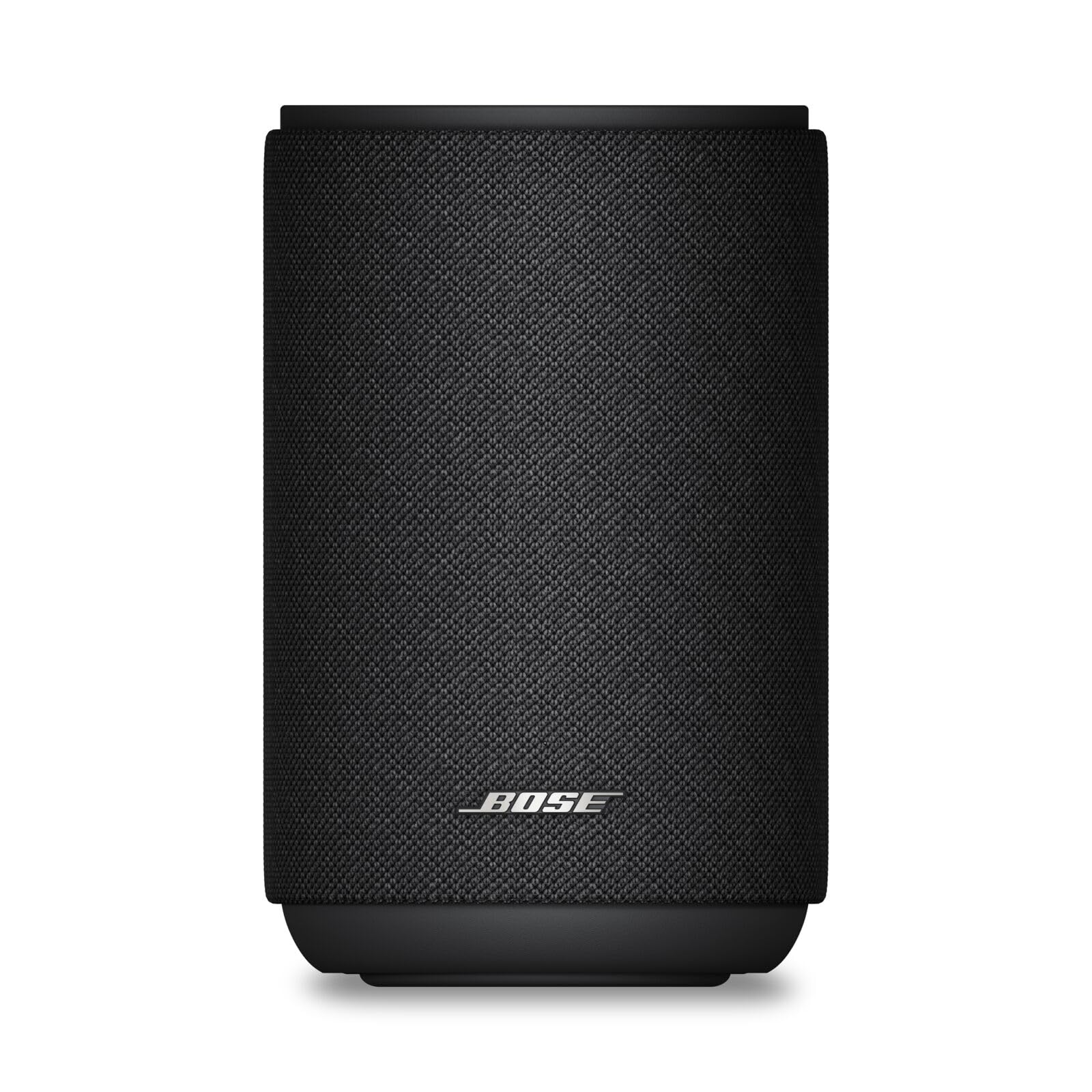
The compact cabinet produces room-filling bass, and its AirPlay and Google Cast paths make it a strong Wi-Fi speaker for small-to-medium rooms. A 3.5mm aux input adds a wired connection for turntables or CD players, which is a convenience not every compact home speaker offers. It also joins Bose multiroom groups through the Bose app, so households with other Bose speakers can spread the same source across rooms.

Setup runs through the Bose app, and Spotify Connect streams once the speaker is on the home network. The small enclosure is dense and sturdy, while the premium finish blends into living spaces without drawing attention. The 7.27-inch cabinet keeps the footprint modest even with the bass output, and adjustable EQ gives some tonal control for the room.

This is a fit for listeners with wired sources who still want wireless streaming: plug in a turntable or CD player, then switch to AirPlay, Google Cast, or Spotify Connect for everyday listening. Buyers who expect Bluetooth to be the main connection should compare with the top pick, because pairing can be inconsistent here. Unit-to-unit performance can vary after months of use, so keep the return period in mind and test soon after setup.

💡 Stream over AirPlay or Google Cast for the steady connection; reserve Bluetooth for quick guest playback.

Pros

  • Room-filling clarity with deep bass in a compact body.
  • App-based setup gets the speaker streaming quickly.
  • Small footprint and sturdy build fit shelves and counters.
  • Sleek finish blends into a living room without sticking out.

Cons

  • Bluetooth pairing can vary between devices; AirPlay and Google Cast are steadier.
  • Performance consistency can vary between units; a return-period check is worthwhile.
Our verdict

For AirPlay, Google Cast, and wired-source listeners who want Bose bass in a compact cabinet, this is the more flexible runner-up to the top pick.

Check Latest Price
5

Best Budget Smart Speaker

Amazon Echo Dot

95 /100
Sound Score Outstanding

Key details

Drivers
Multiroom
Alexa multi-room
App Required
Alexa app
Connectivity
Wi-Fi, Bluetooth
View on Amazon

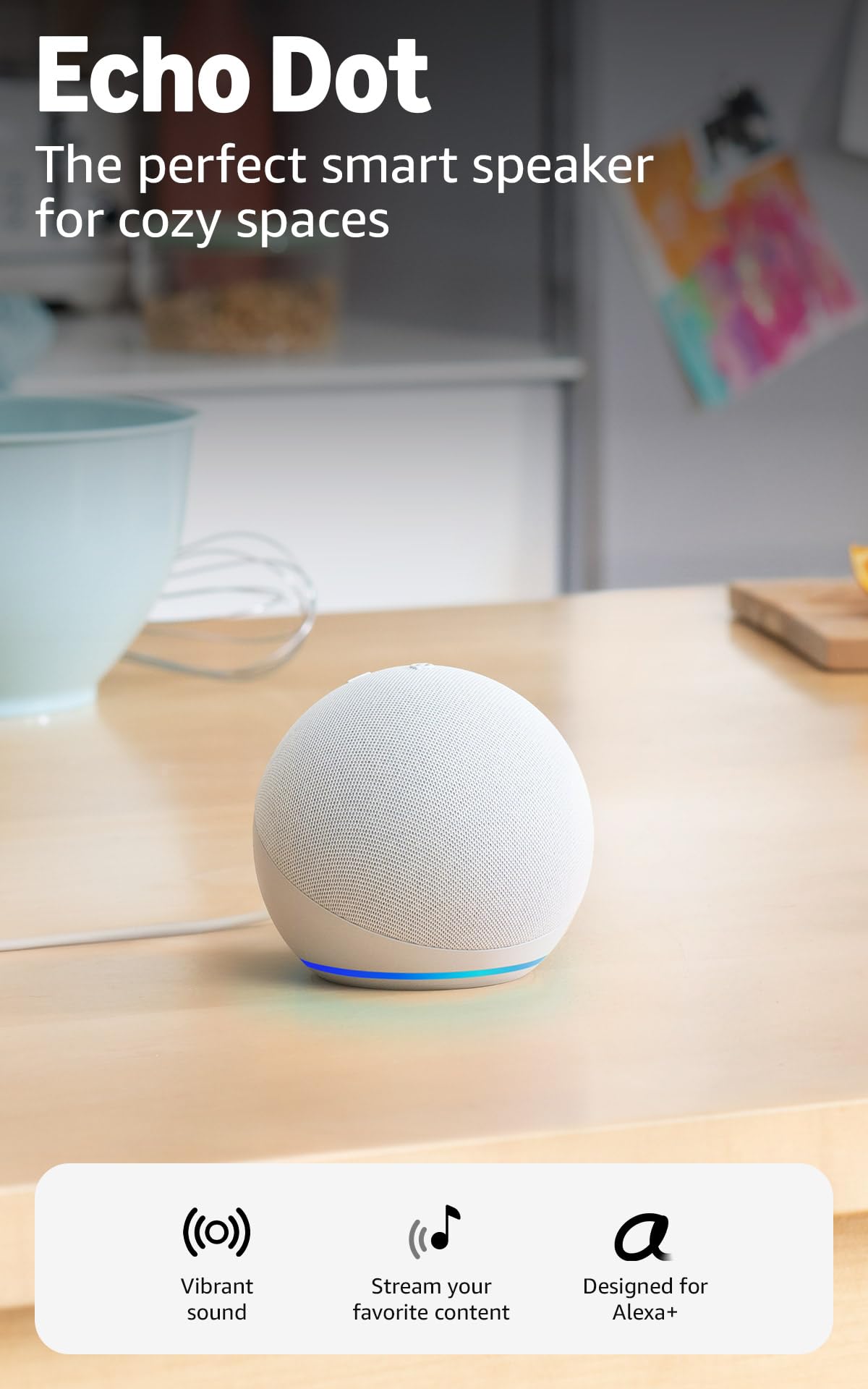
The Echo Dot is a budget-friendly Alexa puck that brings voice control, motion and temperature sensing, and an eero Wi-Fi extender into any room. It is a smart-home controller first and a music speaker second, which separates it from the top pick's larger stereo ambitions.

For its small size, the Echo Dot sounds fuller than expected for podcasts, talk radio, and background music, and it holds up well on a desk or counter. The Alexa app handles setup in a few steps, and the sensors can trigger routines based on movement or temperature.

Best for an Alexa-first home where bedrooms, kitchens, and offices need voice-controlled music and timers, or where a simple multiroom Alexa network is the goal. Random playback stops and unresponsive commands can occur, so if you depend on uninterrupted listening, the top pick in this set is the better fit.

💡 Place the Dot centrally in the room to get the most from its motion and temperature sensors.

Pros

  • Fuller-than-expected sound for talk radio, podcasts, and background music in small rooms.
  • Durable everyday build that fits neatly on desks, counters, and nightstands.
  • Quick setup and clear voice commands for routines, timers, and smart-home control.
  • Strong value for adding Alexa, sensors, and Wi-Fi extension to a multiroom setup.

Cons

  • The tiny driver cannot match larger home speakers for bass or volume in a big room.
  • Volume glitches can interrupt listening in some cases.
Our verdict

For budget Alexa-first households, the Echo Dot is the practical entry point to multiroom voice control and smart-home sensing.

Check Latest Price
6

HEOS Households

Denon Home 150

81 /100
Sound Score Excellent

Key details

Drivers
Tweeter, woofer, 60W
Multiroom
HEOS
App Required
HEOS app
Connectivity
Wi-Fi, Bluetooth, AirPlay 2
View on Amazon

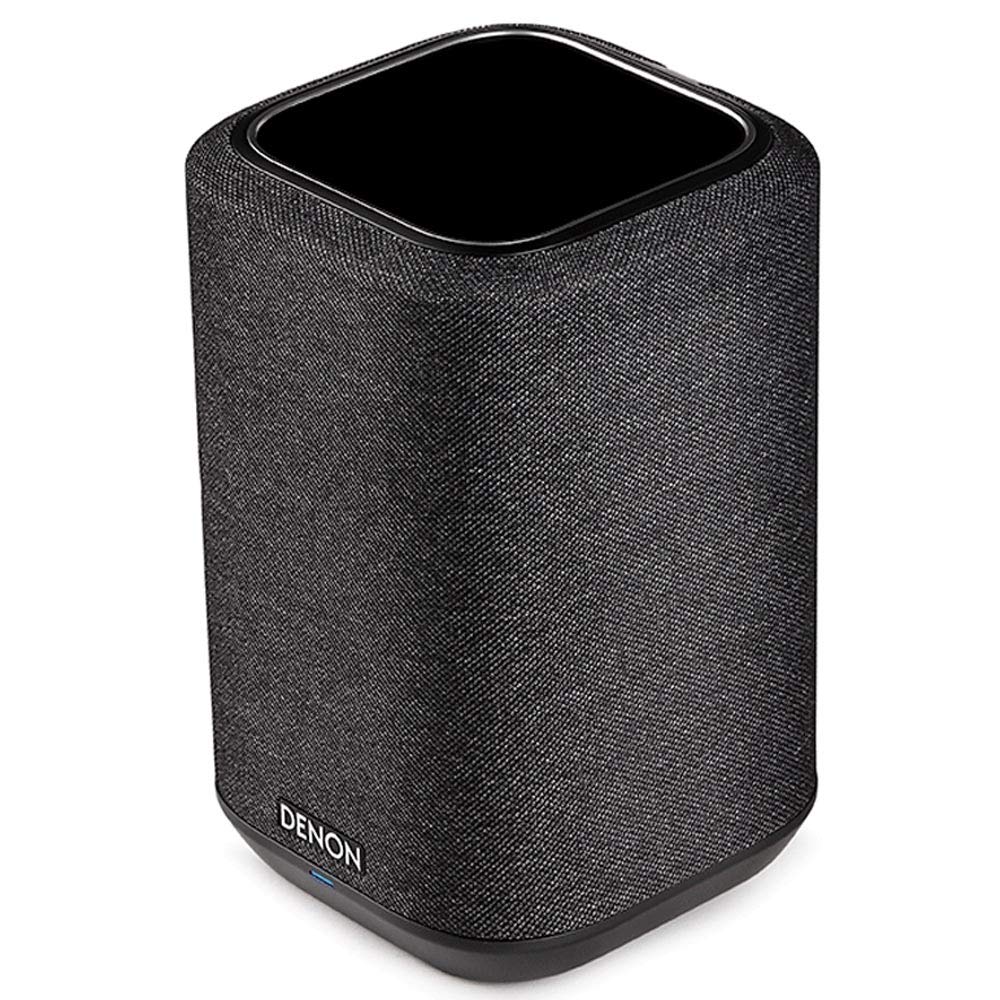
The Denon Home 150 delivers clear, room-filling sound from a compact 60W cabinet and connects easily with AirPlay 2, Spotify Connect, and HEOS multiroom groups. Existing Denon households will find it a natural fit; Bluetooth users should treat it as a fallback, not the main connection. The HEOS app is the main software weakness, and occasional long-term durability concerns can surface after several months of ownership. That software friction and unit-to-unit variance keep it below the top pick, but the speaker's sound and multiroom flexibility still make sense for HEOS households that stream over Wi-Fi.

Pros

  • Compact cabinet delivers clear, room-filling sound that suits small offices and rooms.
  • Sturdy build and quality finish make it easy to place on shelves or desks.
  • AirPlay 2, Spotify Connect, and HEOS multiroom cover network streaming without relying on Bluetooth.

Cons

  • Bluetooth pairing can be troublesome; Wi-Fi and AirPlay 2 are the smoothest paths.
  • HEOS app navigation can be clunky, especially when adjusting groups or searching connected services.
Our verdict

Existing HEOS households that stream over Wi-Fi or AirPlay 2 get a compact, good-sounding speaker with real multiroom value; buyers wanting a simpler Bluetooth-first experience should consider the top pick.

Check Latest Price
7

No-Wi-Fi Setups

Avantree Harmony 2

79 /100
Sound Score Very Good

Key details

Drivers
Multiroom
Proprietary sync, no Wi-Fi
App Required
No app
Connectivity
Bluetooth, aux, optical
View on Amazon

Transmitter-based pairing gives the Harmony 2 a clear niche for offices, classrooms, and rentals that block Wi-Fi or app installs. The included transmitter carries audio from a TV or computer, and each speaker auto-joins the low-latency sync without a phone in the loop. Battery power — rather than wall power — puts it outside the mains-powered home-speaker definition here; that is the main reason it is not a main pick. A speaker can lose sync or sound output after months of use, so this kit is best treated as a light-duty room helper rather than a permanent wall-powered setup.

Pros

  • Plug-in transmitter and auto-joining speakers set up in minutes without Wi-Fi or a phone app.
  • Multiple speakers stay in sync for whole-home background audio.

Cons

  • Bass weight is limited and maximum volume is modest, which suits spoken-word and background audio more than music-first listening.
  • Bluetooth can drop when the audio source leaves line of sight or moves to another room.
Our verdict

In a rental or classroom that allows no Wi-Fi or app installs, this battery-powered kit solves multiroom background audio; for a permanent mains-powered home speaker, it is the wrong form factor.

Check Latest Price

How to Choose

Connectivity Options

Bluetooth is the easiest connection: press pair and play from one phone, but range is limited to about 30 feet and walls reduce it. Wi-Fi uses your home network instead, which allows multi-room syncing and direct streaming from Spotify or Apple Music without keeping a phone nearby. AirPlay 2 and Google Cast are the bridge between the two, letting Wi-Fi speakers receive streams from iOS or Android apps with less dependence on the speaker maker's app.

Multiroom Ecosystems

Multiroom is a software commitment, not a hardware feature. A Sonos speaker only syncs with other Sonos speakers; a HEOS speaker only syncs with HEOS, and Alexa multi-room works only with Echo devices. Mixing brands in one house usually means playing the same music from separate apps instead of one synchronized whole-home system.

Drivers and Power

Speaker size and driver count determine what you physically feel. Larger woofers move more air, which is why a 4-inch woofer in the Marshall Acton III produces deeper bass than the compact single-driver designs in budget smart speakers. Higher amplifier watts also matter for loudness, but only if the cabinet and drivers can push that power without distortion. For a small room, a 60W speaker is usually more than enough; for open-plan living areas, look for a larger woofer rather than a higher wattage number.

App Stability and Setup

The speaker hardware is often the most reliable part of the system; the companion app is where disconnects and playback stops happen. Apps handle Wi-Fi discovery, firmware updates, and streaming sessions, so a poor app can make a good speaker feel broken. Before buying, consider whether you actually want an app at all: Bluetooth-only speakers skip this layer entirely.

Power Source

A true home speaker is corded, and that is not a flaw: wall power is what allows 60W amplifiers to run continuously without charging. Battery-powered designs trade amplifier power and always-on network connections for portability. If the speaker will sit on a shelf or sideboard, a corded model is the correct choice; if you want to move it between rooms, a portable speaker is a different category entirely.

Frequently Asked Questions